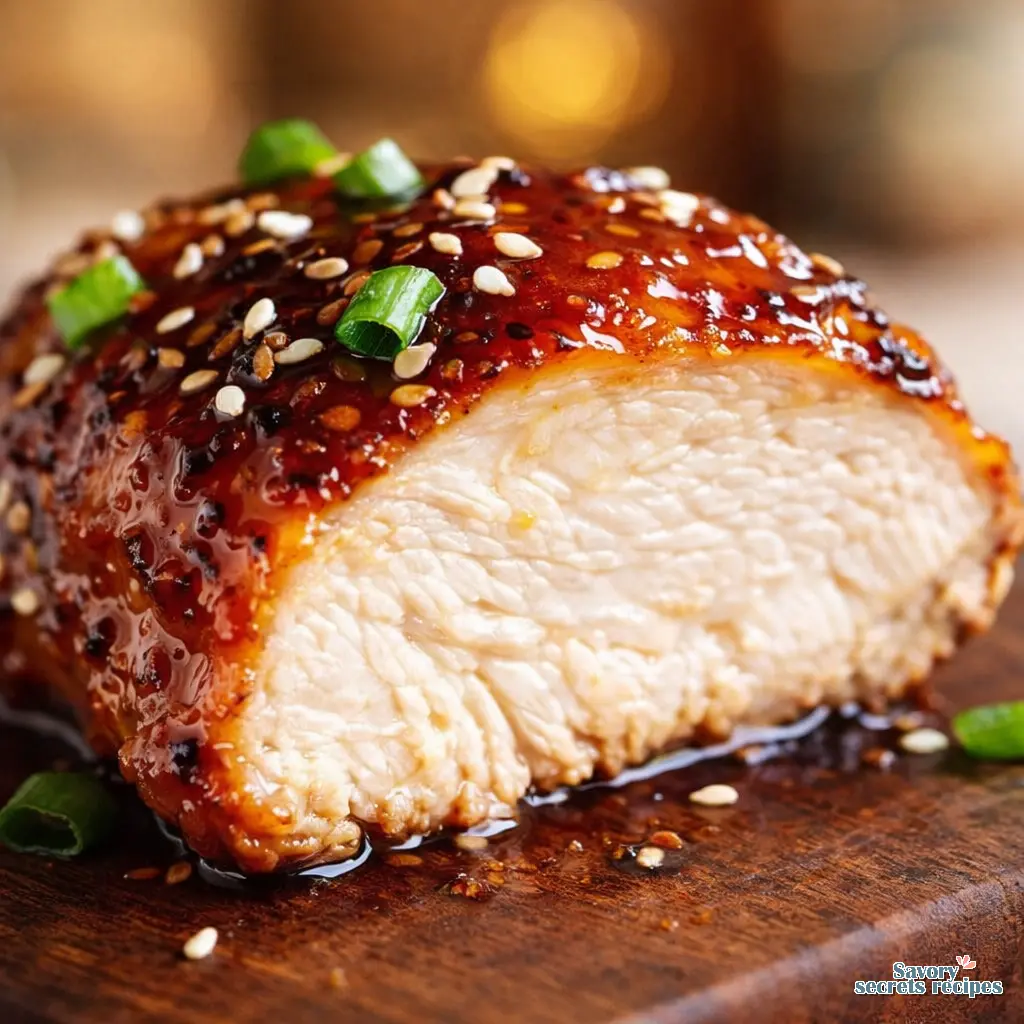




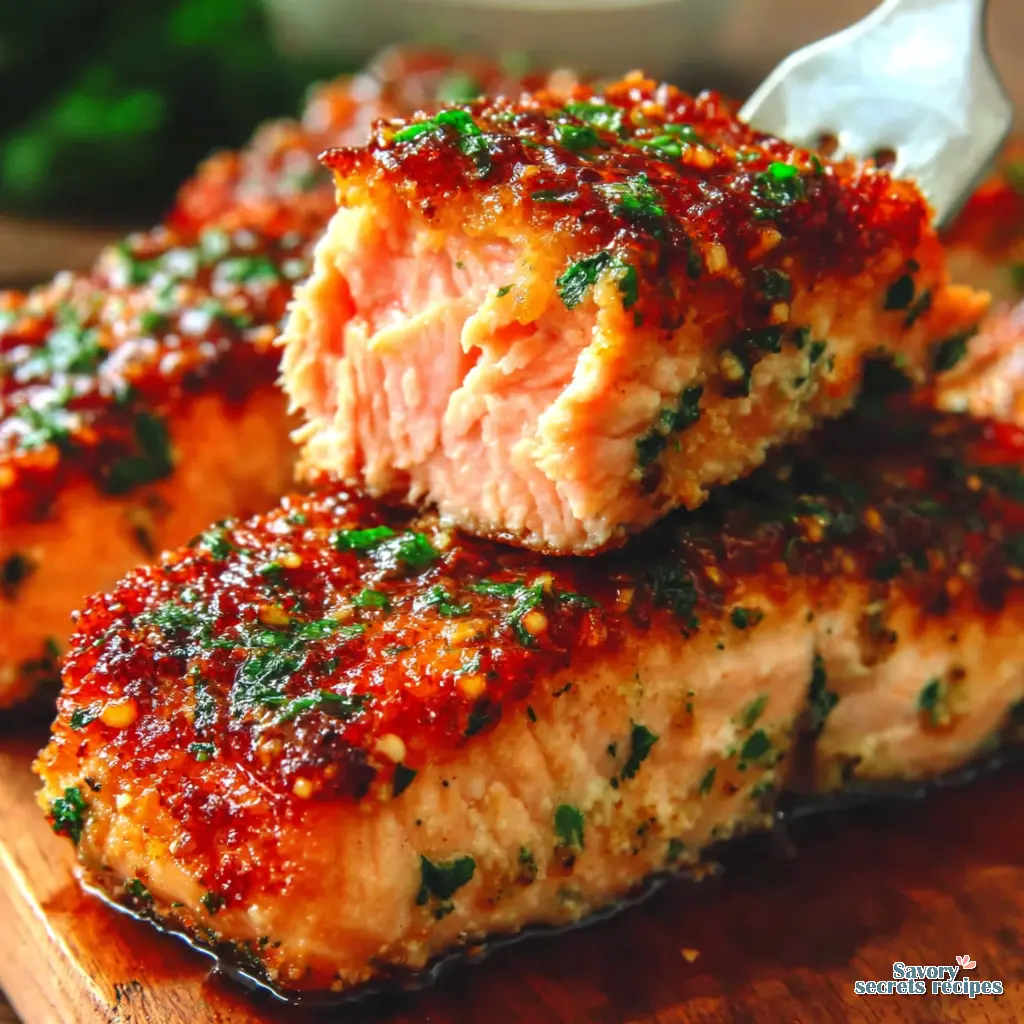
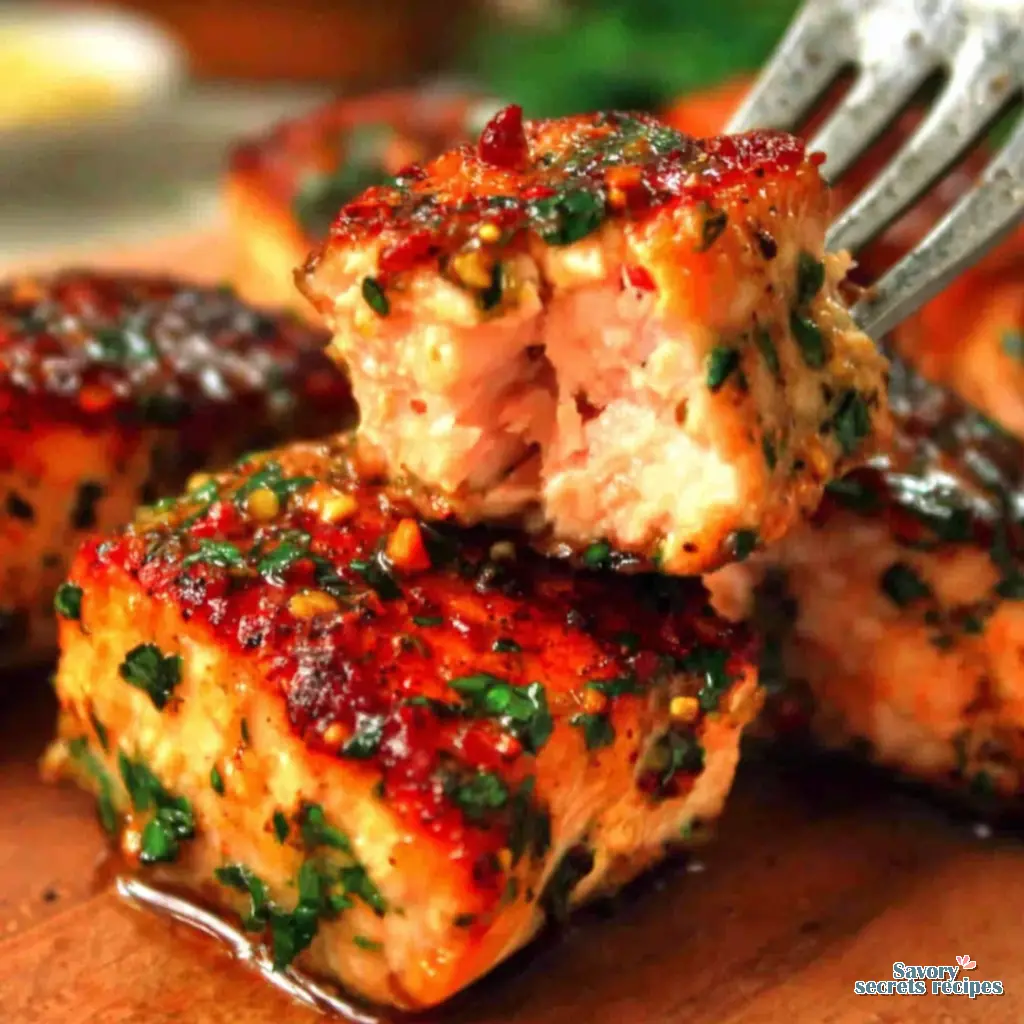
Crispy Honey Garlic Air Fryer Salmon Bites
Ingredients
Method
- Cut the salmon into bite-sized pieces and pat them dry.
- Combine melted butter, minced garlic, lemon juice, chopped parsley, salt, and pepper in a bowl.
- Drizzle the garlic butter mixture over the cubed salmon, toss to coat, and let marinate for 15-20 minutes.
- Preheat the air fryer to 200°C (400°F) for approximately 5 minutes.
- Lightly coat the air fryer basket with olive oil.
- Arrange the salmon bites in a single layer and air fry for 8-10 minutes, shaking the basket halfway through.
Nutrition
Notes
The 15-Minute Dinner Miracle You Need Tonight
Wednesday evening, 5:15 PM. The dinner panic is entirely real. You’re staring at the fridge hoping a fully cooked meal will magically appear. I’ve been there. Looking for a meat-free Good Friday dinner that isn’t completely boring? Or maybe you’re just trying to survive a chaotic Tuesday with hungry kids pulling at your pant legs. These honey garlic air fryer salmon bites are exactly what you need.
I grew up watching my grandma Evelyn pull fully assembled meals out of her garage freezer like magic tricks. She’d peel back the foil, read her own Sharpie notes, and dinner was handled. I didn’t realize until college that not everyone’s grandma had a freezer inventory system. I’m not going to lie, my own freezer isn’t always that organized. But having a lightning-fast, healthy protein recipe memorized? That’s the modern equivalent.
This recipe hits all the right notes. It’s packed with omega-3 fatty acids, requires almost zero prep, and kids actually eat it because of that sticky, sweet glaze. Future you will thank you for keeping this honey garlic air fryer salmon bites recipe on repeat. Let’s get into it.
Why Honey Garlic Air Fryer Salmon Bites Work Every Time
Here’s the thing about cooking fish on a weeknight. People get intimidated. They worry about the house smelling, or the fish drying out, or the skin sticking to the pan. Making honey garlic air fryer salmon bites completely bypasses all those issues. The circulating heat cooks the fish evenly while creating a caramelized exterior that you just can’t easily replicate in a standard oven.
Plus, we’re cutting the fish into bite-sized pieces. This means more surface area for that incredible glossy glaze to cling to. More surface area equals more flavor in every single bite. It’s honestly kind of brilliant.
During these busy spring months, I lean heavily on meals that don’t require me to stand over a hot stove. You’ll spend about five minutes prepping and ten minutes letting the machine do the heavy lifting. Dinner’s already halfway done before you even set the table.
The Simple Ingredients You Probably Already Have
You don’t need a massive grocery haul for this. You likely have most of these staples sitting in your pantry right now. The magic happens in how they combine.
We’re using fresh salmon fillets, obviously. Atlantic salmon gives you the best rich, flaky texture. Then you’ll need raw honey and low sodium soy sauce for the base of the glaze. If you’re doing a gluten-free diet, just swap the soy sauce for Tamari. Totally doable.
Next, grab some fresh cloves garlic. Please use fresh garlic if you can, rather than the jarred stuff. The smell of fresh garlic hitting that warm honey glaze is pure heaven. Round it out with a little Napa Valley olive oil, kosher salt, and black pepper. That’s literally it. If you prefer a citrus-forward profile instead of honey, you might also enjoy these lemon garlic butter air fryer salmon bites.
Prep School: How to Remove Skin from Salmon
Real talk, removing fish skin used to stress me out. I’d end up mangling the fillet and losing half the meat. But you really want skinless pieces for honey garlic salmon cubes so the glaze coats all four sides evenly.
You have two solid options here. The first is the traditional knife method. Place the fillet skin-side down on your board. Make a small cut between the flesh and skin at the tail end. Grip the skin tightly, angle your sharp knife slightly downward, and wiggle the skin back and forth while pushing the knife forward. The skin should slide right off.
Not comfortable with knife skills? Try the boiling water trick. Place the salmon skin-side up on a wire rack over the sink. Pour boiling water slowly over the skin. It will immediately shrink and curl up. After a few seconds, you can literally just peel it off with your fingers. It’s incredibly satisfying.
How to Cut the Perfect Salmon Cubes
Size matters here. You want to cut the fish into uniform 1-inch cubes. If you make them too small, they’ll dry out before the glaze has time to caramelize. If you make them too large, the outside will burn before the inside finishes cooking.
Uniformity is the secret to making the best honey garlic glaze for salmon bites without burning anything. Take an extra minute to get your pieces roughly the same size. A sharp knife makes quick work of this.
The Air Fryer Showdown: Basket vs. Oven Models
I think this works in any machine, but your mileage may vary depending on what sits on your counter. I’ve tested honey garlic air fryer salmon bites in both basket-style and oven-style models. Here is how you adjust.
If you have a basket model, preheating is absolutely non-negotiable. You want that immediate sizzle when the fish hits the metal. Lightly spray the air fryer basket with oil. Don’t use aerosol non-stick sprays, as they can ruin the basket’s coating over time. Use a simple oil mister.
If you have an oven-style model, you’ll want to use parchment paper liners on the baking tray. The fan in these models blows the hot air differently, and the honey glaze loves to drip and burn on the bottom heating elements. The parchment saves you a massive cleanup headache later.
The Science of Caramelization (Why We Shake)
Raw honey is incredible, but it has a relatively low burn point. When you ask how to make honey garlic salmon bites in air fryer without burning the glaze, the answer is all about timing and movement.
You need to open the basket halfway through the cooking time. Give it a gentle shake or use tongs to flip the pieces. This redistributes the glaze and prevents the sugars from scorching on the hot grate. That snap of the caramelized glaze is what you’re aiming for. It should look the color of a dark roasted peanut, not black.
Common Mistakes & Fixes for Salmon Bites
Mistake: Overcrowding the basket.
Solution: The pieces will steam instead of crisping. Cook in a single layer. If you’re doubling the recipe, do it in two batches. Trust me on this.
Mistake: Using frozen chunks.
Solution: Thaw frozen salmon completely first. You can leave it overnight in the fridge or submerge a sealed Ziplock bag in cold water for 30 minutes.
Mistake: The honey glaze burned.
Solution: You either didn’t shake halfway, or your machine runs hot. Check them two minutes early next time.
Nailing the Perfect Temperature Every Single Time
I know some people think using a meat thermometer is fussy. I used to be one of those people. But guessing is how you end up with dry, chalky fish. Grab your internal thermometer.
The USDA recommends 145°F for fully cooked salmon. However, fish continues to cook after you pull it from the heat. This is called carryover cooking. For the absolute best flaky texture, I pull my honey garlic air fryer salmon bites out when they hit between 125°F and 130°F. They’ll coast up to the perfect temperature while they rest for a minute on the plate.
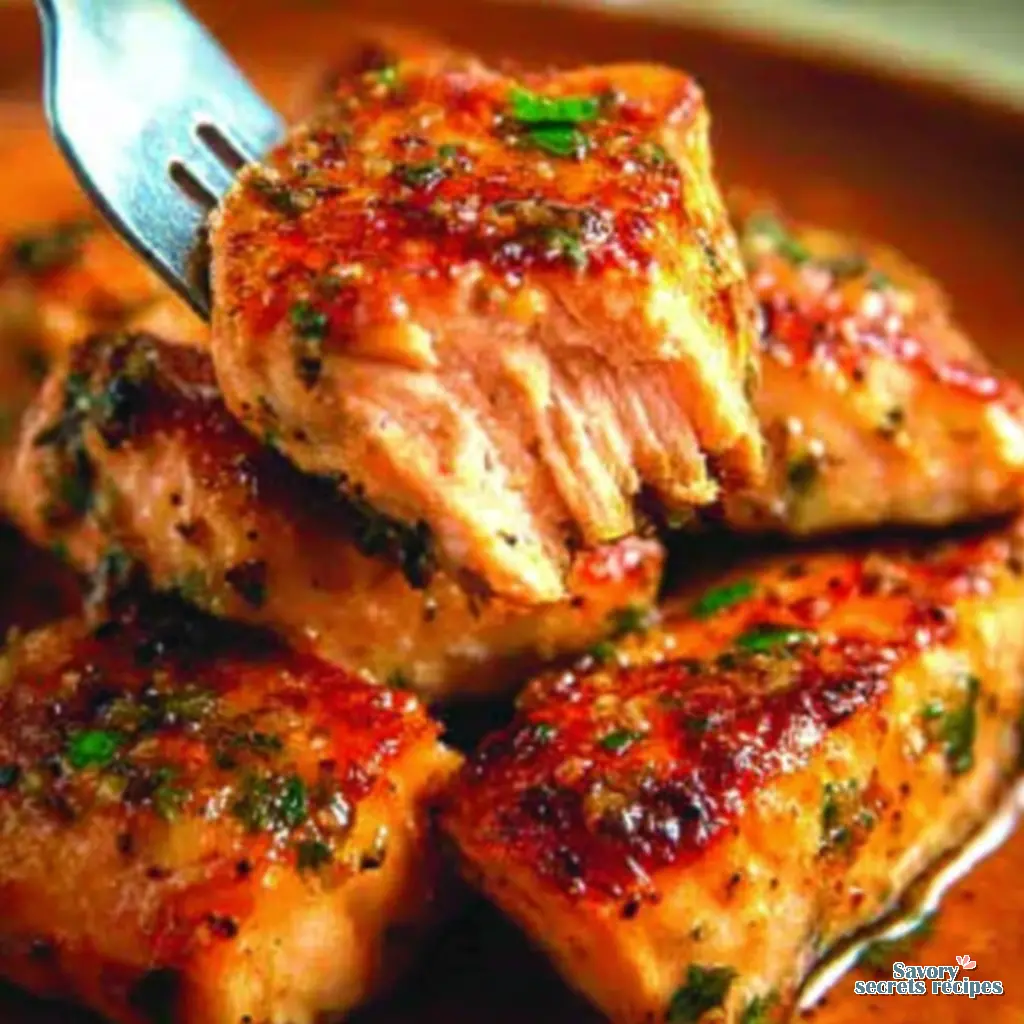
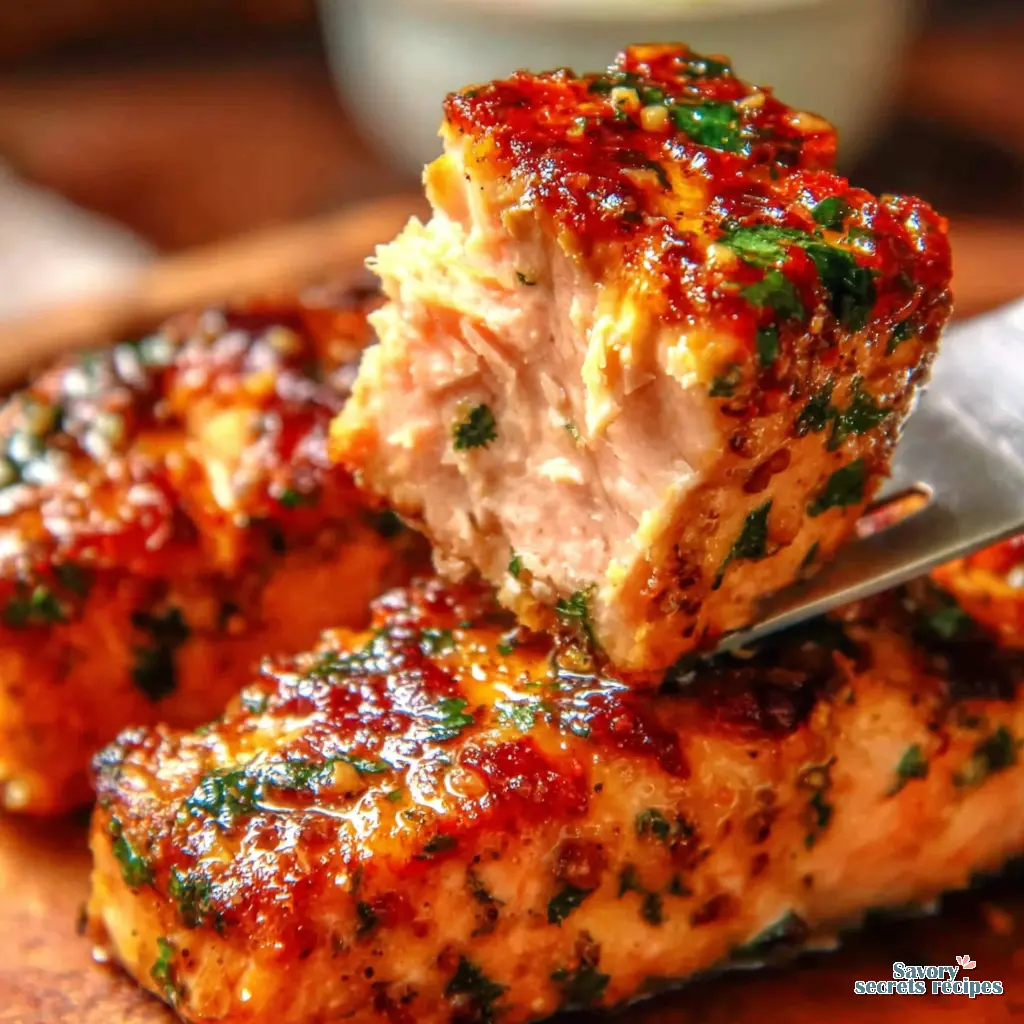
You’ll know they’re ready visually when the edges are crispy and the center flakes easily with a fork. If you see white stuff oozing out (that’s albumin), you’ve pushed them a little too far. They’ll still taste good, but try pulling them earlier next time.
Fun Variations to Try Next Week
Once you master the basic garlic salmon bites recipe, you can play around with the flavors. My husband loves a spicy version. We just add a pinch of cayenne powder or red pepper flakes to the marinade. For a smokier, blackened heat, these cajun air fryer salmon bites are another fantastic variation.
You can also swap the regular honey for hot honey if you want that trendy sweet-heat combo. Or, if you’re out of soy sauce, teriyaki sauce works beautifully as a quick substitute. The technique stays exactly the same, you’re just swapping the flavor profile. You can follow a similar method to make teriyaki air fryer salmon bites for a classic Japanese-inspired meal.
What to Serve with Honey Garlic Air Fryer Salmon Bites
These little flavor bombs are incredibly versatile. On a lazy Tuesday, I’ll just serve them over a scoop of fluffy jasmine rice with some steamed broccoli on the side. The extra glaze drips down into the rice and it’s fantastic.
They also make phenomenal tacos. Tuck them into warm tortillas with some crunchy cabbage slaw and a squeeze of lime. Or, build epic rice bowls with cucumber, shredded carrots, avocado, and a drizzle of sriracha mayo. Garnish everything with chopped green onions and sesame seeds for that restaurant-quality finish. This combination of heat and creaminess is the hallmark of air fryer bang bang salmon bites. These cubes are specifically designed to be the star of healthy air fryer salmon bite bowls.
Meal Prep, Storage, and Reheating Rules
My daughter helped me portion out our meal prep last month, and she insisted on drawing faces on each container with a permanent marker. Not exactly how I intended my labeling system to work, but she was excited about dinner, so I’ll take the win. These honey garlic salmon cubes are perfect for your Sunday meal prep routine.
Store leftovers in an airtight container in the refrigerator for up to 3 days. I prefer glass containers for fridge storage because they don’t hold onto garlic smells.
Can you store and reheat leftover honey garlic salmon cubes in the air fryer? Absolutely. This is the only way to do it if you want to keep that crispy texture. Set your air fryer to 350°F and warm them for 4-5 minutes. The microwave will just turn them rubbery. I mean, you could use the microwave if you’re desperate at the office, but the texture will definitely suffer.
If you want to freeze them for later, let them cool completely first. Freeze them flat on a baking sheet before transferring to a freezer bag. They’ll keep for about two months. Just thaw them overnight in the fridge before reheating.
Frequently Asked Questions
Wrapping It Up
There is something deeply satisfying about pulling off a healthy, gorgeous dinner in under 15 minutes. Knowing you have a reliable, fast protein option makes the whole week feel a little more manageable. You’ve totally got this.
Try these honey garlic air fryer salmon bites tonight, and let me know how they turn out in the comments below. If you’re looking for more quick weeknight inspiration, check out my Pinterest boards where I save all my favorite family-friendly meal prep ideas. Happy cooking!
Source: Nutritional Information
Are these honey garlic air fryer salmon bites gluten-free and dairy-free?
Yes, they are naturally dairy-free. To make these honey garlic air fryer salmon bites completely gluten-free, simply substitute the regular soy sauce with Tamari or coconut aminos. The rest of the ingredients are naturally safe. Always double-check your honey label just to be absolutely sure.
Can I make the honey garlic sauce ahead of time?
You definitely can. I often mix the raw honey, garlic, and soy sauce in a mason jar on Sunday. It keeps perfectly in the fridge for up to a week. When you’re ready to cook your honey garlic salmon cubes, just give the jar a good shake and pour.
What is the best type of salmon to use for this recipe?
I strongly prefer Atlantic salmon fillets for this garlic salmon bites recipe. It has a higher fat content, which keeps the bites incredibly tender and moist under the high heat. Wild-caught sockeye is delicious but leaner, so you’ll need to reduce the cooking time slightly so it doesn’t dry out.
How long do you cook honey garlic air fryer salmon bites to get them perfectly crispy?
At 400°F, they usually take between 6 to 8 minutes. The exact time depends heavily on your specific machine and the size of your cubes. Start checking them at the 5-minute mark. You’re looking for dark caramelized edges and an internal temperature of about 130°F.