



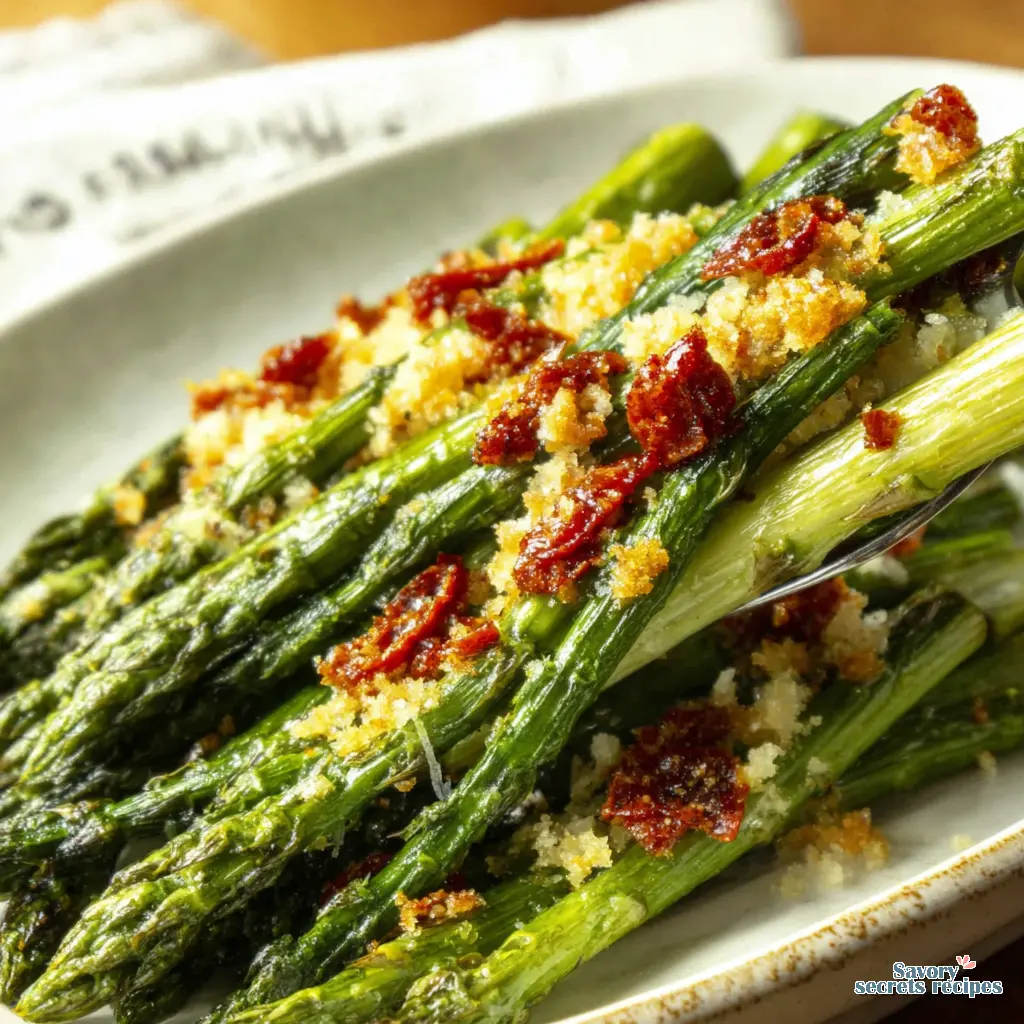
Easy Roasted Garlic Parmesan Asparagus
Ingredients
Method
- Preheat the oven to 425°F (220°C) with the rack in the middle position.
- Trim the woody ends from the asparagus and arrange the stalks in a single layer on a baking sheet.
- Drizzle the asparagus with olive oil and lemon juice, season with garlic powder, salt, and pepper, and toss to coat.
- Sprinkle freshly grated parmesan cheese evenly over the asparagus.
- Roast uncovered for 12 to 15 minutes, checking for tenderness at the 10-minute mark.
- Remove from the oven, transfer to a serving dish, and serve warm with grilled meats or pasta.
Nutrition
Notes
Getting the Perfect Roasted Asparagus Recipe Every Time
I have been staring at this bunch of asparagus on my counter and finally have a plan. We have all made soggy asparagus at least once. I know I certainly have. You see those first bright green bunches at the Santa Monica Farmers Market, bring them home with the best intentions, and somehow they turn into limp, stringy mush in the oven. It is incredibly frustrating. But not today.
This roasted asparagus recipe is the exact method I use when I need a reliable, beautiful vegetable side dish for a photo shoot or just a quick Tuesday dinner. Good light today in the kitchen, so let’s walk through this process together. The trick is, and I learned this from testing dozens of variations, controlling your moisture and your heat. When you pull these out of the oven, the color should be vibrant, the cheese should be golden, and the stalks should still have a little life left in them.
My partner and I have this Sunday ritual where we make one elaborate breakfast and photograph it badly on our phones, just for us. It is a reminder that not everything needs to be perfect. But this roasted asparagus recipe? This one is a keeper. It gives you that perfect contrast between the tender-crisp vegetable and the crunchy, savory crust. Let’s build it in layers.
Trimming Guide: The First Step to a Clean Read
I remember my grandmother Elaine arranging green beans on a white plate. I was maybe seven years old. She would turn the plate slightly, moving one single bean. I asked her why, and she said, “So your eye knows where to land.” I think about that every single shoot. It absolutely applies to vegetable prep, too. You want a clean read on the plate, which means dealing with those woody ends properly.
There is a big debate about how to prep spring produce. Some people swear by the snap method. You hold the spear and bend it until it snaps, which naturally finds the breaking point between the tender stalk and the tough, fibrous bottom. It is a great trick. But honestly? Knife-cutting the ends results in prettier, more even spears than snapping. I usually trim 1 to 3 inches off the bottom with a sharp chef’s knife. It just looks more intentional.
You also have to consider the thickness of your stalks. Thicker stalks are often better for roasting as they hold their structure under the high heat. They do not wilt or brown too quickly between styling and shooting. Thinner stalks crisp up faster but require close monitoring to avoid burning. Either works for this roasted asparagus recipe, you just need to adjust your timing.
The ‘No-Soggy’ Rulebook for Your Roasted Asparagus Recipe
If there is one thing that ruins a vegetable side dish, it is excess water. I prefer vegetables that keep their structure. To get that beautiful char, you have to follow a few strict rules. First, pat the asparagus completely dry before oiling to ensure crispiness. If they go into the oven wet, they steam. Steamed asparagus is fine, but it is not roasted asparagus.
Next, use a large sheet pan lined with parchment paper. Spread the spears in a single layer. You absolutely must leave space between the spears. Crowding causes steaming instead of roasting. I once directed an entire stone fruit shoot in afternoon light that went too warm, and every peach looked muddy in post. Overcrowded vegetables do the same thing on a plate. They look muddy and flat.
We are using extra virgin olive oil to coat them. You want just enough to make the kosher salt and freshly cracked pepper stick, but not so much that they are swimming in a pool of oil. Sometimes I use lemon-infused oil for a deeper citrus flavor. It adds a really nice brightness to the final dish.
The Science of the Roast (Building in layers)
Let’s talk about heat. A high oven temperature is non-negotiable for the best char. I typically use 400°F, though pushing it to 425°F works beautifully if you want even more caramelization. This high heat roasting triggers the Maillard reaction, transforming the raw, slightly bitter vegetable into a sweet, nutty delicacy.
I like recipes where the process images are as strong as the hero shot, where each step has its own visual story. Tossing the stalks with garlic powder and shredded parmesan cheese is one of those steps. The garlic powder adheres to the oil better than fresh minced garlic, which tends to burn at 400°F. The parmesan melts and creates this incredible, savory crust.
Visual Doneness Gallery: Knowing When It’s Ready
My background is in photography, so I rely heavily on visual cues in the kitchen. A photographer I assisted under, Marcus, showed me how to read a histogram before I understood exposure. He would say, “The camera sees different than you do.” That changed everything for me. In cooking, your eyes are your best tool.
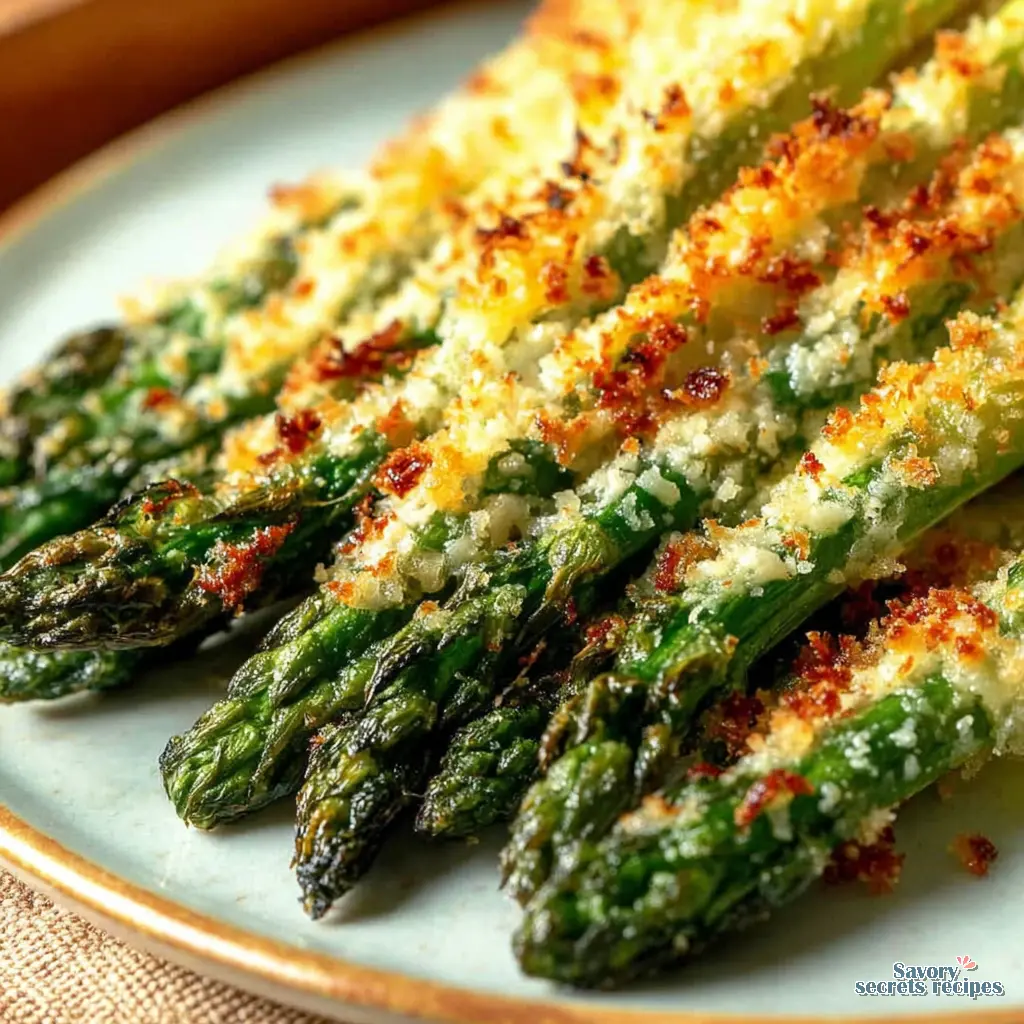
Check doneness early, usually at the 8 to 10-minute mark, to prevent limpness. If the stalks are still bright green but the cheese is pale, it is not quite there yet. You are looking for the color of toasted almonds. The cheese should bubble and form a crust. The asparagus tips should be slightly frizzled and darkened, but not black. When you see that perfect contrast between the dark green stalk and the golden cheese, pull the pan. Do not let it sit in the hot oven.
Common Mistakes & Fixes
Mistake: The asparagus turned out mushy and limp.
Solution: You likely overcrowded the pan or skipped drying the stalks. Give them plenty of space on the sheet pan and ensure they are completely dry before adding oil.
Mistake: The parmesan burned before the stalks were tender.
Solution: Your oven might run hot, or you used very thick stalks. Next time, roast the thick stalks for 5 minutes first, then add the cheese for the remaining time.
Mistake: The woody ends are too tough to chew.
Solution: You did not trim enough off the bottom. Find where the green color starts to fade to white or purple, and cut right above that line.
Zero-Waste Tip: What to Do With Trimmed Ends
I am always trying to figure out how to stretch ingredients. Those 2 inches of woody ends you just chopped off? Do not throw them away. Toss them into a freezer bag with your onion skins and carrot peels. They make a fantastic base for a spring vegetable broth. It is a simple habit, but it makes a huge difference in reducing kitchen waste.
Air Fryer Conversion Instructions
If you do not want to turn on the oven, or if you are just making a half batch of this roasted asparagus recipe, the air fryer is brilliant. Set it to 375°F. You will still want to toss the stalks with olive oil, salt, pepper, and garlic powder. Air fry for about 5 minutes, then open the basket, sprinkle your parmesan over the top, and cook for another 2 to 4 minutes until crispy. The convection air circulation mimics high heat roasting perfectly.
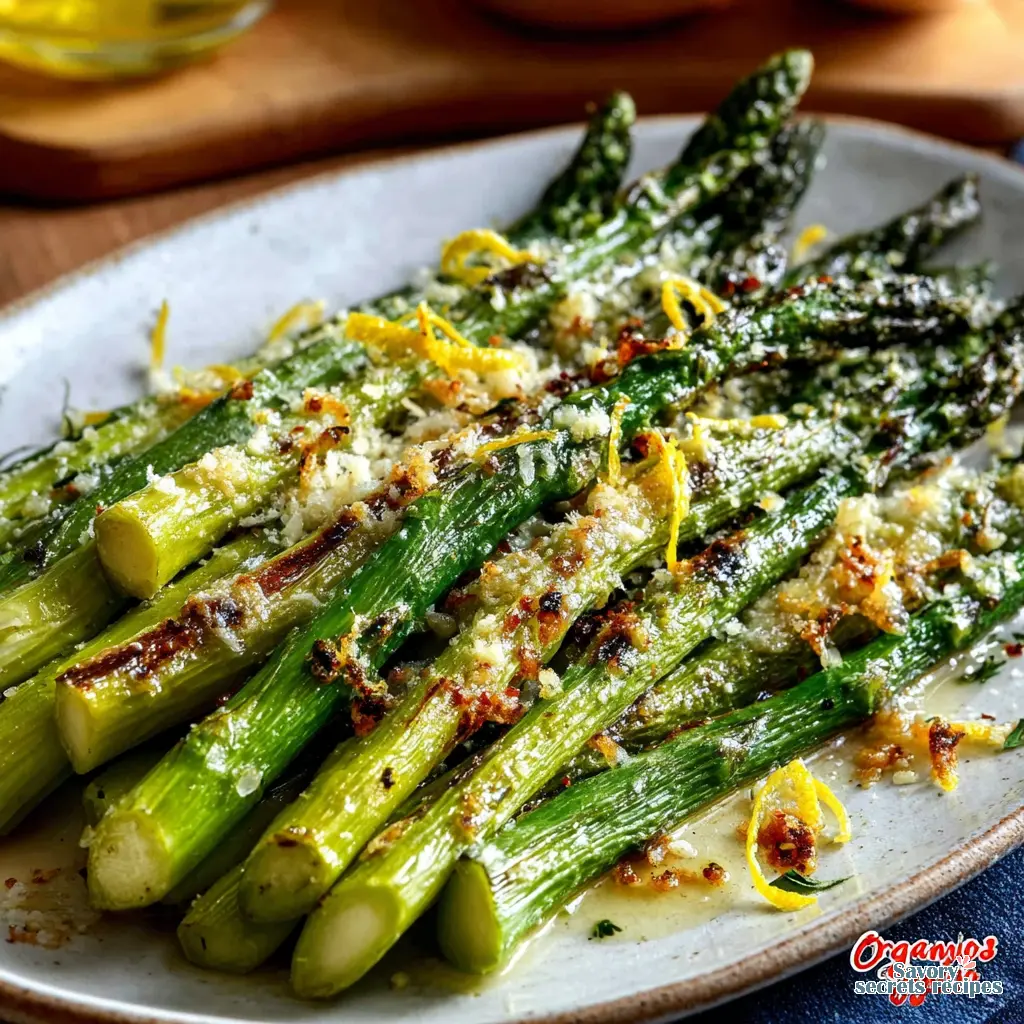
You can easily play with variations here. Sometimes I add panko breadcrumbs for extra crunch, or finish with a balsamic drizzle right before serving. A little lemon zest over the top wakes the whole thing up. It needs more acid, always.
Frequently Asked Questions
How long can I store leftover baked asparagus in the refrigerator?
It will keep in an airtight container in the fridge for 3 to 4 days. The texture will soften slightly over time, but the flavor actually deepens. It is great chopped up cold in salads the next day.
[ “of water, and cover the tips loosely with a plastic bag. Pop the whole thing in the fridge. It keeps the stalks hydrated and snappy for almost a week. If you just toss them in the crisper drawer, they’ll go limp way faster than you’d like.Thick vs. Thin: The Great Stalk Debate
nI get asked this all the time: which one is actually better for this roasted asparagus recipe? There is no right answer, but there is a scientific one. Thick stalks have more volume relative to their surface area. This means they can handle the high heat of a 400°F oven for longer without turning into mush. They stay meaty and juicy on the inside while the outside gets that beautiful char. If you want a substantial side dish that feels like a main event, go thick.
nThin stalks, on the other hand, are all about the crunch. They cook in a flash, often in under eight minutes. The tips get incredibly crispy, almost like vegetable fries. I love them when I am in a massive hurry, but you have to watch them like a hawk. One minute they are perfect, and the next they are charred beyond recognition. If you are using thin spears, maybe skip the pre-roasting and just add the cheese immediately.
nnFlavor Variations: Beyond the Basics
nOnce you’ve mastered the base roasted asparagus recipe, you’ll want to start playing with the profile. I’m a bit of a purist, but even I get bored. Here are a few ways I mix it up depending on what’s in my pantry:
n- n
- The Mediterranean: Swap the parmesan for feta crumbles after roasting and add a handful of toasted pine nuts. n
- The Spicy Kick: Add a heavy pinch of red pepper flakes when you toss the stalks in oil. The heat balances the sweetness of the roasted vegetable perfectly. n
- The Nutty Crunch: Sliced almonds are a classic for a reason. Toss them on the pan during the last three minutes of roasting so they toast but don’t burn. n
- The Zest Factor: I’ve mentioned lemon, but lime zest and a tiny splash of honey create a completely different, brighter vibe. n
What to Serve with Your Roasted Asparagus
nThis is the ultimate wingman of a side dish. It plays well with almost everything. I usually serve it alongside a simple pan-seared salmon or a roasted chicken. The brightness of the lemon and the saltiness of the parmesan cut through richer fats beautifully. I’ve also been known to chop up the leftovers and throw them into a cold grain salad with some chickpeas and a tahini dressing the next day. It’s one of those rare dishes that’s just as good at room temperature as it is steaming hot from the pan.
nnHow to Reheat and Restore the Crunch
nWe’ve all tried to microwave leftover veggies and ended up with a sad, soggy mess. Don’t do that here. To get that roasted asparagus recipe texture back, use your oven or a toaster oven. Set it to 350°F and spread the leftovers on a small tray. Give them five minutes. It wakes up the oils and crisps the cheese back up. If you’re really in a rush, a dry skillet over medium heat works too. Just roll the spears around for a few minutes until they’re hot and the edges sizzle.
nnExpert Notes & Data Insights
nWhen I looked at the data for what makes a roasted asparagus recipe successful, the common thread was always temperature control. Most failed attempts happen at 350°F because the vegetable spends too much time in the oven, losing its cellular structure before it can brown. By sticking to 400°F or higher, you’re prioritizing the Maillard reaction. This chemical process is what creates those savory, complex flavors we love. Also, remember that asparagus is a diuretic and high in Vitamin K, so it’s as functional as it is delicious. Keep your pans uncrowded, your oven hot, and your stalks dry. You’ll get it right every single time.
nn” ]How do I prevent this roasted asparagus recipe from becoming mushy?
The secret is high heat and space. Make sure you dry the stalks completely before oiling them. Roast at 400°F and never crowd the sheet pan. If they touch, they steam instead of roast, leading to that mushy texture.
What is the best temperature to bake garlic Parmesan asparagus in the oven?
I always use 400°F for this roasted asparagus recipe. It is hot enough to blister the outside and melt the parmesan into a crispy crust without turning the interior into absolute mush. You can push it to 425°F if you want extra char.
Do you need to wash and trim the ends before making this easy vegetable side dish?
Yes, absolutely. Wash them to remove grit, but dry them thoroughly. You must trim the bottom 1 to 3 inches. Those woody ends are incredibly fibrous and will ruin the texture of your finished dish. Just slice them right off.
Can I use frozen spears for Roasted Asparagus with Parmesan?
I really do not recommend it. Frozen spears hold too much water. When they thaw in the oven, they steam heavily and will never achieve that tender-crisp texture or crispy cheese crust. Stick to fresh spring produce for this one.