




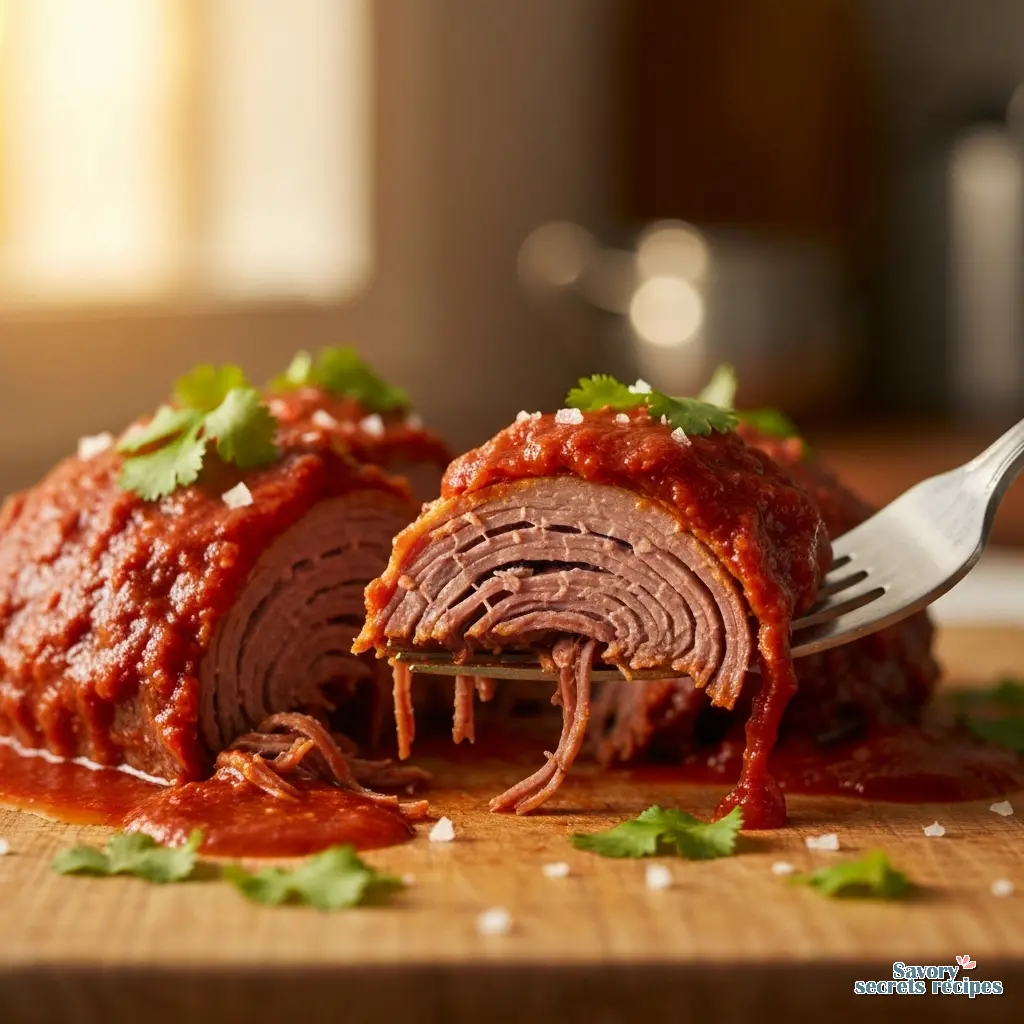
How to Make Chili Colorado from Scratch
Ingredients
Method
- Remove the meat from the refrigerator and cut it into 1/2-inch cubes. Set aside.
- Rinse the dried chiles under cold water while removing the stems and seeds (optional for milder heat). Place the chiles in a saucepan, cover with broth, and bring to a boil. Reduce the heat and simmer uncovered for 20 minutes.
- Season the meat on all sides with salt and pepper, then sprinkle with flour. Heat oil in a skillet over medium-high heat and brown the meat on both sides in batches to avoid overcrowding.
- Transfer the meat to a plate and set aside. Add the onion and jalapeño to the skillet and sauté for several minutes.
- Combine the softened peppers, broth, and sautéed vegetables in a blender. Blend until smooth and set aside.
- Return the browned beef and its juices to the pot. Strain the chili sauce through a fine-mesh strainer into the pot. Stir in the oregano, cumin, paprika, and garlic powder, then add the bay leaf.
- Bring the mixture to a slow boil, then reduce the heat to low. Cover and simmer for approximately one hour or until the meat is tender.
- Uncover the pot and stir in the lime juice and cornstarch slurry. Cook for a few additional minutes until the sauce thickens slightly.
- Serve the stew with tortillas and a side of Mexican rice and beans.
Nutrition
Notes
The Search for a True Traditional Chili Colorado Recipe
I grew up watching my abuela tend three pots at once on a two-burner camp stove in her garage every Saturday. The whole driveway smelled like cumin seeds and toasted garlic. She never measured anything. She just tasted with the same spoon all day and adjusted. I remember the disappointment of trying to recreate her food years later using store-bought chili powder. It just tasted flat. It looked pale. If it doesn’t have color, it doesn’t have flavor. That is the absolute truth when you are making a traditional chili colorado recipe.
You might be tired of shortcut recipes that lack depth. I hear you. Finding specific Mexican ingredients in standard local grocers can be frustrating. But making an authentic chili colorado with dried guajillo chiles is worth the extra stop at the specialty market. As we transition into mild spring weather here in California, this is the perfect low and slow weekend braise. It doesn’t overheat the kitchen, and it is perfect for Sunday family gatherings. I know working with dried chiles sounds intimidating. Trust me on this. It is easier than you think. You just need heat, salt, and time.
Is This Traditional Chili Colorado Recipe Actually From Colorado?
Let us clear this up right now. The name has absolutely nothing to do with the state of Colorado. In Spanish, “colorado” means colored red. It refers to the vibrant, brick-red sauce that coats the beef. This Mexican red beef stew recipe gets its signature deep color entirely from rehydrating peppers. No tomatoes. No artificial coloring. Just pure, earthy dried chiles. Since this dish relies on meat and peppers rather than legumes, it is an excellent base for a low carb keto chili lifestyle.
I’ve served this traditional chili colorado recipe to friends who immediately asked where the beans were. I had to gently explain that a classic red chili recipe does not contain beans. It is a rich, braised beef stew. Now, you can absolutely serve black beans on the side. I think a little cumin in black beans makes them taste more complete, even if it is not how my abuela did it. Your mileage may vary. However, if you prefer the texture of a classic beef chili recipe with beans and ground beef, there are plenty of other variations to explore.
The Dried Chile Variety Guide and Cleaning Process
You need the right chiles. This is non-negotiable. For a traditional chili colorado recipe, we use a specific mix to build flavor. Using only one type of chile lacks depth. You want Ancho chiles for the backbone. They are leathery, earthy, and slightly raisin-like. You need Guajillo chiles for a bright fruitiness. Finally, toss in a couple of Arbol chiles if you want heat.
Here is my step-by-step chile cleaning guide. First, wipe them with a damp paper towel. They can be dusty. Next, pull off the stems. Slit them down the side with kitchen shears or your fingers. Shake out the seeds and pull out the pale veins. I know people worry about making the dish too spicy for their family. Let me reassure you. Guajillos and Anchos are mild, not wild. They provide flavor, not fire. The heat comes entirely from the Arbol chiles. Leave them out if you want a zero-heat traditional chili colorado recipe. Learning to handle these peppers is also the first step in mastering a traditional chili relleno recipe, which uses similar flavor profiles.
Pro Tip: Toasting Chiles and Frying the Paste
This is where most people mess up. You have to toast your chiles. Toasting dried chiles for a few seconds per side in a dry cast iron skillet wakes up the natural oils. The transformative smell of toasted chiles hitting the air is incredible. Do not walk away. I once burned a batch of tomatillos because I was answering emails. The kitchen filled with smoke. I had to throw them out. Chiles will turn bitter if they burn. Just press them flat with a spatula until they become fragrant and slightly pliable. That’ll work.
After toasting, submerge them in hot water to soften. Save a little of that chile soaking water. Once they are soft, blend them until smooth. Now here is the real secret. You must strain the sauce through a fine mesh strainer. The skins are tough and full of tannins. Straining out the grit leaves you with a sauce that shimmers. It is a non-negotiable step for a proper traditional chili colorado recipe.
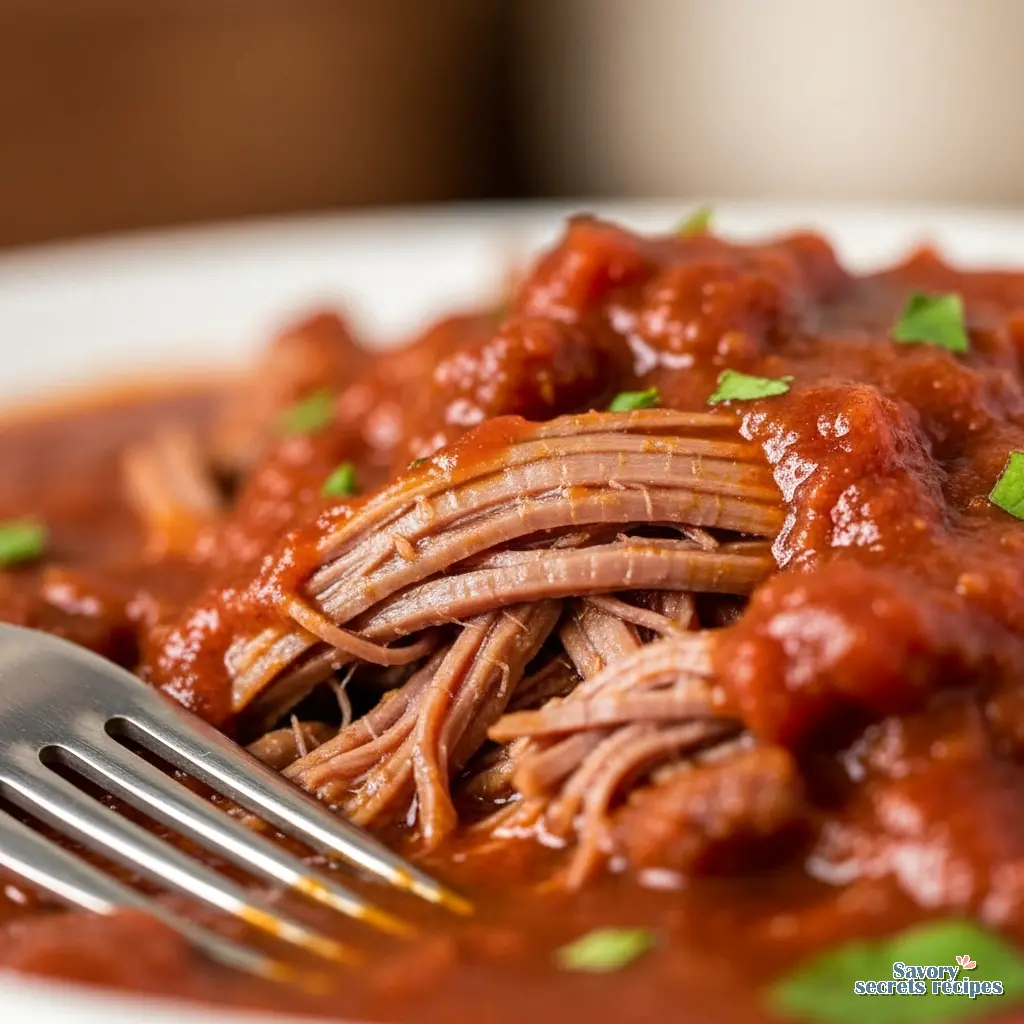
The Science of Chile Paste Frying
Once you have your strained puree, do not just dump it over the meat. You need to fry the chile paste in a little lard or vegetable oil first. Why? Frying the paste in hot oil smooths out the hard edges of flavor. It caramelizes the natural sugars in the chiles. You will see the color deepen slightly. The oil will start to separate just a bit at the edges. Right there. That is when you know it is ready.
Dry roast your onions, garlic cloves, and a bit of jalapeno in a skillet until charred before blending them with the chiles. Keep the garlic moving while roasting so it does not burn and turn bitter. If your sauce still tastes a little bitter after blending, do not panic. The skins of dried chiles carry natural tannins. Balance bitterness from dried chiles with a small amount of agave, honey, or sugar. Just a teaspoon. Taste it now, adjust from there.
Building the Braised Beef Stew
What is the best cut of meat to use? You want beef chuck roast. I like skirt steak for carne asada, but for a long braise, chuck is king. It has the right amount of fat and connective tissue to melt down over a couple of hours. Round steak is too lean. It will just dry out. Cut the chuck into bite-sized pieces and sear them in a heavy Dutch oven. For those who prefer a hands-off approach, using a classic crockpot chili recipe method allows the beef to tenderize slowly throughout the day. While fat is essential here, you can also make a healthy ground turkey chili for a leaner alternative on weeknights.
You want a deep, dark crust on that beef. The Maillard reaction is what builds your savory base. Let the meat sit undisturbed in the hot oil. You’ll know it’s ready when the edges pull back and the meat releases easily from the pan. Then, pour that glorious fried red sauce over the beef. Add some beef stock. Using homemade beef or chicken stock gives a better mouthfeel and controls the sodium. Toss in some Mexican oregano, a bay leaf, and maybe a splash of apple cider vinegar for brightness. Let it simmer low and slow. The meat will eventually collapse with a fork. It reaches a butter-like consistency that requires no knife.
Visual Troubleshooting: Getting Your Sauce Right
Mistake: The sauce is too thin and watery.
Solution: Let it ride. Take the lid off your Dutch oven for the last 30 minutes of cooking. The liquid needs to reduce. If you are in a rush, a cornstarch slurry will thicken it up quickly.
Mistake: The sauce tastes bitter.
Solution: You probably toasted the chiles a few seconds too long, or the garlic burned. Stir in a teaspoon of agave or sugar to balance the harsh tannins.
Mistake: The beef is tough and chewy.
Solution: You haven’t cooked it long enough. Braising takes patience. Put the lid back on and let the heat do the work for another 45 minutes.
Storage and Freezing Your Traditional Chili Colorado Recipe
Here is a tip I use all the time. Make the sauce or the entire dish a day ahead. Letting it sit overnight in the fridge allows the flavors to meld and deepen. It is always better the next day. Honestly, meal prep Sundays are a lifesaver when you are tired from weekday traffic.
If you have leftovers, store them in an airtight container in the refrigerator for up to four days. This traditional chili colorado recipe freezes beautifully. I freeze the sauce in freezer-safe bags. Just lay them flat until solid. It will last for three months. When you are ready to eat, rewarm it slowly on the stove. You can microwave individual portions, but the stove is gentler on the beef. If you prefer modern convenience over the stovetop, a classic instant pot chili is another excellent way to prep your meals for the week.
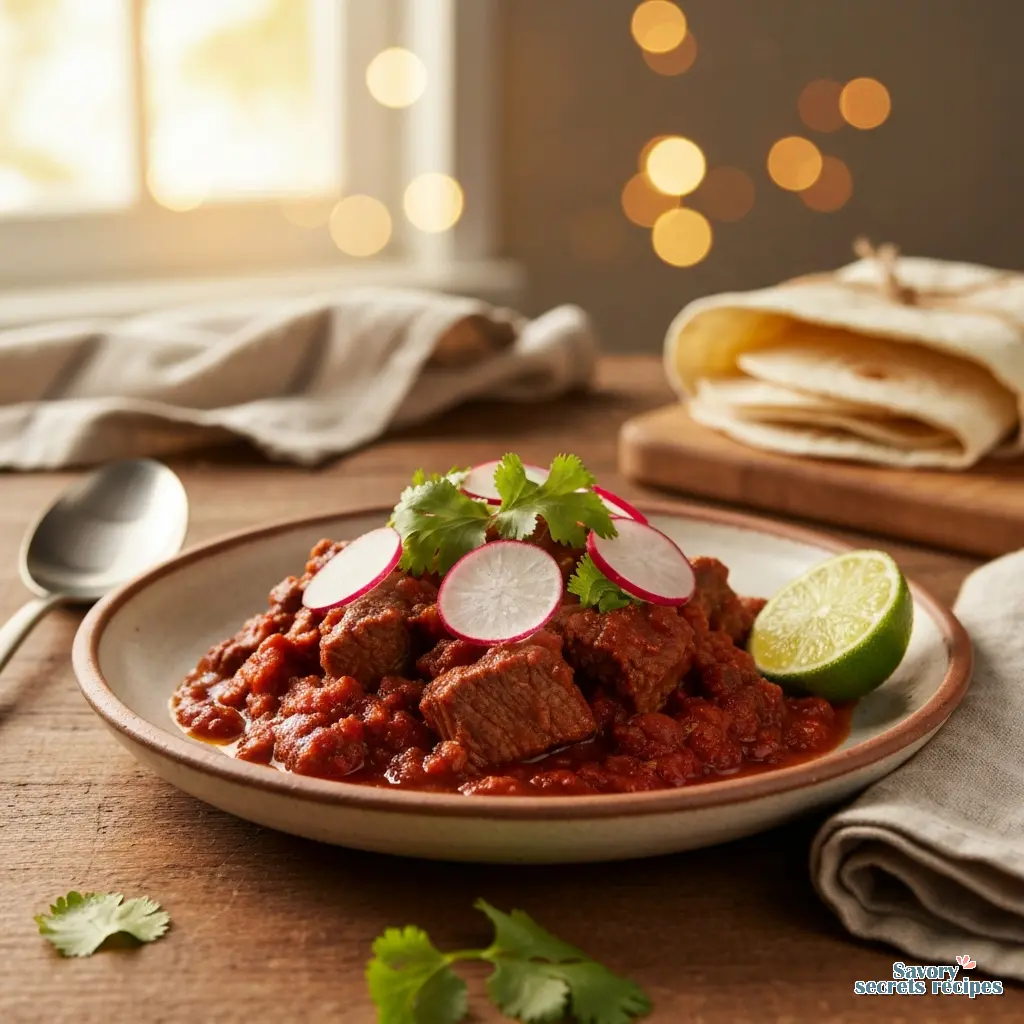
Serving Suggestions for This Classic Red Chili Recipe
You spent the time building this incredible traditional chili colorado recipe. Now you need to serve it right. I always serve it with warm corn tortillas. There is nothing better than a charred tortilla with just butter and salt, eaten standing at the stove while the comal is still hot. But for this dish, you use the tortillas to scoop up that rich sauce.
Serve it alongside fluffy Mexican rice. Top your bowl with a drizzle of Mexican crema, some fresh cilantro, and maybe some sliced radishes for crunch. It is also incredible stuffed inside burritos or enchiladas. I love making migas on Saturday mornings, and sometimes I will spoon leftover chili colorado right over my eggs. Breakfast does not have to be complicated. It just has to be good.
Frequently Asked Questions
Bringing the Taquería Home
Mastering this traditional chili colorado recipe is a milestone. You are taking raw, dried ingredients and turning them into something rich, complex, and deeply comforting. It takes me back to summer trips to Monterrey when my tía would send me to the corner for fresh tortillas. I hope it brings that same kind of warmth to your kitchen. The first bite of beef that requires no knife will make all the blending and straining totally worth it.
Save your leftovers because they are genuinely better tomorrow. If you try this, let me know how your sauce turns out. I share tons of variations and family favorites on my Pinterest boards if you want more ideas for your weekend cooking. Grab some dried chiles on your next grocery run and let the heat do the work.
Reference: Original Source
What gives a traditional chili colorado recipe its signature deep red color and flavor?
The color and flavor come entirely from rehydrating dried chiles, specifically Ancho and Guajillo. We don’t use tomatoes or artificial powders. Toasting the chiles and blending them into a smooth puree creates that authentic, earthy brick-red base. It’s all about the peppers.
How do you properly prepare the sauce for an authentic chili colorado with dried guajillo chiles?
You have to toast the chiles briefly in a dry skillet, then soak them in hot water until soft. Blend them with your roasted aromatics and a little soaking liquid. The most critical step is passing the mixture through a fine mesh strainer to remove the bitter, tough skins.
Is it difficult to learn how to make chili colorado from scratch for beginners?
Not at all. I know dried chiles look intimidating, but the process is actually very forgiving. It’s just toasting, blending, straining, and simmering. Once you get the hang of making the red chile paste, the rest is just letting the beef stew low and slow in a Dutch oven.
How long can you store leftovers of this classic red chili recipe in the freezer?
This traditional chili colorado recipe freezes perfectly for up to three months. I recommend storing it in heavy-duty freezer bags laid flat to save space. When you want to eat it, thaw it overnight in the fridge and rewarm it gently on the stove until the beef is tender again.