



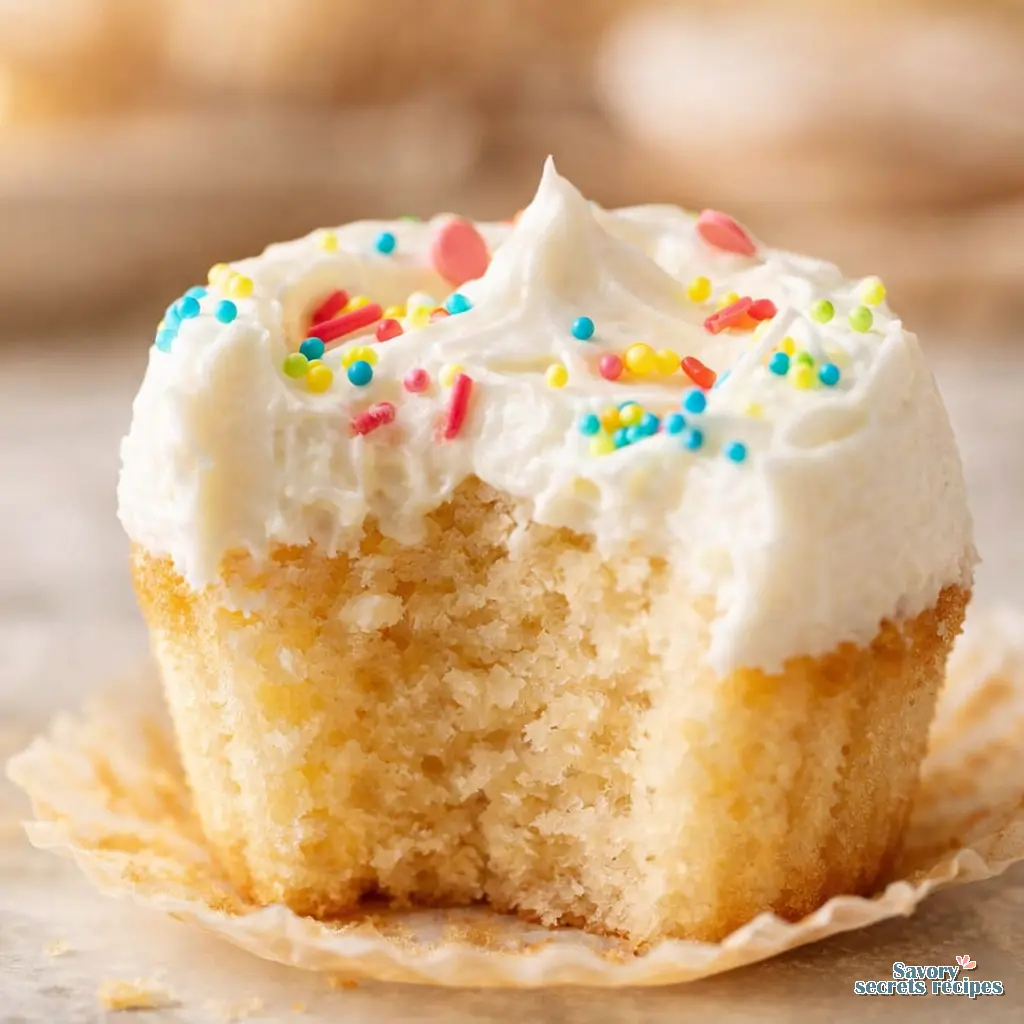
Moist vanilla cupcakes with oil stay soft for days
Ingredients
Method
- Preheat oven to 350°F (175°C) and line a cupcake pan with 16 liners.
- Combine cake flour, baking powder, salt, and sugar in a large mixing bowl.
- Add oil, egg, vanilla extract, sour cream, and milk. Mix until just combined, then beat for 1 to 2 minutes until the batter is smooth and homogenous.
- Fill each liner about ⅔ full (approximately 50g or 1 3/4 oz) with batter. Bake for 15 to 18 minutes or until a toothpick inserted into the center comes out clean.
- Cool cupcakes in the pan for 5 minutes, then transfer them to a wire rack to cool completely.
- Beat softened butter with a paddle attachment until smooth. Gradually add powdered sugar while mixing, then pour in cream, vanilla extract, and salt, beating until light and fluffy.
- Frost cooled cupcakes using a small offset spatula or piping bag and top with sprinkles.
Nutrition
Notes
The One-Bowl Rescue: Easy Vanilla Cupcakes With Oil
Wednesday evening, exactly 45 minutes before I was supposed to drop off a treat for a neighborhood Spring potluck here in Astoria, I realized my butter was still rock solid in the fridge. Panic set in. I know that feeling all too well. My nephew Omar was visiting, pulling at my apron, and I had absolutely zero time to wait for butter to soften. But that moment of panic actually led me to my favorite baking shortcut. Let me walk you through this.
We are making vanilla cupcakes with oil today. Honestly, you might never go back to the traditional butter method once you try this. This recipe is the ultimate weeknight savior. You just need one bowl, a simple wire whisk, and basic pantry staples. No stand mixer required. The texture is incredibly soft. It reminds me of those perfectly uniform bakery cakes, but so much better because you control the ingredients.
My grandmother Lalla Fatima used to make sweets in her small kitchen in Casablanca. She always told me that temperature is doing the heavy lifting in baking. She was right. But sometimes, we just do not have the luxury of time. That is where making vanilla cupcakes with oil saves the day. You get this velvety, plush crumb that stays moist for days. Give it a minute to settle in your mind. Yes, oil makes a better, softer cake. Let’s troubleshoot together and see exactly why this works.
Why Oil vs Butter: The Moisture Science
I know this sounds counterintuitive to everything we learn about French pastry, but substituting oil for butter in cakes is pure food science magic. Butter is only about 80 percent fat. The rest is water and milk solids. When that water bakes out, the cake can dry out quickly. Oil is 100 percent fat. Because it remains liquid at room temperature, your vanilla cupcakes with oil will stay incredibly soft even after three days on the counter.
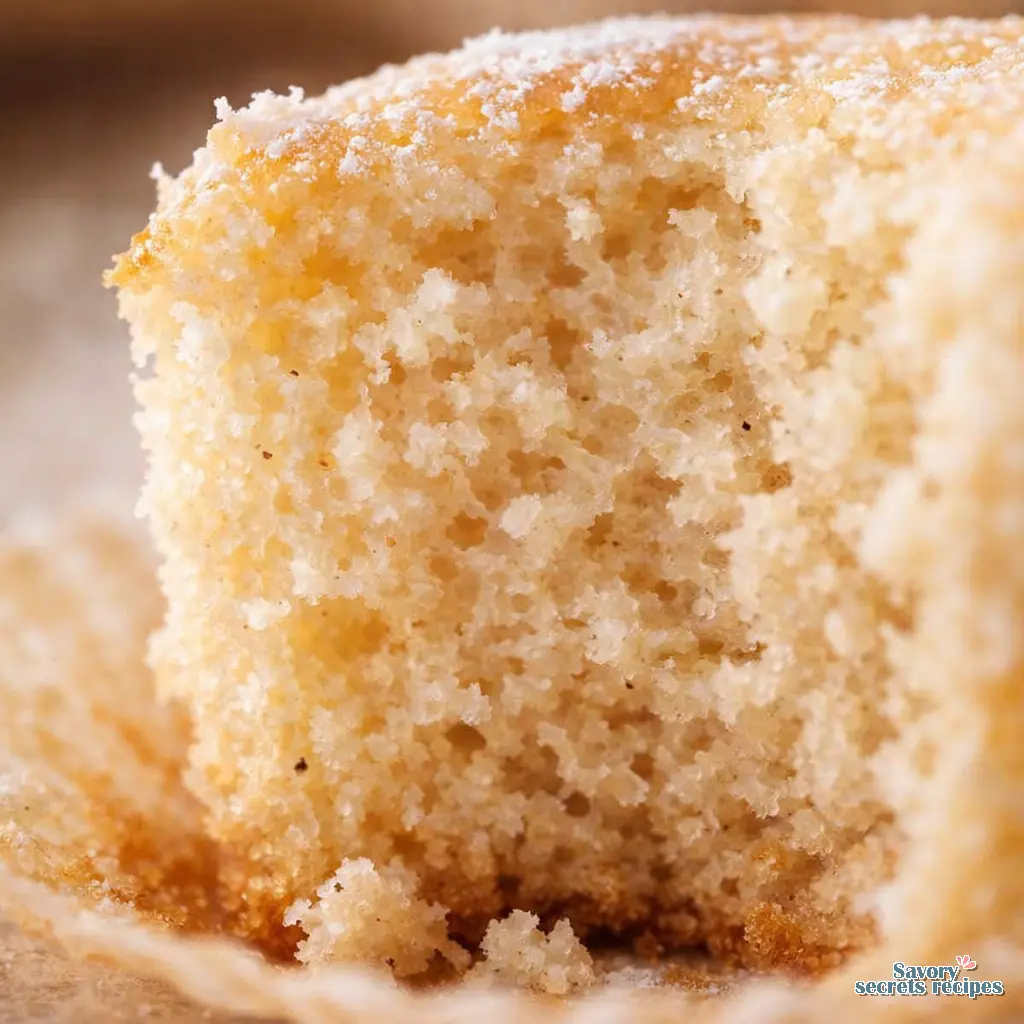
The science of gluten and oil is fascinating. Oil coats the flour proteins much more effectively than solid butter does. This physical barrier prevents gluten from overdeveloping when you mix the wet and dry ingredients. Less gluten means a tender crumb. That texture is exactly what we’re after. You are looking for a cake that bounces back gently when you press the top.
I prefer using a neutral oil for this. Canola oil or standard vegetable oil works beautifully. They have high smoke points and zero flavor interference. I tend to find that olive oil imparts a fruity, heavy flavor that clashes with delicate vanilla bean notes, but test it yourself if you are curious. Avocado oil is another great neutral option if you want to avoid seed oils. Just stay away from anything with a strong personality. We want the pure vanilla flavor to shine.
Your Room Temperature Ingredient Checklist
Here is what I wish someone had told me early on. Even though we are skipping the butter-softening step, your other cold ingredients still need to be at room temperature. This is not being fussy. It is the difference between a smooth, emulsified batter and a dense, gummy cake. I learned this the hard way.
Make sure your large egg, milk, and sour cream sit out for about thirty minutes before you start. If you are in a rush, place the egg in a bowl of warm water for five minutes. Microwave the milk for exactly ten seconds. The sour cream or greek yogurt is crucial here. It provides acidity that tenderizes the gluten and adds a rich tang that balances the sugar.
If you have dairy allergies, you can easily adapt this. Use a flaxseed egg, vegan sour cream, and almond or oat milk. Because we are making vanilla cupcakes with oil instead of dairy butter, this recipe is naturally very flexible for dietary needs.
The “Don’t Overmix” Warning and Mixing Technique
This is the part I love. The mixing process is so simple, but it requires a gentle hand. You will whisk your sugar, oil, and wet ingredients together until they are completely smooth. Then, you sift in your cake flour, baking powder, and salt. Use a kitchen scale for your flour if you have one. If you don’t, use the spoon-and-level method to avoid packing the flour into the cup. Too much flour guarantees a dense cake.
When you combine the wet and dry ingredients, mix just until combined. Stop the moment you no longer see dry streaks of flour. You are looking for that ribbon stage where the batter flows smoothly, but do not beat it aggressively. Overmixing develops the gluten, and that leads to tough cupcakes.
Scrape down the sides of the bowl with a silicone spatula. The batter will seem quite thin. Do not be alarmed by thin batter. It is often intentional for moisture retention. It needs time to hydrate properly in the oven.
Baking, Filling, and High-Altitude Adjustments
Use a cookie scoop for even filling. This ensures consistent baking times across the whole pan. Only fill your cupcake liners two-thirds full. If you overfill them, the batter will spill over the edges and create flat, messy tops. We want beautiful, slightly domed tops.
Always use an oven thermometer to ensure accurate temperature. My oven in Queens runs about fifteen degrees hot, which used to ruin my delicate bakes. Bake them until a toothpick inserted in the center comes out clean or with a few moist crumbs attached.
If you live in a high-altitude area like Denver, or even the higher elevations around Los Angeles, you will need to make a few tweaks. High altitude means lower air pressure, which causes cakes to rise too fast and then collapse. Reduce your baking powder by a quarter teaspoon. Increase your oven temperature by 15°F to set the structure faster. You might also need to add an extra tablespoon of milk to combat the drier air.
Visual Troubleshooting Guide for Vanilla Cupcakes With Oil
Even with an easy recipe, things can occasionally go sideways. I get genuinely excited about troubleshooting because it makes us better bakers. Let’s look at a few common issues.
Common Mistakes & Fixes
Mistake: The cupcakes sank in the middle.
Solution: You likely opened the oven door too early, causing a draft, or your baking powder is expired. Always check your leavening agents, and keep that oven door shut for at least the first 12 minutes.
Mistake: The texture is tough and dense.
Solution: Overmixing is the usual culprit here. Once the flour hits the wet ingredients, whisk gently. You also might have scooped your flour directly with the measuring cup, packing it down. Always use a scale or the spoon-and-level method.
Mistake: The frosting melted right off.
Solution: You frosted them while they were still slightly warm. I know it is tempting to rush, but you must cool cupcakes completely before frosting. Even a hint of residual heat will turn your beautiful buttercream into a puddle.
Storing and Freezing Your Soft Vanilla Cupcakes
One of the biggest advantages of making vanilla cupcakes with oil is their incredible shelf life. Because oil remains liquid at room temperature, these cakes will not dry out the way butter cakes do. They hold onto their moisture retention properties beautifully.
Store unfrosted cupcakes in an airtight container at room temperature for up to two days. If you have already frosted them with a dairy-based buttercream or cream cheese frosting, you must refrigerate them. They will keep in the fridge for three to seven days. However, always allow them to come to room temperature naturally before serving. Cold cake always tastes a bit dense, even when made with oil.
You can absolutely freeze these. I actually recommend freezing them unfrosted. Wrap each cupcake tightly in plastic wrap, then place them in an airtight freezer bag for up to three months. When you are ready for a treat, thaw frozen cupcakes in the fridge overnight or at room temperature for about two hours. They taste just as fresh as the day you baked them.
Frequently Asked Questions
Final Thoughts From My Kitchen
There is nothing quite like the moment when you pull a perfectly domed batch of cakes from the oven. Making vanilla cupcakes with oil is one of those simple baking tricks that yields incredibly professional results. They are so satisfying when they come together, and the easy cleanup is just a bonus. My nephew Omar, who refuses to eat anything with weird textures, devours these because the crumb is so flawlessly even.
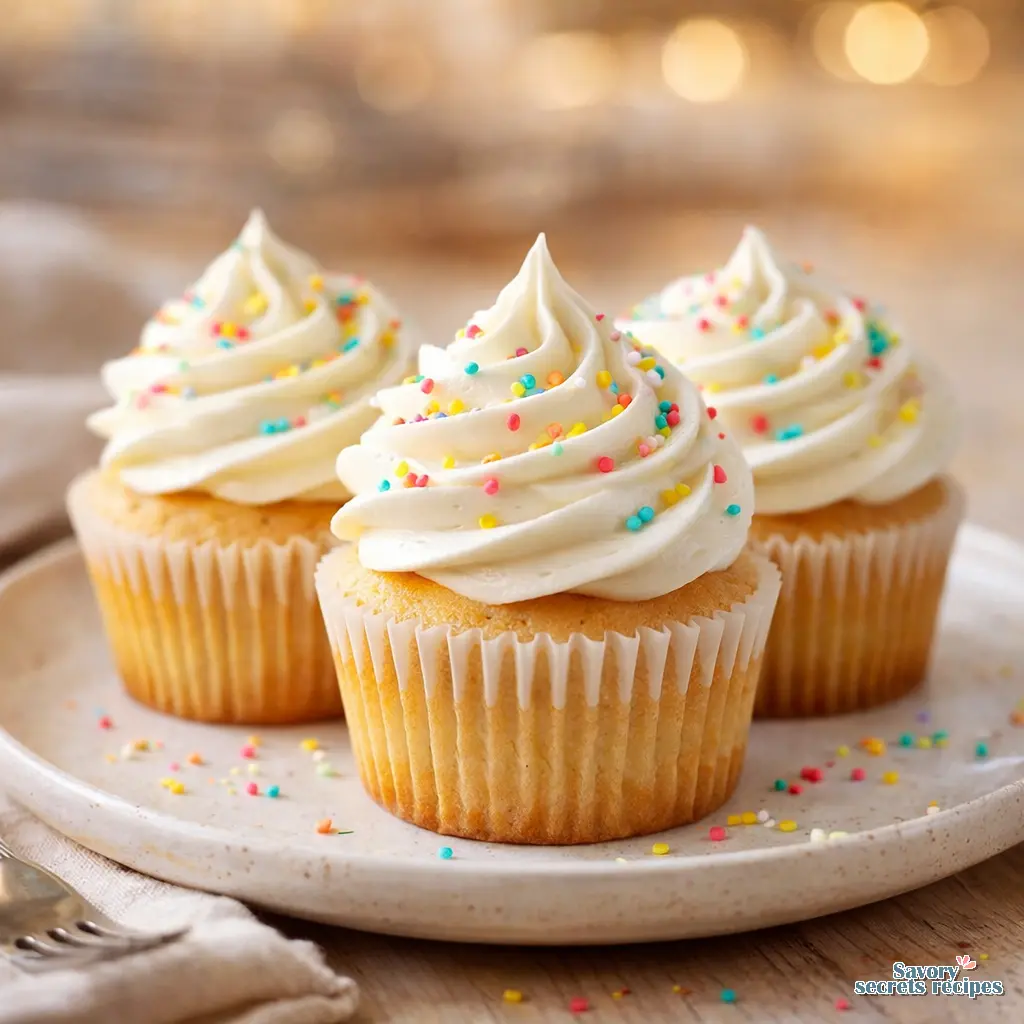
I hope this recipe saves you during your next last-minute baking panic, just like it saved me. Top them with a classic vanilla buttercream, add some fun sprinkles, and enjoy the softest cake you have ever made. For more inspiration and variations on my favorite sweets, check out my Pinterest boards. I am always pinning new ideas.
Reference: Original Source
Why is my batter for these vanilla cupcakes with oil so thin?
Do not panic. A thin batter is completely normal for oil-based cakes. The higher liquid ratio from the milk and oil ensures that your vanilla cupcakes with oil bake up incredibly moist and fluffy. Just pour carefully into your liners.
Can I make this as a cake instead of cupcakes?
You absolutely can. This batter fits perfectly into an 8-inch square pan or a single 9-inch round cake pan. You will need to increase the baking time to about 28 to 32 minutes. Keep an eye on the center.
How do I turn these into chocolate cupcakes?
To make a chocolate version, swap out one-quarter cup of the cake flour for high-quality Dutch-processed cocoa powder. You might also want to add a splash of hot coffee to the batter to really bloom that rich chocolate flavor.
Can I freeze these vanilla cupcakes with oil?
Yes, they freeze beautifully. I recommend freezing them unfrosted. Wrap each cupcake tightly in plastic wrap and store them in a freezer-safe bag for up to three months. Thaw them at room temperature for two hours before you frost them.
Why did my cupcakes turn out dense or tough?
Toughness usually comes from overmixing the batter, which develops the gluten in the flour. It can also happen if you accidentally measured too much flour by scooping directly from the bag. Always whisk gently just until the wet and dry ingredients combine.
Can I use olive oil in this recipe?
I strongly advise against using extra virgin olive oil for these vanilla cupcakes with oil. Olive oil has a very distinct, savory, and fruity flavor that overpowers the delicate vanilla bean taste. Stick to neutral oils like canola, vegetable, or grapeseed.