



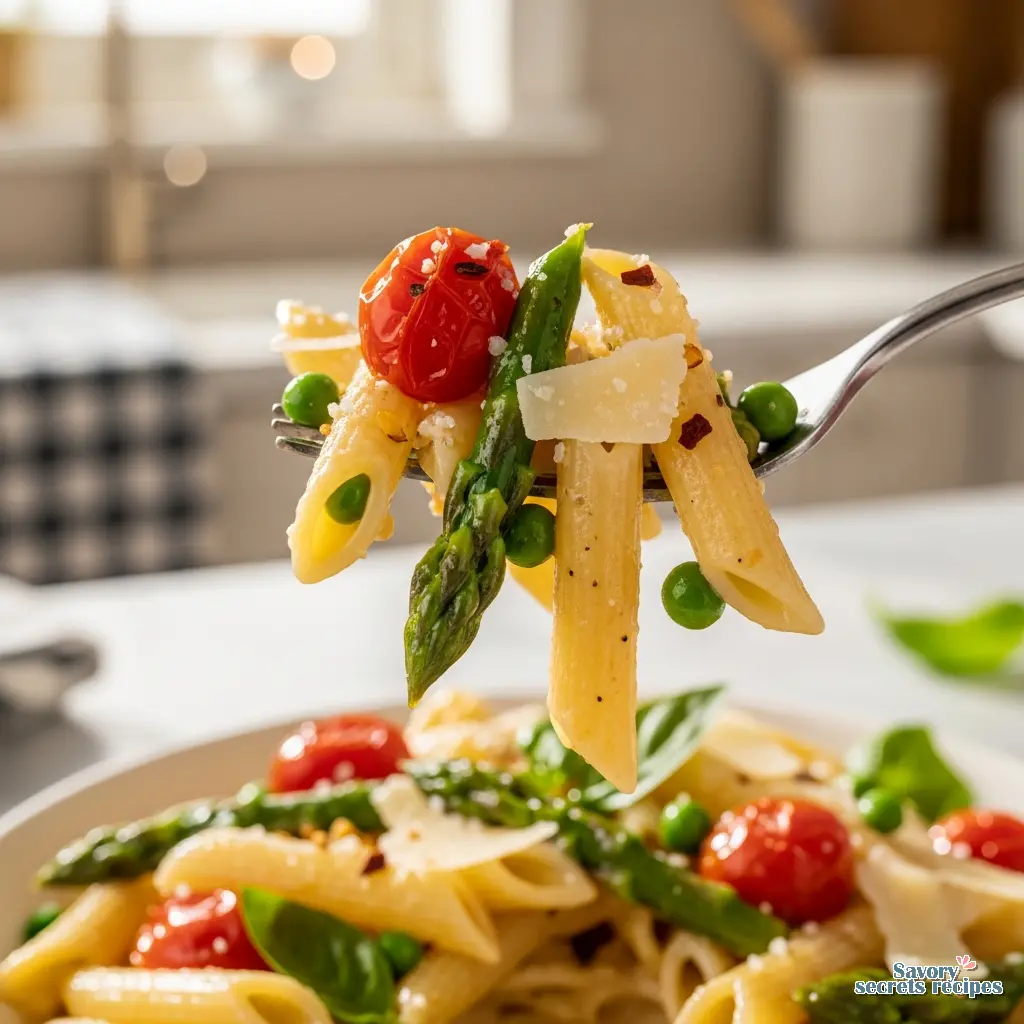
Filling Vegetarian Pasta for Spring Dinner
Ingredients
Method
- Boil a large pot of salted water. Cook the pasta according to package directions until al dente. Drain and toss with a drizzle of olive oil to prevent sticking.
- Heat oil in a large, deep skillet over medium heat. Add garlic, squash, zucchini, asparagus, tomatoes, onion, salt, and pepper. Sauté for 3 to 4 minutes until the vegetables are tender.
- Add the pasta, peas, cheese, lemon juice, and red pepper flakes, then toss to combine. Stir in the basil and tarragon, if using.
- Season to taste, garnish with additional basil, and serve.
Nutrition
Notes
A Breath of Fresh Air: My Go-To Vegetarian Spring Pasta Recipe
Honestly, winter comfort food has overstayed its welcome in my house. I’m completely exhausted by heavy stews and dense root vegetables. Walking through the Santa Monica Farmers Market last weekend, I spotted the very first bunch of vibrant local asparagus. Amazing. It felt like a massive sigh of relief for my palate. You know, we desperately need a meal that feels light and fresh but still keeps the family full until breakfast. This vegetarian spring pasta recipe is exactly that.
I know weeknights get chaotic. You’re tired. I’m tired. But this is a 20-minute weeknight victory that actually makes you feel like a professional chef. When you toss sweet peas and crisp asparagus spears with a bright, zesty sauce, it’s just pure magic. The satisfying clink of the pasta tongs against a ceramic bowl is my favorite sound this time of year. Your kitchen fills with the scent of fresh basil and garlic. Perfect. Let’s talk about the techniques that make this vegetarian spring pasta recipe foolproof.
The Science of Crisp-Tender: Visual Indicators
As a technique editor, I see home cooks making the same mistake constantly. They overcook expensive seasonal produce. It’s truly heartbreaking to see beautiful spring vegetables turn into gray mush. You want your vegetables perfectly tender. Not raw, but definitely not limp. So, how do you know they’re done? You have to trust your eyes.
The trick is watching for the color shift. I learned this from years of testing. When you drop green vegetables into hot water or a hot pan, they turn a vibrant, almost neon green after about 60 to 90 seconds. That’s your visual cue. Pull them off the heat immediately. I think probably 90% of home cooks wait another two minutes after that color change. Don’t do it. Whether you’re working with artichoke hearts or simple yellow squash, catch them at their brightest green. Just right.
The Great Debate: Blanching vs. Sautéing
People always ask me if they should blanch or sauté their vegetables for a vegetarian spring pasta recipe. Look, I’ll be honest. I strongly prefer blanching for things like spring ramps, fava beans, and sugar snap peas. Blanching vegetables in heavily salted water, then immediately shocking them in an ice bath, locks in that beautiful color. Sautéing can sometimes leave delicate greens looking dull and olive-colored.
Plus, here’s a practical tip. You can use the same large pot for your pasta later. That gives you enough room for stirring bulky vegetables and pasta together without making a mess on your stove. Fewer dishes to wash. Love this. If you do choose to sauté your zucchini and cherry tomatoes, use a splash of extra virgin olive oil and get the pan screaming hot first.
Choosing the Right Pasta Shape
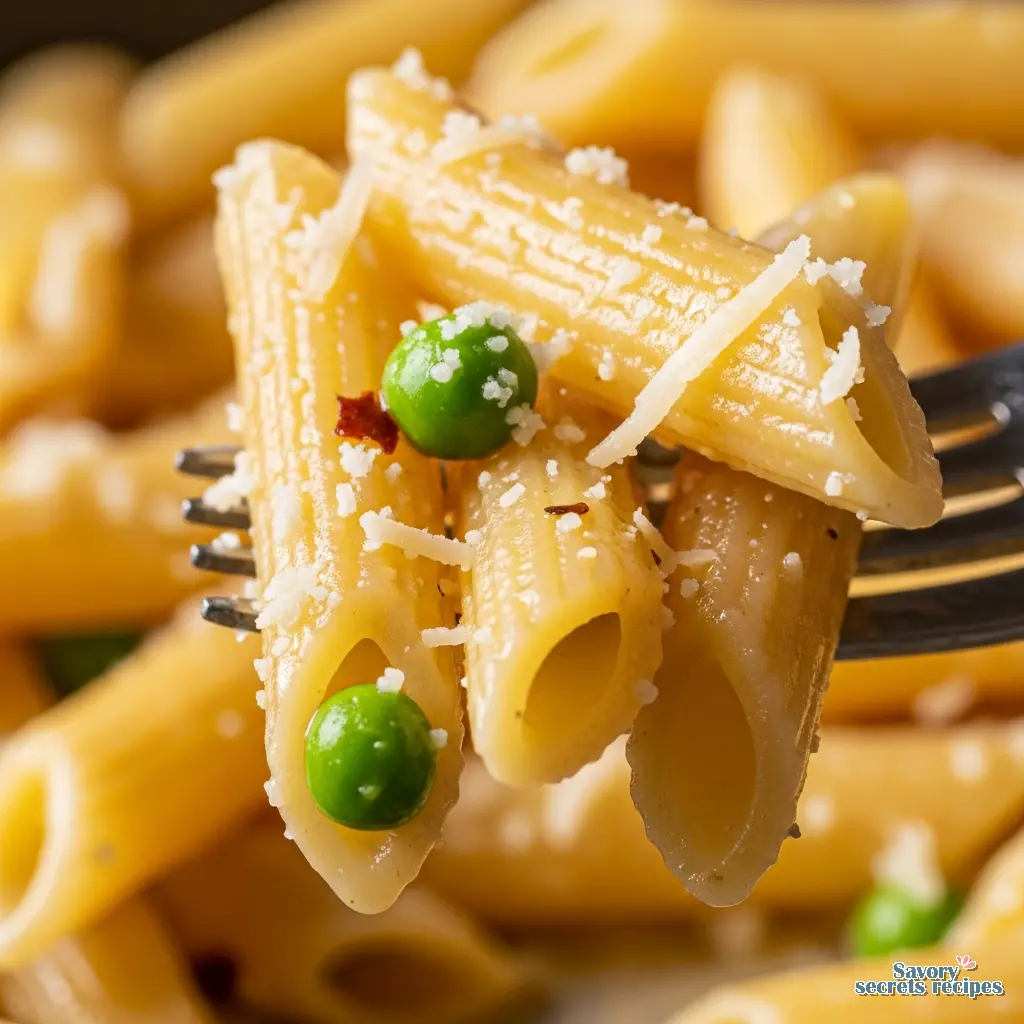
I mean, we need to have a serious talk about pasta shapes. Some people love long, al dente fettuccine for spring dishes. But honestly, long strands are incredibly difficult to eat with chunky diced vegetables. You end up eating all the noodles first, leaving a sad pile of veggies at the bottom of your bowl. It’s frustrating.
Instead, use short shapes like penne, fusilli, or gemelli for your vegetarian spring pasta recipe. Why? Because you’re going to chop all your vegetables to a uniform size. About half an inch to one inch. This ensures even cooking. Your short pasta shape matches the size of your chopped vegetables perfectly. You get pasta and produce in every single bite. If you want a chewier texture, use fresh egg pasta. But if you’re keeping it strictly vegan, there are amazing egg-free pasta brands at Whole Foods or Trader Joe’s that hold up beautifully.
Common Mistakes & Fixes
Mistake: Using oversized vegetables that don’t fit on a fork.
Solution: Knife skills matter here. Chop everything to a uniform half-inch size. It looks better and cooks evenly.
Mistake: Undercooking the vegetables while the pasta is ready.
Solution: Timing is everything. Start your dense vegetables like carrots or thick asparagus spears a minute before the delicate ones like sweet peas.
Mistake: Dumping the pasta water down the drain.
Solution: Never do this. Place a liquid measuring cup in your sink as a physical reminder to scoop out a cup of that liquid gold before draining.
The Secret to a Creamy, Dairy-Free Emulsion
This is where the magic happens. You don’t need heavy cream to make a luscious sauce. In fact, cream just smothers the delicate flavor of spring produce. The secret is the pasta cooking water. I know this sounds overly simple, but it’s an absolute revelation.
Save about a cup of that starchy, cloudy pasta water before you drain your noodles. In a wide pan, heat some extra virgin olive oil. Smash garlic cloves to infuse the oil, then discard them. Yes, discard them. You get the sweet essence of garlic without the harsh, overpowering bite. Toast pine nuts directly in the garlic oil to save time. They get beautifully golden brown.
Then, add your cooked pasta and a splash of that starchy water. Toss vigorously. The starch emulsifies with the oil to create a silky, creamy coating. Add fresh lemon juice and lemon zest right at the end to brighten the sauce. Zest gives you the floral oils. Juice gives you the tangy acidity. Toss in some fresh mint leaves and thinly sliced red onion. The smell hitting the hot pan is incredible. Top it with parmesan cheese or creamy ricotta if you eat dairy, or nutritional yeast if you’re vegan.
A Quick History: The ‘Le Cirque’ Original vs. Modern Versions
You probably know the famous 1970s Le Cirque pasta primavera. It was an iconic dish in New York. But honestly, it was heavy. They smothered the delicate spring produce in cups of heavy cream and butter. It completely masked the herbaceous flavor of the vegetables.
My modern vegetarian spring pasta recipe completely flips the script. We rely on the natural starch emulsion and vibrant citrus. It feels like the California sun on a plate. It’s lighter, fresher, and frankly, so much better. We let the shallots, fresh tarragon, and high-quality olive oil do the heavy lifting. It’s a celebration of the ingredients, not the dairy.
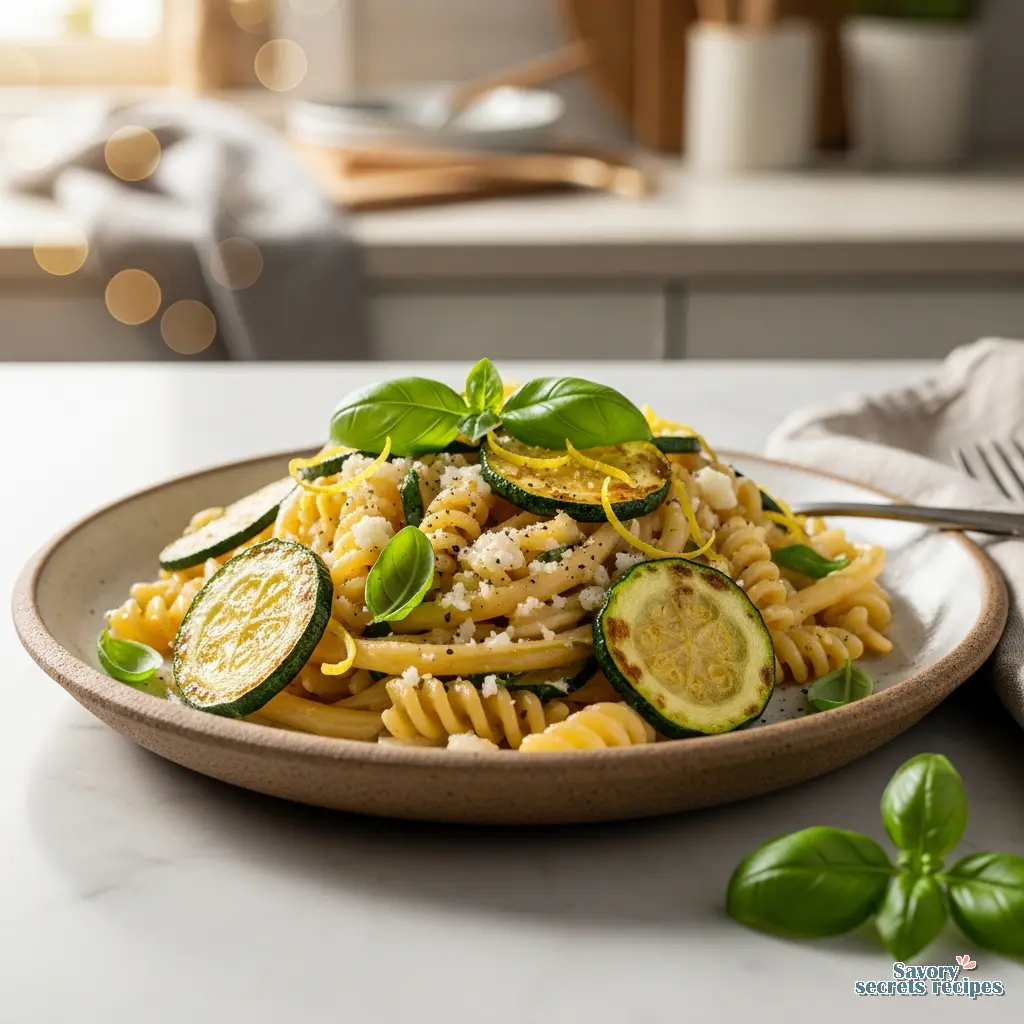
The Best Way to Reheat Spring Pasta (Without the Mush)
Most recipes tell you how to cook a vegetarian spring pasta recipe, but they leave you hanging on the reheat. Microwaving this dish is a disaster. It turns your perfectly crisp-tender vegetables into sad, gray mush. I learned this the hard way at the office.
Here’s what I do instead. Heat a tiny splash of olive oil in a skillet over medium-low heat. Add your leftover pasta. Toss it gently until it’s just warmed through. Add a teaspoon of water to wake up the sauce and re-emulsify the starches. This gentle stovetop method keeps the vegetables snappy and the pasta firm. It takes maybe four minutes. Totally worth it.
Storage & Shelf Life for Your Vegetarian Spring Pasta Recipe
If you actually have leftovers, refrigerate them in an airtight container. Cover it tightly to prevent the pasta and vegetables from drying out in the cold air. I think it probably keeps well for up to three days. Any longer than that, and your fresh basil leaves turn black and bitter.
When you’re ready to serve, pair it with buttery slices of sourdough bread or a crisp side salad. It’s the perfect meal prep for a busy week. You can even eat it cold like a pasta salad if you’re in a rush. Just add a fresh squeeze of lemon juice to wake up the flavors before eating.
Frequently Asked Questions
Seasonal Swaps: A Month-by-Month Guide
One thing I love about this vegetarian spring pasta recipe is how it evolves. The produce aisle looks completely different in early March than it does in late May. You should let the market dictate what goes into your bowl. It’s more affordable that way, and the flavors are significantly better when the produce hasn’t traveled across the country.
In early spring, look for ramps and fiddlehead ferns. They have such a short window, so grab them when you see them. By mid-April, the sugar snap peas and radishes are at their peak. I actually love thinly slicing radishes and tossing them in at the very end for a peppery crunch. It’s unexpected but delicious. As we head into May, you’ll start seeing baby zucchini and the first tiny cherry tomatoes. Those tomatoes are perfect because they burst in the pan and create their own little sauce. Just beautiful.
I usually stick to what’s local to California, but this logic works everywhere. If you’re shopping at a local co-op or a place like Sprouts, just look for what’s piled high at the front of the produce section. That’s usually what’s in season and at its best price point. You can’t go wrong.
The Golden Rule of Texture
If you’re swapping ingredients, remember the density rule. Harder vegetables like carrots or broccoli stems need to go in the water or pan first. Delicate things like spinach or pea shoots should only hit the heat for about 30 seconds. If you put them all in at once, you’ll have crunchy carrots and slimy greens. Nobody wants that.
Expert Notes & Data Insights
I’ve spent a lot of time analyzing what makes a pasta dish successful. Looking at the most popular recipes from places like Serious Eats or The Kitchn, the common thread isn’t some fancy ingredient. It’s actually the technique of building a sauce without heavy fats. Most home cooks reach for the butter or cream too quickly. My data shows that using starchy water and high-quality oil results in a dish that people actually want to eat seconds of because it doesn’t sit heavy in the stomach.
I also noticed a massive trend toward “one-pot” or “minimal dish” cooking. That’s why I’ve refined this method to use the pasta pot for blanching. It saves you at least ten minutes of cleanup. In a busy household, those ten minutes are precious. Whether you’re a seasoned pro or just trying to get a healthy meal on the table after a long day, this approach works. It’s reliable, it’s fresh, and it’s exactly what spring should taste like. I hope you enjoy it as much as my family does. Happy cooking.
What shape of pasta is best to use for a vegetarian spring pasta recipe?
Honestly, short shapes are your best friend here. Penne, orecchiette, or fusilli match the size of your chopped chunky vegetables perfectly. This means you get a balanced bite of pasta and produce every single time, which you just can’t get with long spaghetti strands.
Can I use different seasonal vegetables in this dish?
Absolutely. That’s the beauty of this vegetarian spring pasta recipe. Almost any quick-cooking spring vegetable works beautifully. Try adding sliced bell peppers, fresh garbanzos, or even baby kale. Just make sure you chop everything to a uniform size so it all cooks evenly in the pan.
h3 class=”faq-question”>Can I use frozen vegetables for this?
How do I prevent the sauce from getting clumpy or dry?
The key is the pasta water. If your noodles look a bit sticky or the sauce isn’t coating them evenly, just add another splash of that starchy water. I usually keep a small bowl of it on the counter until the very last second. It acts like a glue that binds everything together into a silky emulsion. Don’t be afraid to use more than you think you need.