



Soft Eggless Marble Cake Recipe. Moist and Fluffy.
Ingredients
Method
- Preheat the oven to 170°C (340°F) using top and bottom heat.
- Thoroughly mix the dry ingredients—flour, starch, powdered sugar, baking powder, vanilla, and salt—in a mixing bowl.
- Add the milk, vinegar, and oil, mixing only until combined, then briefly stir in the sparkling water.
- Grease a Bundt pan and dust it with breadcrumbs or flour to prevent the cake from sticking.
- Pour approximately two-thirds of the batter (about 700 grams) into the prepared pan.
- Stir the cocoa powder and vegan milk into the remaining third of the batter and pour it into the pan.
- Tap the pan on the work surface to allow any air bubbles to escape.
- Bake the cake on the second rack from the bottom for approximately 50 minutes.
- Check for doneness by inserting a wooden skewer; the cake is finished if the skewer comes out clean.
- Turn off the oven, open the door, and let the cake cool in the pan for 10 minutes before inverting it onto a large, flat plate to cool completely.
- Dust the cake with powdered sugar through a fine sieve before serving.
Nutrition
Notes
- Meine Gugelhupfform hat einen Durchmesser von ca. 20,5 cm. Für eine Gugelhupfform mit 22 cm Durchmesser benötigst du in etwa die 1,2-fache Menge an Zutaten bzw. für 24 cm die 1,5-fache Menge. Meine Rezeptkarte rechnet dir die Menge hoch wenn du 1.2 oder 1.5 mit Punkt statt Komma eingibst.
- Im Video füge ich zuerst einen Teil des hellen Teigs hinein, dann den dunklen, dann den restlichen hellen. Ich habe es danach so probiert alles auf einmal hinzuzufügen, also den gesamten hellen und dann den gesamten dunklen Teig darauf, und das funktioniert genauso gut. Man spart sich dabei eine Schüssel.
- Den abgekühlten Marmorgugelhupf am besten bei Zimmertemperatur in einer luftdichten Kuchenbox, gut abgedeckt mit Frischhaltefolie oder in einem Sackerl aufbewahren, damit er saftig bleibt und nicht austrocknet.
The Best of Both Worlds: An Eggless Marble Cake Recipe That Actually Works
Sometimes I test recipes after bedtime, and my daughter comes downstairs saying the smell woke her up. We split whatever is cooling on the rack, and she gives me her honest assessment. Last month, she told me my ghraybeh needed more powdered sugar. She was right. But last night, she took one bite of this eggless marble cake recipe, closed her eyes, and asked for a second slice. That is the highest praise I can get.
I know the struggle of allergy friendly baking. You want that soft cake texture, but you end up with something gummy or flat. I’ve been there. I have a notebook where I’ve logged every single batch failure since 2019. The disappointment of a dense, heavy slice is real. But I promise you, this fluffy texture will make you forget eggs were ever an option.
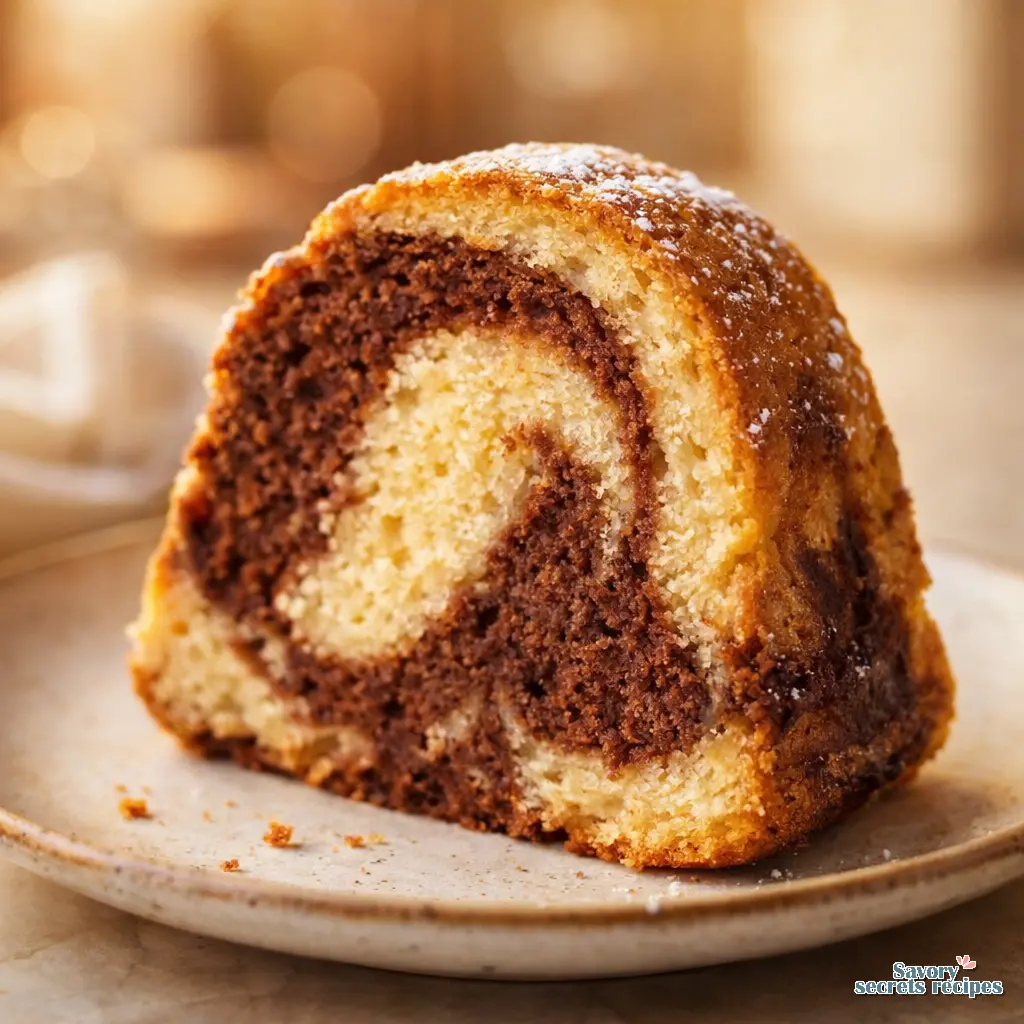
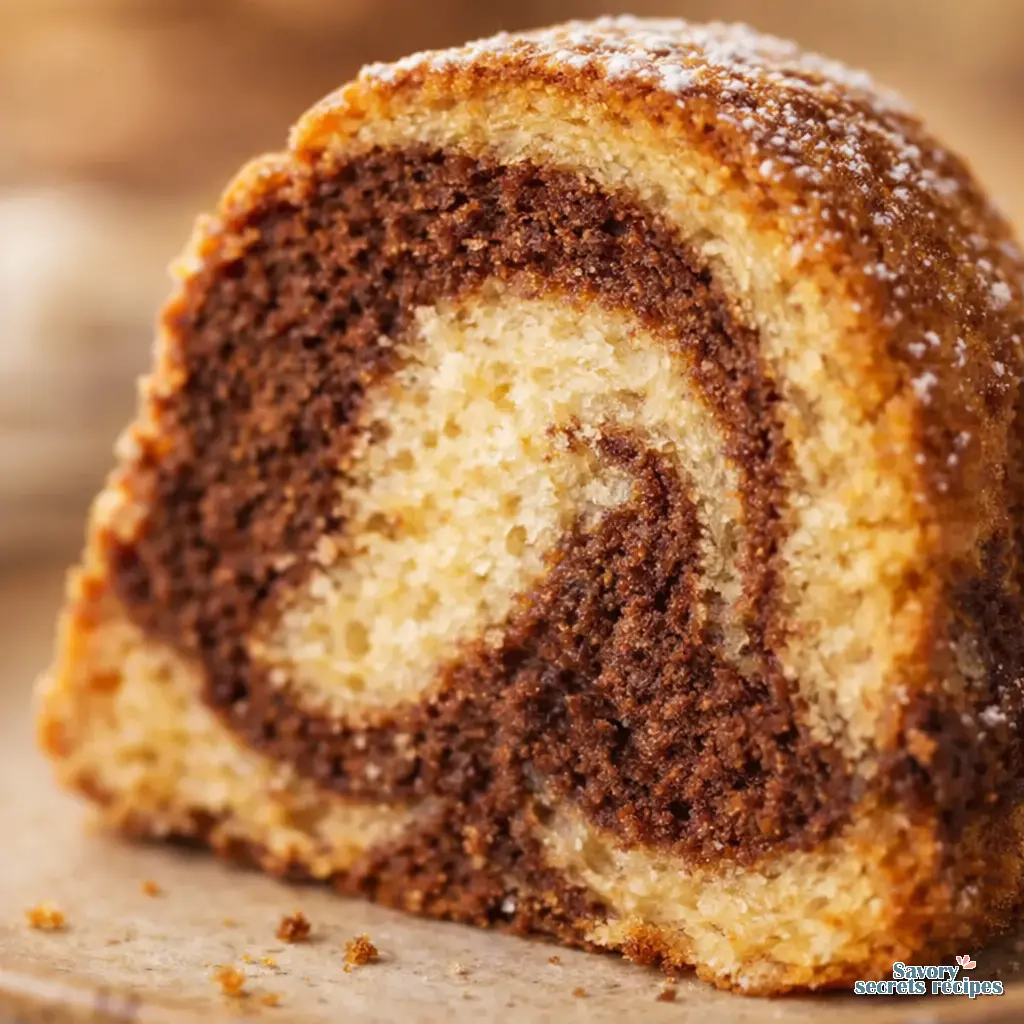
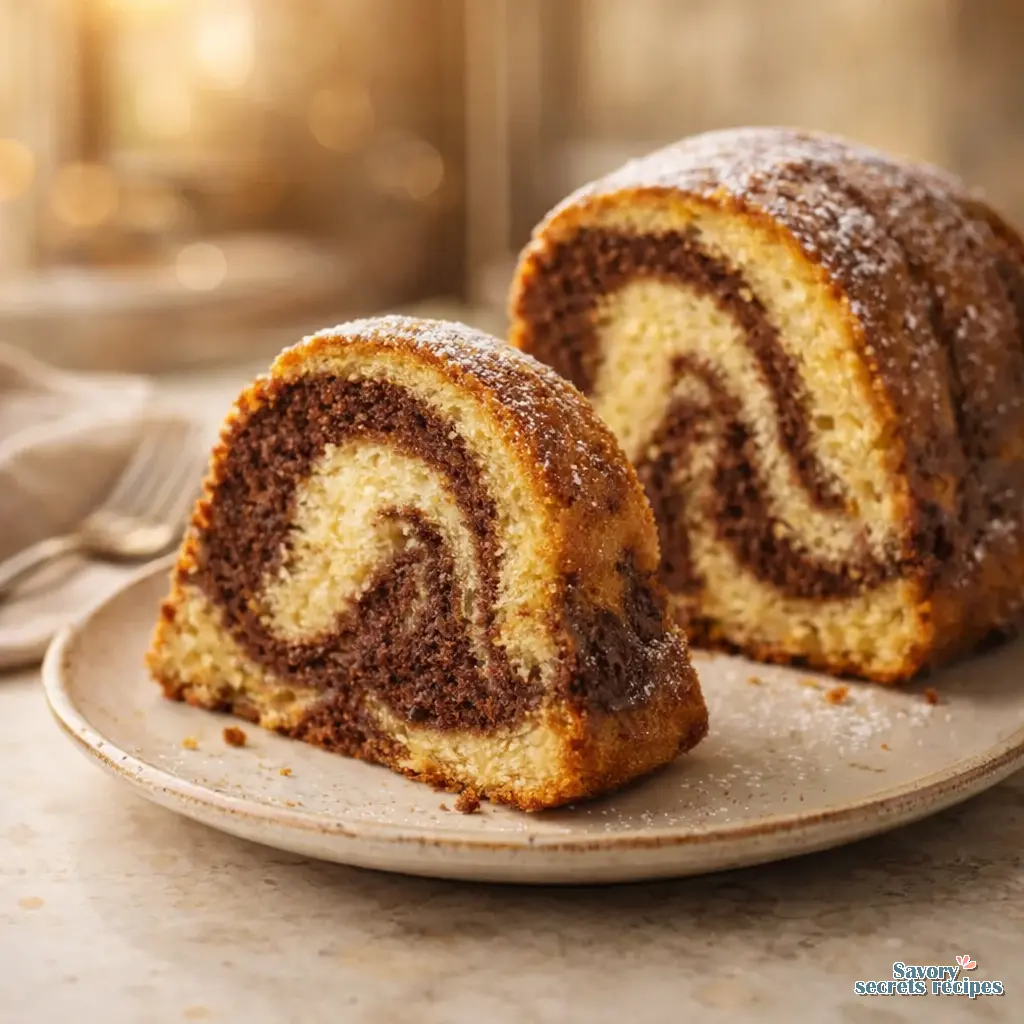
This is exactly the texture we’re after. A distinct swirl pattern, a moist crumb, and a springy bite that bounces right back when you press it. It looks fancy, but the ingredients are probably sitting in your pantry right now in Jersey City, Los Angeles, or wherever you’re baking from. Let’s get that oven preheating.
The Secret to Soft Eggless Texture
I need to test that assumption every time someone tells me you need eggs for structure. You really don’t. The science of the rise here is actually quite beautiful. We are relying on an acid-base reaction.
When you mix your baking soda with apple cider vinegar (or even greek yogurt), it creates an immediate fizz. That fizz translates to carbon dioxide bubbles trapped in your all purpose flour matrix. This is where most recipes skip the detail. You need that reaction to happen right before it goes into the oven. Bake the batter immediately once it is ready. Don’t let it sit on the counter.
Let me think through this for a second. The fat matters too. I prefer using vegetable oil instead of butter for this specific eggless marble cake recipe. Oil coats the flour proteins differently than butter, preventing gluten formation. That means a softer, more tender crumb that stays moist for days. Plus, using natural cocoa powder (not Dutch-process) adds extra acidity to help the cake rise. Your hands know before your eyes do when the batter feels right, but a kitchen scale is your best friend here. Always weigh your flour for accuracy. Volume measurements are just too variable.
Pro-Tips for the Perfect Swirl Pattern
This is the detail that changes everything. Getting a beautiful marble cake eggless design isn’t just about dumping two batters together. You need intention. The batter should be thick so colors don’t bleed together into a muddy brown.
Here’s what I’m noticing after testing dozens of variations. You need to alternate layers of batter to ensure a distinct marble design. Start with vanilla, add dollops of chocolate, then more vanilla. Then, use a wooden skewer or a butter knife for figure-eight motions to create swirls. Don’t overdo it. Three or four passes are enough. Over-swirling is the enemy of a sharp pattern.
3 Ways to Swirl Your Cake
I’m still working out the best approach for every pan shape, but here are three foolproof methods:
The Checkerboard Drop: Drop alternating spoonfuls of vanilla and chocolate batter next to each other, like a checkerboard. Tap the pan, then drag a skewer through the center of each dollop.
The Layered Wave: Pour half the vanilla, all the chocolate, then the rest of the vanilla. Drag your skewer deep to the bottom and pull up in a wave motion.
The Zebra Stripe: Pour a puddle of vanilla in the center, then a smaller puddle of chocolate directly in the middle of the vanilla. Repeat until all batter is used. No swirling needed.
Ingredient Substitutions for Your Vegetarian Marble Cake
I’ve seen this go both ways, but you absolutely can adapt this recipe for different dietary needs. A vegetarian marble cake is easy, but making it dairy-free or vegan takes a slight adjustment.
If you don’t want to use the vinegar and baking soda method, an eggless marble cake with yogurt is fantastic. Use a quarter cup of greek yogurt (or regular curd) as your egg substitute. It adds incredible moisture. Just remember that greek yogurt is thicker, so you might need a splash more milk to get the right batter consistency.
For a fully dairy-free version, swap the regular milk for oat milk or soy milk. Almond milk works, but oat milk has a higher protein content that mimics dairy better in baking. If you are using condensed milk as a sweetener and egg replacer, keep an eye on your sugar levels so the cake doesn’t become overly sweet. Add a good splash of vanilla essence to bridge the flavors.
Visual Troubleshooting Guide
Mistake: The cake sinks in the middle.
Solution: You likely opened the oven door too early. Don’t open the oven door until the minimum baking time has passed. The structure of an eggless chocolate vanilla cake is fragile until fully set.
Mistake: The cake is dense and tough.
Solution: Overmixing the batter is the culprit. Once the wet meets the dry, mix just until you don’t see dry flour. Lumps are fine. Overmixing develops gluten, which we don’t want here.
Mistake: The cake crumbles when I cut it.
Solution: You sliced it while it was still warm. Cool the cake completely before slicing to prevent crumbling. Eggless bakes need time for the starches to set up fully.
Make-Ahead & Meal Prep: Freezing for School Snacks
My daughter insists on taking a slice to school every Friday. This means I need a soft eggless marble cake recipe that survives the freezer. The good news? This cake freezes beautifully.
I bake a loaf on Sunday, let it cool completely, and slice it. I wrap each slice individually in plastic wrap, then place them all in a large Ziploc bag. They last up to two months this way. You can just pull a slice out in the morning, and it’s perfectly thawed by lunch. It’s a lifesaver for busy mornings when you need a quick, allergy friendly snack.
Storage & Freezing Guide for Your Soft Eggless Marble Cake Recipe
Temperature matters more than time here, even after the bake. If you want to keep that moist crumb, you have to store it correctly. I prefer keeping it at room temperature in an airtight container for the first three days. The fridge tends to dry out cakes, but if your kitchen is very warm, the refrigerator will keep it safe for up to five days.
If you’re freezing a whole loaf instead of slices, wrap it tightly in two layers of plastic wrap, followed by a layer of aluminum foil. When you’re ready to eat it, thaw the frozen cake overnight in the refrigerator and bring it to room temperature before serving. A quick ten seconds in the microwave makes a day-old slice taste like it just came out of the oven.
Frequently Asked Questions
Final Thoughts From My Kitchen
There’s nothing better than watching a cake rise perfectly, especially when you’ve removed the eggs and defied standard baking logic. I love the problem-solving aspect of baking. Every failed batch is just data, and eventually, the data tells you exactly what needs to change. Now you have all the data you need to make this incredible dessert.
I hope this eggless marble cake recipe brings as much joy to your kitchen as it does to mine. Whether you’re baking for a school event, a friend with allergies, or just a Tuesday night craving, you’ve got this. Serve it with a cup of hot tea, and enjoy that beautiful swirl.
For more inspiration, check out my Pinterest boards where I save all my favorite allergy friendly bakes.
Reference: Original Source
Can I make this eggless marble cake recipe in a Bundt pan instead of a loaf pan?
Yes, you absolutely can. Most recipes are interchangeable. Just ensure your pan has at least a 10-cup capacity. You’ll need to adjust the bake time (usually a bit longer) and grease the pan thoroughly, especially into all those decorative crevices, so it doesn’t stick.
Can I use oil instead of butter in this soft eggless marble cake recipe?
I actually prefer vegetable oil. Oil coats the flour proteins and prevents gluten development, giving you a much softer, springier texture than butter. If you do use butter for flavor, make sure it’s unsalted, or omit the extra pinch of salt in the batter.
Can I skip the coffee or espresso in the chocolate batter?
You can skip it, but I highly recommend keeping it. A tiny pinch of instant espresso doesn’t make the cake taste like coffee. It simply deepens and enhances the cocoa powder, making the chocolate flavor much richer and more complex.
How do I make marble cake without eggs and still get a good rise?
The secret is the acid-base reaction. We use baking soda paired with an acid like apple cider vinegar or natural cocoa powder. When they mix, they create carbon dioxide bubbles that lift the batter. Just make sure you preheat the oven for at least 15 minutes first.
How do I create the marble swirl pattern without making a mess?
Keep your batter thick. Alternate scoops of vanilla and chocolate batter in your pan. Then, take a wooden skewer and gently run it through the batter in a figure-eight motion. Stop after three or four passes to prevent the colors from bleeding together.
Why did my eggless cake turn out dense and heavy?
This is usually due to overmixing or inaccurate measurements. If you don’t use a kitchen scale to weigh your flour, you might add too much. Also, once the wet ingredients hit the dry, mix gently. Overmixing develops tough gluten strands.
Can I make this an eggless marble cake with yogurt to be dairy free?
Yes, you can use a plant-based greek yogurt or regular non-dairy yogurt. Pair it with oat milk or soy milk instead of regular milk. Plant-based milks work wonderfully and keep the crumb incredibly moist while remaining completely dairy free.
How do I get my cake out of the Bundt pan without it sticking?
Grease the pan heavily with shortening or butter, then dust it evenly with flour, tapping out the excess. Let the baked cake cool in the pan for exactly 10 to 15 minutes before inverting it. If you try to remove it while lava-hot, it will tear.