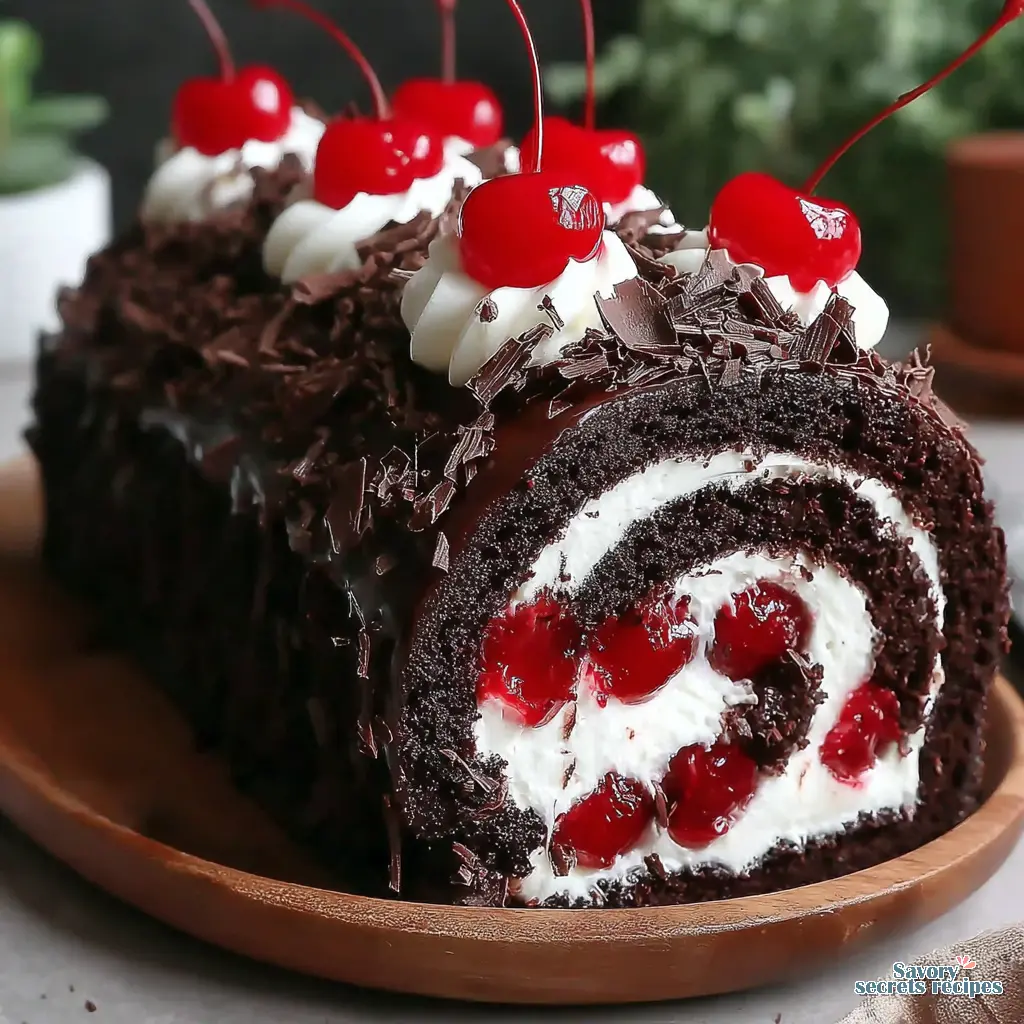




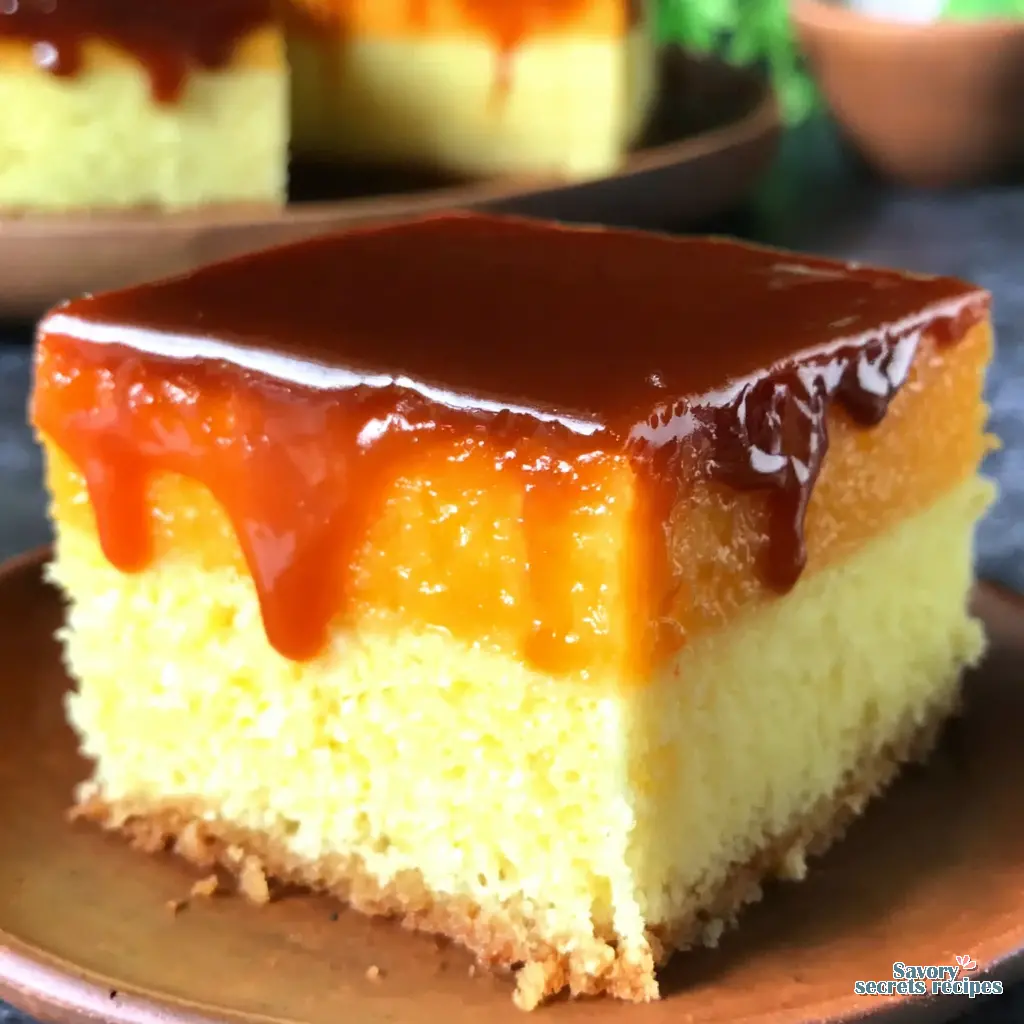
Magic Caramel Custard Cake Recipe
Ingredients
Method
- Add castor sugar to a saucepan over medium heat and allow it to melt, stirring every 20 seconds for even consistency. Carefully stir in water once melted and boil for 3 to 4 minutes until the mixture is slightly thickened and smooth. Turn off the heat, pour the caramel into an 8-inch baking dish, and tilt the dish to coat the bottom evenly. Chill in the refrigerator until ready to use.
- Combine eggs, condensed milk, cream, vanilla essence, and milk in a bowl. Beat the ingredients thoroughly until the mixture is smooth and creamy, then set aside.
- Whisk egg yolks, sugar, and vanilla essence in a bowl until the mixture turns light in color. Add the milk and oil while continuing to whisk. Sieve the flour, baking powder, baking soda, and salt into the bowl and whisk until the batter is completely smooth and free of lumps.
- Beat egg whites with sugar in a separate bowl until stiff peaks form, then gently fold the meringue into the flour mixture without overmixing. Remove the chilled caramel dish from the fridge and strain the custard batter into it through a sieve. Run a toothpick through the custard to remove air bubbles, then carefully pour the cake batter on top and repeat the toothpick process to eliminate any remaining bubbles.
- Place the baking dish inside a larger pan filled with 1 inch of hot water to create a water bath. Bake in a preheated oven at 170°C for 85 to 90 minutes until the cake feels firm; do not use a skewer to test for doneness. Remove from the oven and rest at room temperature for 20 minutes. Carefully invert the dish onto a plate, tapping gently to release the cake, and refrigerate for 2 hours before serving.
Nutrition
Notes
The Magic of Caramel Custard Cake
I’m not gonna lie, the first time I tried making a caramel custard cake, I stared at my oven window for twenty minutes straight. People call it an impossible cake or a magic cake for a very good reason. You literally pour the batters into the pan in one order, and they completely flip places while baking. It feels like a parlor trick, but it’s actually just brilliant baking.
This recipe always reminds me of those Sunday pot roasts at Grandma Jean’s house. The whole place smelled like comfort, and you just knew everything was going to be okay. This dessert brings that exact same energy to your kitchen. The aroma of vanilla bean and caramelized sugar fills the house, making everyone wander in asking what smells so good.
Right now, spring is just starting to peek through here in LA. The strawberries at the Santa Monica Farmers Market are finally getting sweet, and the weather is hitting that perfect mild spot. A chilled, silky caramel custard cake is exactly what I want to serve. It looks like a fancy bakery showstopper, but at the end of the day, it’s just simple ingredients doing really cool things. I’ll walk you through exactly how to pull off this magic trick.
Essential Ingredients and Easy Substitutions
Here’s the thing about this recipe. You don’t need a million fancy components. The custard layer leans heavily on evaporated milk and condensed milk, which gives it that authentic Filipino dessert or Latin dessert richness. It’s essentially a classic leche flan baked right on top of a sponge cake.
You absolutely must use room-temperature eggs for the best baking results. I know it’s annoying to wait for them to warm up, but cold eggs will completely mess with the airy lift of your chiffon sponge cake. If you’re in a rush, just place the whole eggs in a bowl of warm water for ten minutes. Problem solved.
If you don’t have specialized cake flour in your pantry, please don’t run to the store. Use what you’ve got. You can easily make homemade cake flour. Just measure one cup of all-purpose flour, remove two tablespoons of it, and replace those with two tablespoons of cornstarch. Sift it together a few times. Good enough is good enough, and nobody’s grading this.
Mastering the Three Layers (Dessert Science Explained)
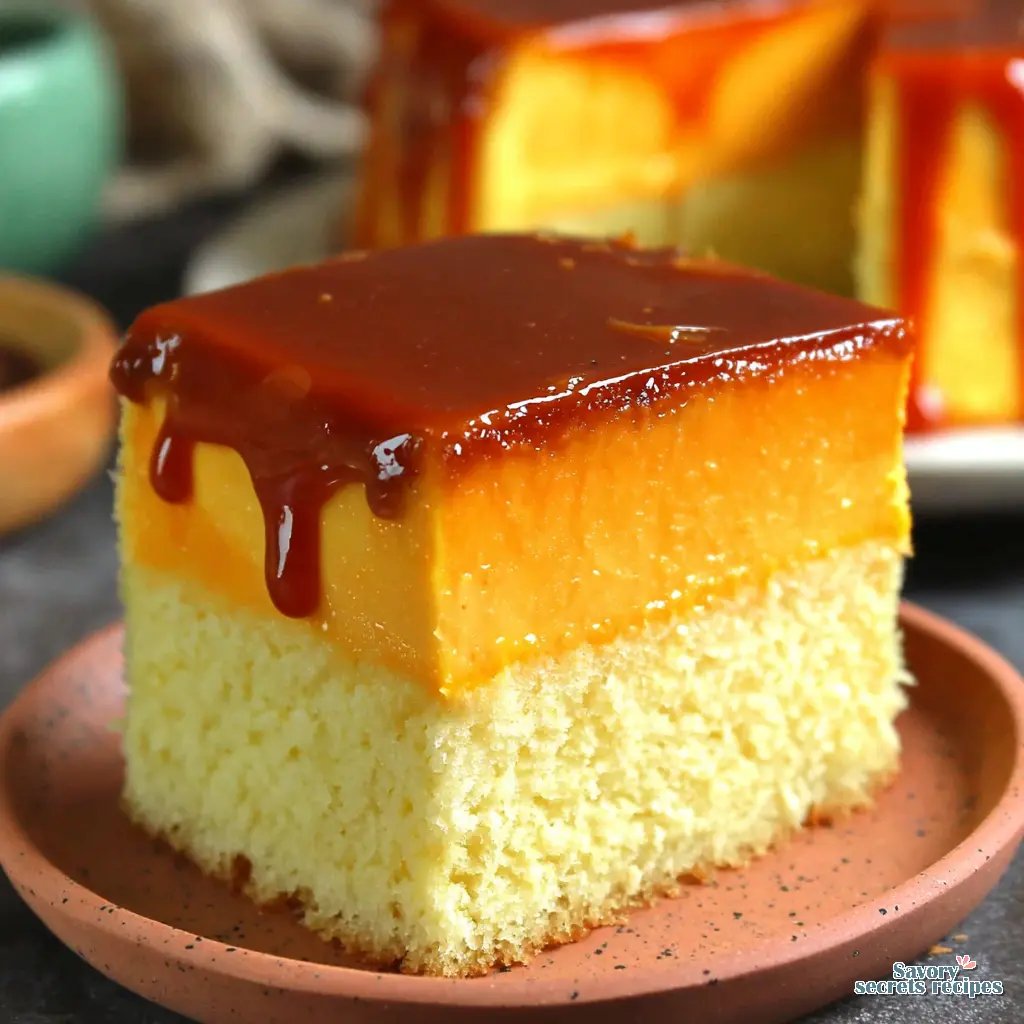
I think this works best when you understand exactly why the layers swap places. It all comes down to dessert science and specific density. When you build this cake in your bundt pan, you start with the dark caramel, then pour in the heavy custard mixture, and finally top it with the light cake batter.
As the pan heats up in the oven, the baking powder and baking soda in the cake batter activate. The cake becomes incredibly light and airy, causing it to literally float to the top of the pan. Meanwhile, the dense, heavy milk mixture sinks to the bottom. It’s honestly brilliant.
The trick is pouring the layers correctly. Ensure your custard is fully set before gently pouring the cake batter over it. If you dump the cake batter in aggressively, the force will break the surface of the custard, and you’ll end up with a marbled mess. Pour the batter slowly over the back of a large spoon to break the fall.
Water Bath Masterclass: The Bain-Marie Setup
Real talk, you cannot skip the water bath for this recipe. A water bath, or bain-marie, provides a gentle, insulated heat that stops the delicate eggs from scrambling. If you just shove the pan in a dry oven, the edges will curdle and turn rubbery before the center even sets.
Place your prepared bundt pan inside a larger roasting pan. Carefully pour boiling water into the roasting pan until it reaches about an inch or two up the sides of your cake pan. I usually put a folded dish towel flat on the bottom of the roasting pan first. This stops the cake pan from sliding around when you move it.
Now for a crucial safety warning. Melted sugar is extremely hot. Keep a bowl of ice water nearby for accidental burns when you’re making the caramelized sugar base. I’ve burned my fingers more times than I care to admit. Use a candy thermometer to ensure the caramel is removed from the heat at the exact right stage, usually around 320°F (160°C), to prevent a bitter, burned taste.
Preventing Custard Bubbles and Pro Tips
Nobody wants a flan that looks like a kitchen sponge. To achieve that coveted silky texture, you have to strain the custard mixture through a fine-mesh sieve before pouring it into the pan. This catches the chalazae (those little white stringy bits on the egg yolks) and pops any unwanted air bubbles.
Bake time always varies by tin size and your specific oven. You’ll know it’s ready when you see a slight jiggle in the center while the cake portion looks fully cooked and springs back when lightly touched. If you want to be incredibly precise, a thermometer inserted into the custard layer should read about 170°F (76°C).
Whatever you do, do not scale up to a larger cake pan. I know it’s tempting if you’re feeding a crowd. However, scaling up changes the surface area so drastically that it leads to an overcooked cake and an undercooked custard center. Make two separate cakes instead to ensure even cooking and easier flipping.
Troubleshooting Common Mistakes
Mistake: The caramel burned and tastes bitter.
Solution: Sugar keeps cooking from residual pan heat. Pull your saucepan off the stove just before it reaches that perfect dark amber color. Using a thermometer is a total lifesaver here.
Mistake: The layers mixed together in the oven.
Solution: You likely poured the cake batter too forcefully, disturbing the delicate custard layer underneath. Always pour the batter slowly over the back of a large spoon to diffuse the impact.
Mistake: The cake is stuck in the pan.
Solution: You attempted to unmold it without loosening the edges first. Run a thin knife around the outer and inner edges. Then, pull the cake sheet slightly inward with your hands to help peel the edges away from the pan.
What to Do with Leftover Egg Whites
This recipe uses extra egg yolks to give the custard layer that rich, velvety feel. That tracks, but it leaves you with a bowl of leftover egg whites. Don’t just pour them down the sink. Cleanup counts as part of the recipe, and so does managing your leftovers efficiently.
I freeze my leftover egg whites in a standard silicone ice cube tray. One cube equals exactly one egg white. Once they freeze solid, I pop them into a zip-top bag. You can thaw them overnight in the fridge whenever you need them for a quick morning scramble with spinach, or for making a batch of macarons if you’re feeling ambitious.
Storage and Serving Suggestions
Patience is mandatory here. A caramel custard cake requires proper chilling time before you even think about serving it. I prefer letting it set in the fridge overnight. The flavors meld together, the custard firms up perfectly, and the caramel sauce softens just enough to release from the pan easily.
Store your leftovers in an airtight container in the refrigerator. It will keep beautifully for up to four days. In fact, I think it tastes even better on day two. Always serve it chilled, straight from the fridge.
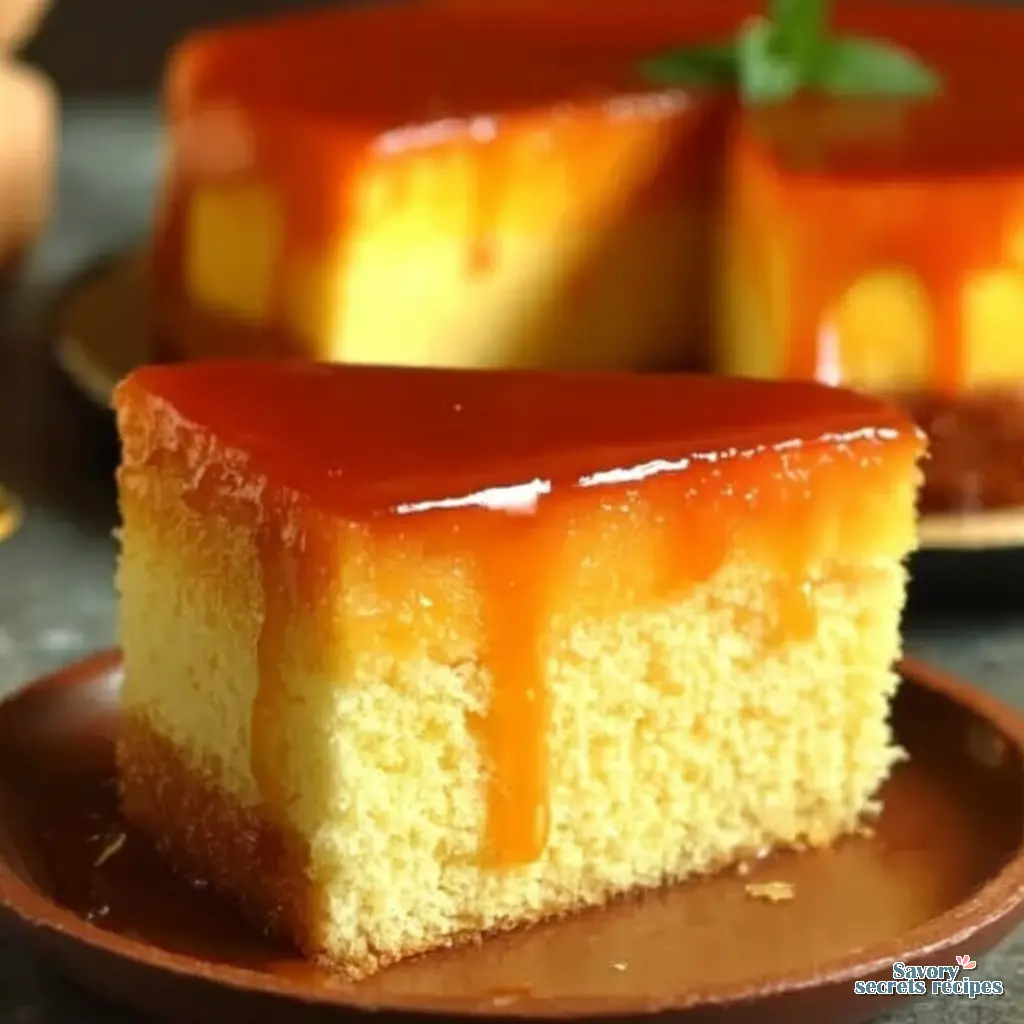
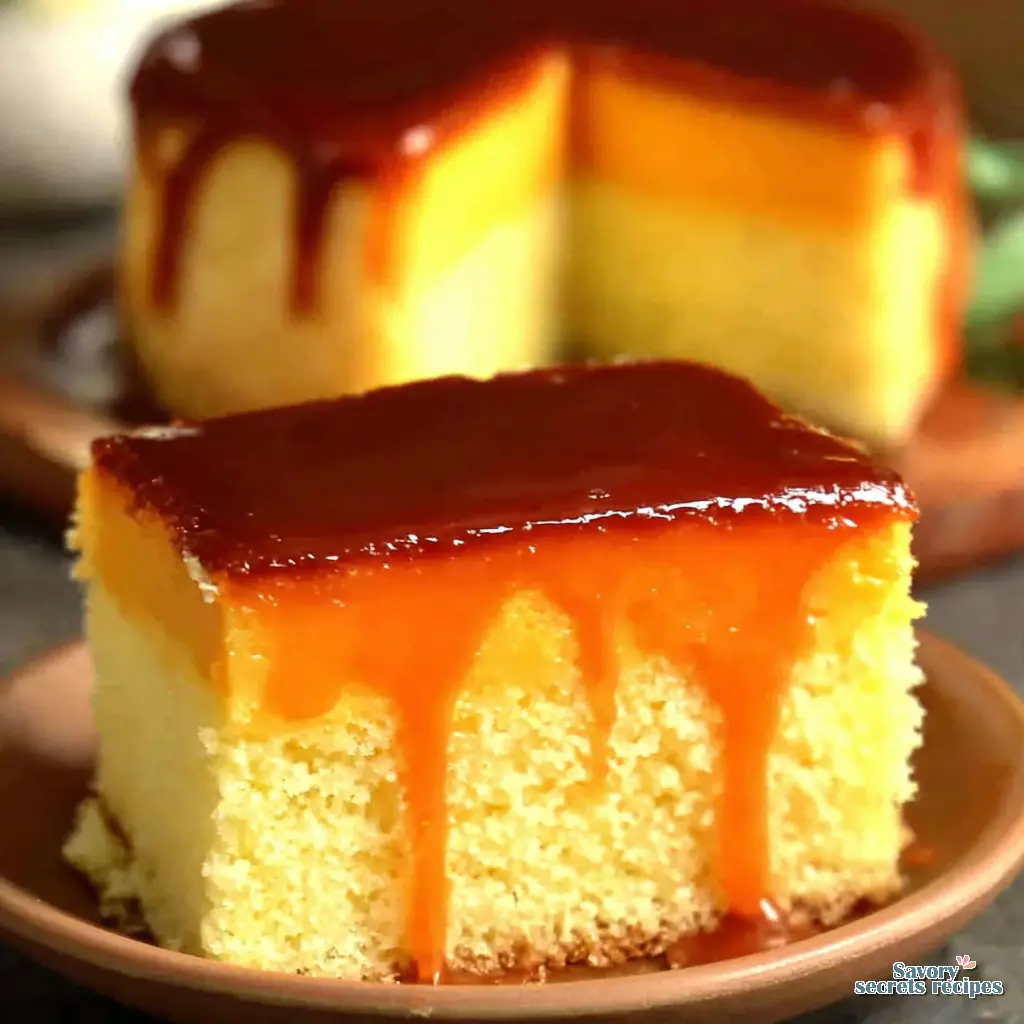
When plating, remember that this dessert is traditionally served upside down, with the caramel glaze flowing over the top. It is rich enough to stand on its own, but serving it with a side of lightly sweetened whipped cream and some sliced fresh strawberries balances the sweetness perfectly.
Frequently Asked Questions About Caramel Custard Cake
The Moment of Truth (Countdown to the Flip)
The unmolding process is easily the most nerve-wracking and exciting part of this recipe. You’ve chilled it overnight. You’ve loosened the edges. Now, you place your serving platter over the bundt pan and flip the whole thing over. You’ll hear this incredibly satisfying little suction sound as the cake releases.
When you lift that pan away, seeing the dark, glossy caramel sauce cascading down the sides of the pale custard and fluffy sponge cake is just the best feeling. It looks like you spent hours practicing French pastry techniques, but really, the oven did all the heavy lifting for you.
I genuinely love the moment when you cut that first slice and see the perfectly distinct layers. Grab your ingredients, set up your water bath, and give this a try. If you want more practical family recipes and baking projects that actually work, feel free to browse my Pinterest boards. I’m always saving new ideas there.
Source: Health & Nutrition Research
Can I make caramel custard cake ahead of time?
Yes, absolutely. In fact, you really should make it a day in advance. The custard needs several hours of chilling time to set completely. Making this cake the day before allows the caramel to soften slightly, making the unmolding process much smoother.
How to unmold caramel custard cake without breaking it?
First, run a very thin knife around the edges of the pan to loosen the cake. If the caramel feels stuck, set the bottom of the pan in an inch of hot water for two minutes to soften the sugar. Place your serving platter on top, take a deep breath, and flip it quickly.
Why did the layers in my caramel cake and custard mix together?
This usually happens if you pour the cake batter too quickly or forcefully over the liquid custard. The impact breaks the surface tension. Always pour the cake batter very gently over the back of a large spoon to diffuse the weight and keep the layers distinct.