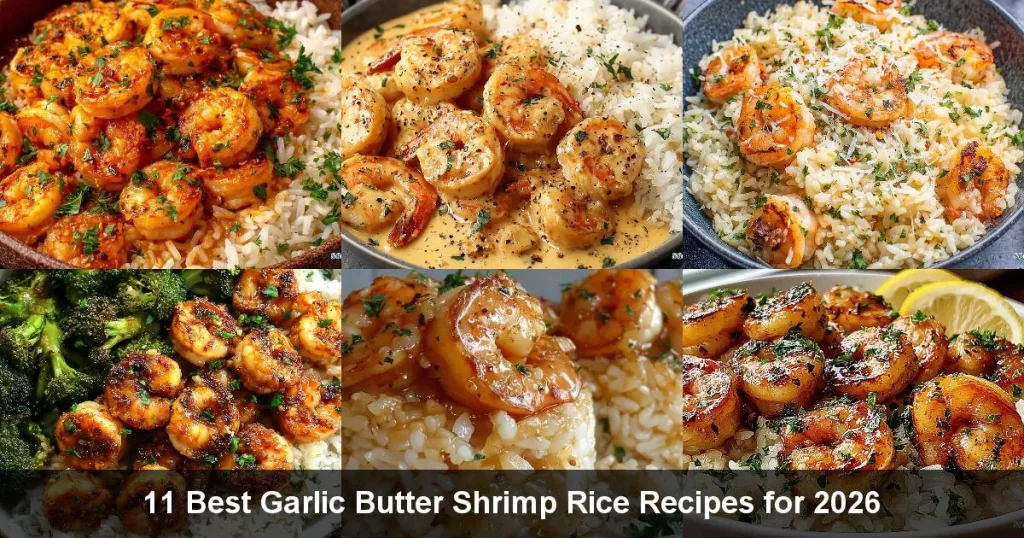




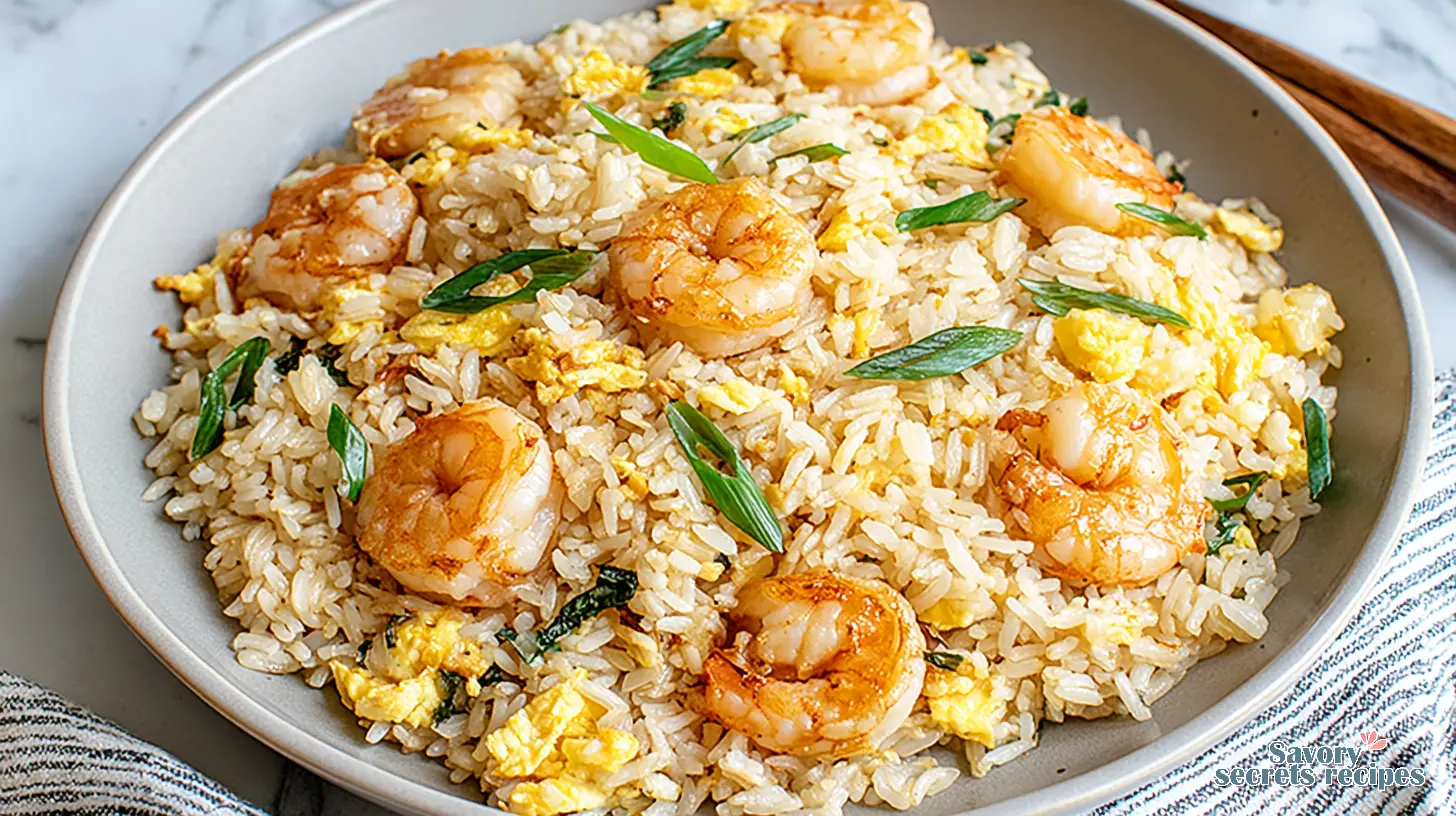
Garlic Butter Shrimp Fried Rice Recipe
Ingredients
Method
- Heat a pan over medium-high heat, then add the oil and butter.
- Melt the butter. Add the shrimps, season with salt and pepper, and cook for 2-3 minutes per side, or until pink and cooked through. Remove the shrimps from the pan and set them aside.
- In the same pan, add the garlic and cook for 1-2 minutes, until fragrant.
- Next, add the egg. Allow the bottom to set before gently scrambling. Cook the egg through to ensure larger chunks and minimize sogginess in the fried rice.
- Add the cooked rice. Stir in the soy sauce and chicken stock powder. Mix thoroughly to evenly coat the rice with seasoning.
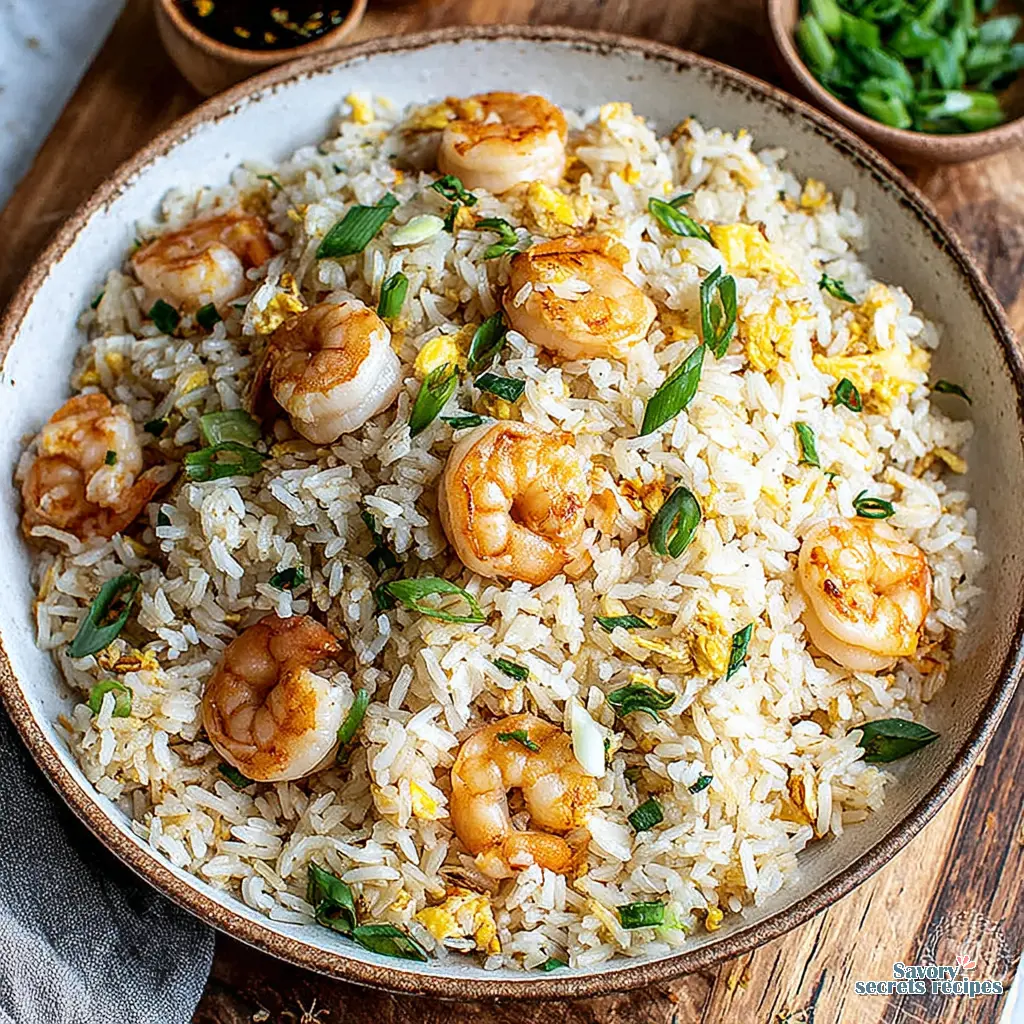
- Return the spring onions, sesame oil, and cooked shrimps to the pan. Toss everything together to combine. Serve immediately and enjoy!
Notes
Why This Garlic Butter Shrimp Fried Rice Works
Ever stare at a container of leftover rice and feel that weeknight dinner dread? I know the feeling. You want something good, something that feels like a treat, but you don’t have the energy for a project. That’s where this garlic butter shrimp fried rice comes in. It’s my go-to for turning those boring leftovers into a meal that makes everyone at the table sit up a little straighter. Honestly, it’s easier than you think.
The magic, if you can call it that, is in a few simple things done right. Cold rice, a hot pan, and that garlic butter sauce. It’s a combination that just works. It reminds me of the way Uncle Raymond’s smoker smelled on Saturday mornings, that mix of hickory and pork fat that hung in the air. This dish has its own kind of aroma, one that fills your kitchen and tells everyone dinner’s almost ready. You’re about twenty minutes away from a plate that beats most takeout, I promise.
The Three Non-Negotiables for Success
Before we get into the variations or the fancy tips, let’s talk foundation. Get these three things right, and your garlic butter shrimp fried rice is guaranteed to be solid. I learned this from testing, and from a few less-than-stellar batches early on. Nothing for it but to wait and get the basics down.
First, your rice needs to be cold. I mean, day-old, spent-the-night-in-the-fridge cold. Fresh, warm rice turns to mush in the pan. It steams instead of frying. Using leftover rice is the single biggest tip for nailing the texture. That tracks with most fried rice wisdom.
Second, your shrimp needs to be dry. Completely dry. If you’re using frozen shrimp, thaw it in the fridge overnight or in a bowl of cold water. Then, pat those shrimp down with a kitchen towel like you’re trying to get every last drop of moisture off. If you don’t, they’ll simmer and steam in the pan instead of getting that nice, quick sear. They’ll turn rubbery. Patting them dry is the difference.
Third, heat. You need a lot of it, and you need to be ready to move fast. Don’t crowd the pan. If your skillet isn’t big enough, cook the shrimp in two batches. Let the pan get properly hot before anything goes in. That high heat is what gives you that slight crunch and the flavor you’re after. It’s what mimics “wok hei” on a home stove. Respect the heat, and it’ll reward you.
Choosing Your Rice: A Quick Comparison
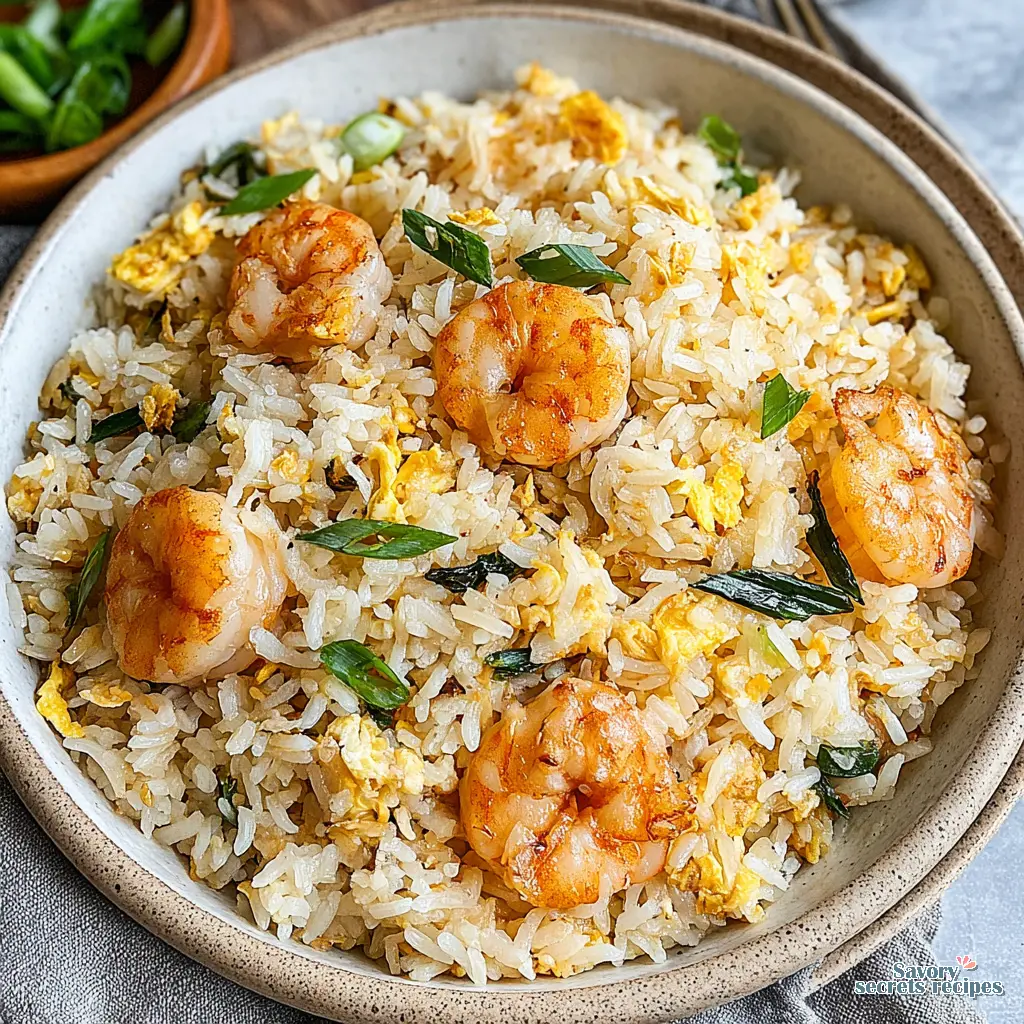
You’ll see a lot of opinions on the best rice for shrimp fried rice. In my experience, though your mileage may vary, a medium or long-grain white rice is your friend. Jasmine rice is perfect. It’s fragrant, it stays separate when cold, and it fries up with just the right chew. Basmati works too, for a slightly drier, fluffier texture.
I don’t recommend short-grain or sushi rice for this particular dish. They’re too sticky. You want grains that hold their shape. Think about the texture of the fried rice you get from a good Chinese takeout place. That’s what you’re after. The grains are distinct, not clumped together. Using day-old jasmine rice from your local Ralphs or Trader Joe’s will get you there. For a lighter take, you might enjoy our garlic butter shrimp with cauliflower rice, which offers a similar flavor profile with fewer carbs.
Building Flavor, Step by Step
Okay, so you’ve got your cold rice and dry shrimp. Now we cook. The order you add things to the pan matters. It seems simple, but it’s the key to preventing overcooked shrimp and soggy eggs.
Start with the garlic butter. Let that melt and get fragrant. You’ll hear it sizzle. That’s the sound you want. Then, your shrimp go in. They cook fast. Just a couple minutes per side until they’re pink and opaque. Don’t wander off. Temperature is data, but the color and curl of the shrimp is truth. Pull them out and set them aside.
Next, your scrambled eggs. Pour them into the buttery pan and let them set for a second before gently pushing them around to form soft curds. Now, the veggies. Frozen peas and carrots are a weeknight savior. No chopping needed. Let them heat through.
Finally, the star: the cold rice. Break up any clumps with your fingers as you add it to the pan. This is where you need that high heat. Let the rice sit for a minute to get a little crispy on the bottom before you start tossing everything together. That’s where the good texture comes from. Then you add back the shrimp, hit it with soy sauce and a drizzle of sesame oil, and toss it all to combine. The whole process has a rhythm to it. Once you do it, you’ll see. For a hands-off approach to cooking shrimp and rice together, our garlic butter shrimp rice instant pot recipe delivers fantastic flavor with minimal effort.
Common Mistakes & Fixes
Mistake: Using warm rice straight from the cooker.
Solution: It’ll never work. Plan ahead. Cook your rice the night before, or spread fresh rice on a sheet pan to cool it quickly in the fridge for an hour.
Mistake: Thawing shrimp in warm water.
Solution: This starts cooking the outside. Always thaw in the fridge overnight or in a bowl of cold water for 10-20 minutes. Then dry thoroughly.
Mistake: Overcrowding the skillet.
Solution: The shrimp steam instead of sear. Cook in batches if needed. A little space in the pan makes all the difference for that restaurant-style sear.
Mistake: Stirring the rice constantly.
Solution: Let it sit! Give it 30-60 seconds of contact with the hot pan to develop those delicious, slightly crispy bits. Then toss and repeat.
Making It Your Own: Variations & Customizations
The beauty of a recipe like this garlic butter shrimp fried rice is its flexibility. It’s a framework. I tend to use what I have. Don’t have peas and carrots? Throw in some diced bell pepper or chopped asparagus, especially in the spring. That’s a solid seasonal twist.
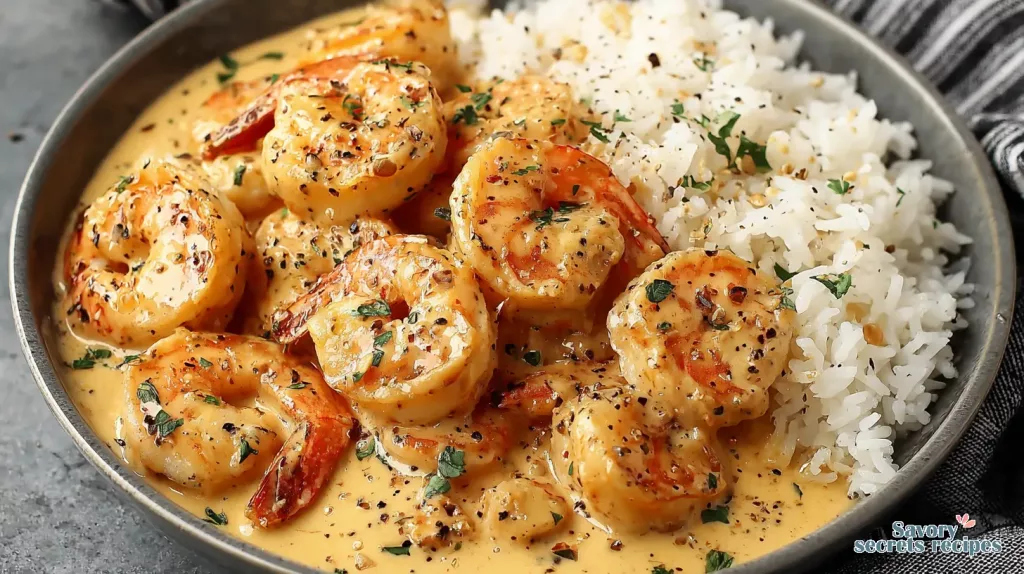
Protein swaps are easy, too. You can change the shrimp for diced chicken, thinly sliced beef, or even flaked salmon for a garlic butter salmon and shrimp fried rice situation. For a vegetarian version, cubed firm tofu or mushrooms work great. Sear them well to get some color. If you’re looking for a creamy twist on this classic, try our creamy garlic butter shrimp and rice for a richer, saucier dish.
Seasoning is another place to play. The soy sauce and sesame oil provide that classic umami flavor. If you want a different profile, you could use a splash of oyster sauce instead of some of the soy. Or add a tiny pinch of sugar to balance. I generally don’t, but it’s an option. For a lower sodium version, use a reduced-sodium soy sauce and maybe a squeeze of fresh lime juice at the end to brighten it up.
Your Garlic Butter Shrimp Fried Rice FAQ
Storing, Reheating, and Serving It Right
Leftover garlic butter shrimp fried rice will keep in the fridge for about 4 days. Let it cool completely before storing it in an airtight container. You can freeze it for up to 2 months, though the texture of the shrimp might change a bit upon thawing. For the rice itself, it freezes fine.
When you’re ready to eat again, reheat it in a skillet with a tiny bit of oil or water over medium heat, stirring often. The microwave works, but it can make the rice a bit soft. The stovetop method helps bring back a hint of that fried texture.
This dish is a full meal on its own, honestly. But if you want to round it out, keep it simple. A quick cucumber salad with a rice vinegar dressing, or some steamed broccoli or snap peas on the side. It’s flavorful enough to stand alone, but those fresh sides add a nice contrast.
Go Make It Tonight
So that’s it. You’ve got the why, the how, and the fixes for if things go a little sideways. Making a great garlic butter shrimp fried rice isn’t about fancy technique. It’s about paying attention to a few simple details. Cold rice, dry shrimp, hot pan. That’s the one.
When you serve this, watch those smiles appear. It’s the kind of meal that feels like a small victory on a busy night. You transformed leftovers into something special. That’s what you’re after. I’d love to see how yours turns out. Snap a pic next time you make it. You just leveled up your weeknight dinner game. Go enjoy.
For more weeknight inspiration and other simple, flavor-packed ideas, check out my Pinterest boards. I’m always adding new twists on classics like this.
Source: Health & Nutrition Research
What kind of rice is best for shrimp fried rice?
Day-old, cold jasmine rice is my top pick. It fries up perfectly separate and has a great fragrance. Long-grain white or basmati rice are good backups. The key is using rice that’s been chilled, which dries it out just enough so it doesn’t get mushy.
How do I properly thaw frozen shrimp before cooking?
The best way is in the fridge overnight. In a pinch, seal them in a bag and submerge in cold water for 10-20 minutes. Never use warm water. Once thawed, pat the shrimp completely dry with paper towels. This step is non-negotiable for a good sear.
Can I use precooked shrimp for garlic butter shrimp fried rice?
You can, but you’ll miss out on flavor. Raw shrimp seared in the garlic butter absorbs that taste. If using precooked, add them at the very end just to warm through, or they’ll get tough. The texture won’t be quite the same, but it’ll work in a pinch.
What gives Chinese fried rice its flavor?
It’s a combo of high-heat cooking (that “wok hei”), soy sauce, sesame oil, and often a bit of MSG for umami. Our version gets deep flavor from the garlic butter foundation and the toasting of the rice in that fat. It’s a different, but incredibly tasty, approach.
What are common mistakes when stir frying shrimp?
Overcrowding the pan and not drying them are the big ones. Wet shrimp steam. Crowded shrimp steam. You want a hot pan, a single layer of dry shrimp, and just a minute or two per side. They cook incredibly fast, so keep an eye on them.
How do I make garlic butter shrimp fried rice ahead of time?
It’s best fresh, but you can prep components. Have your rice cooked and chilled, shrimp cleaned and dried, and veggies chopped. Store separately. When ready, the actual stir-fry comes together in under 10 minutes. That’s the real weeknight win.
Do you have to rinse rice before cooking it for fried rice?
I usually do. Rinsing removes excess surface starch, which helps the cooked grains stay separate and less sticky. For fried rice, that’s a good thing. Just rinse under cold water until the water runs mostly clear before you cook it.
What’s the best way to reheat leftover shrimp fried rice?
The microwave is easiest, but a skillet is better. Add a tiny splash of water or broth to a non-stick pan over medium heat, add the rice, and stir until hot. The skillet helps revive some of the texture. It won’t be exactly like fresh, but it’ll be close.