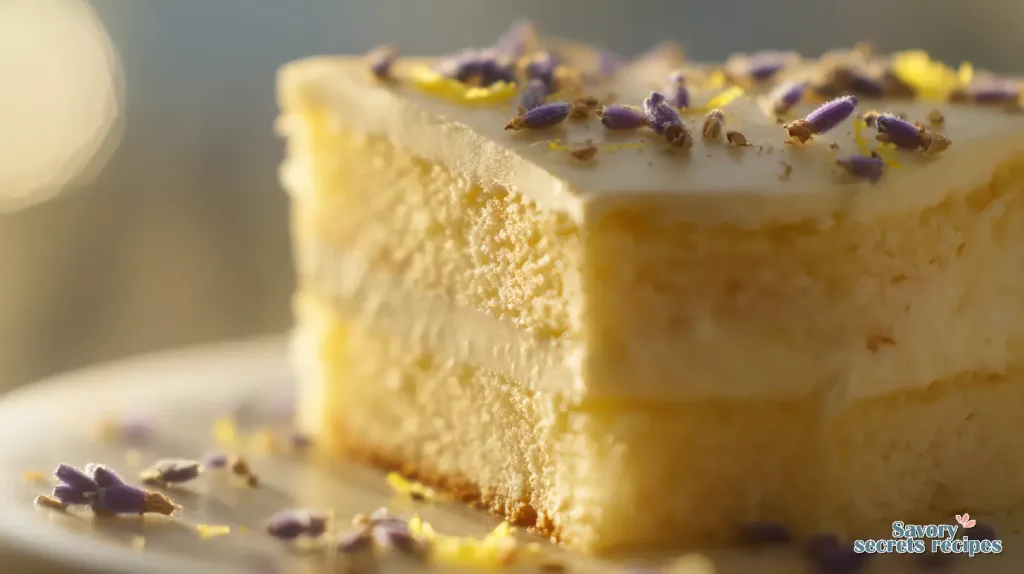




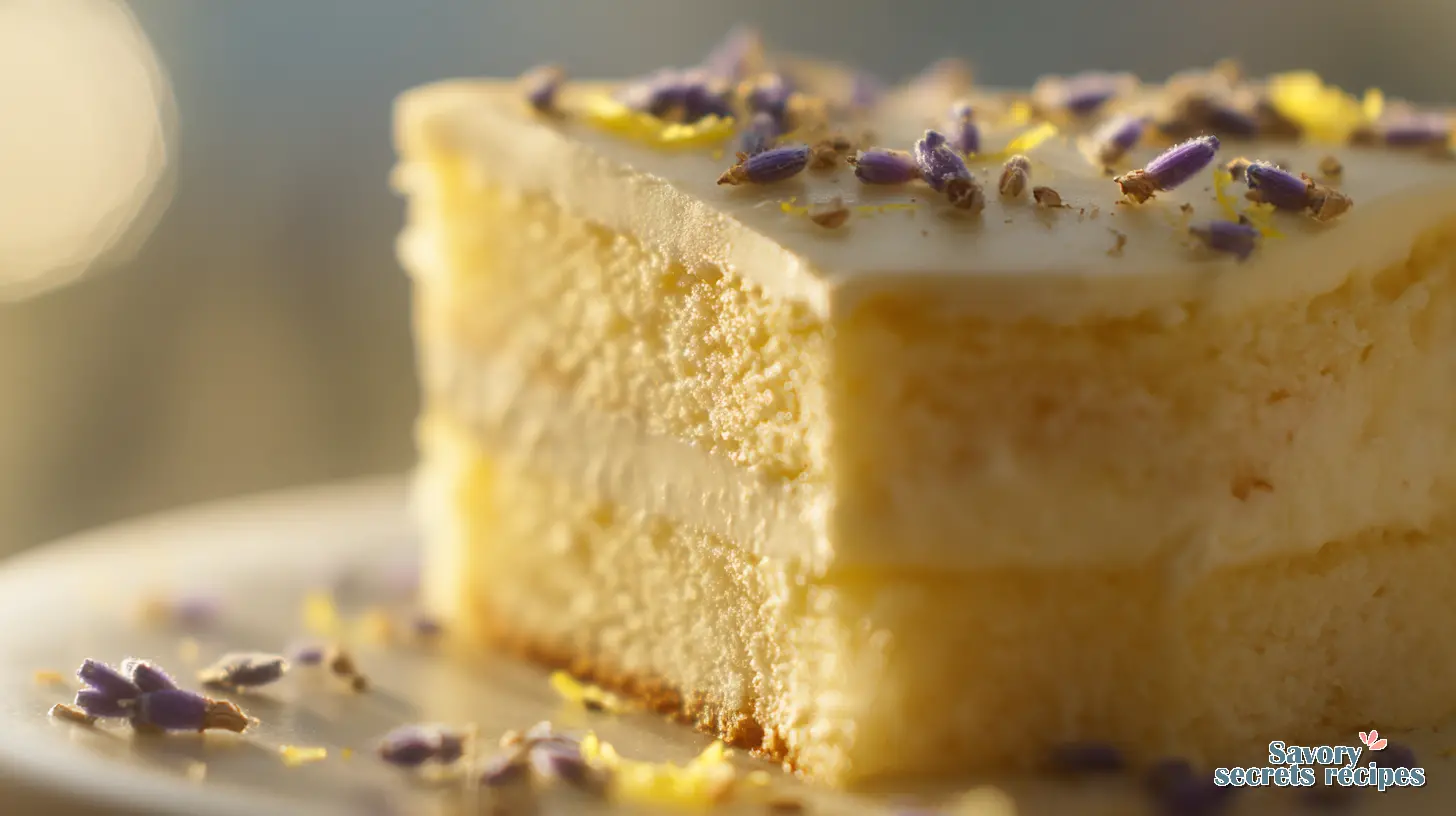
Mini Lemon Lavender Cake with Glaze
Ingredients
Method
- Grease two 8-inch round cake pans with butter. Line the pans with parchment paper and grease the parchment. Dust the bottom and sides of the pans with flour, then tap out any excess.
- Whisk together the flour, baking powder, baking soda, and salt in a medium bowl.
- Add the sugar, lemon zest, and dried lavender to a food processor bowl. Process the mixture for 1-3 minutes until the lavender is finely ground and evenly distributed with the zest throughout the sugar.
- Beat the butter, vegetable oil, and lemon-lavender sugar on medium-high speed for about 4 minutes in a stand mixer with a paddle attachment or a large mixing bowl with a hand mixer, until very pale and fluffy, and the mixture has doubled or nearly tripled in volume.
- Add the eggs one at a time, beating until fully combined after each addition. Scrape down the bottom and sides of the bowl with a rubber spatula. Stir in the vanilla extract.
- Add half of the flour mixture to the butter mixture and mix on low speed until incorporated. Pour in the milk and lemon juice, continuing to mix on low speed until combined. Add the remaining flour mixture and mix on low speed just until incorporated, avoiding overmixing. Scrape down the bowl with a rubber spatula between additions to ensure even mixing.
- Divide the batter evenly between the two prepared cake pans. Bake for 30 to 35 minutes, or until a toothpick inserted into the center comes out clean, the edges pull away from the pan, and the center springs back when gently poked.
- Let the cakes cool in the pans for 15 minutes, then turn them out onto a wire rack to cool completely before frosting.
- To make the frosting, beat the butter on medium speed for about 2 minutes in a stand mixer with a paddle attachment or a large mixing bowl with a hand mixer, until smooth and satiny.
- Add the powdered sugar, half of the milk, and the lemon extract, then continue beating on medium speed for about 2 minutes until light and fluffy. If the frosting is too thick, add more milk, 1 tablespoon at a time, until it reaches the desired consistency.
- Place one cake layer right-side-up on a large plate or a 10-inch cardboard cake round. Use an offset spatula or butter knife to spread 1/2 to 1 cup of frosting evenly over the layer. Top with the remaining cake layer, placed upside-down for a smooth, flat top. Check that the cake layers are centered and level, then gently adjust as needed.
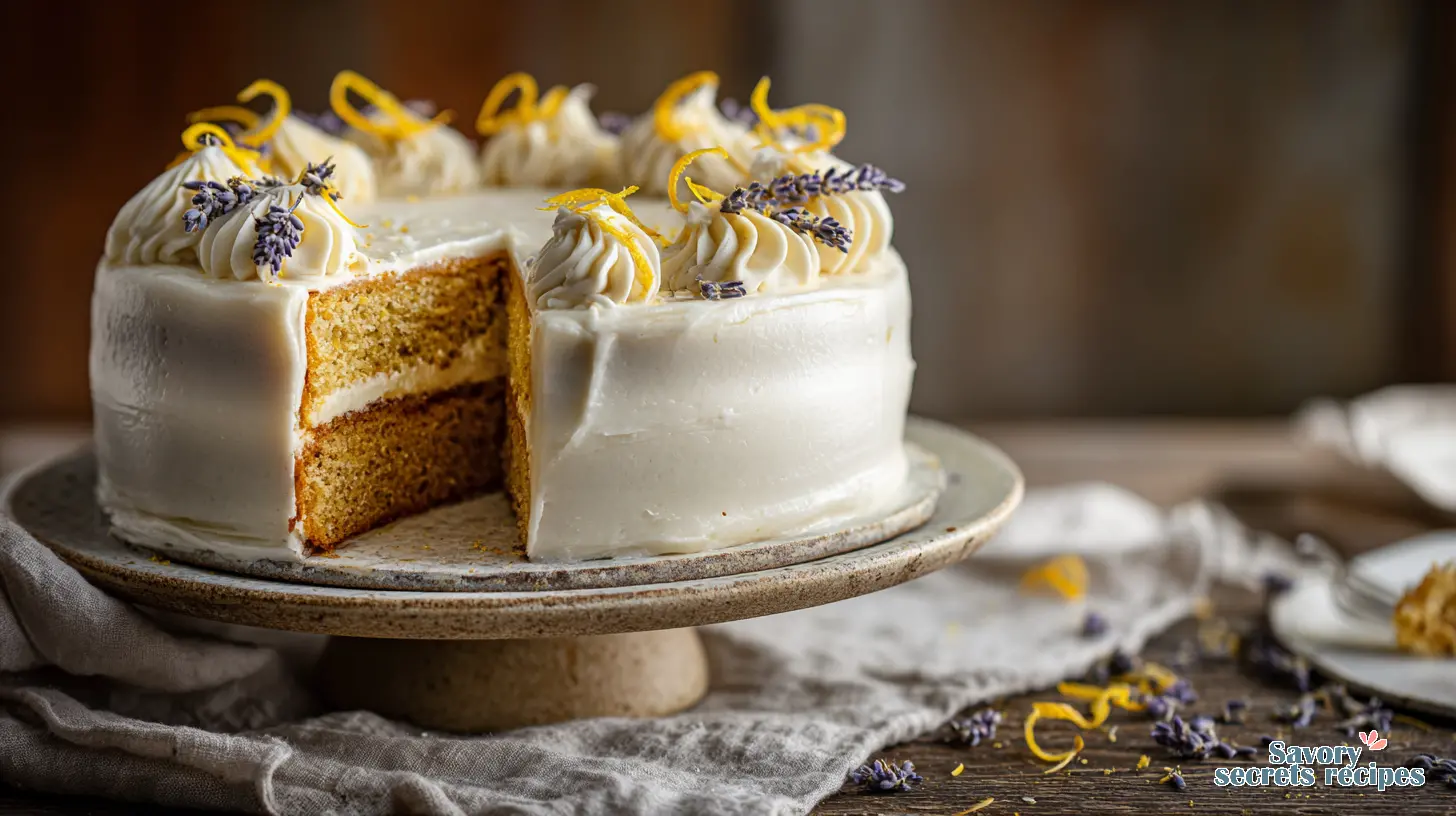
- Spread a generous amount of frosting over the top and sides of the cake using an offset spatula or the straight edge of a large butter knife. Use the spatula to spread the frosting into a thin, even layer, allowing the cake to show through.
- Place the cake in the refrigerator for 20 minutes to set the frosting. Cover the bowl of frosting.
- Remove the cake from the refrigerator. Stir the frosting a few times to smooth it out. Spread a generous, thicker layer of frosting over the top and sides of the cake. Use an offset spatula, a large spoon, or the back of a butter knife to smooth the sides.
- Store the cake for up to 4 days in a cake saver on the counter. Save cake slices on a plate covered with plastic wrap for up to 4 days. When storing leftover cake with missing slices, cover the exposed cake layers with plastic wrap or parchment paper to prevent drying out.
Nutrition
Notes
Why You’ll Love This Lemon Lavender Cake
There’s something truly magical about a flavor combination that just clicks, isn’t there? I mean, you think you know what a good cake tastes like, and then you try something like this lemon lavender cake, and it just shifts your whole perspective. It’s the kind of dessert that makes people stop and say, “Wow, what IS that?” It’s got that vibrant citrus punch from fresh lemon, perfectly balanced by the delicate, almost ethereal floral notes of lavender. It’s not a huge deal, but worth noting, it feels like spring on a plate, even if you’re just enjoying a slice on a mild Los Angeles evening.
Here’s the thing about that: some folks worry that lavender in baking can taste like soap. Trust me, I get it. But with the right technique and culinary lavender, you’ll get a beautifully aromatic lemon lavender cake that’s anything but soapy. We’re aiming for a moist crumb, tender cake layers, and a buttercream frosting that’s light, bright, and utterly delightful. This isn’t just another sponge cake recipe; it’s an experience. You’ll feel a real sense of accomplishment when you pull this out of the oven, I promise you. It’s truly a gourmet dessert that’s easier to achieve than it looks.
Baking with Lavender: Essential Tips
Working with culinary lavender can feel a bit intimidating if you haven’t done it before. But honestly, it’s not as fussy as you might think. The key step here is making sure you’re using culinary-grade lavender. That tracks. You can find it at specialty spice shops or even some larger grocery stores like Whole Foods. Regular garden lavender, while pretty, might contain pesticides or just have too strong a flavor, which is where that “soapy” taste can come from. We definitely don’t want that.
To get the best flavor, I like to infuse the sugar with the lavender. You simply grind the dried culinary lavender with some of your granulated sugar in a food processor or with a mortar and pestle. This helps distribute the delicate flavor evenly throughout the cake batter without overpowering it. It’s a subtle aromatic baking touch that makes all the difference. Remember, a little goes a long way with lavender. We’re looking for a whisper of floral notes, not a shout. This might just be me, but I’d probably lean toward less at first if you’re unsure, you can always add a touch more lavender extract to the buttercream later if you want to amp up the flavor.
Ingredients for Your Aromatic Lemon Lavender Cake
When you’re gathering your ingredients for this beautiful lemon lavender cake, think quality. Makes sense to me. You’ll want fresh lemon zest, of course, and good unsalted butter. I prefer European-style butter for anything where you’ll actually taste it; that higher fat content makes a real difference in pastry and buttercream frosting. We’re building something special here, so let’s use the good stuff.
For the Lemon Cake Layers
We’re using a classic combination of all-purpose flour, baking powder, and baking soda to get that light, soft floral cake layers. Don’t skip sifting your dry ingredients; it really helps with the airy texture. For the liquid, whole milk and fresh lemon juice are essential. If you can’t find cake flour in the UK, or even here, you can easily make your own. Just replace two tablespoons of all-purpose flour with two tablespoons of cornstarch, then sift it all together about four times. That’s a solid approach for a DIY cake flour substitute. And for buttermilk, if you don’t have it, a tablespoon of white vinegar in your whole milk, let it sit for 15 minutes, works like a charm. That tracks.
For the Lavender Buttercream
Our lavender buttercream frosting is where the magic really happens. You’ll need more unsalted butter, powdered sugar, and a touch more whole milk. The star here, besides the lemon extract, is the lavender extract, which gives us that lovely floral citrus sponge cake taste. Vanilla extract is also listed, and if you have vanilla bean paste, that’s a fantastic substitution. It adds both flavor and those pretty little specks for visual interest. Trust the process on this one, the balance of these flavors is key.
Step-by-Step Baking for a Perfect Lemon Lavender Cake
Now, let’s talk about actually getting this lemon lavender cake baked. The instructions in the recipe card are straightforward, but there are a few things I’ve learned over the years that can really elevate your results. I remember my uncle Marc, at his bistro in Rittenhouse, always saying consistency matters. And it really does in baking.
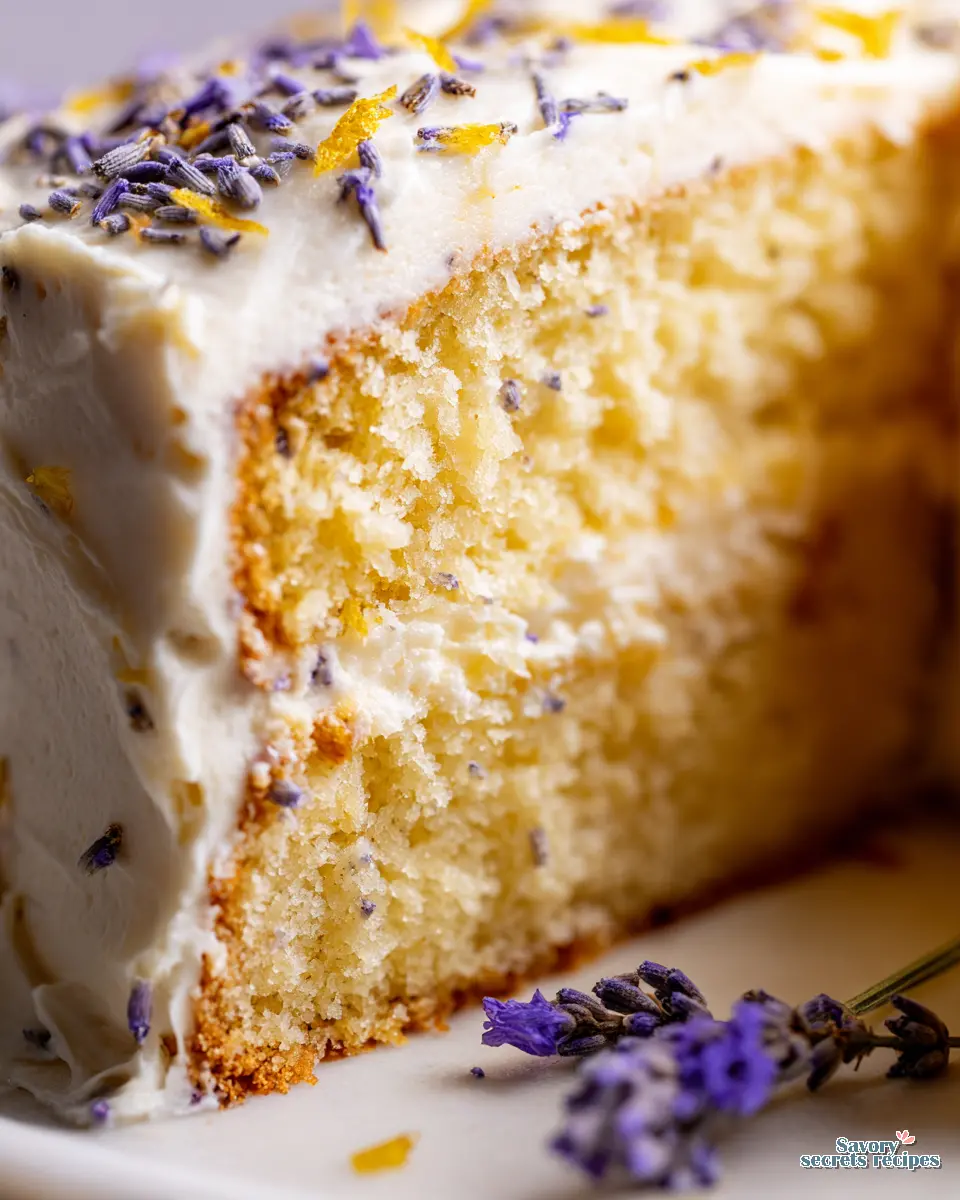
When you’re creaming the butter and sugar, for instance, let it do its thing. You want it light and fluffy, almost pale in color. That’s where you’re incorporating air, which helps give us that moist crumb and light lavender sponge. Don’t rush it. And when you’re adding your dry and wet ingredients, avoid overmixing. As soon as everything is just combined, stop. Overmixing develops the gluten too much, and you’ll end up with a dense cake, not the delicate flavor we’re after. That’s exactly right.
How to Frost Your Layer Cake Like a Pro
Frosting a layer cake can seem daunting, but honestly, it’s easier than you think if you follow a few simple rules. The most important one: make sure your cake layers have cooled completely. I mean, completely. If they’re even a little warm, your buttercream frosting will melt, and your beautiful layers will start to slide. It’s not a huge deal, but worth noting, that’s where most people run into trouble.
For application, an offset spatula is your best friend for precise frosting control. If you don’t have one, a spoon, a large butter knife, or even the straight edge of a rubber spatula can work in a pinch. Start with a crumb coat. This is a thin layer of frosting that seals the cake and traps any loose crumbs. Once that’s on, chill the cake in the fridge for about 15-20 minutes to set that crumb coat before you add your final, thicker layer of frosting. If smooth sides are proving difficult, don’t sweat it. Embrace a decorative swirl, swoops, or waves instead of chasing a perfect, flat finish. It still looks impressive!
Quentin’s Pro Tips for Cake Success
Beyond the basics, I’ve got a few more baking tips for you. Use light-colored pans. Darker metal conducts heat faster, which can over-bake the edges of your cake before the center is done. This might just be me, but I’ve found it makes a noticeable difference. Another thing I learned from years of making video recipes is to weigh your batter. If you’re making multiple cake layers, divide the batter evenly among your pans using a kitchen scale. This ensures equal amounts in each pan, which means your layers will bake evenly and be the same height. Consistency, right? That’s exactly what my uncle Marc always drilled into me. It makes cake decorating so much easier.
Lemon Lavender Cake Variations to Spark Joy
The beauty of this lemon lavender cake recipe is how easily you can adapt it to your taste or occasion. I mean, you’ve got a solid foundation here, so feel free to play around a bit. For a little visual flair, you could add a few drops of purple food coloring to your buttercream for a lovely lavender hue. That’s a solid approach if you want to emphasize the floral aspect.
For garnishes, candied lemon slices are always elegant. We’ll talk about how to make those in a bit. But you could also use fresh lemon slices, added just before serving, or even a sprinkle of culinary lavender on top of the frosting. For some textural contrast, a few coconut flakes sprinkled on top could add a subtle coconut flavor that plays nicely with the citrus. And if you’re a real lemon fanatic, serving slices with an extra drizzle of lemon glaze or a dollop of lemon curd is never a bad idea. I’ll take a look at it. These recipe variations are all about making it your own.
Troubleshooting Common Lemon Lavender Cake Issues
Common Mistakes & Fixes
Mistake: Frosting melts and slides off the cake.
Solution: The cake wasn’t completely cool. This is where most people run into trouble. Always wait until cake layers are cold to the touch before frosting. You can even chill them in the fridge for an hour.
Mistake: Crumbs are mixing into the final frosting layer.
Solution: You probably skipped the crumb coat. Apply a very thin layer of frosting, chill the cake until it’s firm, then apply your main frosting layer. Trust the process on this one.
Mistake: The cake is too dry or has dark, crusty edges.
Solution: You might be using dark metal pans, which conduct heat faster, or over-baking. Use light-colored pans and keep a close eye on your oven. An instant-read thermometer is your friend here; you’ll know it’s ready when a toothpick comes out clean.
Mistake: Cake layers are uneven in height.
Solution: You likely didn’t weigh your batter. Use a kitchen scale to ensure equal amounts of batter go into each pan. Consistency matters for even cake layers.
Mistake: The lavender flavor tastes like soap.
Solution: This isn’t being fussy, it’s the difference between culinary-grade lavender and other types. Only use lavender specifically labeled for cooking. Also, don’t overdo the amount; a delicate flavor is the goal, not an overwhelming one.
Storing Your Lemon Lavender Cake & Make-Ahead Tips
You’ve put in the work, and now you want to make sure your beautiful lemon lavender cake stays fresh. That tracks. If you’re baking ahead, you can wrap cooled cake layers tightly in plastic wrap and store them at room temperature for a day or two. For longer storage, freeze wrapped layers for up to three months. Just thaw them in the fridge overnight before you plan to frost.
The lavender buttercream frosting can also be made in advance. Store it in an airtight container in the refrigerator for up to a week. When you’re ready to use it, let it come to room temperature, then re-whip it with an electric mixer until it’s light and fluffy again. That’s a solid approach. Once assembled, your lemon lavender cake will keep well on a cake saver at room temperature for up to four days. If you’ve sliced into it, cover any exposed cake layers with plastic wrap or parchment to keep them from drying out. If you have any leftovers, you can wrap individual slices tightly and freeze them for a quick treat later. Just let them thaw at room temperature for about 30 minutes before enjoying.
How to Make Candied Citrus Wheels
Candied lemon slices make for a truly elegant garnish on your lemon lavender cake. They look impressive, but they’re not difficult, I promise. You’ll need one medium lemon, thinly sliced, and about a cup of sugar and a cup of water. In a small saucepan, bring the sugar and water to a simmer, stirring until the sugar dissolves. Add your lemon slices in a single layer. Let them simmer gently for about 30-45 minutes, or until they’re translucent and the rinds are tender. You’ll know it’s ready when they look almost glassy.
Carefully remove the slices with a fork and place them on a wire rack set over parchment paper to cool and dry completely. This can take several hours, or even overnight. They’ll become slightly firm and sticky-sweet. You can store these in an airtight container at room temperature for up to a week, ready to adorn your next delicious dessert. Fair enough, right?
Frequently Asked Questions (FAQ)
Nutritional Information
Please note that the nutritional information provided is an estimate based on the ingredients and typical serving sizes for this lemon lavender cake. Actual values may vary depending on specific brands and preparation methods. This information is intended as a general guide.
Make This Lemon Lavender Cake Today!
There’s something genuinely satisfying about creating a dessert that looks this beautiful and tastes even better. When you pull this lemon lavender cake out of the oven, smelling that incredible blend of citrus and floral notes, you’ll feel such a rush of pride. It’s a delicate flavor experience, perfect for a spring dessert, a special occasion, or just a treat after a long week.
You’ve got this. Seriously. Gather your ingredients, trust the process, and get ready to impress. Don’t forget to share your creations; I love seeing what you make! For more inspiration, check out my Pinterest boards. Happy baking!
Source: Nutritional Information
Are lemon and lavender good together?
Absolutely! Lemon and lavender are a fantastic pairing. The bright, zesty citrus flavor of the lemon provides a beautiful counterpoint to the subtle, calming floral notes of the lavender. It’s a harmonious and well-balanced blend that creates a delicate flavor profile, making for an aromatic lemon dessert cake that’s truly unique.
Is lavender cake a thing?
Yes, lavender cake is definitely a thing, and a delicious one at that! While it might seem like a less common flavor than, say, vanilla or chocolate, culinary lavender has been used in baking for centuries. When properly used, it adds an elegant, perfumed quality that can really elevate a simple sponge cake into a gourmet dessert. This lemon lavender cake is a prime example.
Does lemon compliment lavender?
Lemon compliments lavender beautifully. The acidity and brightness of the lemon zest and fresh lemon juice cut through the richness of the cake and buttercream, preventing the lavender from becoming too heavy or cloying. The result is a refreshing and sophisticated floral citrus sponge cake where both flavors shine without overpowering each other. It’s a classic pairing for a reason.
What is in a Queen Elizabeth cake?
A Queen Elizabeth cake is a date and walnut cake, typically topped with a broiled coconut pecan frosting. It’s a classic Canadian dessert, quite different from our lemon lavender cake. While both are delicious, they offer very distinct flavor profiles and textures. No lavender or lemon involved in that one, I’m not totally sure, but that’s the gist.
When not to use lavender?
You should avoid using lavender if you’re not using culinary-grade lavender, as other varieties can be unsafe or impart a strong, unpleasant, soapy taste. Also, if someone has a known allergy or strong aversion to floral flavors, it’s probably best to skip it. Otherwise, used in moderation, it’s a wonderful addition to a lemon lavender cake.
What citrus goes with lavender?
Lemon is the classic and most popular citrus to pair with lavender because its bright, tangy notes perfectly balance the floral qualities. However, other citrus fruits like orange or even grapefruit can also work, offering different nuances. For this lemon lavender cake, the lemon provides that essential zesty lift that makes the whole thing sing. That’s exactly right.
I cannot find cake flour in the UK, are there any substitutes?
Yes, absolutely! If you can’t find cake flour, you can easily make your own. For every cup of all-purpose flour, remove two tablespoons, then replace them with two tablespoons of cornstarch. Sift this mixture together at least four times to ensure everything is well combined and aerated. This creates a good substitute for the delicate crumb of a lemon lavender cake.
I’d like to make this a 12″ cake with two layers. Should I 3x the recipe?
Doubling the recipe might be a safer bet for a 12-inch cake with two layers, but tripling could also work if you want taller layers. I’d probably lean toward doubling and then assessing your batter volume. A 12-inch pan is significantly larger than a 9-inch, so you’ll need a substantial amount. Adjust baking time accordingly, as larger cakes take longer. That tracks.
How would I adjust this to make 4 or 5 layers with a 6-inch cake pan?
For a 6-inch cake with 4 or 5 layers, you’d want to use about 1.5 times the original recipe. This should give you enough batter for thinner, elegant layers. You’ll need to reduce the baking time significantly, probably around 15-20 minutes per layer, but always check for doneness with a toothpick. This is the good stuff for cake decorating!
Any tips to make it even more moist?
To make your lemon lavender cake even more moist, ensure you don’t overmix the batter; stop as soon as ingredients are combined. Using room temperature ingredients helps with emulsification. Also, consider adding a simple lemon syrup to the layers as soon as they come out of the oven. A quick brush of warm lemon juice and sugar can soak in beautifully and add extra moisture.
How would the recipe change proportion-wise if I wanted to make cupcakes?
For cupcakes, the proportions of the lemon lavender cake recipe stay the same, but the baking time will drastically decrease. You’ll likely get about 18-24 cupcakes from this recipe. Bake them for around 18-22 minutes at 350°F (175°C), or until a toothpick inserted into the center comes out clean. I’ll take a look at it, it’s a solid conversion.
My frosting is too sweet and too thin. Suggestions?
If your lavender buttercream is too sweet, gradually add more unsalted butter. For thinness, slowly incorporate more powdered sugar, a tablespoon at a time, until it reaches your desired consistency. Make sure your butter isn’t too warm; a slightly cooler room temperature butter helps with stability. This isn’t being fussy, it’s the difference between a great frosting and a good one.
Really good cake but I think the icing could have done without the sour cream.
That’s an interesting thought, but our lemon lavender cake recipe uses a classic buttercream frosting, which doesn’t include sour cream. If you’ve used a recipe that did, and found it too tangy or heavy, you’re probably noticing the difference. This buttercream focuses on butter, powdered sugar, and extracts for its light, sweet, and delicate flavor profile. Makes sense to me.