




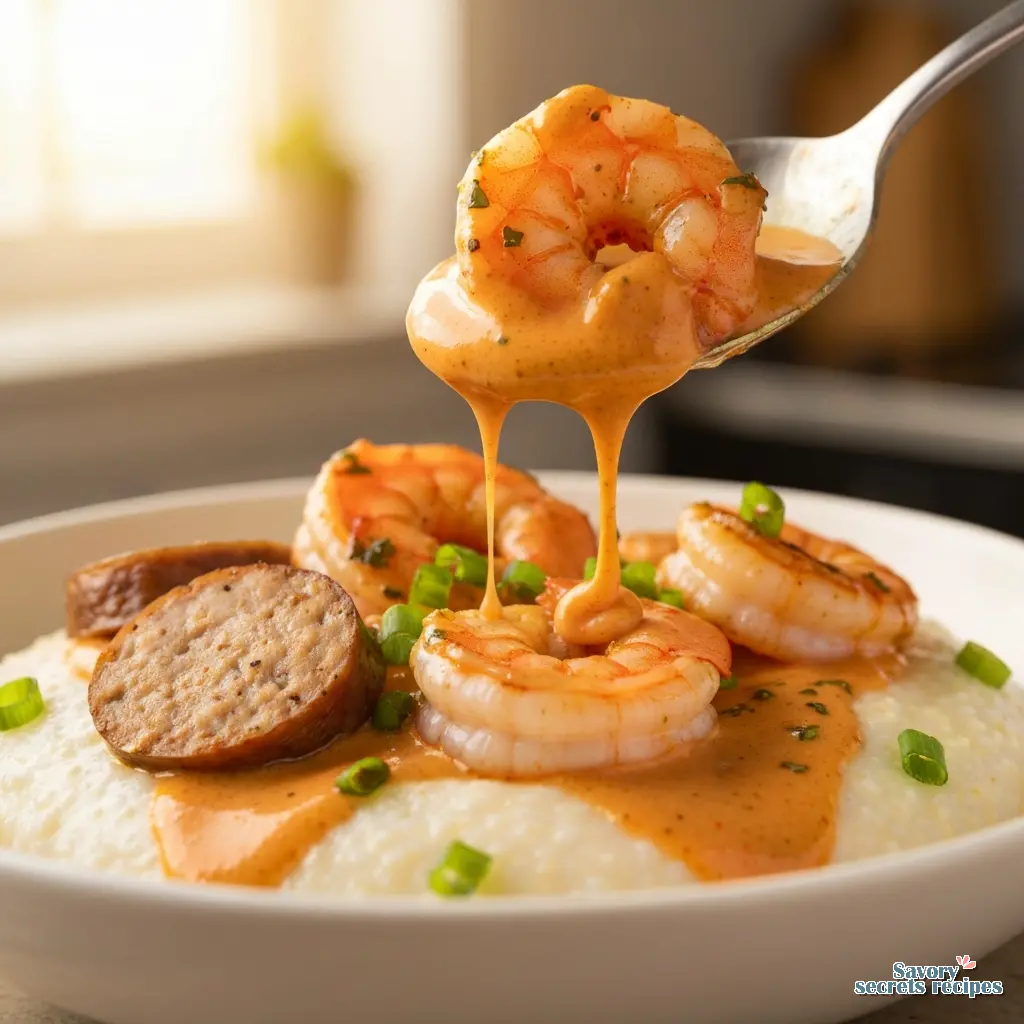
New Orleans Shrimp and Grits with Spicy Cajun Cream Sauce
Ingredients
Method
- Melt 1 tablespoon of butter in a large saucepan over medium-high heat. Add the shallot and cook, stirring occasionally, until softened and translucent, about 2 minutes.
- Add the broth, milk, salt, and pepper to the saucepan and bring to a boil over medium-high heat. Slowly whisk in the grits and reduce the heat to medium. Cook, whisking often, until the grits are thickened and tender, about 5 minutes.
- Remove the saucepan from the heat and whisk in the cheese, cream, and the remaining 1 tablespoon of butter until smooth. Cover and keep warm.
- Heat the oil in a large nonstick skillet over high heat. Add the shrimp and sprinkle with salt; cook undisturbed until golden brown, about 2 minutes. Flip the shrimp and cook undisturbed until lightly browned but not cooked through, about 1 minute. Transfer to a plate.
- Reduce the skillet heat to medium-high. Add the sausage and cook, stirring occasionally, until browned, about 4 minutes. Stir in the onion, bell pepper, and celery; cook, stirring often, until tender and beginning to brown, about 3 minutes.
- Add the tomato, garlic, Cajun seasoning, and black pepper to the skillet. Cook, stirring constantly, until fragrant, about 1 minute.
- Stir the broth, cream, lemon juice, and Worcestershire into the skillet. Cook, stirring occasionally and scraping up the browned bits from the bottom, until the sauce is slightly reduced and thickened, about 10 minutes. Return the shrimp to the skillet, coat in the sauce, and cook until cooked through, about 1 minute.
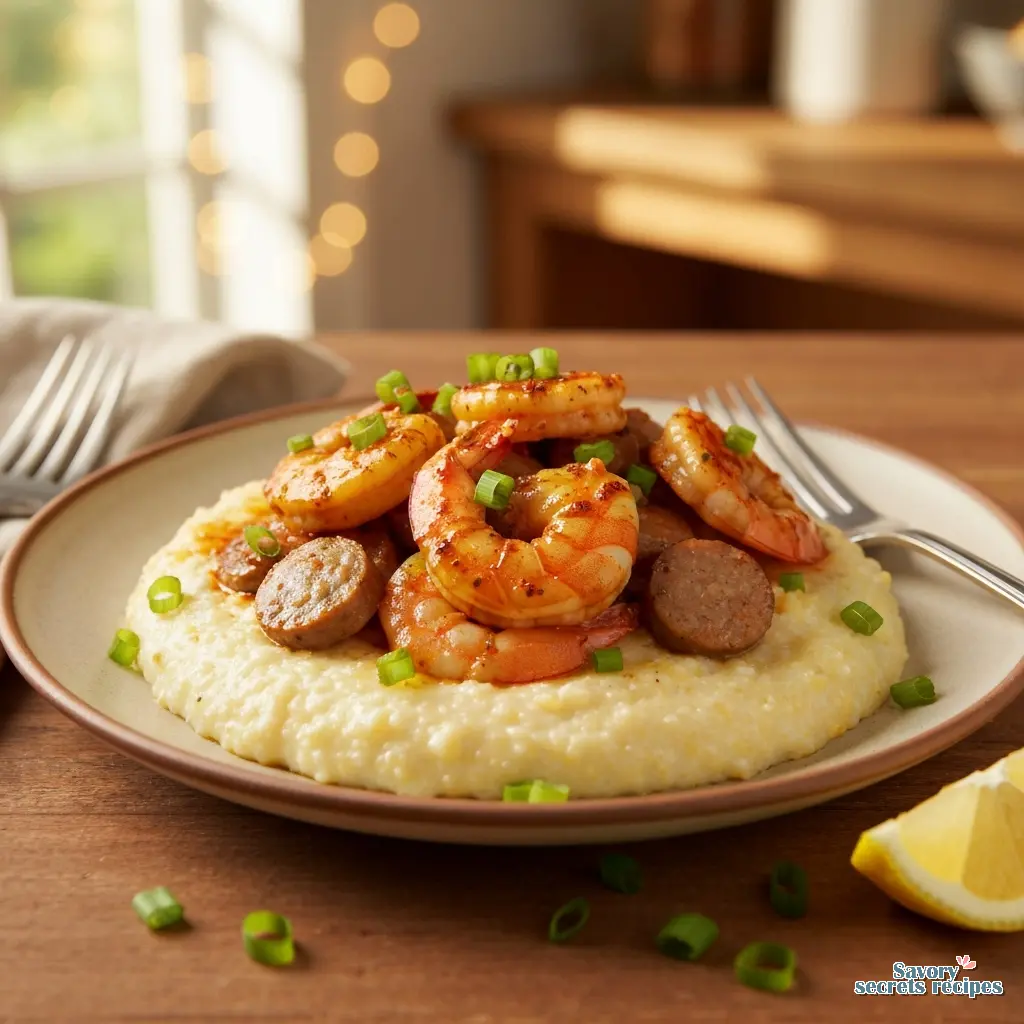
- Serve the shrimp over the grits and sprinkle with scallions.
Notes
Finding the Soul in the Best Cajun Shrimp and Grits Recipe
I remember my teta’s kitchen always smelled like cardamom before sunrise. She’d grind the beans by hand in this brass grinder that was older than my dad, and I’d sit on the counter watching her measure everything by eye. Years later, I tested her “eye measurements” with a scale, and she was accurate to within two grams every single time. That’s when I learned precision isn’t about tools. It is about repetition. That tracks for grits too.
Here’s the thing about ordering shrimp and grits in a restaurant. You usually get one of two things: a bowl of soup with some lonely shrimp floating in it, or a brick of dried-out cornmeal that requires a steak knife to cut. It is frustrating. I have spent years trying to dial it in until it’s right, looking for that specific texture where the grits are creamy but still have a bit of a bite, and the sauce is rich enough to coat a spoon but not so heavy it puts you to sleep.
This isn’t just about dumping spice into a pan. It is about layering flavor. We are going to make the best cajun shrimp and grits recipe by treating the grits like risotto and the shrimp like a delicate protein that needs attention. Not gonna lie, it takes a little patience, but when you take that first bite, you will understand why we do it this way.
Why This Recipe Works for Home Cooks
Most of us don’t have three hours on a Tuesday to stand over a pot. I get it. My daughter insists on helping me make breakfast every morning, which means everything takes twice as long, so I value efficiency. This recipe hits the sweet spot between a quick weeknight meal and a slow-cooked Sunday dinner.
We use quick-cooking grits (not instant, never instant) to cut the time down, but we treat them with the respect usually reserved for stone-ground. By using a mix of chicken stock and heavy whipping cream, we get that luxury texture without simmering for an hour. Plus, we are building a pan sauce right after searing the shrimp, using all those browned bits the fond to create a base that tastes like it has been cooking all day.
It is perfect for these cooler winter evenings when you want something that sticks to your ribs but still feels a little fancy. The heat from the Cajun seasoning warms you up, and the creamy texture is pure comfort. Straight up, it is the kind of meal that makes you feel like a professional chef in your own kitchen. If you enjoy these bold spices, you should also try a classic nola shrimp and grits.
The Science of Creamy Grits (Starch Management)
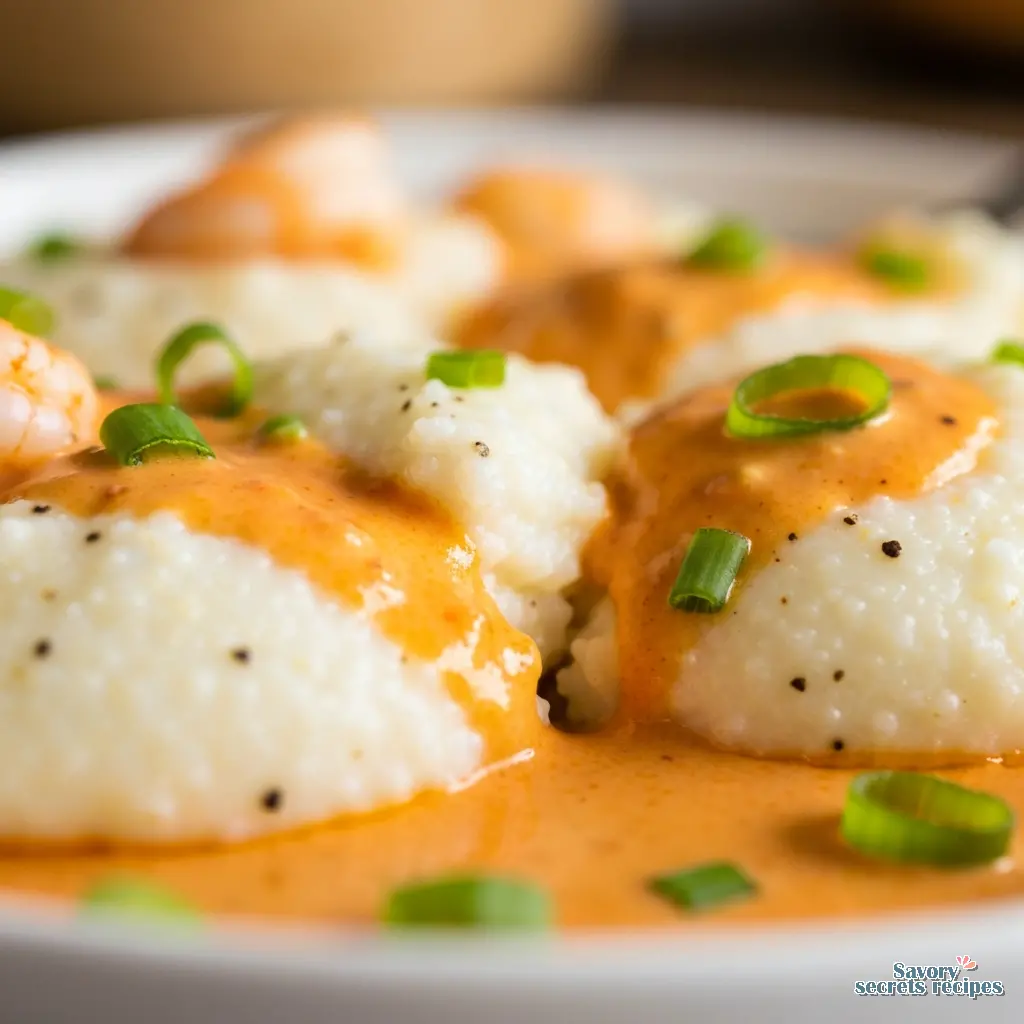
Let’s talk about starch. Grits are essentially ground corn, and when you add liquid and heat, those starch granules absorb water and swell up. If you dump them in and walk away, they clump. If you stir them too much, they can get gluey. The ratio’s off, and you end up with paste.
To get the best cajun shrimp and grits recipe results, I like to use a method similar to risotto. I bring my liquid (a mix of stock and milk) to a simmer, then slowly whisk in the grits. This prevents lumps from forming right at the start. Then, I turn the heat down low. Low heat allows the starch to hydrate fully without bursting too quickly.
I finish with heavy whipping cream and sharp cheddar cheese at the very end. Why? Because fat interferes with starch hydration. If you add the fat too early, the grits might take longer to cook or feel grainy. By adding the cream and cheese after the grits are tender, you get a glossy, smooth finish that coats the palate. Trust the process.
Choosing the Right Shrimp: Size Matters
When you are at the store, you will see numbers like 16/20 or 21/25 on the shrimp bags. That just tells you how many shrimp make up a pound. For this dish, 16/20 (jumbo) or 21/25 (large) is the move. Anything smaller tends to overcook before you can get a good sear on them.
I prefer buying frozen raw shrimp and defrosting them myself. Most “fresh” shrimp at the counter are just previously frozen anyway, so you are paying extra for them to thaw it for you. I grab a bag of frozen jumbo shrimp, run them under cold water for about 15 minutes, and they are ready to go.
Make sure you peel and devein them, but leave the tails on if you want a nicer presentation. It adds a bit of work for the eater, but it looks much better. If you are cooking for kids, though, take the tails off. I learned that the hard way when my daughter tried to eat the whole thing, tail and all. Using jumbo shrimp is also the standard for a traditional nola shrimp and grits.
Troubleshooting Your Sauce and Grits
Sometimes, despite our best efforts, things go sideways. I’ve been there. The sauce breaks, or the grits turn into concrete. Let’s fix it.
Problem: The sauce is oily or separated.
This usually happens if the heat was too high when you added the cream, or if you boiled it too hard. If your sauce breaks, take it off the heat immediately. Add a splash of cold heavy cream or even a teaspoon of ice-cold water and whisk vigorously. It should come back together. Dial it in until it’s right.
Problem: The grits are lumpy.
This is my nightmare. It happens if you dump the grits in too fast. If you catch it early, whisk like crazy. If they are already cooked and lumpy, you can push them through a fine-mesh sieve. It is a pain, but it saves the dish. Next time, stream them in slowly like you are pouring sand.
Problem: The shrimp are rubbery.
Shrimp cook fast. Like, really fast. As soon as they curl into a “C” shape, they are done. If they curl into an “O”, they are overcooked. I usually pull them from the pan the second they turn pink, even if they aren’t 100% firm, because they will finish cooking in the hot sauce later.
A Realistic Make-Ahead Timeline
I am not totally sure why people say you can’t make grits ahead of time. You can, you just have to know how to bring them back to life. If you are planning a dinner party or just want to prep for the week, here is the move.
1 Day Before:
You can chop all your vegetables the “holy trinity” of onions, bell peppers, and celery. Store them in an airtight container. You can also measure out your spices and mix them if you are making your own blend. This prep routine is equally effective for a charleston shrimp and grits recipe.
2 Hours Before:
Peel and devein the shrimp. Keep them super cold in the fridge. You can also grate your sharp cheddar cheese. Don’t buy the pre-shredded stuff; it has anti-caking agents that stop it from melting properly.
30 Minutes Before:
Start the grits. They can sit on the lowest setting of your stove, covered, for quite a while. Just whisk them every 10 minutes and add a splash of chicken stock if they get too thick. Cook the shrimp and sauce right before serving. The sauce only takes about 10 minutes to come together.
Variations to Dial It In
Cooking is personal. My dad never measured his coffee, and he’d just pour beans until it “looked right.” While I measure everything, I respect that you might want to tweak things.
Make it Spicier:
If you like real heat, add a diced jalapeño to the onions and peppers. You can also increase the cayenne pepper or add a dash of hot sauce right at the end. I prefer a slow burn, but you do you.
Dairy-Free Option:
I have a friend who is lactose intolerant, and I make this for him by swapping the butter for olive oil and the milk/cream for full-fat coconut milk or just extra rich chicken stock. You lose the cheese, obviously, but you can stir in some nutritional yeast for that savory, cheesy flavor. It is different, but still solid.
Add Veggies:
Sometimes I feel guilty about all the cream, so I throw in some spinach or kale right at the end. The residual heat wilts it in seconds. Mushrooms are also fantastic in the sauce; they soak up all that Cajun seasoning. For a more tomato-based profile, consider trying a creole sauce for shrimp and grits.
Common Mistakes & Fixes
Mistake: Using instant grits.
Solution: Just don’t. They lack texture and flavor. Use stone-ground or quick-cooking (5-minute) grits for the best results.
Mistake: Overcrowding the shrimp pan.
Solution: If you put too many shrimp in at once, they steam instead of sear. Cook them in batches if you need to. You want that golden crust.
Mistake: Forgetting the acid.
Solution: This dish is rich. Heavy cream, cheese, butter. It needs lemon juice to cut through the fat. If it tastes “flat,” add a squeeze of lemon.
Mistake: Burning the garlic.
Solution: Add the garlic only for the last 30 seconds of sautéing the vegetables. It burns fast and turns bitter.
Frequently Asked Questions
Storage & Reheating: The Right Way
Leftovers are tricky with this dish because grits turn into a solid block when they get cold. It happens. Store the shrimp and sauce in one container and the grits in another. They will keep in the fridge for about 3 days.
To reheat the grits, put them in a saucepan with a splash of milk, water, or chicken stock. Break them up with a whisk over low heat until they are creamy again. Needs another minute? Add more liquid. For the shrimp, warm them gently in a skillet. Do not blast them in the microwave unless you like eating rubber bands.
I would not recommend freezing the cooked grits. The texture gets weird and grainy when they thaw. The sauce and shrimp freeze okay, but honestly, this dish is best eaten fresh or within a couple of days.
Conclusion
When you take that first bite of the best cajun shrimp and grits recipe, you want that contrast the smooth, buttery grits against the snap of the spicy shrimp. It reminds me of those Sunday breakfasts at my aunt’s house, where the food was always too much but somehow exactly enough. It is comfort food, elevated just enough to feel special.
For more inspiration, check out my Pinterest boards where I collect all my favorite comfort food ideas. Now, go get that water boiling. You’ve got this.
Reference: Original Source
What type of grits should I use for the best results?
Stone-ground grits are the gold standard for flavor and texture, but they take longer. For this recipe, I use quick-cooking grits (not instant) because they offer a good balance of texture and speed. Avoid instant grits; they just turn into mush.
Can shrimp and grits be reheated without ruining them?
Yes, but you have to be gentle. Reheat the grits on the stove with a splash of milk or water to loosen them up. Warm the shrimp separately in a pan over low heat just until they are hot. Don’t microwave the shrimp; they will turn rubbery.
Can I make this dish dairy-free?
You can. Swap the butter for olive oil or a plant-based butter. Use chicken stock instead of milk for the grits, or try full-fat coconut milk for creaminess. Skip the cheese or use a high-quality vegan cheddar alternative that melts well.
How can I make the dish spicier?
I like to add a diced jalapeño or serrano pepper when sautéing the vegetables. You can also increase the cayenne pepper in the spice blend or finish the dish with a few dashes of your favorite Louisiana-style hot sauce.
What is the difference between grits and polenta?
It comes down to the corn. Grits are usually made from dent corn (often treated with lye, called hominy), while polenta is made from flint corn. Grits tend to be creamier and smoother, while polenta has a slightly coarser, firmer texture.
What sides pair well with a spicy Louisiana shrimp and grits recipe?
Since the dish is so rich, you want something to cut through it. Braised collard greens with vinegar are classic. A simple green salad with a sharp vinaigrette works wonders, or some crusty French bread to sop up the extra sauce.
Can I use frozen shrimp for this recipe?
Absolutely. In fact, I prefer buying frozen raw shrimp (shell-on) and defrosting them myself under cold water. They are often fresher than the “fresh” shrimp at the counter, which have likely been thawed for days. That’s just how I do it.










4 Responses
The sauce was delicious, but mine turned out a little thinner than the picture. Should I let the chicken broth reduce more before adding the heavy cream?
I’d definitely recommend letting the broth reduce by about a third before adding the cream to help achieve that thicker, more velvety texture. This ensures the base is concentrated enough to hold its body once you stir in the dairy!
I added a bit more garlic and some extra cayenne because we like it spicy. This is definitely the best shrimp and grits recipe I’ve tried at home!
Made this for Sunday brunch and it was a huge hit! The combination of the smoky andouille and the creamy grits is perfection.