



Add banana to muffin mix for easy two ingredient muffins
Ingredients
Method
- Preheat the oven to 350°F and mash the bananas in a large mixing bowl until very soft.
- Add the dry cake mix to the bowl and mix until well blended.
- Grease a muffin tin or use liners, then scoop the batter into the tin.
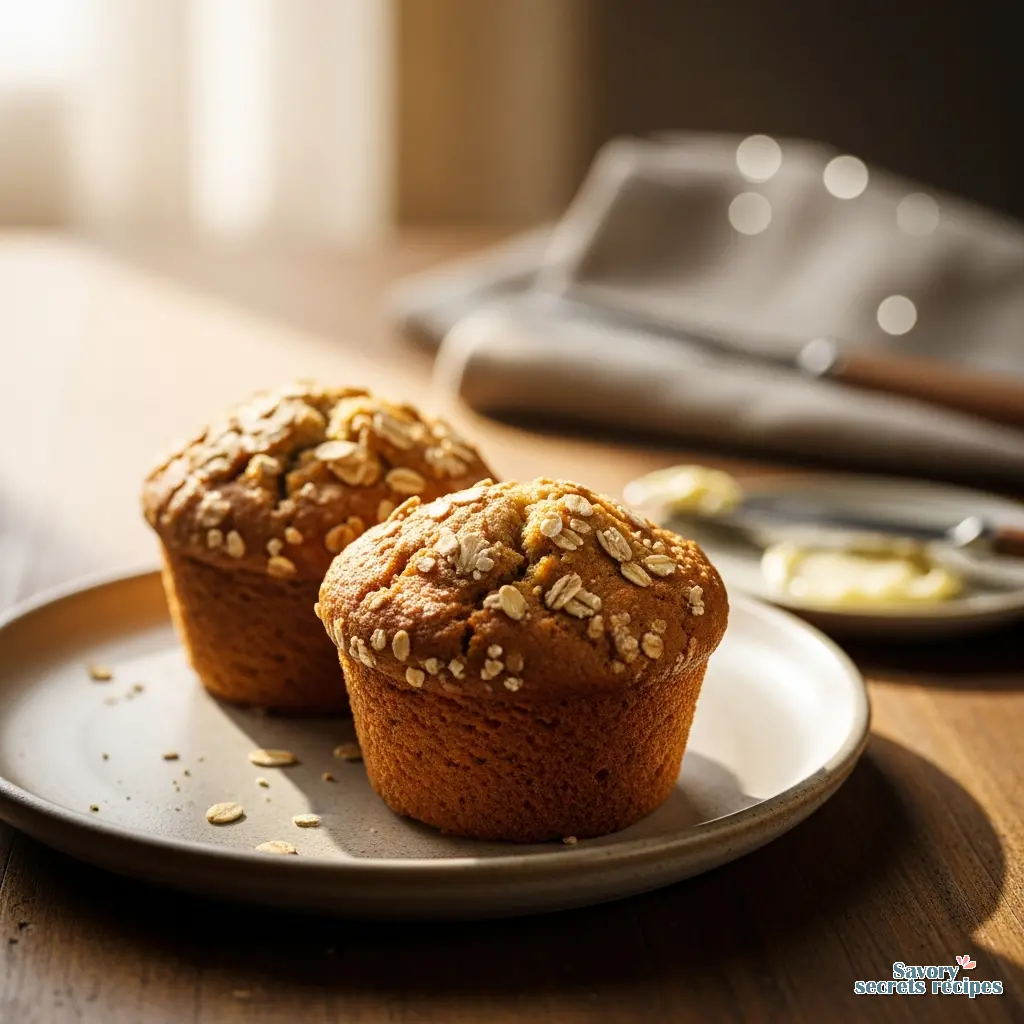
- Bake for 15 to 18 minutes or until a toothpick inserted into the center comes out clean, then let cool and remove from the tin to enjoy.
Nutrition
Notes
Why I Keep Brown Bananas on My Counter
I’m looking at three incredibly sad, spotted bananas on my counter right now. They’ve been sitting there since Tuesday, getting browner by the hour, and honestly? That’s exactly where I want them. My teta Samira would never throw away food she’d find a way to turn stale bread into Om Ali or bruised fruit into jam and I’ve carried that guilt (and resourcefulness) into my own kitchen in Jersey City.
But let’s be real. Between school drop-offs and deadlines, I don’t always have time to measure out flour, baking soda, and salt separately. That’s when I grab a box from the pantry. I’ve found that when you add banana to muffin mix, you bridge that gap between “I need breakfast now” and “I want something that tastes homemade.” It’s not just about saving the fruit. It’s about transforming a standard, slightly chemical-tasting box mix into something that smells like a bakery and feels like a warm hug on a cold morning.
I used to think using a mix was cheating. Now I know it’s just a different kind of chemistry. The trick isn’t just tossing fruit in; it’s understanding how that extra moisture changes the batter. Once you get the ratio right, nobody and I mean nobody will guess it came from a box.
The Moisture Rule: Balancing the Chemistry
Here’s what I’m noticing when people try this for the first time: they follow the box instructions blindly and then just dump the bananas in. The result? Gummy, dense muffins that sink in the middle. I’ve been there. It happens because you’re overloading the batter with liquid.
Bananas are heavy. They’re dense with water and sugar. When you add banana to muffin mix, you have to compensate for that extra weight. Let me think through this for a second. A standard box usually calls for water or milk, oil, and eggs. If you add two mashed bananas, you are essentially adding about 3/4 cup to 1 cup of liquid volume.
My Golden Rule: For every 1 cup of mashed banana (about 2 medium bananas) you add, you need to reduce the liquid called for on the box by half. If the box wants 1 cup of water, use 1/2 cup. If it wants milk, same deal. The oil and eggs usually stay the same because they provide the fat and structure needed to hold that heavy fruit up. The dough will tell you when it’s ready. It should look thick and spoonable, not runny like pancake batter. If it pours too easily, it’s too wet.
The Art of the Mash (Texture Matters)
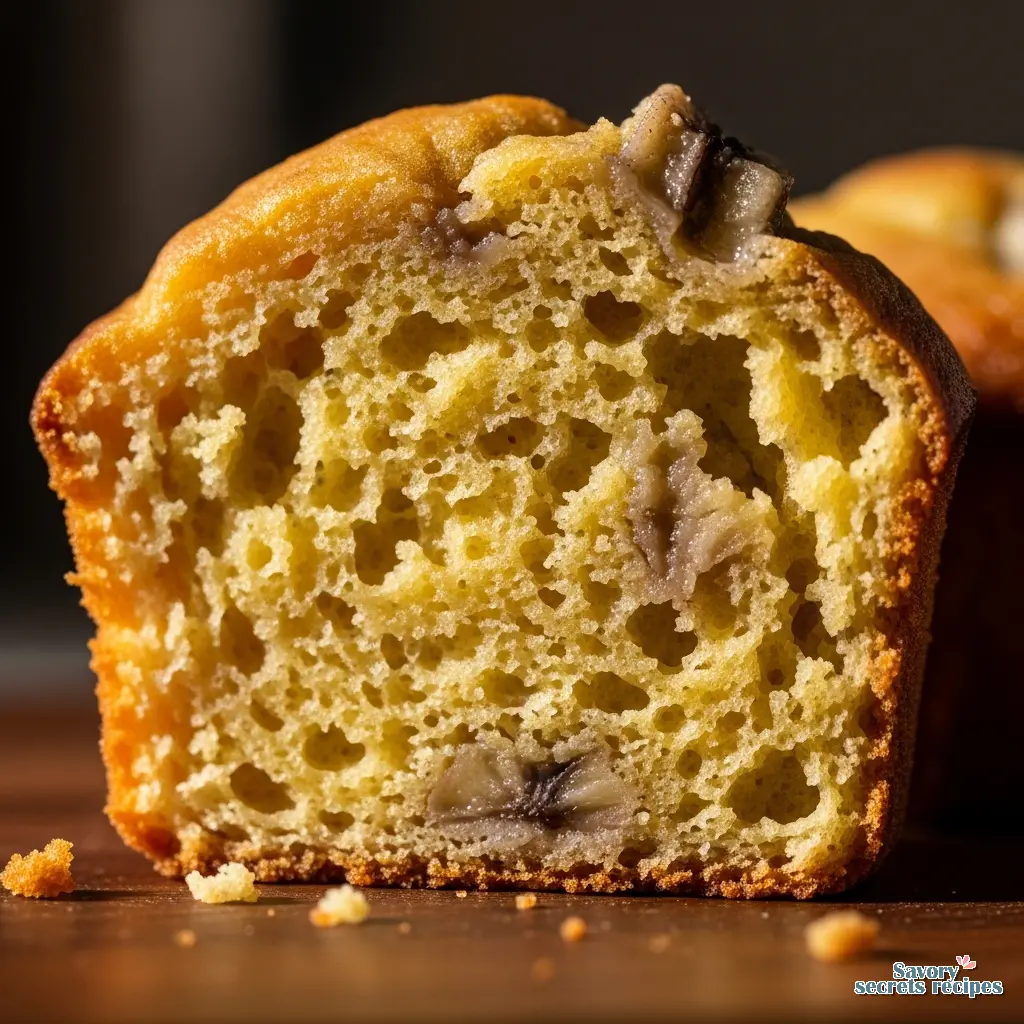
This might sound obsessive, but how you mash the banana changes the crumb. My daughter loves to help with this part, and I let her go wild with the potato masher. But I’ve learned that for the best texture, you don’t want a completely smooth puree. You want small chunks.
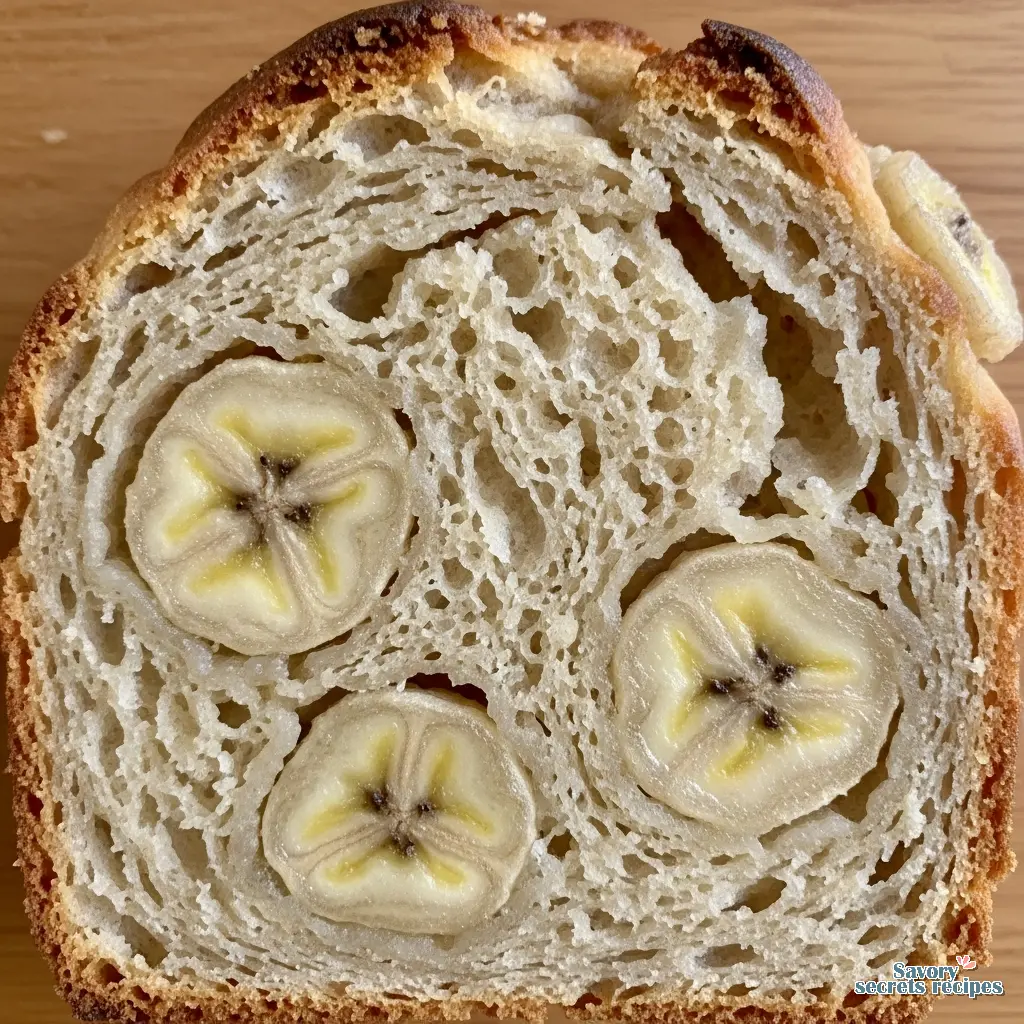
I usually mash them on a flat plate with a fork rather than in a bowl. It gives you more control. Those little lumps of banana create pockets of intense sweetness in the baked muffin. If you puree it until it’s liquid, you lose that textural contrast. Plus, overworking the fruit can make the final muffin a bit gluey. Keep it rustic. Imperfection is good here.
Frozen Bananas: The “Liquid Gold” Debate
I keep a stash of black bananas in my freezer. It’s a habit I can’t break. But using frozen bananas requires a slightly different approach than fresh ones. When you thaw a frozen banana, it releases a lot of clear, syrupy liquid. I call this “liquid gold” because it’s pure flavor, but it’s also a structural nightmare for boxed mixes.
Here’s what I’m noticing. If you dump that liquid into the batter along with the fruit, your muffins will be soggy. They might not even bake through in the middle. But if you drain it all away, you lose flavor. The compromise? I thaw the bananas in a bowl, mash them with their liquid, and then measure. If the mixture is very runny, I will reduce the added water from the box instructions by an extra tablespoon or two. I need to test that assumption every time because every batch of fruit is different, but generally, less added water is safer with frozen fruit.
Also, make sure those frozen bananas are fully thawed. If you add semi-frozen chunks to the batter, they will lower the baking temperature in pockets around the muffin, leading to underbaked spots. I’ve seen this go both ways, but room temperature is always your friend in baking.
Doneness Indicators: Beyond the Timer
The box says 15 to 20 minutes. Ignore it. Well, use it as a guide, but don’t trust it blindly. When you add banana to muffin mix, you are adding density and moisture. This means the heat takes longer to penetrate to the center of the muffin. In my oven (which runs hot, I swear), these usually take about 5 to 8 minutes longer than the box says.
I rely on two tests. First, the smell. The smell shifts right before it’s done. You’ll smell the caramelized sugar and the banana distinctly. Second, the “bounce” test. Open the oven and gently press the center of a muffin. If it stays indented, it’s raw. If it springs back against your finger, it’s set. A toothpick is okay, but sometimes you hit a banana chunk and think it’s wet batter when it’s just fruit. The bounce never lies. Checking the internal banana bread temperature with a thermometer is another foolproof way to ensure they are fully baked.
Variations That Track with Tradition
My teta would always add a pinch of cinnamon to anything with fruit. She said it “woke up” the flavor. I do the same here. Even if it’s not a spice cake mix, a half teaspoon of cinnamon or cardamom does wonders. It bridges the flavor of the yellow cake mix and the fresh banana.
If you want to get fancy, walnuts are classic. They add a necessary crunch to contrast the soft muffin. Chocolate chips are a favorite with my daughter, obviously. But here’s a tip: toss your mix-ins (nuts or chips) in a little bit of the dry muffin mix before folding them in. This prevents them from sinking to the bottom of the tin. Gravity is real, and heavy nuts will fall through a light batter if you don’t give them some friction. For a deeper chocolate flavor, I often look at banana and cocoa powder recipes to see how to balance the dry ingredients. Adding a sweet banana bread topping like brown sugar or streusel can also help hide any minor imperfections on the surface.
Visual Troubleshooting
Batter is too stiff: If you can’t stir it without struggle, add water one tablespoon at a time. It should be thick but movable.
Batter is too runny: If it looks like soup, you might have added too much liquid. Let it sit for 5 minutes. The flours might hydrate. If it’s still runny, you can add a tablespoon of oats or flour to tighten it up. If you find yourself out of all-purpose, you might wonder can you use bread flour for muffins to achieve that desired thickness.
Storage: Keeping Them Fresh
Because these have fresh fruit in them, they have a shorter shelf life than plain box muffins. I’ve learned this the hard way after leaving a batch out for four days mold loves moisture. Store them in an airtight container at room temperature for up to 3 days. If you line the container with a paper towel, it helps absorb excess moisture and keeps the tops from getting sticky.
For longer storage, freeze them. I wrap them individually in plastic wrap and then put them in a zip-top bag. They thaw in a lunchbox by noon, and honestly, they taste just as good. It’s a lifesaver for those mornings when making breakfast just isn’t happening.
Frequently Asked Questions
Happy Baking
There is something really satisfying about taking a shortcut and making it taste like you spent hours in the kitchen. When your family asks for the recipe, it’s up to you if you tell them it’s a box! I won’t tell if you don’t. Grab those brown bananas, preheat your oven, and fill your kitchen with that incredible smell. For more inspiration, check out my Pinterest boards where I save all my favorite baking hacks.
Happy baking!
Reference: Original Source
Can I add fresh banana to a boxed muffin mix?
Absolutely. You can add banana to muffin mix easily, but you must reduce the liquid (water or milk) called for on the box. I usually swap 1 cup of mashed banana for about half the required liquid to keep the texture right. It adds moisture and flavor.
Do banana muffins need to be refrigerated?
Not immediately. They are fine on the counter in an airtight container for about 3 days. However, because of the fresh fruit content, if your kitchen is warm or humid, the fridge might extend their life to 5 days, though it can dry them out slightly.
Can you use gluten-free cake mix for banana muffins?
Yes, this works well. Gluten-free mixes often benefit from the extra moisture and structure that bananas provide. Just be careful not to overmix, even with gluten-free flours, as it can affect the rise. The baking time might need an extra few minutes.
How do I know when the muffins are done?
Use the bounce test. Gently press the center of the muffin; it should spring back. A toothpick should come out mostly clean, but a few moist crumbs are okay since we added fruit. If it’s wet batter, give it another 3 to 5 minutes.
What if the batter appears too dry after adding banana?
Don’t panic. Let it sit for a minute. The sugar in the banana will start to draw out moisture. If it’s still stiff like cookie dough, add water one tablespoon at a time until it’s spoonable. You want it thick, not runny.