



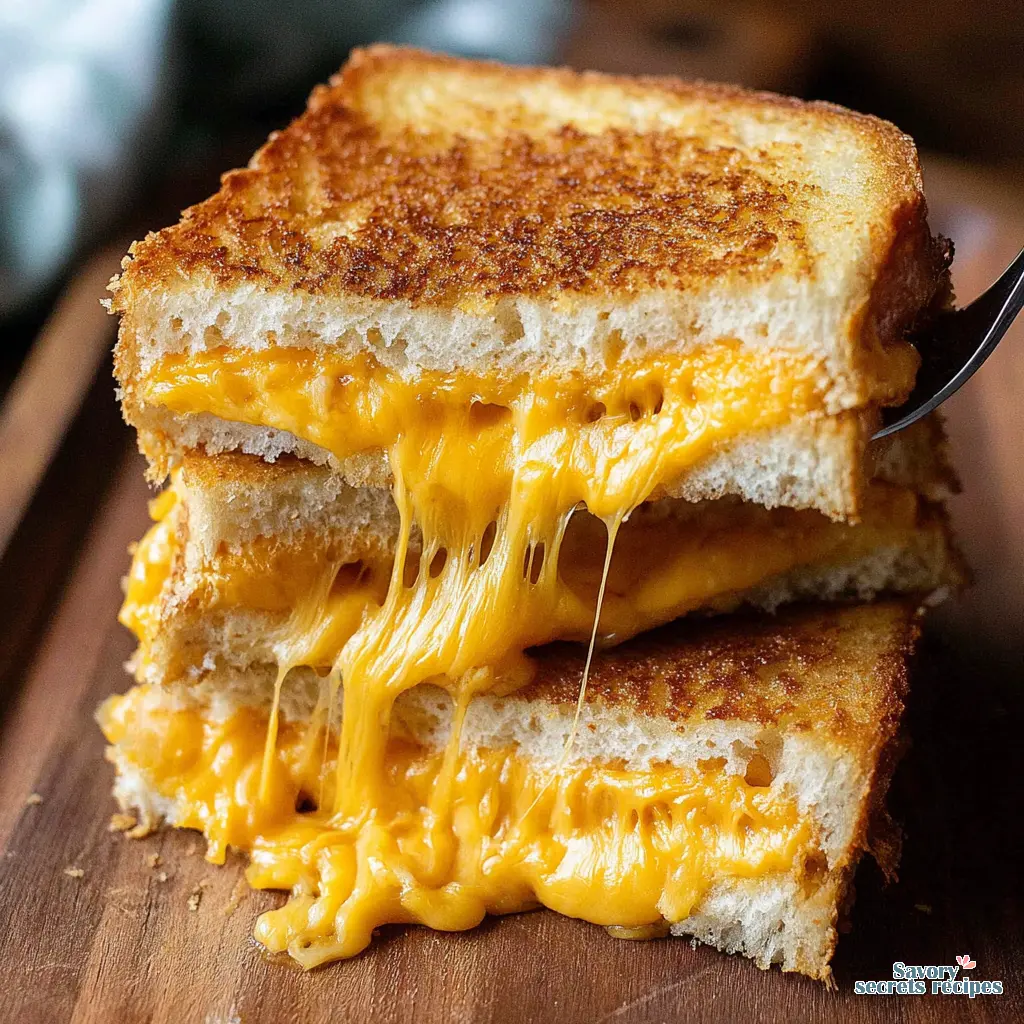
Perfect Your Parmesan Crusted Grilled Cheese Technique
Ingredients
Method
- Spread softened butter on one side of each bread slice and place them butter-side down on a baking sheet.
- Layer the cheese onto the unbuttered side of the bread slices.
- Place the remaining bread slices on top with the buttered side facing up.
- Bake for 5 minutes, flip each sandwich, and continue toasting until the bread is golden brown and the cheese is melted.
Nutrition
Notes
The Secret to Truly Crispy Grilled Cheese Bread
I remember standing on a milk crate at my grandfather’s taqueria in San Antonio, watching him work the flat top grill. The mesquite coals radiated heat, and he would test the temperature just by holding his hand over the steel. He knew exactly when the surface was ready to create that perfect crust on a tortilla. Years later, I realized that exact same principle applies to making the ultimate crispy grilled cheese bread. Heat control is everything.
Here’s the deal. Most of us grew up slapping some butter on white bread, cranking the stove to high, and hoping for the best. You usually end up with a charred exterior and a cold, unmelted center. Not gonna lie, I ate a lot of those as a kid. But if you want a gourmet grilled cheese with a shattering crunch that sounds like a symphony when you cut into it, we need to rethink the basics.
Creating the perfect crispy grilled cheese bread isn’t about rushing. It’s about respecting the ingredients and managing your heat. I know this sounds a bit intense for a simple sandwich, but trust me on this. Once you understand how the fat interacts with the bread under medium-low heat, you’ll never look at a cheesy toasted sandwich the same way again.
Quick Wins for the Ultimate Cheesy Toasted Sandwich
Let me walk you through this. Before we get into the heavy science of smoke points and cast iron, you need a few quick wins under your belt. These are the non-negotiable rules I follow every single time I fire up the stove for a sandwich. This simple approach makes it a fantastic easy lunch sandwich idea for those busy weekdays when you want quality without the wait.
First, you have to grate your own cheese. I can’t stress this enough. Pre-shredded cheese from a bag is coated in anti-caking agents like potato starch or cellulose. That stuff literally prevents the cheese from melting smoothly. If you want that perfect melted center, grab a block of sharp cheddar and a box grater. Takes two minutes. Worth it.
Second, spread your fat all the way to the absolute edges of the bread. Don’t just dab it in the middle. The edges are where the crust structure is weakest, and they need that fat to fry properly in the pan. A dry edge is a burnt edge.
Finally, cook it low and slow. I tend to think people rush this process because they’re hungry. Fair enough. But if you blast the bread with high heat, the outside burns before the inside even gets warm. Let it ride on medium-low. You want the cheese to melt at the exact same pace the bread toasts.
The Bread Guide: Sourdough, Ciabatta, and the Pullman Loaf
Your crispy grilled cheese bread is only as good as its foundation. If you use soft, airy white bread from a plastic bag, it’s going to compress into a soggy wafer the second you press it with a spatula. You need structural integrity.
Sourdough is widely considered the gold standard here, and that tracks. The natural acidity balances the rich, fatty cheese perfectly. But here’s what I wish someone had told me early on. You have to watch the hydration level of your sourdough. Artisan loaves with huge, beautiful air pockets look great on Instagram, but they are terrible for this application. Those big holes are basically escape hatches for melted cheese. The cheese leaks out, hits the hot pan, and burns.
You want a tight, even crumb. A thick-sliced pullman loaf is fantastic because of its density and square shape. If you prefer something crustier, a sturdy ciabatta bread works wonders. Just make sure you slice it to about half an inch thick. Any thicker, and the heat won’t penetrate to the cheese. Any thinner, and the bread falls apart.
The Science of the Perfect Melt (And the Mayo vs Butter Debate)
Real talk, the mayo vs butter for crispy grilled cheese debate gets surprisingly heated. Both have their merits, but understanding the science behind them gives you the power to choose.
Butter, specifically unsalted butter, gives you that classic, nostalgic flavor. But butter contains milk solids and water. Those milk solids have a relatively low smoke point, meaning they burn quickly. Mayonnaise, on the other hand, is basically an emulsion of oil and egg yolks. It has a much higher smoke point, which means it browns beautifully without scorching. If you prefer a more traditional flavor profile, following a specific buttery grilled cheese recipe can help you achieve that nostalgic taste while maintaining the right texture.
So, what’s the best approach for crispy grilled cheese bread? I use a hybrid method. I put a very thin layer of mayonnaise on the absolute exterior of the bread to guarantee that golden brown, edge-to-edge crust. Then, I melt a tiny knob of salted butter directly in the pan for flavor. You get the high-heat protection of the mayo and the rich taste of the butter. Nailed it.
The Shred-Your-Own Cheese Rule
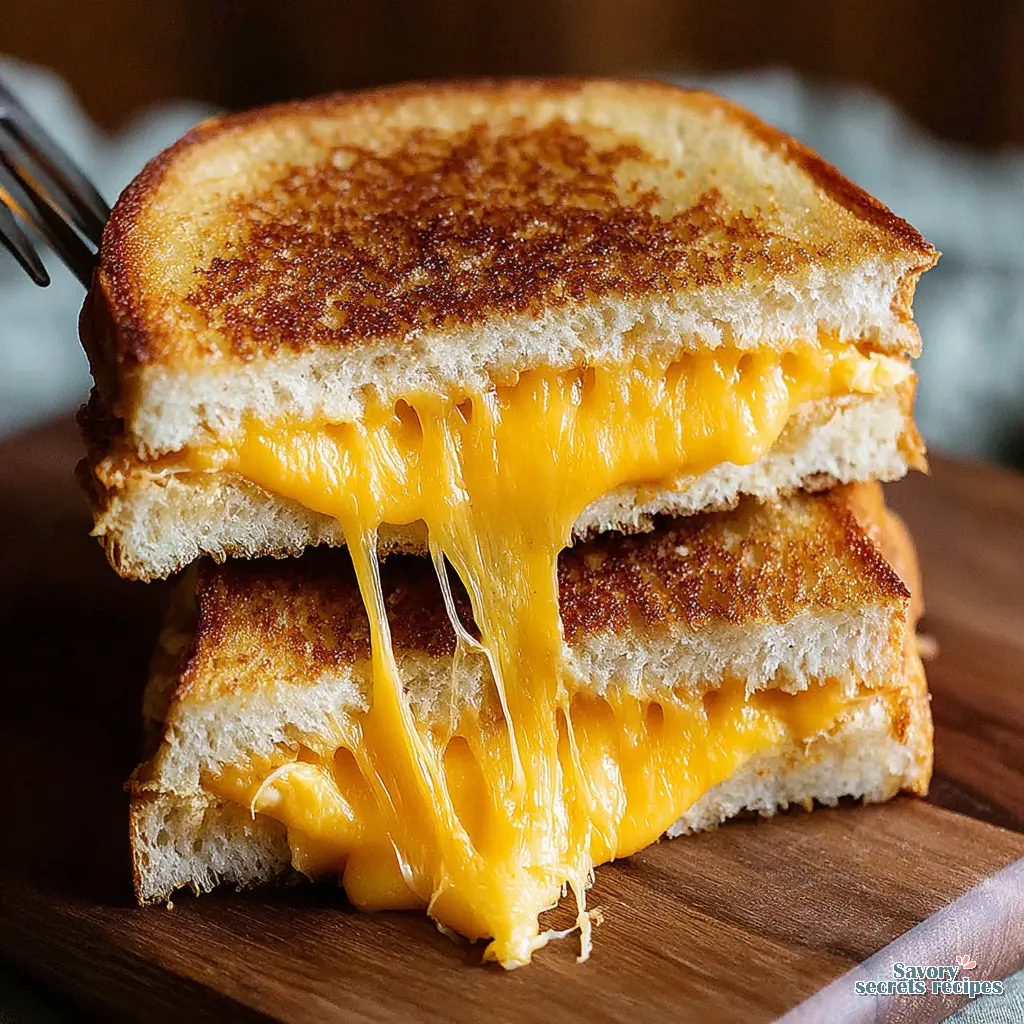
If you’re going to take the time to build a proper sandwich, your cheese selection matters. You need a mix of cheeses. One for stretch, and one for sharp flavor. I usually go with a sharp cheddar for that deep, tangy punch, and low-moisture mozzarella for the dramatic cheese pull.
If you want to get really fancy, gruyere is incredible. It melts like a dream and has this nutty profile that pairs beautifully with sourdough. Just remember my golden rule. Grate it yourself. It melts faster, smoother, and tastes infinitely better.
Here is a fun trick if you want to level up. Try the parmesan crusted grilled cheese technique. After you spread your mayo on the outside of the bread, press a handful of finely grated parmesan cheese directly into the spread. When it hits the hot pan, the parmesan toasts into a crispy, frico-like lace that adds a massive savory crunch. That’s the sweet spot right there.
Technique: Low and Slow Heat
When I teach people about grilling, I always talk about building your fire in zones. You need a hot zone for searing and a cool zone for finishing. Cooking crispy grilled cheese bread on a stove is similar. You want a steady, medium-low heat.
Place your sandwich in the pan and just let it ride. Don’t press it down immediately. Let the heat gently coax the Maillard reaction out of the bread. You are looking for that crust to set up slowly. I usually wait about four to five minutes before checking the bottom.
Once you flip it, that is when you can apply a little pressure. Use a wide spatula and press down evenly, just enough to ensure the entire surface makes contact with the pan. If you press too hard, you’ll squeeze all the melted cheese out the sides.
Cast Iron vs Non-Stick Skillet Test
I’ve tested this recipe on just about every surface imaginable. In my experience, though your mileage may vary, a heavy skillet is absolutely required for the best results.
A non-stick pan is convenient, sure. It’s easy to clean, and the bread won’t stick. But it doesn’t hold heat evenly. You often end up with hot spots that toast one half of the bread while the other stays pale.
A well-seasoned cast iron skillet is the undisputed champion here. Cast iron absorbs heat and distributes it perfectly across the entire surface of the bread. It gives you that deep, even, golden brown color and a truly shattering crunch. Just make sure you preheat the cast iron slowly for about five minutes before the bread ever touches it.
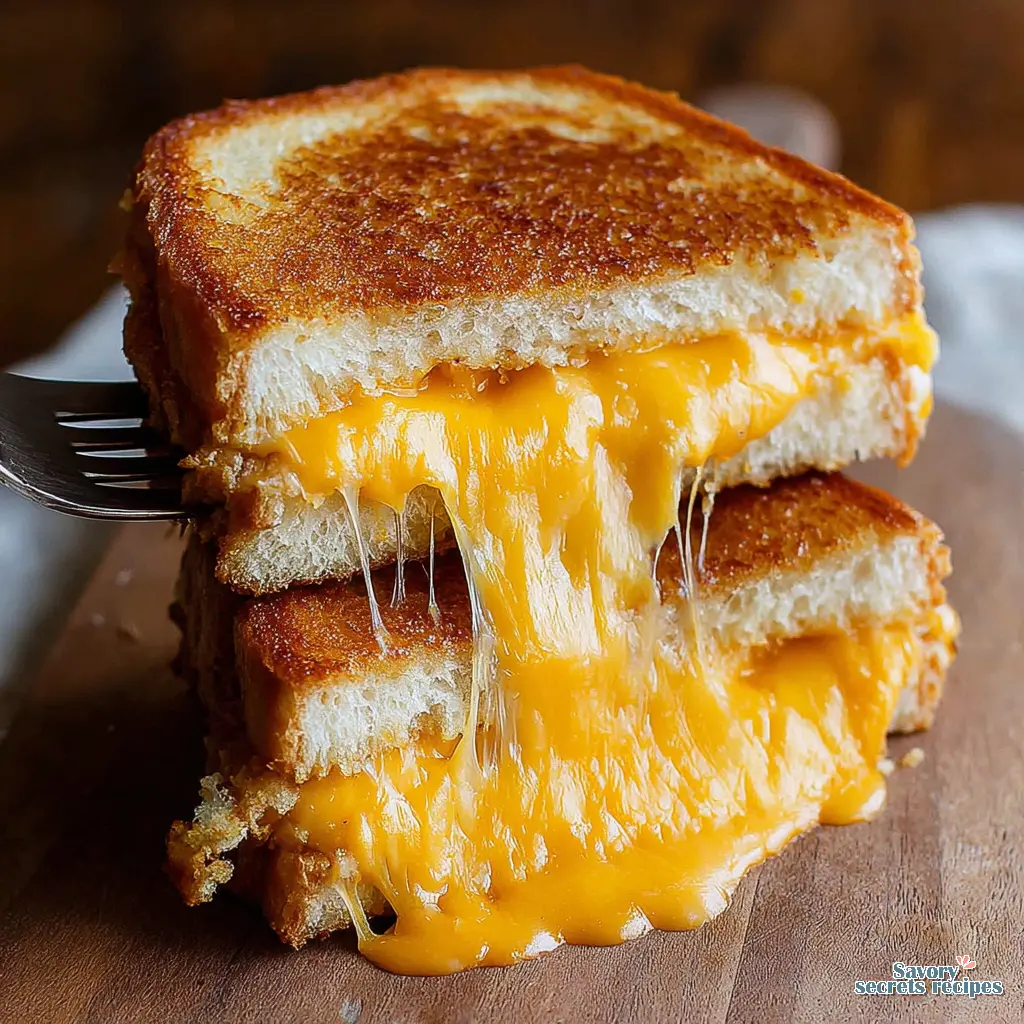
Visual Troubleshooting Guide for Crispy Grilled Cheese Bread
Even with the best intentions, things go wrong. I once completely charred a beautiful sourdough loaf because I got distracted by a phone call. Trust your thermometer, not the clock, and always keep an eye on the pan. Here is how to fix the most common issues.
Common Mistakes & Fixes
Mistake: The bread is burnt but the cheese isn’t melted.
Solution: Your heat is way too high. Turn the burner down to medium-low. If the bread is already getting too dark, pull the pan off the heat entirely and cover it with a lid for two minutes. The trapped residual heat will melt the cheese without burning the crust further.
Mistake: The sandwich is soggy and greasy.
Solution: You likely used too much fat, or your pan wasn’t preheated. You only need a thin, translucent layer of mayo or butter. Always make sure the pan is warm before adding the sandwich so it starts frying immediately instead of just soaking up cold oil.
Mistake: The cheese leaked out and burned on the pan.
Solution: You probably used bread with holes that were too large, or you pressed down too hard with the spatula. Use denser crusty bread next time, and use a lighter touch when flipping.
Storage & Reheating: Skillet vs Air Fryer
Look, I always recommend eating your crispy grilled cheese bread immediately. That first bite right out of the pan is magic. But if you made too many, or you are doing some meal prep, you can save them.
Store leftovers in an airtight container in the refrigerator for up to two days. When it comes time to reheat, whatever you do, do not use the microwave. A microwave turns that beautiful crust into a rubbery, damp sponge. It breaks my heart just thinking about it.
The best way to reheat is right back in the skillet. Put it over medium-low heat with no extra fat, and let it warm through for about three minutes per side. If you have an air fryer, that works brilliantly too. Toss it in at 350°F for about three to five minutes. It restores the crispiness perfectly. The ability to reheat it effectively makes this a reliable quick comfort food sandwich that you can enjoy even on a tight schedule.
Frequently Asked Questions
Bringing It All Together
Making the perfect crispy grilled cheese bread isn’t about complicated culinary degrees. It’s about respecting the process, managing your heat, and using the right ingredients. Whether you go with the classic butter method or try the mayo trick, the goal is that beautiful, golden crunch.
Next time you’re craving a cheesy toasted sandwich, take an extra five minutes. Grate your own cheese, grab a sturdy loaf of sourdough, and let that cast iron skillet do the heavy lifting. I promise you, the results will blow your standard weeknight sandwich out of the water. For more inspiration, check out my Pinterest boards where I share tons of fire-cooking and grilling ideas. Let me know how your crispy grilled cheese bread turns out, and don’t forget to listen for that crunch when you cut it.
Reference: Original Source
How can I make my crispy grilled cheese bread extra crispy every time?
The secret is moisture control and steady heat. Use a thin, even layer of mayonnaise on the outside instead of butter, as it has a higher smoke point. Cook it in a preheated cast iron skillet over medium-low heat so the crust dehydrates and toasts slowly.
What is the secret to the best parmesan crusted grilled cheese technique?
Spread a thin layer of mayo on your bread, then firmly press finely grated parmesan directly into the spread before it hits the pan. The mayo acts as a binder, and the parmesan toasts against the hot skillet, creating an incredibly savory, crispy outer lace.
In the mayo vs butter debate, which one works better?
Honestly, I prefer a hybrid approach. Mayo is better for achieving a deep, even crust without burning because of its higher smoke point. However, unsalted butter offers superior traditional flavor. I use mayo on the bread exterior and melt a tiny bit of butter in the pan.
How do you make a cheesy toasted sandwich in the oven without it getting soggy?
If making crispy grilled cheese bread for a crowd in the oven, preheat a heavy baking sheet first. Butter or mayo the outsides of your sandwiches, place them on the hot sheet, and bake at 400°F. Flip them halfway through. The preheated pan ensures the bottom crisps immediately.
What kind of bread is best for achieving the ultimate crispy grilled cheese bread?
You need bread with a tight, sturdy crumb. A thick-sliced pullman loaf or a dense sourdough works perfectly. Avoid artisan breads with massive air holes, as the cheese will just melt through the gaps and burn directly onto your skillet.
Why is my bread burnt but the cheese isn’t melted?
Your pan was too hot. It is a common mistake. You need to cook the sandwich low and slow on medium-low heat. This gives the heat enough time to penetrate the bread and melt the cheese before the exterior crust burns.
Can I use pre-shredded cheese for my crispy grilled cheese bread?
I strongly advise against it. Pre-shredded cheese is coated with anti-caking powders like cellulose to prevent clumping in the bag. These powders prevent the cheese from melting into that smooth, gooey texture you want. Always take two minutes to grate your own block cheese.