



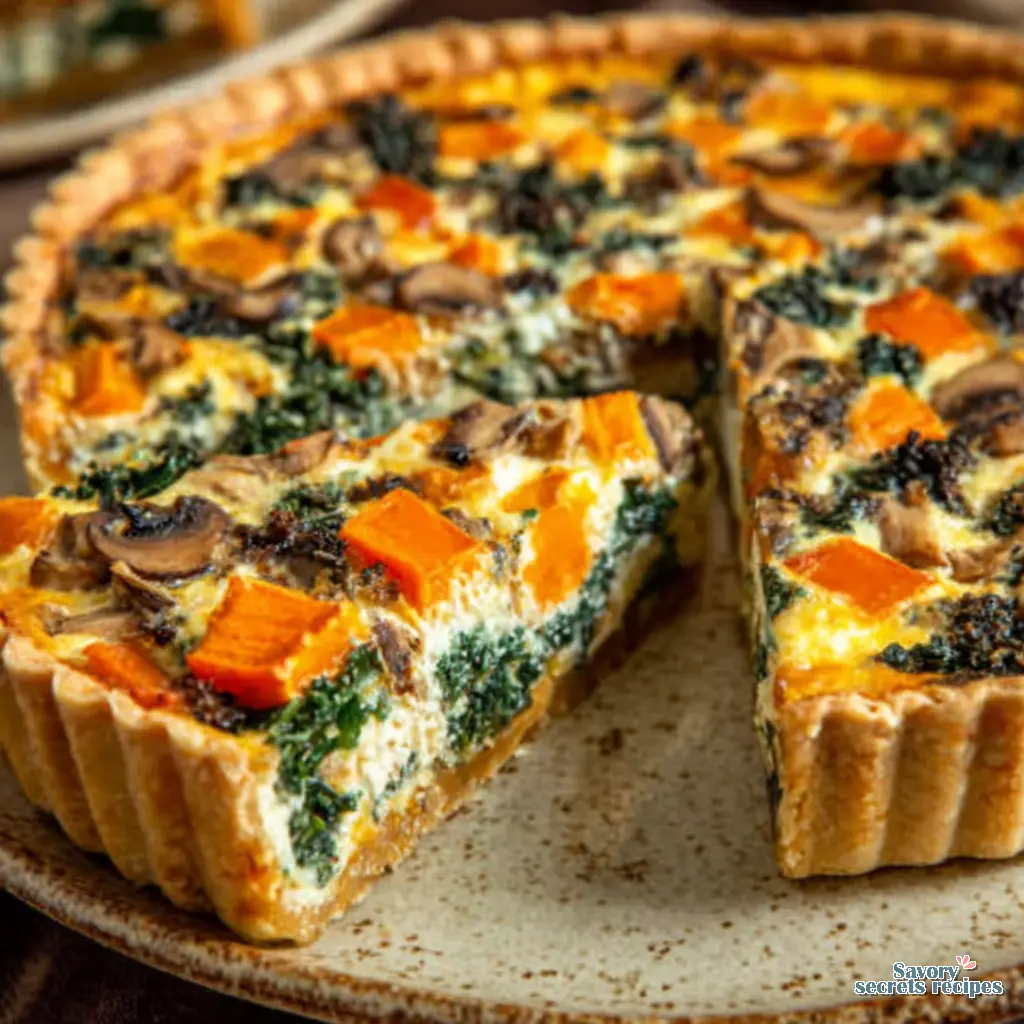
Deep Dish Baked Vegetable Quiche for Hearty Winter Dinners
Ingredients
Method
- Preheat your oven to 375°F (190°C).
- Sauté the onion, mushrooms, and butternut squash in a skillet until they are tender.
- Add the chopped kale and continue cooking until it has wilted.
- Whisk the eggs, milk, salt, and pepper together in a bowl.
- Distribute the sautéed vegetables in an even layer within the pie crust.
- Pour the egg mixture over the vegetables and top with cheese.
- Bake for 35 to 40 minutes until the quiche is set and the top is golden brown.
- Allow the quiche to cool for several minutes before slicing and serving.
Nutrition
Notes
The Secret to a Perfect Vegetarian Quiche Dish
It is a Tuesday evening, you are exhausted from holiday traffic on the 405, and you need a dinner that actually feels like a complete meal. I know the feeling well. You want something deeply satisfying, something that makes you forget you are eating a meatless main. That is exactly where a proper vegetarian quiche dish saves the day. Let’s be clear about this. A good quiche is not just a bunch of random vegetables thrown into a bowl of scrambled eggs. It is a calculated, beautiful savory tart.
My grandmother Zoya taught me to make proper pirozhki in her Brighton Beach kitchen. She insisted on exact measurements and watched dough temperature like a hawk. I apply that exact same philosophy to this deep dish baked vegetable quiche. Temperature matters here. Moisture control matters here. When the LA winter weather finally drops to a brisk 60 degrees, it is the perfect excuse to turn on the oven and fill your kitchen with the smell of roasting spring carrots and caramelized leeks.
I know this sounds complicated, but you’ve got this. Once you understand the basic custard ratio and the importance of a blind bake, this hearty vegetarian quiche for dinner becomes incredibly easy. It looks fancy enough for a weekend brunch, but it takes shockingly little active time. Your family will be impressed, and honestly, you’ll be pretty proud of yourself too.
The Science of the Custard Ratio
We’re not guessing on this one. The difference between a watery, sad pie and the best roasted vegetable quiche recipe you’ve ever tasted comes down to the math. Zoya used to make me calculate baker’s percentages on paper before I was allowed to touch the flour. I hated it then, but she was right. Baking is math you can eat.
For a silky, rich vegetarian quiche dish, you need the correct ratio of dairy to eggs. The standard rule is one part egg to two parts liquid by weight. I prefer using whole milk or a mix of heavy cream and milk. If you try to swap in unsweetened almond milk without adjusting your expectations, the texture will change. It won’t be ruined, but it won’t have that velvety, luxurious mouthfeel. I like to use an electric mixer to ensure a silky smooth custard before pouring it over the layered vegetables. It aerates the eggs just enough to give the final dish a beautiful lift.
Vegetable Prep: Why Cooking First Matters
If you take away just one lesson from me today, let it be this. Do not put raw vegetables into your quiche custard. That’s not how this works. Raw vegetables are essentially little sponges filled with water. If you skip the cooking step, they will steam inside the egg mixture, weeping liquid and completely destroying your crust. I learned this the hard way during a recipe testing phase where I tried to save time. It was a disaster.
You need to roast your vegetables first. Toss your diced butternut squash, sliced mushrooms, and spring carrots with a little olive oil, fresh thyme, and rosemary. Spread them on a sheet pan and let the oven do the work. You want those caramelized leeks and roasted vegetables to develop deep, concentrated flavors. Squeeze excess water out of your spinach with a kitchen towel until it is completely dry. This concentration of flavor is what gives a vegetarian dinner its satisfying umami punch. I follow these same rules when preparing my signature Spring Vegetable Quiche.
The ‘No Soggy Bottom’ Guide
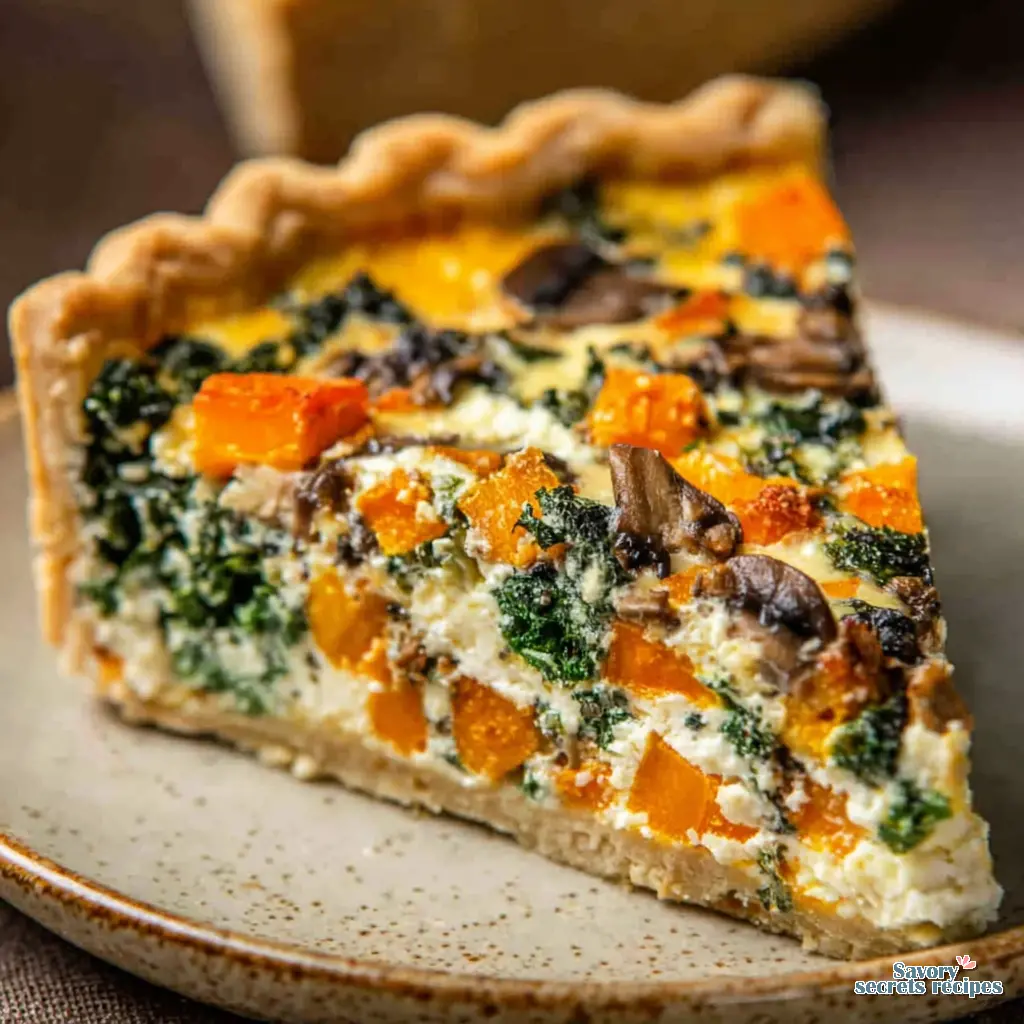
A soggy crust is a tragedy. To prevent it, we must blind bake. I need you to show me your process here, because skipping this step is the number one reason home cooks fail at making a proper savory tart. Blind baking simply means pre-baking the crust before adding the wet filling. Line your chilled dough with parchment paper, fill it with pie weights or dried beans, and bake it until the edges are set.
I know making pastry from scratch is intimidating. Honestly, a high-quality store-bought crust is perfectly fine for a weeknight vegetarian quiche dish. I usually grab one during my weekly Ralphs or Trader Joe’s run. If you use a store-bought crust, keep it cold. Cold pastry bends without breaking, and the butter needs to stay solid to create those beautiful flaky layers. Always bake your quiche in the bottom third of the oven to ensure the bottom crust gets enough ambient heat to brown properly. However, a solid crust is the most important part of any homemade quiche recipe.
Common Mistakes & Fixes
Mistake: The crust shrinks down the sides of the pan.
Solution: Your dough was too warm when it went into the oven. Chill the lined pan in the freezer for 15 minutes before blind baking. Temperature matters here.
Mistake: The edges of the crust are burning before the center is cooked.
Solution: You need a crust shield. Gently fold strips of aluminum foil over the edges of the crust halfway through the baking time to protect them from the harsh heat.
Mistake: The quiche is watery after slicing.
Solution: You either skipped roasting the vegetables, or you sliced it while it was lava-hot. A baked vegetable quiche needs to rest for at least 20 minutes to let the custard set completely.
Layering and The Jiggle Test
When assembling your deep dish baked vegetable quiche, think about the cross-section. You want every slice to look like a masterpiece. I prefer using a springform pan for a truly impressive, towering quiche, but a standard deep-dish pie plate works beautifully too. Place your pan on a rimmed baking sheet before filling it. This makes transferring it to the oven infinitely safer and catches any accidental butter drips.
Scatter your roasted radishes, mushrooms, and caramelized onions evenly across the bottom. Next, add your cheese. A mix of sharp parmesan cheese for umami and creamy goat cheese creates a brilliant flavor profile. Finally, pour the silky egg custard over the top. Now, how do you know when it is done? You use the jiggle test. Gently nudge the pan. The edges should be completely set and slightly puffed, while the very center should have a slight, controlled wobble. It should look like set gelatin, not liquid soup. That’s the correct instinct. The residual heat will finish cooking the center as it cools.
Storing and Reheating Your Masterpiece
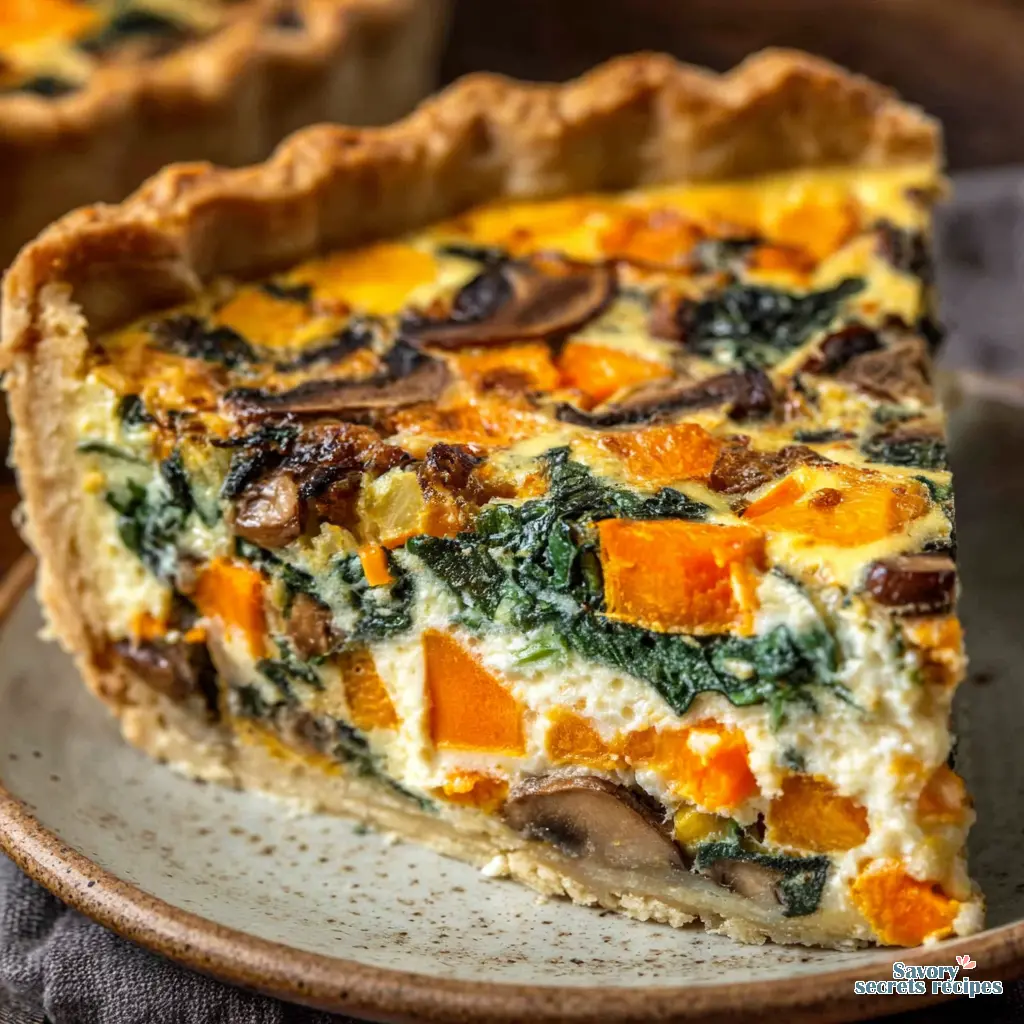
If you are meal prepping for a busy week, this vegetarian quiche dish is your best friend. I actually think it tastes better the next day after the flavors have had time to meld in the fridge. To store it, let the quiche cool completely to room temperature. If you wrap it while it is still warm, condensation will build up and ruin your perfectly crisp crust. Wrap it tightly in plastic wrap or aluminum foil, and it will keep beautifully in the refrigerator for up to 4 days.
When you are ready to eat, skip the microwave if you care about the crust. The microwave turns pastry into rubber. Instead, place your slice on a baking sheet and pop it into a 350°F oven for about 15 minutes until it is heated through. It restores that incredible buttery smell and brings the crust back to life. Serve it alongside a bright green salad with a sharp balsamic glaze to cut through the richness of the custard.
Frequently Asked Questions
Final Thoughts from the Kitchen
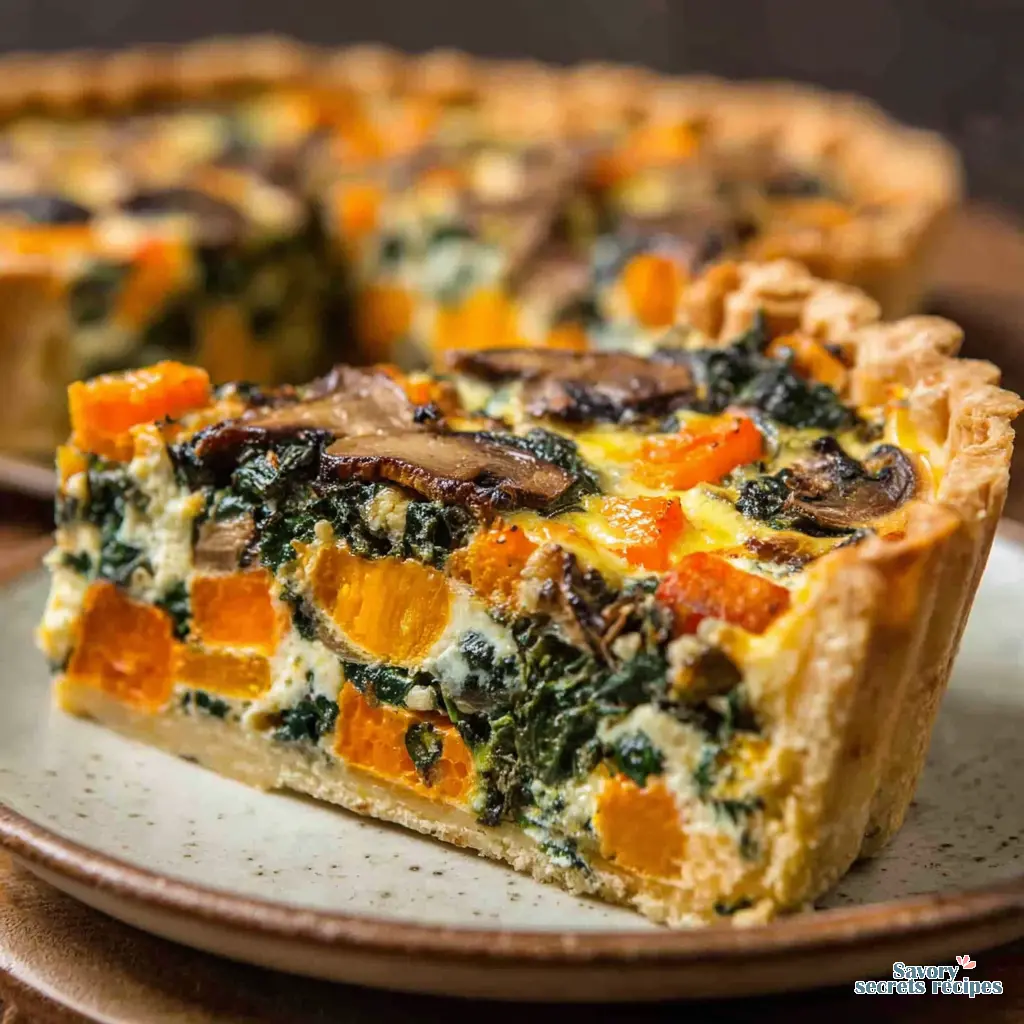
Making a truly spectacular vegetarian quiche dish doesn’t require culinary school training. It just requires a little patience, respecting the temperature of your ingredients, and trusting the process. Once you understand how to manage the moisture in your vegetables and the ratio of your custard, you can experiment with endless variations. Swap the butternut squash for caramelized onions, or use asparagus when it hits the spring farmers markets.
I hope you try this technique the next time you need a reliable, impressive meatless main. Don’t worry if your first crust isn’t perfectly crimped. Even when they’re not perfect, they’re still pretty great. For more inspiration and variations on savory baking, check out my Pinterest boards where I save all my favorite seasonal flavor combinations. Happy baking, and remember, watch the texture, not just the clock.
Reference: Original Source
Can I make this vegetarian quiche dish ahead of time?
Absolutely. You can bake the entire vegetarian quiche dish a day in advance. Let it cool completely, cover it tightly, and keep it in the fridge. Reheat the whole quiche in a 325°F oven for about 20 to 25 minutes before serving. It is a fantastic time-saver for weekend brunches.
Why is my baked vegetable quiche watery?
This usually happens for two reasons. Either you didn’t roast the vegetables long enough to cook out their natural moisture, or you over-baked the custard. When eggs overcook, the proteins tighten and squeeze out liquid. Watch the jiggle test carefully to prevent this.
Can you freeze a hearty vegetarian quiche for dinner?
Yes, it freezes surprisingly well. Cool the baked quiche completely, wrap it tightly in a double layer of plastic wrap, followed by foil. It lasts up to 2 months. Thaw it overnight in the fridge, then reheat it in the oven to crisp up the crust.
What type of cheese is best for a vegetarian quiche dish?
I prefer a blend of cheeses for maximum flavor. A sharp, aged cheese like gruyere, cheddar, or parmesan cheese provides a salty, umami base. Pairing that with a soft cheese like goat cheese or feta adds creamy pockets of tanginess that balance the rich egg custard beautifully.
What is the best pie crust for a deep dish baked vegetable quiche?
While homemade all-butter crust is magnificent, high-quality store-bought refrigerated dough works perfectly for weeknights. Look for brands that use real butter if possible. If you are making a deep dish version, a frozen deep-dish shell or a homemade dough pressed into a springform pan offers the best structural support.