



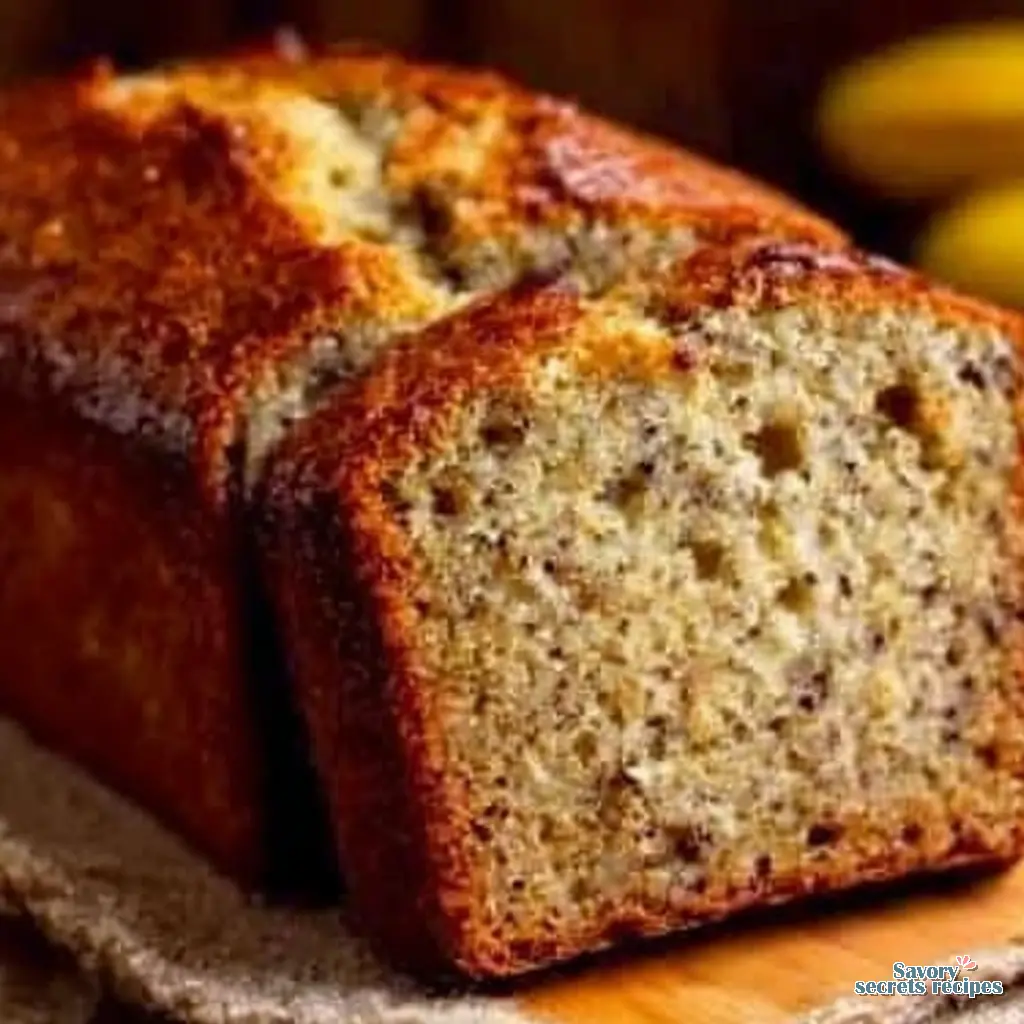
Best Moist Banana Bread Recipe for a Soft Loaf
Ingredients
Method
- Preheat oven to 350°F (175°C) and grease a 9x5-inch loaf pan.
- Mash ripe bananas in a mixing bowl with a fork until smooth.
- Stir melted butter into the mashed bananas until well combined.
- Mix baking soda and a pinch of salt into the banana mixture.
- Stir in granulated sugar, beaten egg, and vanilla extract until fully blended.
- Gradually mix in flour until just combined, being careful not to overmix.
- Pour batter into the prepared loaf pan and smooth the top with a spatula.
- Bake for 50–60 minutes until a toothpick inserted into the center comes out clean.
- Remove from oven and cool in the pan for 10–15 minutes before transferring to a wire rack to cool completely.
- Slice and serve once the bread has cooled completely.
Nutrition
Notes
* " Format EACH tip as: ' Topic: Personal insight or tip.' with a period
The Only Moist Banana Bread You Actually Need
We have all been there. You spend an hour measuring ingredients, your kitchen smells amazing, you slice into a beautiful loaf, take a bite, and it is basically sand. Straight up, I have baked bricks before. Not gonna lie, pulling a dry, dense loaf out of the oven is uniquely frustrating. It feels like a massive waste of time and good ingredients.
During these cooler LA winter months when we actually use our ovens, my house smells like cinnamon and caramelized sugar constantly. I have been testing this moist banana bread recipe relentlessly. I wanted a tender, cake-like crumb that stays soft for days. This is the only moist banana bread recipe worthy of your Easter brunch table or a slow Sunday morning.
I’ve been teaching my daughter to crack eggs for this exact batter. She’s got about a 60% success rate, which means 40% of the time I’m fishing shells out of the bowl. But her face when she gets a clean crack is worth every shell I’ve picked out. Making this together has become our weekend ritual.
Let’s walk it back a second. Before we even mix anything, I want to share a few quick wins that I use to guarantee a moist crumb every single time. These are the non-negotiables. First, use the ugliest, blackest bananas you can find. Second, do not over-mash them (leave some chunks for texture). Third, use oil instead of butter for the fat base. And finally, trust the process with the secret ingredient. You’ll see what I mean in a minute.
The “Secret” to Making Banana Bread Moist and Not Dry
People always ask me, what is the best secret ingredient for soft banana bread? Here’s the thing. It is actually a combination of two specific ingredients working together. Sour cream and vegetable oil.
I know a lot of traditional recipes call for a stick of butter. Butter tastes incredible. That tracks. But oil coats the all-purpose flour proteins much more effectively than butter does, which prevents gluten from forming. Less gluten means a more tender, velvety texture. It gives you that cloud-like bite that just melts in your mouth.
Then we add sour cream (or a good, full-fat greek yogurt). The acidity in the sour cream breaks down the tough gluten strands even further. It also adds a rich, supple moisture that water or milk just cannot provide. I think probably around half a cup is the sweet spot. If you have ever wondered how to make banana bread moist and not dry, this fat-and-acid combo is your answer. Works every time.
Visual Ripeness Chart and Quick Hacks
How ripe should bananas be for the best moist banana bread? Ugly. I mean truly, deeply unappealing to look at. You want skins that are almost entirely black. When they get to this stage, the starches have converted into pure, syrupy sugars. At this stage, they are the perfect base for a decadent ripe banana dessert.
But what if you want to bake right now and your bananas are bright yellow? I’ve got you covered. You can use the quick oven ripening method. Just place unpeeled green or yellow bananas on a baking sheet lined with parchment paper. Bake them at 250°F for 15 to 20 minutes until the skins turn completely black. Let them cool, snip the end, and squeeze out the caramelized fruit. It is the gold standard for quick results.
If you have 24 hours to spare, throw the bunch into a brown paper bag with an apple. The ethylene gas trapped in the bag will speed up the ripening naturally. And here is a trick I learned from testing: use the whisk attachment on your electric mixer to mash the bananas right in the bowl. It breaks them down perfectly while leaving just enough texture.
Recipe Science: Acidity, Fats, and Flour
Why is my banana bread crumbly and dry? Almost always, the ratio’s off. And nine times out of ten, it comes down to how you measure your flour.
If you scoop your measuring cup directly into the flour bag, you are packing the flour down. You could accidentally add up to 25% more flour than the recipe needs. That extra bulk absorbs all the liquid, leaving you with a dense texture. Always spoon the all-purpose flour into your measuring cup and level it off with a knife. (Or better yet, use a kitchen scale and measure by weight. That’s just how I do it.) Following these steps ensures your homemade banana bread recipe turns out perfectly every time.
Ingredient temperature matters too. You need room temperature eggs. Cold eggs will shock the batter and cause the fats to seize up, leading to an uneven bake. The baking soda needs to distribute evenly to react with the brown sugar and sour cream. When everything is at room temperature, the batter emulsifies perfectly. Let it do its thing.
Pan Type Comparison and Baking Adjustments
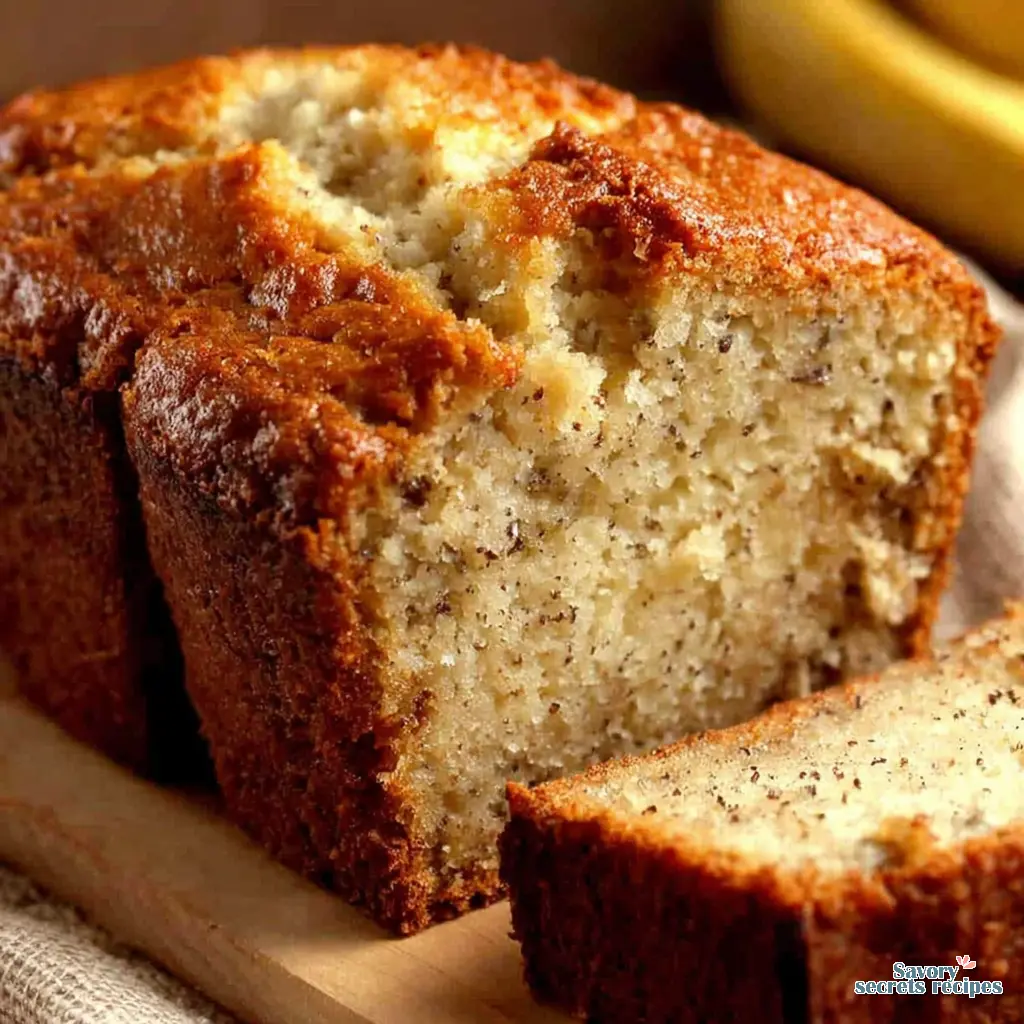
The pan you use completely changes the baking time. I prefer a light-colored metal loaf pan (specifically an 8×4 inch size). Metal conducts heat evenly, giving you a beautiful golden brown crust without burning the edges. If you fill an 8×4 pan about three-quarters full, you get that gorgeous, tall dome on top.
Glass pans hold onto heat longer. If you use glass, drop your oven temperature by 25 degrees (bake at 325°F instead of 350°F) and check it a few minutes early. You can also adjust this recipe for mini loaves or even a 9×13 pan, but the baking time will drop significantly. Mini loaves usually take about 25 to 30 minutes. For those in a hurry, an easy banana loaf is a great alternative to full-sized pans.
The toothpick test is your best friend here. Insert a toothpick right into the center of the dome. If it comes out with wet batter, it needs another minute. If it comes out with a few moist crumbs clinging to it, pull it out. The residual heat will finish the job on the cooling rack.
Troubleshooting: Fixing Sunken or Gummy Loaves
Mistake: The center sinks after taking it out of the oven.
Solution: You likely underbaked it or opened the oven door too early. The structure hasn’t set yet. Always trust the toothpick test, and don’t open the oven for the first 45 minutes.
Mistake: The bread is gummy and dense.
Solution: You overmixed the batter. Once you add the dry ingredients to the wet, fold them together gently with a spatula just until the flour streaks disappear. Stop immediately.
Mistake: Using thawed frozen bananas without draining them.
Solution: Frozen bananas release a ton of liquid when they thaw. Drain off the excess liquid before mashing, or your batter will be too wet and heavy.
Storage and Freezing Guide
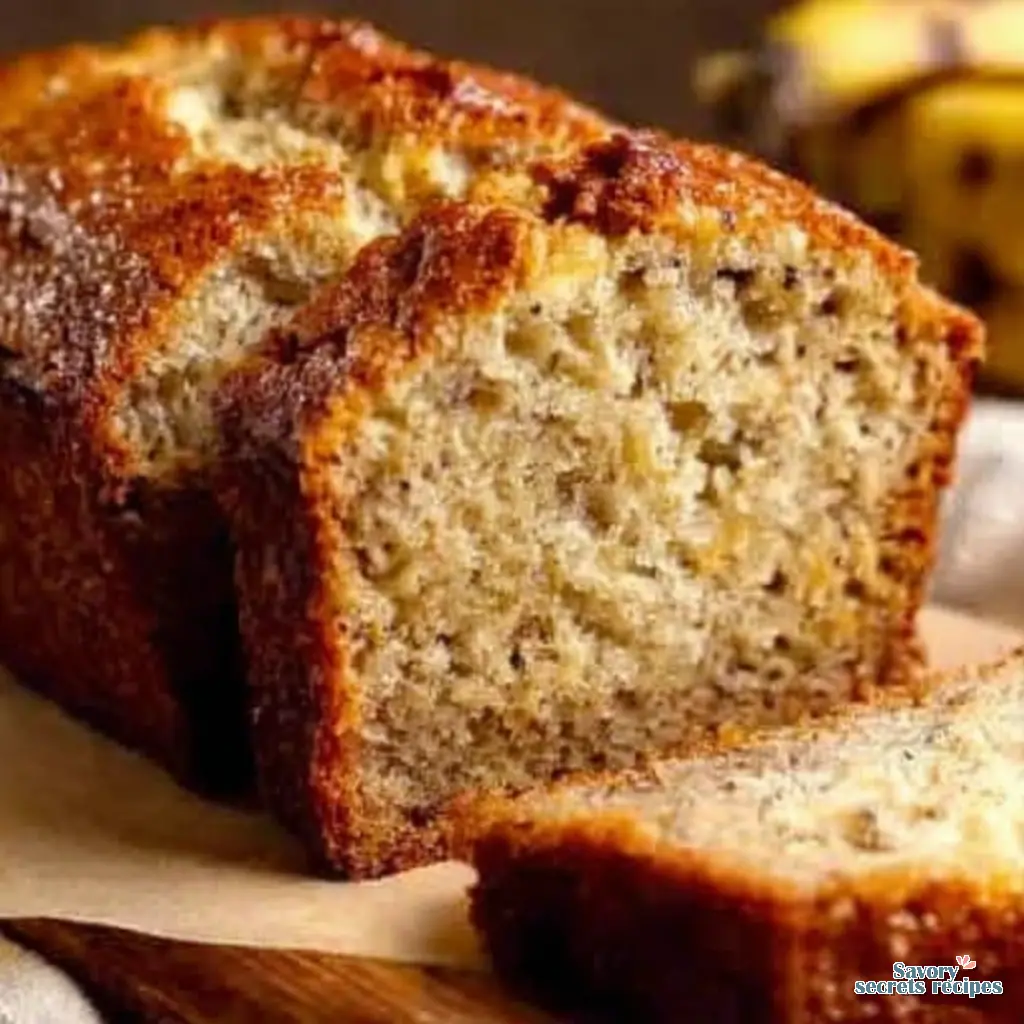
So, you’ve baked the perfect loaf. Now, how do you store soft banana bread to keep it from drying out? The enemy of a moist crumb is air exposure.
First, let the bread cool completely on a wire cooling rack. If you wrap it while it’s still warm, the trapped steam will make the top sticky and soggy. Once it is completely cool, place a paper towel in the bottom of an airtight container. Put the loaf in, and place another paper towel on top before sealing the lid. The paper towels absorb excess moisture, keeping the crust perfect while the inside stays soft for up to four days.
If you want to freeze it, I highly recommend freezing it in slices. Wrap each slice individually in plastic wrap, then place them all in a freezer-safe bag with the air squeezed out. They will last up to three months. When you want a piece, just unwrap it and microwave it for about 20 seconds. Slather it with some salted butter, and it tastes like it just came out of the oven.
Frequently Asked Questions
There is nothing better than that first warm slice with a little butter melting into the crumb. Grab your coffee, get your ingredients to room temperature, and dial it in until it’s right. You’ve got this.
I share tons of variations on my Pinterest boards if you want ideas for mix-ins or different flavor profiles. Happy baking, and let me know how your loaf turns out!
Reference: Original Source
Can I omit walnuts and raisins?
Absolutely. You can skip the nuts and raisins entirely without changing the base recipe. The structural integrity of this moist banana bread stays perfectly intact. If you want, you can swap them for chocolate chips or just leave it plain.
Can I freeze overripe bananas?
Yes, freezing them is a great trick. You can freeze them peeled or unpeeled in a freezer bag for up to three months. Just remember to thaw them completely and drain the excess liquid before mashing them for your batter.
How ripe should bananas be for banana bread?
They need to be incredibly ripe. Look for skins that are heavily spotted with black, or even completely black. At this stage, the fruit is very soft and the starches have turned into sweet sugars, which is essential for a tender crumb.
How do you ripen bananas in an hour?
The oven method is the fastest way. Place unpeeled bananas on a parchment-lined baking sheet and bake at 250°F for 15 to 20 minutes until the skins are black. Let them cool before squeezing out the softened fruit.
Can I use frozen bananas?
You sure can. Frozen bananas work beautifully for moist banana bread. The key is to let them thaw completely at room temperature, then drain off the watery liquid that pools around them so your batter doesn’t become too wet.
Can I turn this into a Banana Bundt Cake?
You can, but you’ll need to double the recipe to properly fill a standard 10-inch to 12-inch bundt pan. Make sure to grease the pan very thoroughly, and increase the baking time to about 55 to 65 minutes. Check with a skewer.
If I double the recipe, what size pan can I use besides loaf pans?
If you double the ingredients, a 9×13 inch metal baking pan works perfectly. It essentially turns into a snack cake. Because the batter is spread thinner, it will bake much faster, usually in about 35 to 40 minutes.
Can I use bread flour instead of AP flour?
I wouldn’t recommend it. Bread flour has a much higher protein content, which creates strong gluten networks. Using it will give you a tough, chewy, and crumbly texture rather than the soft, cake-like crumb you want.
How do I adjust this for mini loaves?
Divide the batter evenly among three or four greased mini loaf pans, filling them about two-thirds full. Bake at the same temperature (350°F), but start checking them around the 25-minute mark. They bake much faster than a standard loaf.