



Moist Chocolate Cake Recipe for Fluffy Results
Ingredients
Method
- Mix the milk and vinegar to prepare buttermilk. Combine the dry ingredients in a bowl, then add the wet ingredients and stir gently. Pour the batter into a greased 8-inch baking tin and bake at 170°C for 40-45 minutes.
- Whisk the dry ingredients together in a bowl. Incorporate the wet ingredients and mix gently. Transfer the batter to a greased 8-inch baking tin and bake at 170°C for 40-45 minutes.
- Add the wet ingredients and stir gently. Pour the batter into a greased 8-inch baking tin and bake at 170°C for 40-45 minutes.
- Transfer the batter into a greased 8-inch baking tin and bake at 170°C for 40-45 minutes.
Notes
The Only Moist Chocolate Cake Recipe You Need This Easter
I remember standing on a wooden stool in my teta’s kitchen in Heliopolis, watching her fold butter into dough. She would count the folds in Arabic, and I thought I was just learning numbers. I was actually learning ratios. That obsession with precision followed me to Jersey City. Every Easter, I watch people panic over dessert. They buy expensive bakery cakes because they are terrified of baking a dry, crumbly mess at home. I completely understand that fear. I once made a cake for a spring potluck that was so dry, I had to watch people politely choke down small pieces. I rewrote my approach four times after that.
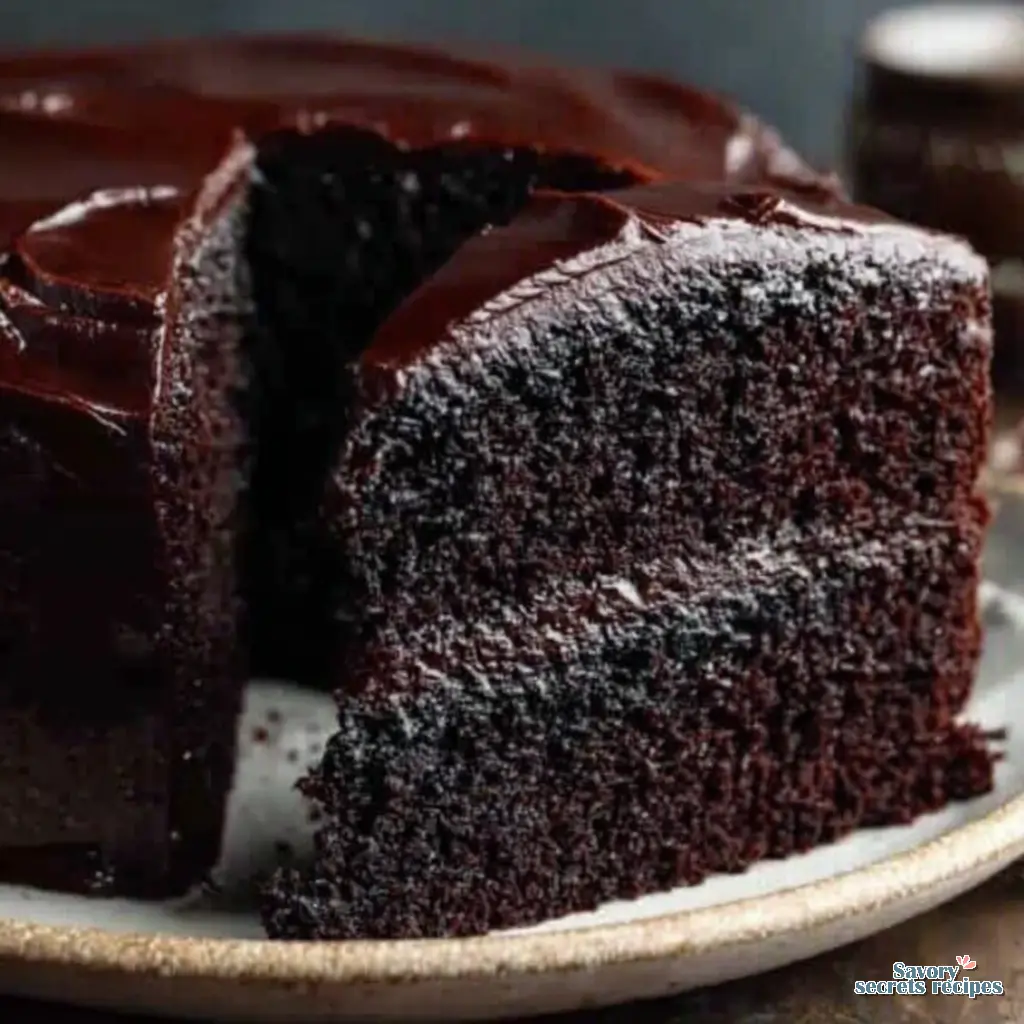
This moist chocolate cake recipe is the result of those failures. It is the exact opposite of dry. It has a tender crumb that stays soft for days, and you do not need a stand mixer to pull it off. With holiday party season approaching, this is the reliable dessert you want in your back pocket. Let me think through this. The secret isn’t a fancy technique. It is just understanding how a few basic pantry ingredients interact. Once you see it, you can’t unsee it.
Before we get into the deep science of the batter, I want to give you the non-negotiable rules for this moist chocolate cake recipe. I have logged every single batch failure since 2019 in my notebook, and these are the quick wins that prevent disaster.
First, you absolutely must weigh your all-purpose flour. Scooping with a measuring cup packs too much flour into the batter, which is the number one cause of a dry cake. Second, check your baking soda expiration date. If it is older than six months, toss it. Third, use room temperature large eggs and buttermilk. Cold ingredients shock the batter and prevent proper mixing. Fourth, do not skip the boiling water step. It sounds weird to pour hot water into cake batter, but this is the detail that changes everything. Finally, trust the toothpick test. Your hands know before your eyes do. If the toothpick comes out with a few damp crumbs attached, pull the cake out immediately.
The Science of Moisture: Oil Versus Butter
I know people love the flavor of butter in baking. I love it too. But for a truly moist chocolate cake recipe, vegetable oil is mandatory. I need to test that assumption sometimes, so I baked a butter version last month. My daughter tasted it and immediately told me it wasn’t as soft. She was right.
Butter is about eighty percent fat and twenty percent water. When the cake bakes, that water evaporates. Plus, butter turns solid at room temperature. Oil is one hundred percent fat and remains liquid at room temperature. This means an oil-based cake will literally feel softer and more succulent on your tongue, even three days after baking. I prefer using a neutral-tasting oil like canola or sunflower oil. You can usually grab a giant bottle at Costco or Ralphs for a few dollars. The neutral flavor lets the cocoa powder shine completely. While this version focuses on maximum moisture, you might prefer a more traditional approach like my easy chocolate cake for everyday baking.
If you are worried about losing that rich flavor, do not panic. The chocolate provides all the heavy lifting here. The oil is simply acting as a texture vehicle. It coats the flour proteins and prevents gluten from forming too strongly. Less gluten means a more tender crumb. Now we’re getting somewhere.
Blooming Cocoa Powder with Boiling Water
This is where most recipes skip the detail. You cannot just dump cocoa powder into your mixing bowl and expect a deep, fudgy flavor. Cocoa powder is essentially dried, ground chocolate solids. To wake up those flavor compounds, you have to bloom it.
When you pour boiling water over the cocoa powder, you are forcing the cocoa particles to release their trapped flavor oils. The smell shifts right before it’s done. It goes from smelling like dusty powder to smelling like a high-end Parisian chocolate shop. The hot liquid also dissolves the granulated sugar more effectively, which locks moisture into the batter. Sugar is technically a wet ingredient in baking because it holds onto water. Please do not reduce the sugar in this moist chocolate cake recipe. If you cut the sugar, you cut the moisture.
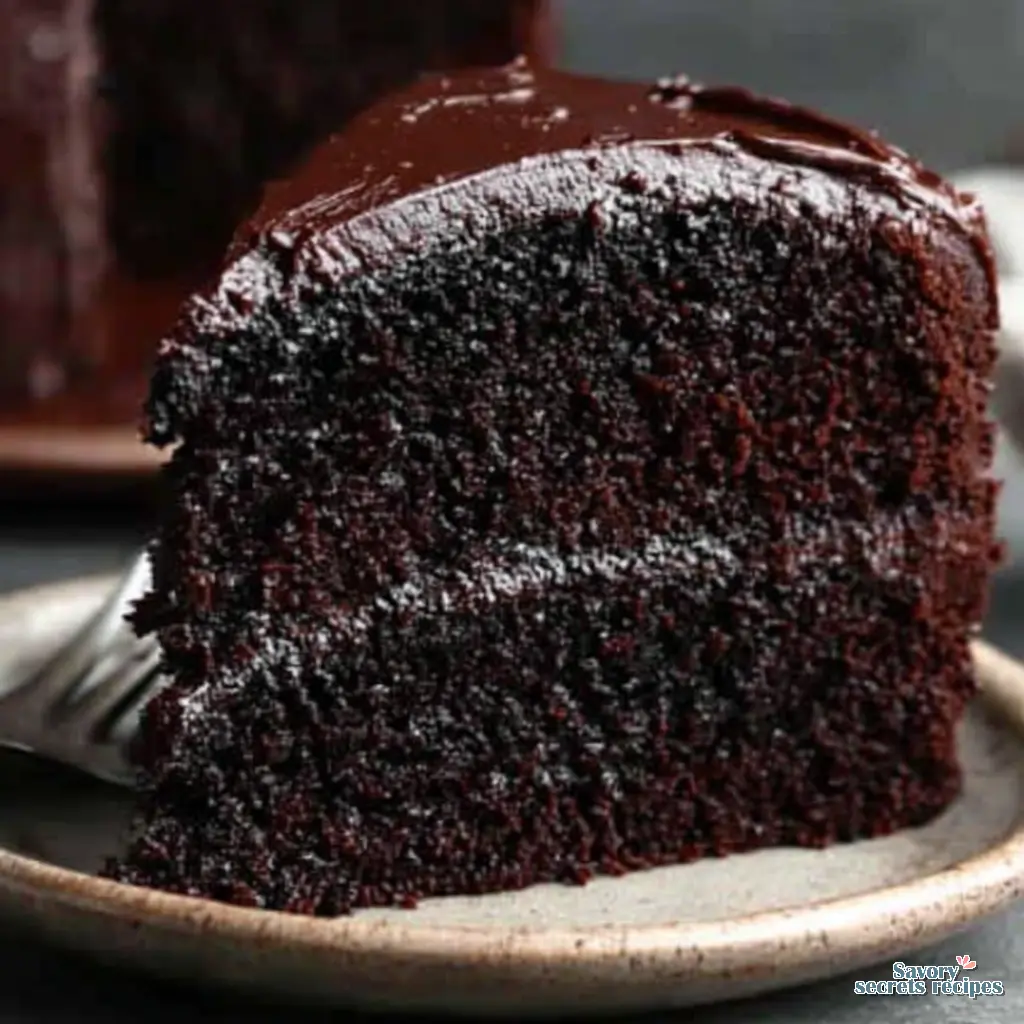
I use natural cocoa powder for this specific batter. Natural cocoa is acidic. We need that acidity to react with the baking soda. If you use Dutch process cocoa, which has been alkalized to remove acidity, your cake won’t rise properly. Save the Dutch process cocoa for your frosting, where you want that dark, Oreo-like color.
The Buttermilk Reaction and Precision Mixing
I’m still working out the best approach for explaining chemical leavening to beginners, but here is the simplest way to view it. Baking soda needs two things to work. It needs liquid and it needs acid. The buttermilk provides both. When the baking soda hits the acidic buttermilk, it immediately creates carbon dioxide bubbles. Those bubbles expand in the heat of the oven, giving your cake that gorgeous, fluffy lift.
If you don’t have buttermilk, you can make a quick DIY version. Just add one tablespoon of white vinegar to a measuring cup and fill the rest with whole milk until you reach one cup. Let it sit for five minutes until it curdles slightly. It works perfectly in a pinch. This buttermilk substitution is a handy trick I also use in my easy chocolate cake recipe.
Once you add your wet ingredients to your dry ingredients, you have to be careful. Do not over-mix. Use a whisk and gently combine the batter just until you no longer see streaks of all-purpose flour. The batter will look incredibly thin and watery. I know this sounds complicated, but trust the process. That high liquid content is exactly what makes this moist chocolate cake recipe so successful. If you add more flour to thicken it, you will ruin the texture.
Visual Troubleshooting: Common Mistakes & Fixes
Mistake: The cake sinks in the middle.
Solution: You either over-mixed the batter, which collapsed the air bubbles, or you opened the oven door too early. Give it another ten minutes before checking. The structure needs time to set.
Mistake: The edges are burnt but the center is raw.
Solution: Your oven is running too hot. I discovered that most American ovens run twenty degrees hotter than they claim. Buy a cheap oven thermometer. Temperature matters more than time here. You can also use damp cake strips around your cake pans to insulate the edges.
Mistake: The cake is dense and heavy.
Solution: You likely measured your flour by scooping it with a cup. Always use a kitchen scale. If you don’t have one, fluff the flour with a fork, spoon it into the cup, and level it off with a knife.
High Altitude Adjustments and Ingredient Sourcing
This might vary depending on your oven, but baking at high altitude changes everything. The air pressure is lower, so bubbles expand faster and then collapse. If you live above 3,000 feet, you need to make a few tweaks to this moist chocolate cake recipe. Decrease the baking soda by a quarter teaspoon. Add two extra tablespoons of all-purpose flour to strengthen the structure. Finally, increase the buttermilk by two tablespoons to compensate for faster evaporation.
When I am shopping for ingredients, I usually hit up Trader Joe’s for their pure vanilla extract. It is affordable and has a great floral note. For cocoa powder, the store brand at Vons or Ralphs works fine for the cake itself, but if you are making a fudge frosting to go on top, splurge on a higher-end Dutch process cocoa. The fat content in premium cocoa makes a massive difference in the final mouthfeel of the frosting. Investing in these small details ensures your homemade chocolate dessert will impress even the toughest critics.
Make-Ahead Timeline and Storage Guide
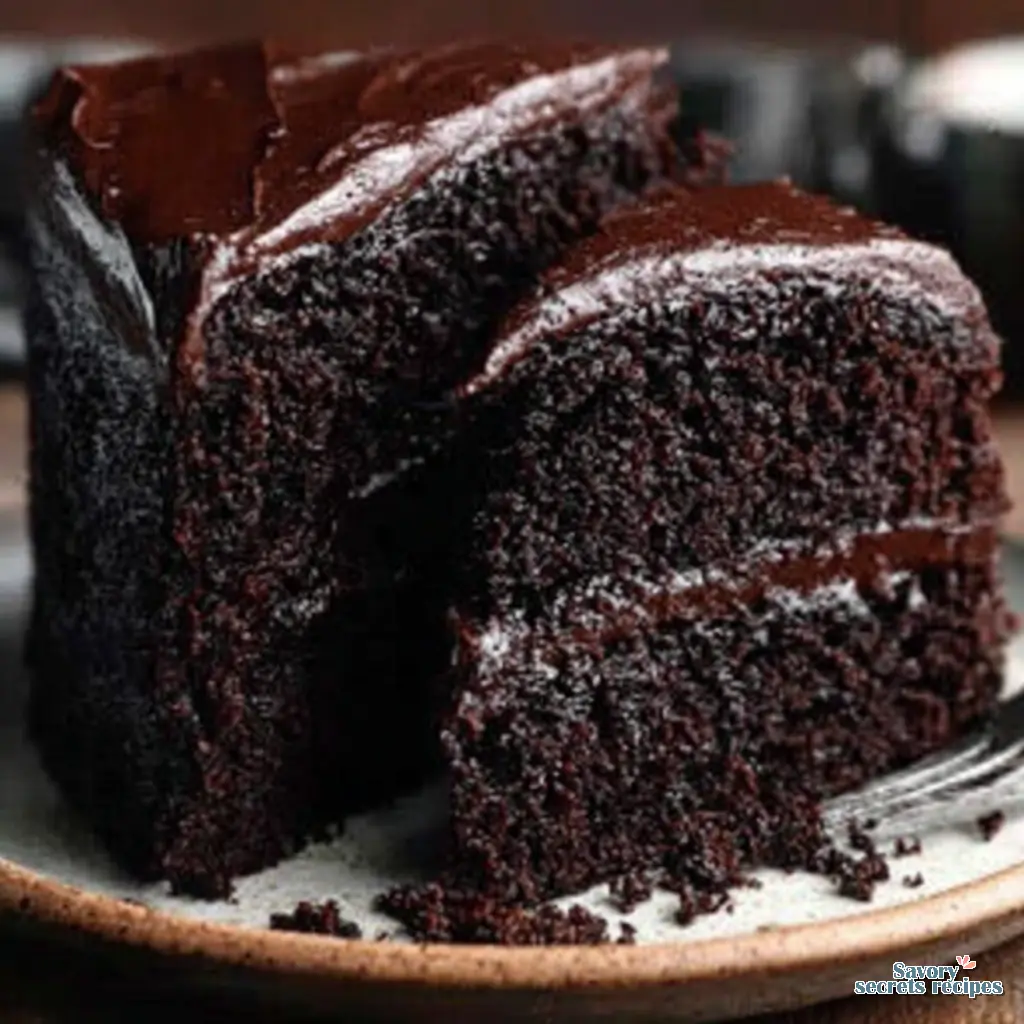
I completely understand the stress of trying to bake and cook a full dinner on the same day. You do not have to do that. This moist chocolate cake recipe actually tastes better on day two. The moisture redistributes overnight, and the chocolate flavor deepens. You can bake the cake layers up to two days in advance. Let them cool completely on a wire cooling rack. Wrap them tightly in plastic wrap and store them at room temperature. These sturdy layers are the ideal foundation if you want to build a rich chocolate layer cake for a special occasion.
If you need to freeze the cake, wrap the un-frosted layers in plastic wrap, then add a layer of aluminum foil. They will survive in the freezer for up to three months. When you are ready to use them, thaw the layers in the fridge overnight with the wrapping still on. This prevents condensation from making the cake soggy. Once frosted, store the cake at room temperature in an airtight container for up to three days. If your kitchen is very warm, put it in the fridge, but always bring slices back to room temperature before serving. Cold cake tastes dense and masks the chocolate flavor.
Frequently Asked Questions
Ready to Bake?
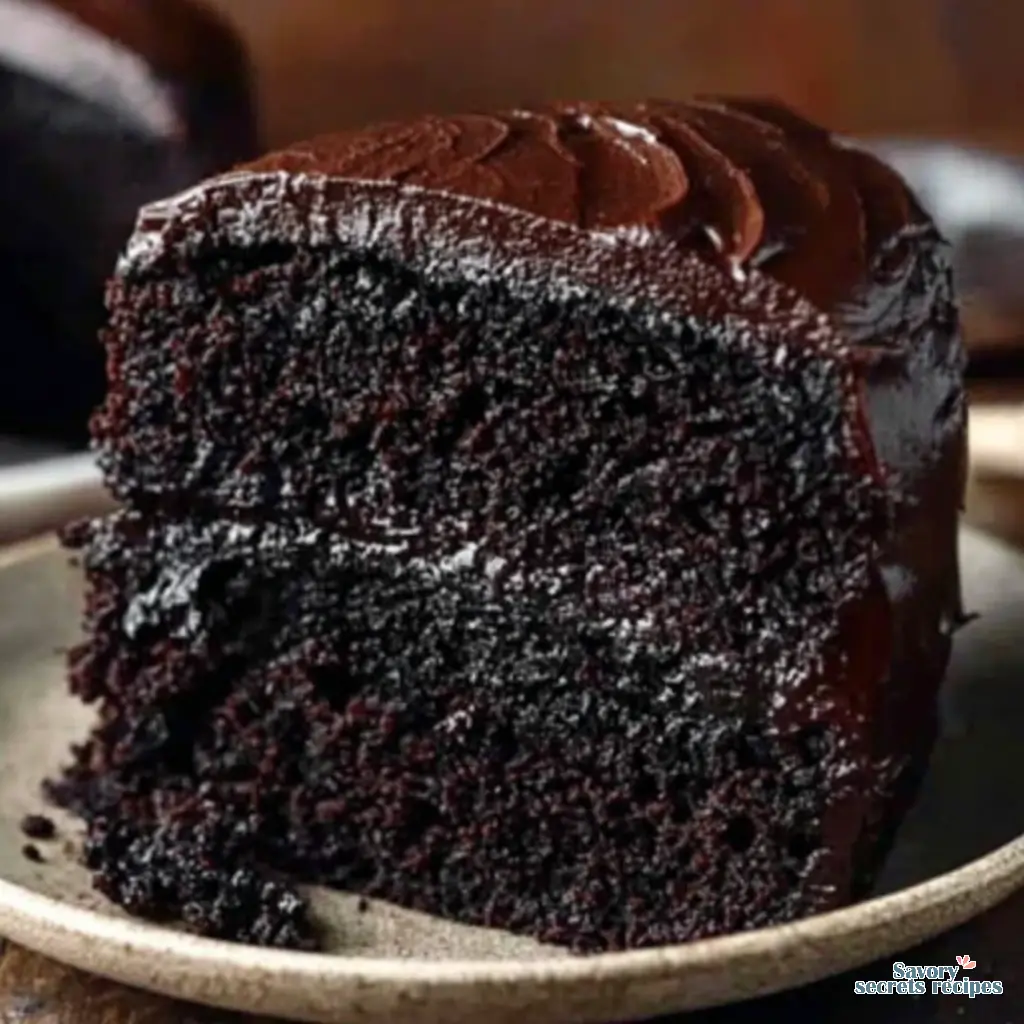
I know trying a new baking method can feel a bit intimidating, especially if you have had bad luck with dry cakes in the past. But I promise you, this moist chocolate cake recipe is going to change your mind. Get your ingredients to room temperature, weigh your flour, and trust the thin batter. The smell of that blooming cocoa filling your kitchen is going to be incredible. My daughter and I are probably making a batch this weekend, and I hope you do too.
If you end up making this for Easter brunch or just a random Tuesday night, let me know how it turns out. I share tons of variations and behind-the-scenes baking experiments on my Pinterest boards, so come say hello over there. You’ve got this. Grab a glass of cold milk and enjoy every single bite.
Reference: Original Source
What type of oil is best for a moist chocolate cake recipe?
You want a neutral-tasting oil so the chocolate flavor remains the star. I always reach for canola, vegetable, or sunflower oil. I’ve seen people use melted coconut oil, but keep in mind it will add a slight coconut flavor and firm up when chilled.
Which cocoa powder should I use (Dutch vs Natural)?
You must use natural unsweetened cocoa powder for the cake batter. Natural cocoa is acidic, which reacts with the baking soda to help the cake rise. Dutch process cocoa has been alkalized and will result in a flat, dense cake if used here.
What is a good substitute for sour cream?
If a variation of this moist chocolate cake recipe calls for sour cream and you are out, full-fat plain Greek yogurt is a perfect one-to-one substitute. It provides the exact same acidity and fat content needed to tenderize the crumb.
How hot should the coffee or water be?
It needs to be boiling hot. The extreme heat is what blooms the cocoa powder, releasing the trapped flavor oils. If the water is just warm, you won’t get that deep, rich chocolate profile. Pour it carefully while whisking continuously.
Can I make this without coffee?
Absolutely. Boiling water works perfectly and is what I use most of the time. Hot coffee just enhances the chocolate notes without making the cake taste like coffee, but plain boiling water will still give you an incredibly tender result.
Why is the batter so thin?
Don’t panic. The batter for this moist chocolate cake recipe is supposed to look like soup. That high ratio of liquid to flour is exactly what guarantees a soft, fudgy texture. Never add extra flour to thicken it, or you’ll ruin the crumb.
How do I make the cake more moist?
The recipe is already optimized for maximum moisture using oil and boiling water. To ensure it stays that way, do not over-bake it. Pull it from the oven the second a toothpick comes out with a few damp crumbs. Over-baking dries it out instantly.
Why did my cake bake flat?
A flat cake usually means your baking soda is expired and has lost its lifting power. It can also happen if you let the batter sit on the counter too long before baking. The chemical reaction happens quickly, so get it in the oven immediately.
Can I use cake flour instead of all-purpose?
I don’t recommend it for this specific batter. The liquid content is so high that the cake needs the slightly higher protein content of all-purpose flour to build enough structure. Cake flour might cause the cake to collapse in the center.
Can I bake this in a 9×13 pan?
Yes, this batter adapts beautifully to a 9×13 inch baking pan. You will need to adjust the baking time to about 35 to 40 minutes. Keep an eye on the center and use the toothpick test to check for doneness.
Can I make the frosting in advance?
You definitely can. Make the frosting, cover it tightly, and store it in the fridge for up to three days. Before you frost your moist chocolate cake recipe, let the frosting sit at room temperature for an hour, then re-whip it until fluffy.
How do I store the cake to keep it moist?
Keep it in an airtight container at room temperature for up to three days. The frosting acts as a seal to lock in the moisture. If you need to keep it longer, refrigerate it, but always bring slices back to room temperature before eating.