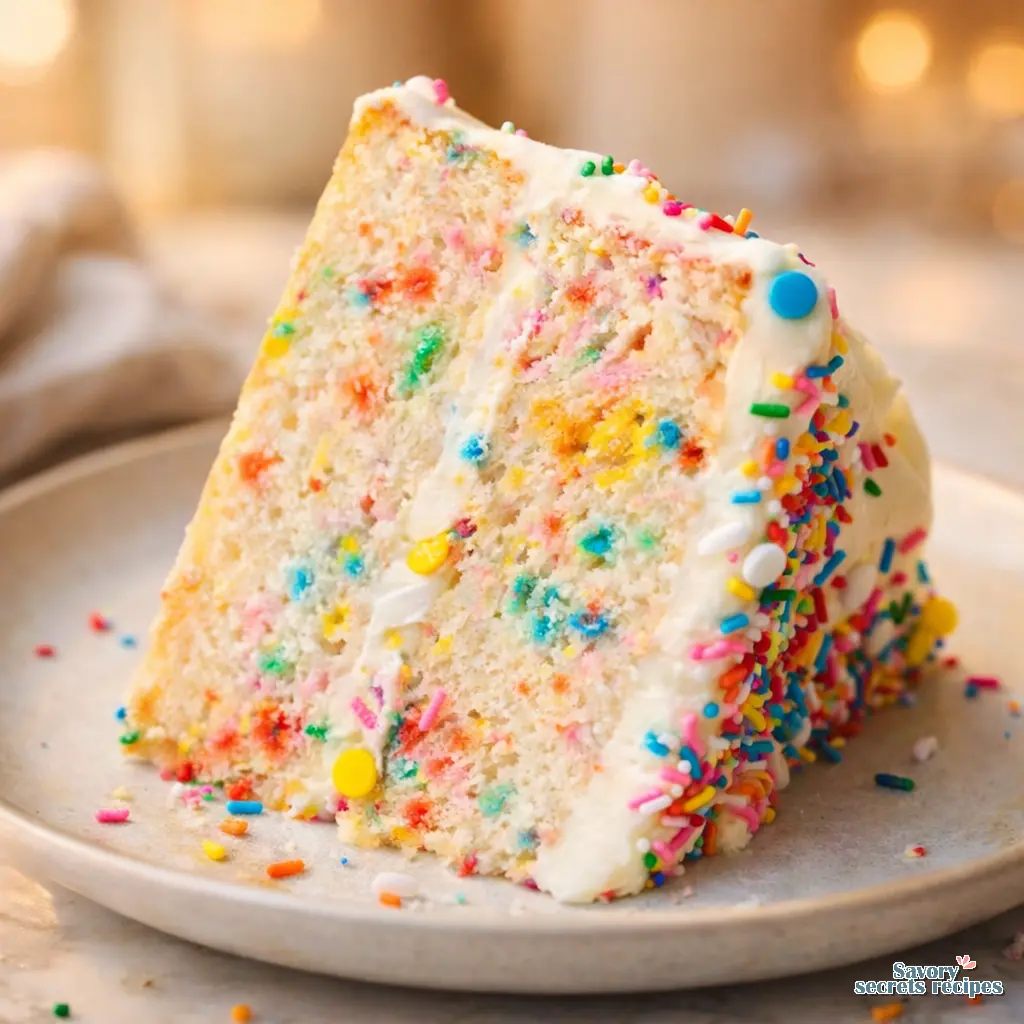




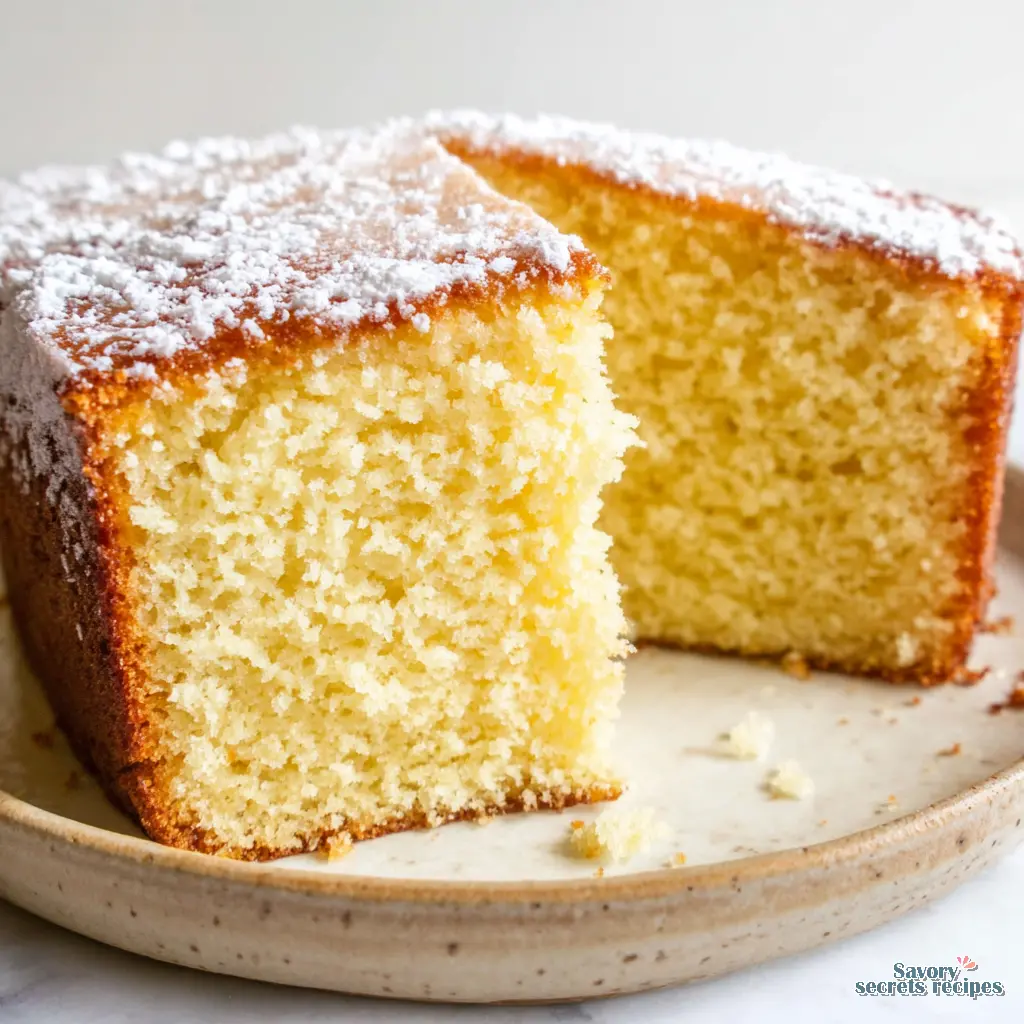
One Bowl Vanilla Cake From Scratch
Ingredients
Method
- Preheat the oven to 350°F, then grease and line two 9-inch round cake pans with parchment paper.
- Whisk the flour, baking powder, and salt together in a medium bowl and set the mixture aside.
- Cream the butter and sugar with an electric mixer for 3 to 4 minutes until the texture is light and fluffy.
- Add the eggs individually, beating well after each one, and then stir in the vanilla extract.
- Incorporate the flour mixture and milk into the butter mixture alternately, starting and ending with the flour, and mix until just combined.
- Pour the batter evenly into the prepared pans and bake for 28 to 32 minutes until a toothpick inserted in the center comes out clean.
- Cool the cakes in their pans for 10 minutes before turning them out onto wire racks to finish cooling.
- Beat the butter until creamy, then gradually add the powdered sugar, milk, vanilla, and salt, beating for about 3 minutes until smooth and fluffy.
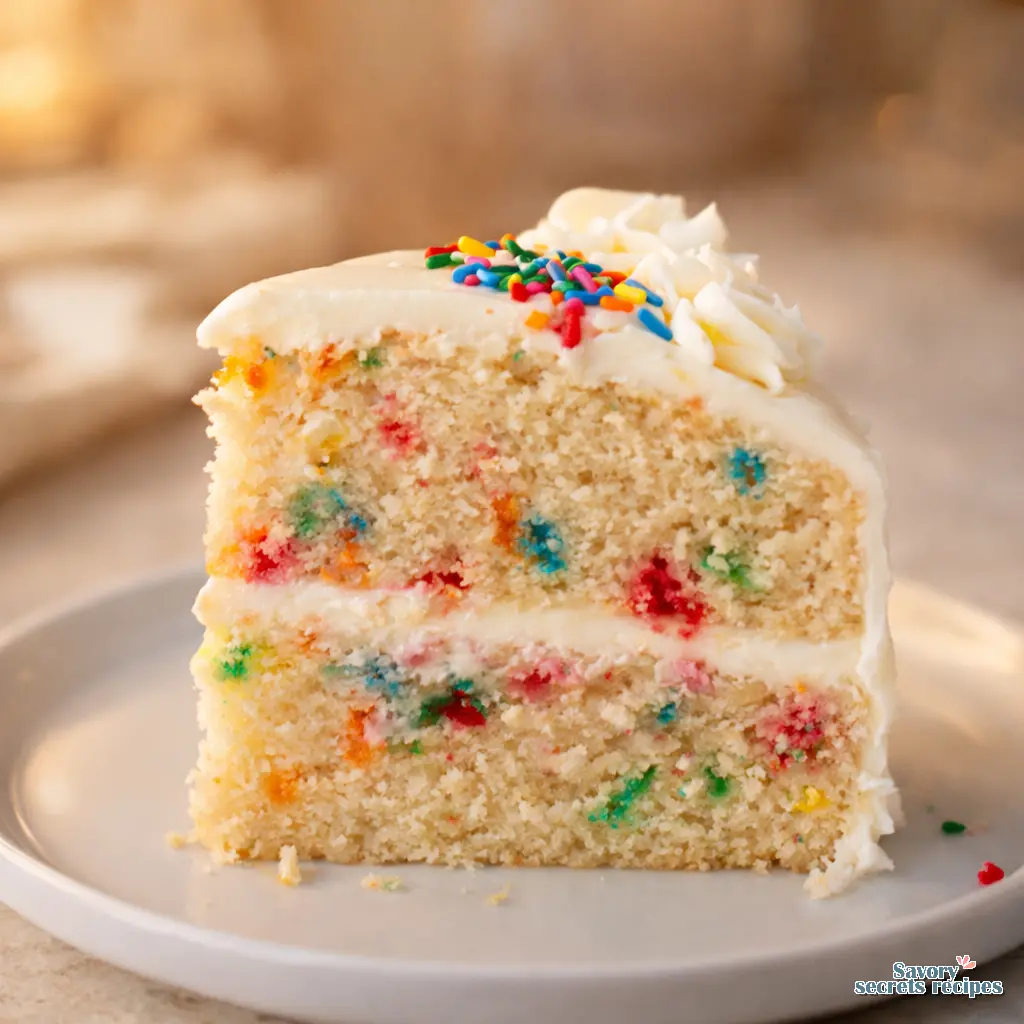
- Spread the buttercream between the cake layers and use the remaining frosting to cover the top and sides.
Nutrition
Notes
The 4 PM Panic and the Perfect Homemade Vanilla Cake Recipe
It is always around 4 PM on a Wednesday when the craving hits. You know the feeling. The afternoon slump sets in, the kids are getting restless, and you just need a treat. Let me think through this. You are tired from work, the kitchen is probably a bit chaotic, and the last thing you want is a sink full of mixing bowls. I have been there so many times.
Last week, during one of those rare 55-degree Los Angeles winter afternoons where we actually want to turn our ovens on, I caught myself staring at a boxed mix in my pantry. I almost reached for it. I really did. But then I remembered my teta Samira in her Cairo kitchen. She would wake me at dawn to start the dough for feteer, insisting the cool morning air made better layers. She taught me that baking does not have to be fussy, but it does require respect for the ingredients. This homemade vanilla cake recipe is my answer to that 4 PM panic. It is an easy vanilla dessert that comes together faster than you can preheat your oven.
I know this sounds complicated if you are used to the convenience of a box, but trust me. You will get a warm cake on the table in under an hour. It is the perfect weeknight dessert, incredibly kid-friendly, and uses basic pantry staples you already have. Perfect. Worth it.
Why This Easy Vanilla Dessert Actually Works
Here is what I am noticing about most cake tutorials online. They overcomplicate the fats. This easy vanilla cake recipe for beginners relies on a very specific combination. We use both unsalted butter for that rich, nostalgic flavor and vegetable oil for an incredibly moist texture that lasts for days. I mean, you could skip the oil and just use butter, but you will lose that soft crumb by tomorrow morning.
You do not need fancy cake flour here either. This is a vanilla cake recipe using all purpose flour, which gives it enough structure to hold up beautifully without becoming dense. The dough will tell you when it is ready. Just look for a smooth, pale batter. Oh, and you can use any whole milk you have on hand. The fat in the milk is crucial for tenderness.
I prefer working with weight measurements exclusively. Volume is too variable for the precision these batters need, and I will not publish a recipe without gram amounts. If you do not have a kitchen scale, just promise me you will spoon and level your all-purpose flour. Over-measuring flour is the number one reason cakes turn out dry. Also, make sure you are using a good quality alcohol-free vanilla since it is the star flavor profile here.
The One-Bowl Method (And Why It Is Better Than A Box)
Let us talk about the actual process. This is a true one bowl vanilla cake from scratch. You literally dump the dry ingredients, add the wet, and stir. Well, it is slightly more nuanced than that, but the cleanup is basically nonexistent. I love the clink of a simple wire whisk against a glass mixing bowl. It reminds me of being eight years old, sitting on the counter while my mother made semsemeya, feeling like I was learning secrets.
Before you start, you absolutely must use room temperature large eggs, milk, and butter. This is the detail that changes everything. Cold ingredients will shock the butter and break your emulsion, leaving you with a dense, gummy layer at the bottom of your square baking pan. If your kitchen is freezing, just de-chill your mixing bowl by running it under warm water and drying it completely before starting. I learned this the hard way. This simple preparation is what differentiates it from a classic vanilla cake which requires more precise temperature control for multiple components.
Once you add the wet ingredients to the dry, mix for exactly two minutes. Do not stop the process once you start beating the eggs to prevent bubble collapse. This builds just enough structure without toughening the gluten. It is actually quite forgiving if you follow that one rule. Your family will be so impressed, and you will never buy a box mix again.
Recipe Science: The Physics of Reverse Creaming
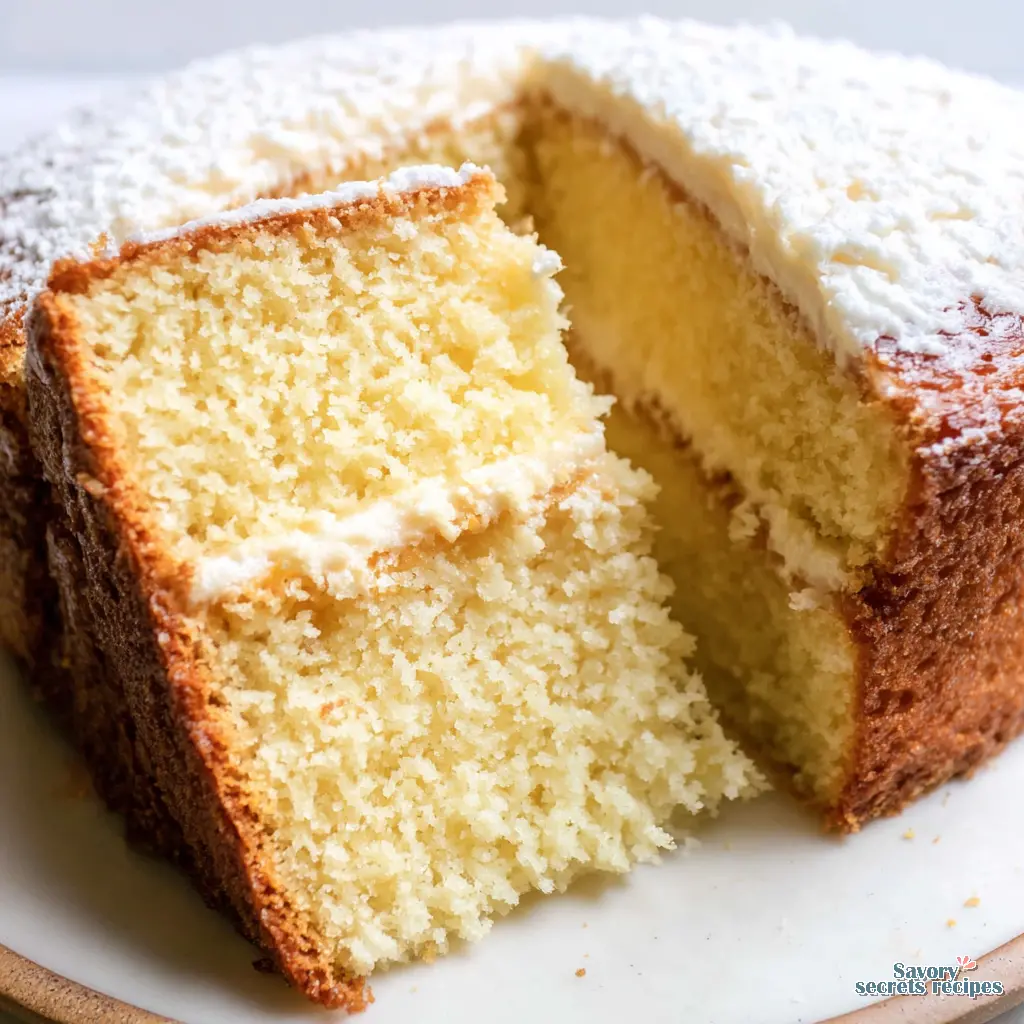
I am still working out the best approach to explain this without sounding like a chemistry textbook, but the science here is fascinating. We are using a simplified version of the reverse creaming method. By coating the all-purpose flour with the fats (butter and vegetable oil) before adding the majority of the liquids, we are essentially waterproofing the flour proteins. This prevents gluten from forming too quickly.
That tracks with what I have seen in my countless test batches since 2019. If you use the traditional creaming method, you risk over-mixing. With this method, you get a velvety, tight crumb that stays incredibly soft. Also, if you ever try the hot milk method for other cakes, ensure your milk and butter are genuinely hot when mixing. But for this specific homemade vanilla cake recipe, room temperature is your best friend. Achieving this specific crumb is the secret to a perfect soft vanilla sponge cake.
Common Mistakes & Fixes
Mistake: Using cold eggs or milk.
Solution: This breaks the emulsion and causes a dense cake. Always bring dairy to room temperature. You can place eggs in a bowl of warm water for ten minutes if you are in a rush.
Mistake: Over-measuring the flour.
Solution: Using measuring cups instead of a kitchen scale packs the flour down. If you must use cups, spoon the flour in gently and level it off with a knife.
Mistake: Opening the oven door too early.
Solution: The sudden drop in oven temperature causes the center to sink. Keep that door closed for at least the first 25 minutes.
Visual Doneness & The Toothpick Test
Temperature matters more than time here. I discovered that most American ovens run twenty degrees hotter than they claim when my first three batches of ghorayeba spread wrong. I bought an oven thermometer immediately. You should probably check yours too. The recipe says 35 minutes, but that is just an average.
The smell shifts right before it is done. You will notice that incredible buttery vanilla scent filling your kitchen. When you check the cake, do not wait for the toothpick to come out completely clean. Pull the cake when the toothpick has a few moist crumbs clinging to it. If it is perfectly clean, your cake is already overcooked and will be dry tomorrow. Your hands know before your eyes do. Give the top a gentle press. It should spring back lightly.
Also, verify your baking powder freshness before you start. Just drop a little in warm water. If it fizzes vigorously, you are good to go. If it just sits there, throw it out. Expired baking powder is the silent killer of a good sponge.
High-Altitude Adjustments & Vanilla Quality
I need to test that assumption about altitude, but my readers in Denver tell me this consistently. If you are baking above 5,000 feet, you need to reduce the baking powder slightly, usually by about a quarter teaspoon. The lower air pressure means bubbles expand faster and can collapse the structure.
Let us talk about the vanilla. Since this is a plain homemade vanilla cake recipe, the flavor profile relies entirely on your extract. I prefer a high-quality alcohol-free vanilla extract or vanilla bean paste. The paste gives you those beautiful little black flecks. Avoid clear vanilla essence if you can. It is synthetic and leaves a metallic aftertaste. I mean, who is going to all this effort just to use artificial flavoring?
Pan Sizes, Storage, and Freezing Your Vanilla Cake
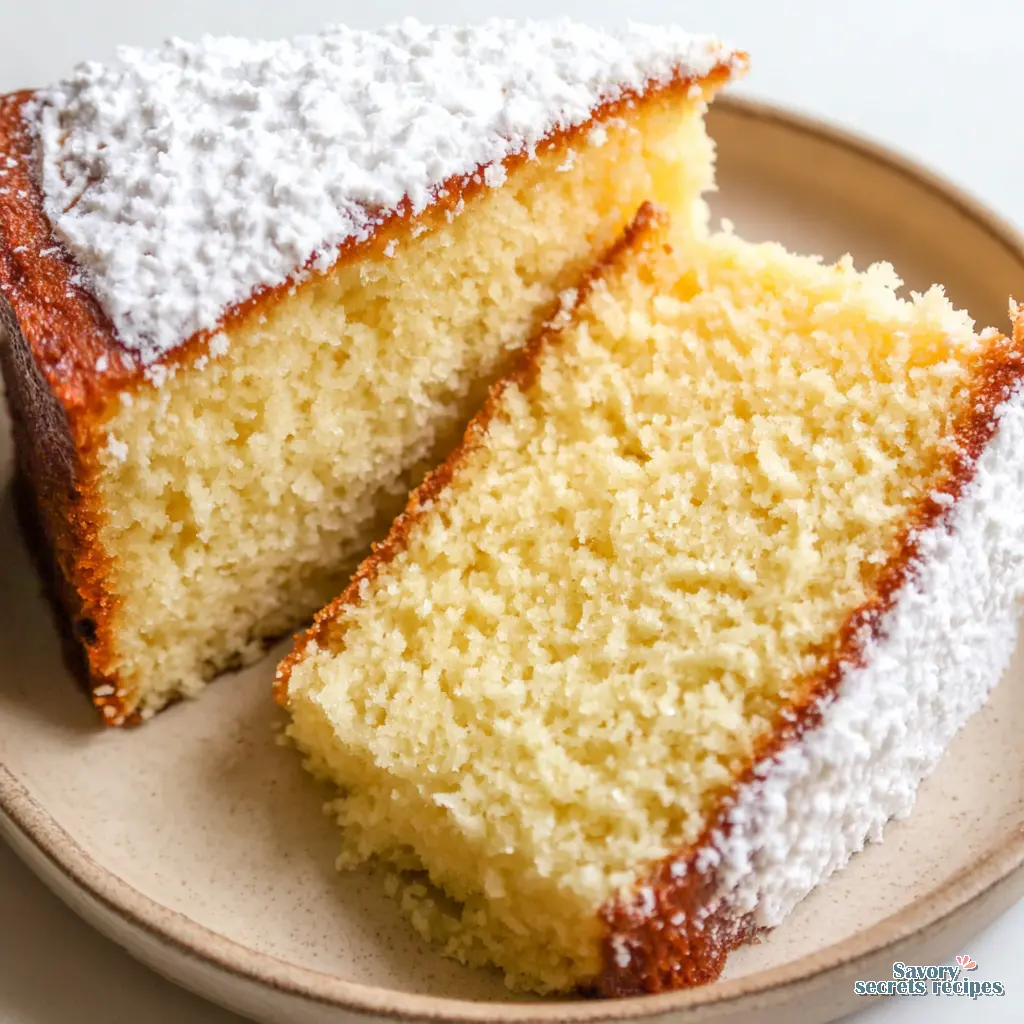
For this batter, I highly recommend a standard 8×8 or 9×9 square baking pan. Avoid springform pans for thin batters like this to prevent leakage all over your oven floor. Once baked, let it rest in the pan for ten minutes before turning it out onto a wire cooling rack. The golden edges of the cake should pull away from the sides slightly. This pan setup is also ideal for a moist vanilla layer cake if you plan on slicing the square into layers.
If you have leftovers, this cake stays fresh at room temperature in an airtight container for 2 to 4 days. You can refrigerate it for up to a week, but the fridge tends to dry out the crumb. If you want to freeze it, wrap the completely cooled cake tightly in plastic wrap and then aluminum foil. It will keep for up to 3 months. Thaw frozen layers overnight in the refrigerator without unwrapping them to keep the condensation on the outside of the plastic.
Frequently Asked Questions About This Homemade Vanilla Cake Recipe
Serving Ideas and Final Thoughts
My daughter insists on helping me make a simple glaze for this cake now. We just whisk a cup of powdered sugar with a splash of whole milk and a drop of vanilla extract until it is thick but pourable. We drizzle it over the top while the cake is still slightly warm. It is pure magic.
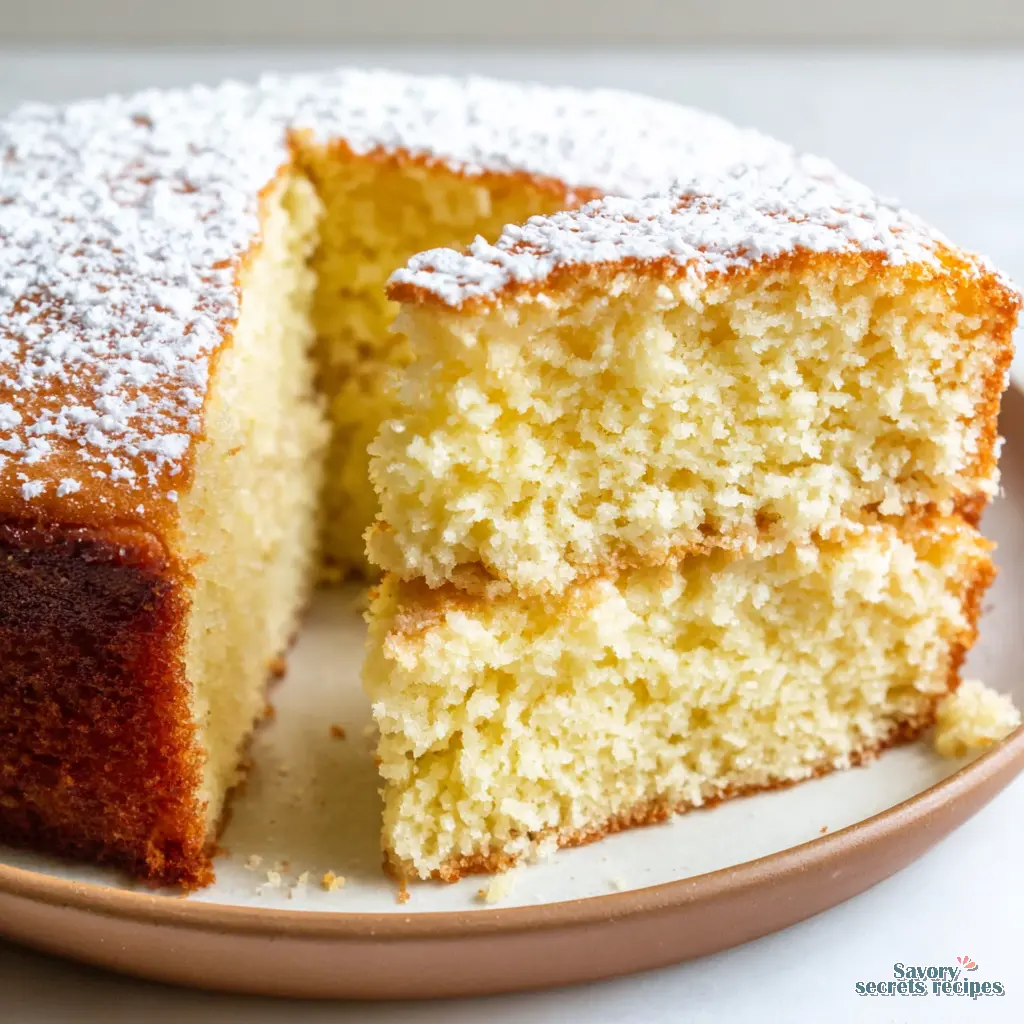
You can also serve it plain with a dusting of powdered sugar, a dollop of yogurt, or some fresh seasonal berries. Enjoy a thick slice while it is still warm with a cup of hot tea. It is the perfect antidote to a chaotic afternoon. Once you see how easy this homemade vanilla cake recipe is, you really will never go back to the box.
I would love to know how your bake turns out. Did you try the toothpick trick? What is your favorite simple topping? For more easy baking inspiration and weeknight dessert ideas, check out my Pinterest boards where I save all my successful test batches.
Reference: Original Source
Why is my vanilla cake dry?
I see this all the time. The most common culprits are over-measuring your all-purpose flour by packing it into the cup, over-mixing the batter once the dry ingredients are added, or simply leaving it in the oven a few minutes too long. Always use the moist crumb toothpick test.
Can I use all-purpose flour instead of cake flour?
Absolutely. In fact, this specific homemade vanilla cake recipe is designed for all-purpose flour. It provides excellent structure while the combination of oil and butter ensures the texture remains incredibly soft. You do not need to buy specialty cake flour for a perfect weeknight dessert.
Can I make this cake whiter?
If you want a pure white crumb, you can substitute the whole eggs for egg whites only. You will need about four large egg whites to replace the two whole eggs. However, keep in mind that the yolks add richness and moisture, so the texture will change slightly.
Can I freeze vanilla cake?
Yes, it freezes beautifully. Let the cake cool completely on a wire rack. Wrap it tightly in a layer of plastic wrap, followed by aluminum foil. It will stay fresh in the freezer for up to three months. Thaw it overnight in the fridge before serving.
How do I add fruit (like Mandarin oranges) to the batter?
Adding fruit introduces extra moisture, which can make the cake soggy. If you want to add fruit, pat it completely dry first and toss it in a tablespoon of flour before folding it gently into the batter at the very end. This stops the fruit from sinking to the bottom.
Can I use Stevia instead of sugar?
You can do a partial replacement, but I do not recommend swapping all the granulated sugar for Stevia. Sugar provides vital structure and moisture, not just sweetness. Try replacing up to one-third of the sugar with a baking-specific Stevia blend, but the crumb will be slightly denser.
Is there a difference between a bundt cake and a round cake?
Yes, the pan shape drastically changes the bake time. A bundt pan exposes more of the batter to the heat, creating a thicker crust. If you adapt this homemade vanilla cake recipe for a bundt pan, you will need to increase the baking time to roughly 40 to 60 minutes.
How do I make a tiered cake from this recipe?
This recipe doubles perfectly. For a tiered cake, bake the layers in standard round pans. Once cooled, you must level the tops with a serrated knife so they stack flat. If stacking more than two layers, insert wooden dowels into the bottom tier to support the weight above.