



Crispy Fried Green Tomato Casserole
Ingredients
Method
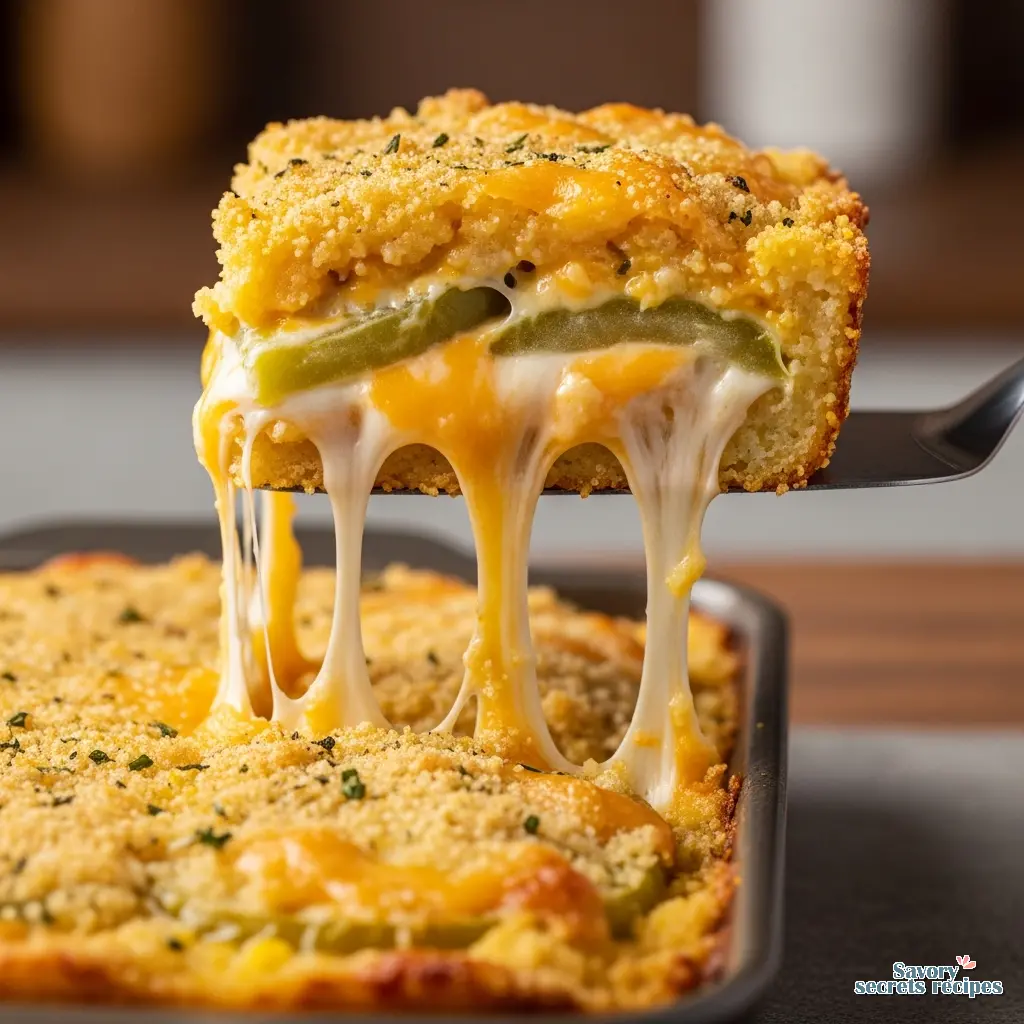
- Arrange a single layer of tomatoes in the bottom of a 1.5-quart casserole dish.
- Sprinkle with sugar, salt, pepper, one-third of the bread crumbs, and one-third of the cheese.
- Repeat the layers twice, omitting the cheese from the final top layer.
- Dot the top layer of bread crumbs with butter.
- Cover the dish and bake at 400°F for one hour.
- Add the remaining cheese and bake uncovered until the cheese has melted.
Nutrition
Notes
Why This Fried Green Tomato Casserole Works
I remember standing on a wooden stool in my teta’s kitchen in Heliopolis, watching her salt eggplants for hours before she even thought about cooking them. She would tell me that patience was an ingredient. I was seven and just wanted to eat. But she was right. That same principle applies here. When I first tried to make a fried green tomato casserole, I treated the tomatoes like they were just another vegetable. Big mistake. The result was a watery mess that no amount of cheese could hide.
I need to test that assumption that casseroles are just “dump and bake” meals. They aren’t. Especially not when you are dealing with something as high-moisture as a tomato. This recipe is my solution to the craving for that specific Southern crunch without standing over a hot skillet frying individual slices for forty-five minutes. It captures the tangy flavor profile of the classic dish but builds it into a structure that holds up. It’s comfort in a dish, specifically designed for those nights when you want the flavor of the Whistle Stop Cafe but have the energy for a one-pan meal.
Here is what I’m noticing about most recipes: they skip the moisture management. By the time you pull the dish from the oven, the breading is soggy. My version focuses on the engineering of the layers. We use a specific salting technique to draw out liquid, and we layer the sharp cheddar cheese to act as a barrier. It is technical, yes, but once you see it, you can’t unsee it. It changes everything.
Sourcing: Finding Green Tomatoes in Winter
Let me think through this common problem. It is February. The garden is dormant. You want fried green tomato casserole. Where do you find the star ingredient? This is where I often see home cooks get discouraged.
In Los Angeles, we are lucky to have farmers markets that run year-round, and you can often find hothouse green tomatoes or late-harvest varieties at places like the Santa Monica Farmers Market. But if you aren’t near a farm stand, don’t panic. I have found that specialty grocery stores like Whole Foods or even local ethnic markets often carry firm green tomatoes. They are prized in many cuisines for their acidity.
If you absolutely cannot find green tomatoes, you have two options. First, you can use the firmest, most under-ripe red tomatoes you can find. They won’t have the same tartness, so you will need to adjust the lemon juice in the recipe. Second, tomatillos can work in a pinch, though the flavor profile shifts slightly toward citrus. But honestly, it’s worth hunting for the real thing. The texture matters more than time here. These tomatoes are also the foundation of a classic [green tomato salsa recipe] if you want to try something different.
The Science of Soggy: Moisture Control
This is where most recipes skip the detail, and it is the hill I will die on. A tomato is mostly water. If you bake it inside a crust without prepping it, that water turns to steam, and that steam turns your crispy topping into mush. I’m working through the variables of heat and hydration here.
The secret is salt and sugar. My teta taught me this for eggplant, but it works perfectly for this fried green tomato casserole. You must slice the tomatoes, sprinkle them with salt and a little sugar, and let them sit on paper towels for at least 30 minutes. The salt draws out the excess water via osmosis. The sugar isn’t just for sweetness; it balances the aggressive acidity of the green tomato so it doesn’t overpower the rich cheese. Understanding how moisture affects the fruit is also key when learning [how to make pickled tomatoes] successfully.
When you come back to them, you’ll see pools of liquid. That is liquid that is not ruining your casserole. Pat them dry. Thoroughly. Your hands know before your eyes do when they are ready; they should feel tacky, not wet. If you find you have sliced more than you need, the remnants are perfect for making a batch of [green tomato sauce].
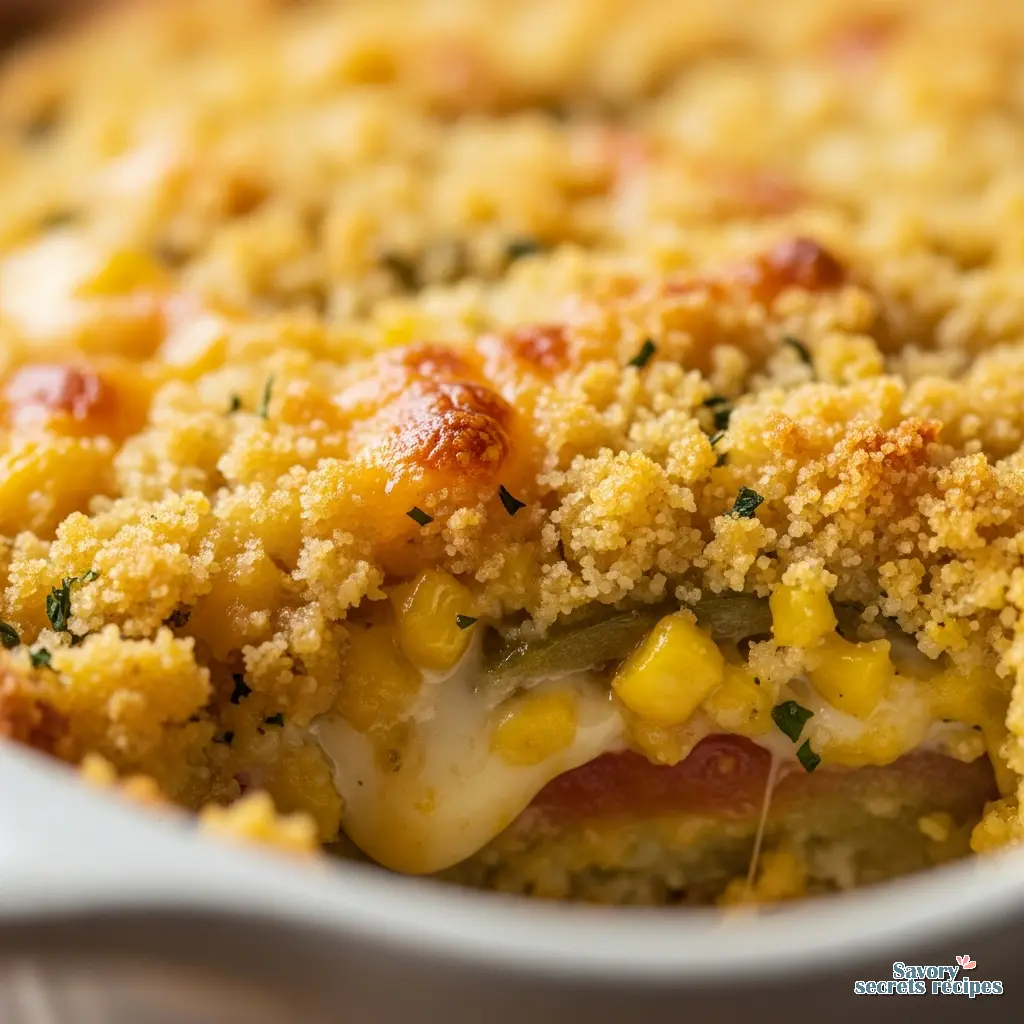
The Crust: Cornmeal vs. Panko
I’ve seen this go both ways. Traditional Southern recipes swear by cornmeal. Modern adaptations lean toward Panko breadcrumbs. Which one is right for a fried green tomato casserole? I spent a week testing this because I couldn’t decide.
Here’s what I’m noticing. Cornmeal gives you that authentic flavor and a hearty crunch, but it can get gritty if it doesn’t hydrate enough. Panko stays incredibly crispy but lacks flavor. The solution? A ratio. I use a 50/50 blend. The cornmeal provides the “fried” taste, and the Panko provides the loft and crunch that mimics a deep-fried coating.
I also toss the crumb mixture with melted butter before putting it on the casserole. This is crucial. If you put dry crumbs on top, they might burn before the tomatoes cook. By pre-coating them in fat, you ensure they brown evenly and taste like they were fried. It’s a small step, but temperature matters more than time here. This dish provides the same bright, acidic notes that make a [green tomato salsa verde] so refreshing.
Layering Logic: The Cheese Barrier
My daughter insists on helping with the layering, and I let her, even though it takes twice as long. But it’s a good way to teach structure. In this green tomato casserole, the cheese isn’t just for flavor. It is a hydrophobic barrier.
I like to put a layer of the sharp cheddar cheese directly on the bottom of the baking dish before the first layer of tomatoes. Then, I add cheese between the tomato layers. This prevents the bottom from becoming soggy because the fat in the cheese repels the water from the tomatoes. It creates a sort of delicious insulation. I prefer grating my own cheese from a block. Pre-shredded cheese has anti-caking agents that prevent it from melting into that cohesive layer we need. I’ve learned this the hard way.
Troubleshooting Common Mistakes
Mistake: The casserole is watery and soupy.
Solution: You likely skipped the salting step or didn’t drain the tomatoes long enough. Next time, let them sit for at least 30 minutes with salt. If it’s already baked and watery, let it stand for 20 minutes before serving; the juices will redistribute.
Mistake: The tomatoes are tough and crunchy.
Solution: The slices were too thick. Aim for 1/4 inch thickness. If they are too thick, the crust burns before the tomato softens. Cover with foil for the first 20 minutes of baking to steam them, then uncover to crisp.
Mistake: The topping is burnt.
Solution: Your oven rack is too high. Move it to the center or lower third. The sugar in the topping caramelizes fast. You can also tent it loosely with foil if it’s browning too quickly.
Variations & Serving Suggestions
While I am a purist about technique, I am flexible with flavors. That tracks with what I’ve seen in American cooking; adaptation is part of the fun.
Spicy Version: Swap half the cheddar for Pepper Jack cheese and add a teaspoon of Cajun seasoning to the flour mixture. It cuts through the richness beautifully. For those who enjoy heat, this version provides a similar flavor profile to a [spicy pickled green tomatoes recipe].
Brunch Style: This is my favorite weekend trick. I reheat leftovers and top them with a poached egg. The runny yolk mixing with the cornmeal crust is incredible. It reminds me of the breakfasts my father would make, mixing savory and rich textures.
Serving: You can serve this piping hot, but honestly? It might be better warm or at room temperature. When it cools slightly, the layers set, and you get a cleaner slice. It’s a perfect side dish for grilled chicken or a simple roast.

Frequently Asked Questions
Storage & Reheating
I am always working through the variables of leftovers. My husband actually prefers this dish cold, straight from the fridge, claiming the flavors meld better. I think he’s crazy, but I see his point. The structure firms up significantly when chilled.
If you want to freeze this, bake it first. Let it cool completely, then wrap it tightly in foil. It will keep for about a month. When you are ready to eat, thaw it in the fridge overnight and reheat it in the oven. Do not put it in the microwave unless you enjoy soggy breadcrumbs.
When you pull this bubbling beauty out of the oven, give it ten minutes. I know it’s hard. The smell of the cornmeal and melting cheddar is intoxicating. But that rest time allows the juices to settle so your first slice is perfect. Pour yourself a glass of iced tea (or sweet tea, if we’re being proper), and enjoy. It’s a little bit of the South, right here in your kitchen.
For more inspiration on how to use seasonal produce in unexpected ways, check out my Pinterest boards where I collect all my texture experiments.
Reference: Original Source