



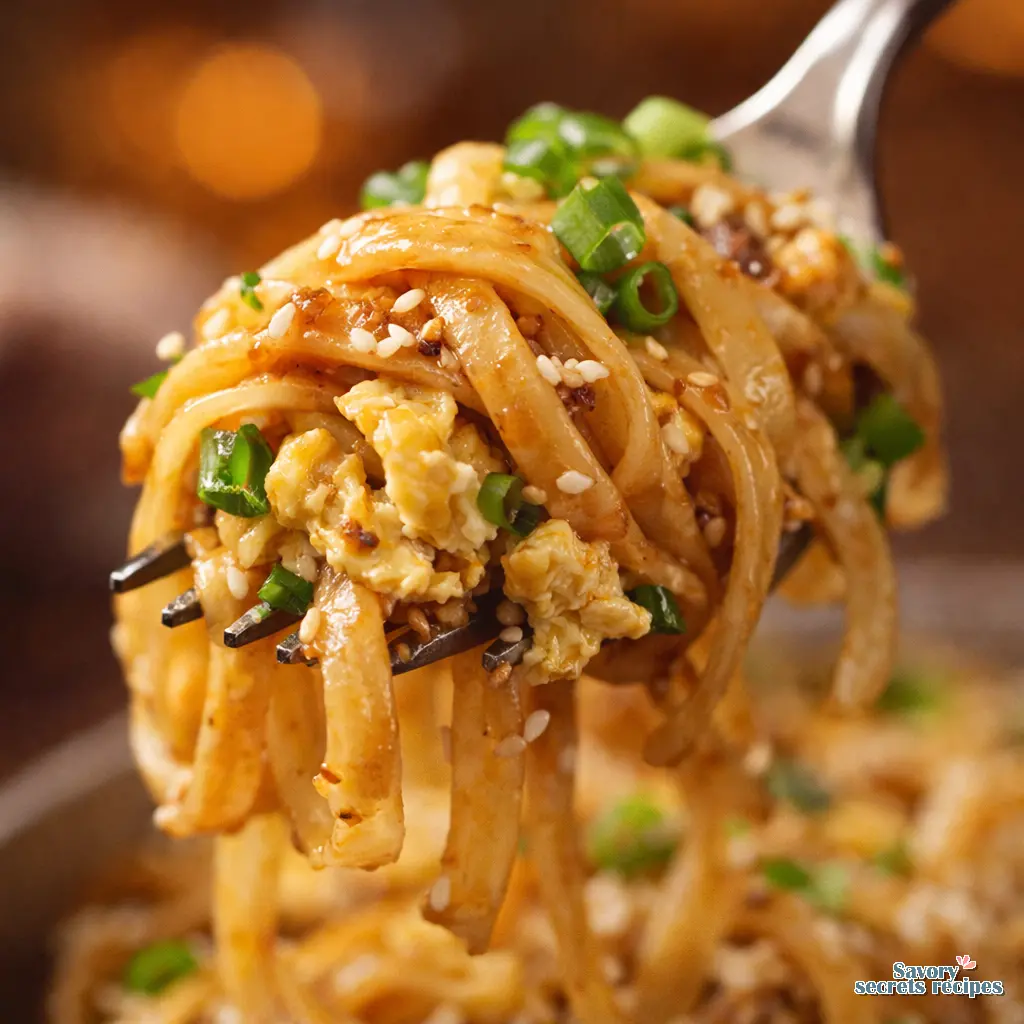
How to Make Gluten Free Egg Fried Noodles
Ingredients
Method
- Combine the flour and salt in a bowl and whisk thoroughly.
- Create a well in the flour and crack the eggs into the center.
- Incorporate the eggs into the flour and form the dough into a ball by hand.
- Wrap the dough in plastic wrap and let it rest for 20 minutes.
- Lightly flour a work surface and roll the dough out very thinly.
- Cut the dough into long strips using a pizza cutter.
- Bring a large pot of water to a boil and add a pinch of salt.
- Add the noodles to the water and cook for 3 to 5 minutes.
Nutrition
Notes
- Use a flour blend with xanthan gum.
- This helps the dough stay together.
- Roll the dough as thin as possible.
- Thick noodles can be too chewy.
- Let the dough rest before rolling.
- This makes it easier to handle.
- Use plenty of flour on your tools.
- This prevents the dough from sticking.
The Quest for Perfect Gluten Free Egg Fried Noodles
Wednesday night dinner panic is a very real clinical condition in my house. It’s 5:30 PM, you’re exhausted after navigating holiday traffic and a chaotic Trader Joe’s run, and you just want a massive bowl of Chinese takeout. Fair enough. But finding a truly celiac safe option without the constant fear of cross contamination is exhausting. I hear this from my nutrition patients all the time. They’re tired of feeling left out of normal meals.
That tracks with what I’ve seen in the data regarding dietary anxiety. People just want a bowl of comforting, savory noodles that won’t make them sick. That’s exactly why we’re making these gluten free egg fried noodles at home. Safe, incredibly delicious, and honestly, much easier than you think.
I know making pasta sounds intimidating. I thought it was too much work for a weeknight, then I discovered how forgiving tapioca starch can be. During these cooler LA winter months when we actually use our ovens, or in my case, fire up a blazing hot wok in New Jersey, this recipe is a lifesaver. Your family will be impressed. Trust me.
Why Homemade Beats the Store Every Time
Let’s talk about the why. Store-bought certified GF noodles are wildly expensive. Plus, finding actual egg noodles that are gluten-free is practically impossible. Most brands just offer basic rice noodles or glass noodles. Those are great for a quick egg fried rice noodles recipe, but they completely lack that rich, springy bite of a true egg noodle.
By making our own gluten free egg fried noodles from scratch, we control every single variable. No hidden wheat in a cheap oyster sauce substitute. No shared fryers in a restaurant kitchen. Just pure umami and peace of mind.
My daughter recently decided she doesn’t like mixed-up food, which rules out approximately 80% of my cooking. Last week I deconstructed aloo gobi for her. Potatoes in one section, cauliflower in another. She ate everything. I’m treating this like a very small clinical trial with an n of 1. But thankfully, she makes a massive exception for these gluten free egg fried noodles. The familiar, comforting texture wins her over every single time.
The Science of GF Pasta: Tapioca and Xanthan Roles
This is genuinely interesting from a food science perspective. Traditional wheat dough relies entirely on gluten proteins to create an elastic network. Without it, GF dough just crumbles into a sad pile of dust. To be clear, we have to engineer that elasticity ourselves.
That’s exactly where tapioca starch and xanthan gum come in. Tapioca provides the chewiness you crave. Xanthan gum acts as the structural binder. Let me pull the actual study on hydrocolloids in gluten-free baking. The data on this is actually quite clear. Xanthan gum traps moisture and mimics those long gluten strands.
Worth noting here, you absolutely must let the dough rest for 15 to 30 minutes. This resting period allows the flours to fully hydrate and become pliable. I tried skipping this once because I was starving. My dough shattered into pieces. I learned this the hard way so you don’t have to.
Visual Troubleshooting: Too Wet vs Too Dry
My Nani in Chandigarh taught me to temper spices by sound and smell, not timers. She’d hold my hand over the kadhai so I could feel the heat rising before adding the jeera. I use that exact same sensory approach for testing dough. You really have to feel it.
Common Mistakes & Fixes
Mistake: The dough is crumbly and won’t hold together when you squeeze it.
Solution: It’s simply too dry. Add water just one teaspoon at a time until it forms a cohesive ball. GF flour blends absorb moisture differently depending on the brand.
Mistake: The dough sticks to your fingers in a gummy, frustrating mess.
Solution: It’s too wet. Dust it repeatedly with extra tapioca starch or your GF flour blend while kneading. Don’t panic, it’s easily fixable.
Mistake: The noodles turn to mush in the boiling water.
Solution: You likely added them before the water reached a full, rolling boil, or you overcooked them. Fresh GF noodles only need 2 to 3 minutes tops.
Step-by-Step Rolling Tips (Manual vs Machine)
You don’t need fancy equipment to make incredible gluten free egg fried noodles. I mean, you could use a shiny new pasta machine, but a standard rolling pin works perfectly fine. If you’re using a roller, start at the widest setting and go step-by-step without skipping numbers.
We have a Saturday morning routine where my daughter helps me make parathas. She’s not great at rolling them into perfect circles yet. They’re usually shaped more like amoebas, but she’s learned to feel when the dough is too dry or too sticky. I realized I’m teaching her the exact same way my nani taught me, through touch and repetition rather than strict measurements.
Always dust your work surface generously with extra flour to prevent feathering or sticking. Rotate the dough a quarter turn after every single roll. You’ll want to roll it to about 1/16 inch thickness, which is roughly 2mm, for the best cooked texture. Use a pizza cutter for quick, even noodle strips. Channel your inner im-perfectionist here. Rustic noodles honestly taste just as good.
The Drying Debate: How to Successfully Air-Dry
The evidence here is mixed regarding whether you actually need to dry fresh GF pasta before cooking. Some recipe developers say it becomes way too brittle and shatters. Others swear by a long drying process.
In practical terms, I’ve found a middle ground works best. Leaving your freshly cut gluten free egg fried noodles in loose nests to dry slightly for about 20 minutes helps them hold their shape in the boiling water. Don’t let them dry until they snap like twigs. You just want the exterior to feel slightly leathery to the touch.
Noodle Width Guide for Different Cuisines
Width completely changes the eating experience. It’s a textural preference, nothing more scientific than that.
Thick, short strips are perfect for hearty chicken and dumplings. Medium ribbons are ideal for beef stroganoff or tossed simply with butter, salt, and Parmesan. But thin, long strips are exactly what you want for gluten free egg fried noodles. They absorb the tamari and sesame oil beautifully while maintaining that crucial structural integrity in the wok.
Building the Ultimate Gluten Free Egg Fried Noodles
Now for the fun part. The actual stir fry. Once your fresh noodles are boiled, and remember to only cook them for 2 to 3 minutes, it’s time to build flavor fast. I genuinely love the moment when you add aromatics to hot oil. There’s actual chemistry happening and it smells incredible.
Get your pan or wok screaming hot. Scramble your eggs into fluffy ribbons first, then remove them to a plate. This prevents them from turning into rubber. Add your scallions and garlic to the oil. Sauté until the raw smell cooks off and your kitchen smells amazing.
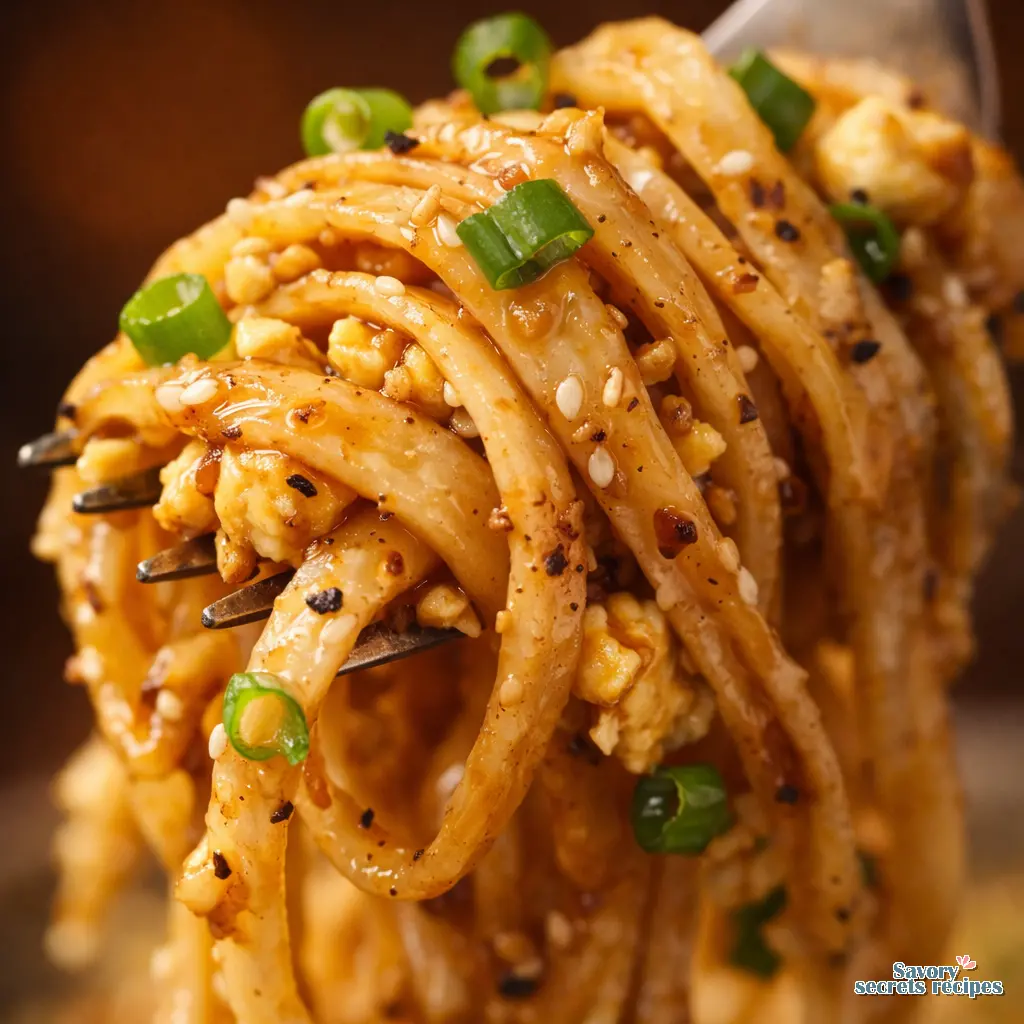
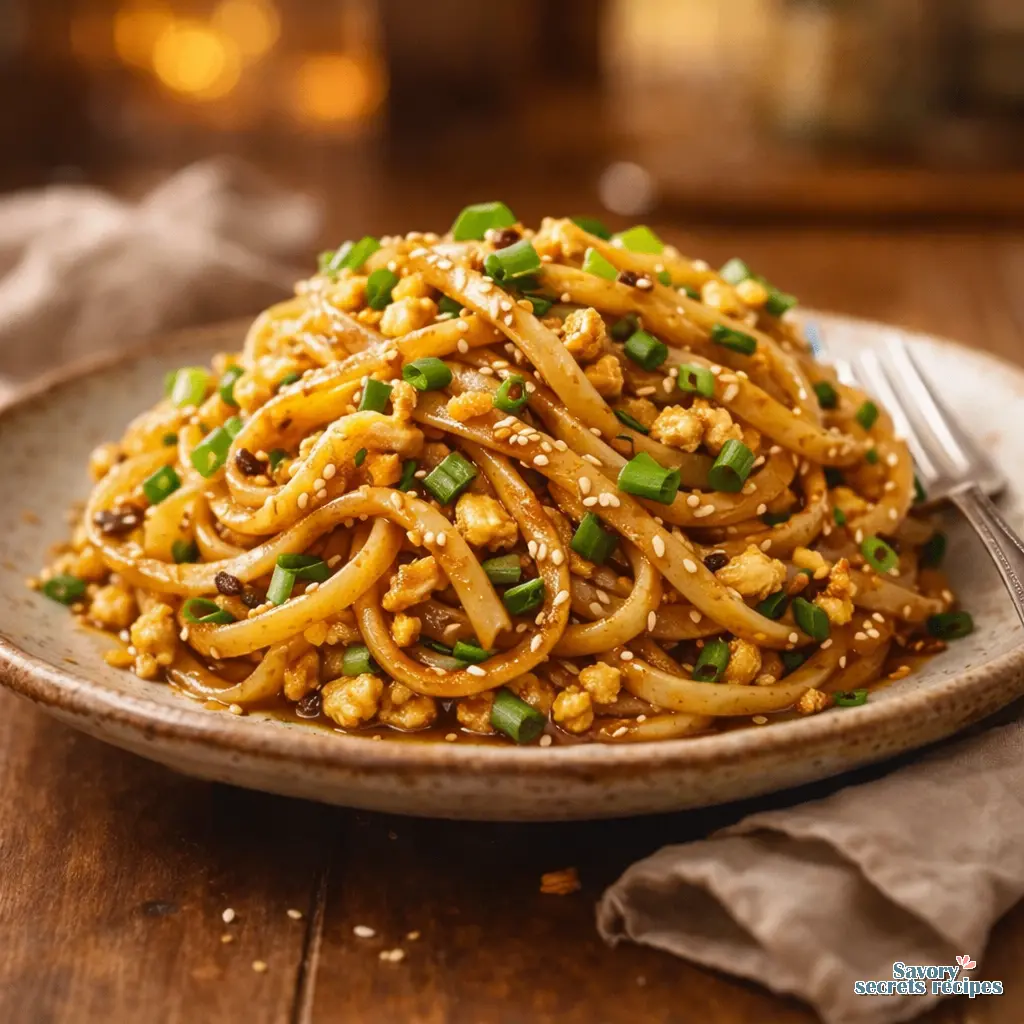
Toss in your cooked noodles. The trick is to keep them moving constantly so they don’t clump together. Pour in your sauce mixture of tamari, coconut aminos, and a splash of sesame oil. Toss until every single strand is glossy, savory, and perfectly coated. Fold those egg ribbons back in. Perfect. Worth it.
Storage & Freezing (The ‘Cook from Frozen’ Rule)
If you’re meal prepping for a busy week, the uncooked dough and noodles freeze beautifully. Freeze the uncooked noodles in flat layers on a baking sheet for 2 to 3 months. Once frozen solid, transfer them to a freezer-safe bag.
Here’s the golden rule for cooking them later. Do not thaw them. I repeat, don’t thaw them. Drop the frozen noodles directly into your boiling water. If you thaw them on the counter, condensation forms and they’ll turn into a gummy, unusable mess.
For your fully cooked leftover gluten free egg fried noodles, refrigerate them in an airtight container for up to 3 days. To reheat, toss them back in a skillet with a tiny splash of water or tamari to revive the texture. Microwaving works in a pinch, but the stovetop brings back that fresh wok flavor.
Frequently Asked Questions
Bringing It All Together
I genuinely hope this recipe brings a little bit of comfort back into your dinner rotation. I know how stressful label checking and worrying about cross contamination can be. Making your own gluten free egg fried noodles gives you that classic, savory takeout experience without any of the anxiety.
The next time you’re craving Chinese food on a busy weeknight, give this a try. Once you understand the basics of handling the dough, it’s a technique you’ll use constantly. Serve it up to your family and see if they can even tell it’s gluten-free. I bet they won’t.
For more inspiration and celiac safe meal ideas, check out my Pinterest boards where I save all my favorite weeknight lifesavers. Happy cooking, and remember, taste and adjust as you go!
Reference: Original Source
Are egg noodles gluten free?
Generally, no. Standard egg noodles you find in the grocery store are made with wheat flour and are not celiac safe. That’s exactly why making these gluten free egg fried noodles at home is so crucial for anyone with a gluten sensitivity.
Do you need a pasta roller to make these?
Not at all. While a pasta roller gives you very uniform strips, a standard rolling pin and a pizza cutter work perfectly fine. Just make sure to roll the dough out to about 2mm thick so your gluten free egg fried noodles cook evenly.
Can I use a liquid egg substitute?
I wouldn’t recommend it for the dough itself. The fat and protein structure of real egg yolks is what gives these noodles their flexibility and rich flavor. However, you can certainly use an egg substitute for the scrambled ribbons in the stir fry portion.
Can I dry these noodles for long-term pantry storage?
I don’t advise fully air-drying them for the pantry. GF dough lacks the structural integrity of wheat, and they’ll likely shatter into tiny pieces once fully dried. Freezing them raw is a much safer, more reliable preservation method.
Do I need a food processor for the dough?
You absolutely don’t need one. A food processor speeds up the initial mixing, but blending by hand in a large bowl lets you feel the hydration level of the dough. I prefer the tactile method so I know exactly when it’s ready.
How do you keep gluten free noodles from sticking together when frying?
The secret is twofold. First, rinse the boiled noodles briefly in cold water to stop the cooking process and remove excess surface starch. Second, make sure your wok is very hot and keep the noodles moving constantly once they hit the oil.
Can I use this recipe with store-bought glass noodles or konjac noodles?
Yes, you absolutely can. If you’re short on time, swapping the homemade dough for certified GF glass noodles or konjac makes a fantastic, quick stir fry. Just follow the package directions for soaking, then proceed with the tamari and egg scramble steps.
What is the secret to making this taste like authentic takeout?
It’s all about high heat and the right sauce balance. Using a high-quality tamari, a touch of toasted sesame oil, and letting the aromatics cook until fragrant creates that deep umami profile. Don’t crowd the pan, let the noodles get slightly charred on the edges.