



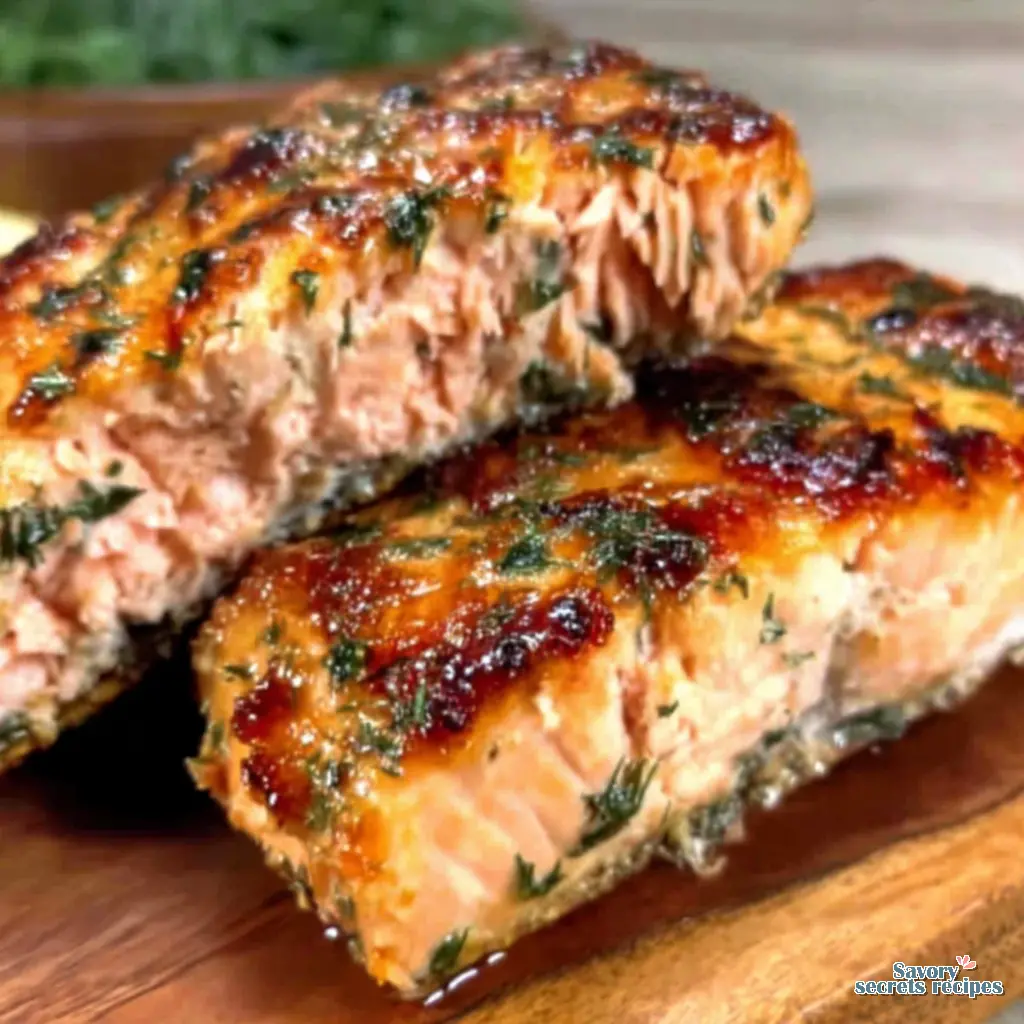
Grilled Salmon with Fresh Herbs and Lemon
Ingredients
Method
- Combine lemon zest, lemon juice, chopped dill, minced garlic (if using), olive oil, sea salt, black pepper, and smoked paprika in a mixing bowl. Whisk gently until well combined.
- Place salmon fillets skin-side down in a bowl or shallow dish. Spoon the marinade over each piece to coat evenly. Cover and refrigerate for 15 minutes.
- Preheat the grill to medium (approximately 375°F / 190°C). Lightly oil the grates using a paper towel dipped in oil and held with tongs to prevent sticking.
- Place the fillets skin-side down on the grill. Cook undisturbed for 5 to 6 minutes until the skin is crisp and the flesh is mostly cooked through. Carefully flip the fillets and grill the other side for 2 to 4 minutes until the salmon flakes easily but remains moist.
- Transfer the salmon to a plate and let it rest for 2 to 3 minutes to allow the juices to redistribute before serving.
Nutrition
Notes
The Ultimate Spring Dinner: Lemon Grilled Salmon
Sitting on the patio with a cold mocktail while the spring breeze rolls through Los Angeles is pretty much my favorite thing about this season. The weather is hitting that perfect 70 degree mark, and Mother’s Day is just around the corner. Here is the deal. If you want to make something that feels incredibly special but does not keep you chained to the stove all afternoon, you need this lemon grilled salmon in your rotation. Not gonna lie, the combination of bright citrus and fresh herbs hitting hot grates is the ultimate smell of summer cooking. For those evenings when you need a simple salmon dinner without the extra prep, this alternative method is a lifesaver.
I know cooking fish outside intimidates a lot of folks. You worry about it sticking, falling apart, or drying out before you even get it to the table. I hear you. I used to stress about it too. But I am going to show you a method that looks way harder than it actually is. We are talking about a vibrant, zesty flavor profile with a beautiful presentation right on a bed of charred lemons. It is a light dinner that pairs perfectly with a spring pea risotto or some simple summer squash. Trust me. Once you understand the basics, you will be looking for excuses to make this every weekend.
Quick Wins for Perfect Lemon Grilled Salmon
First things first, let me walk you through this with a few quick wins before we get into the heavy details. I learned early in my career that assuming people know the basics usually leads to disaster. So, let us set you up for success. You absolutely must dry the surface of your fish with paper towels before it ever touches heat. Moisture is the enemy of a good crust. If the fish is wet, it steams instead of searing, and you miss out on that beautiful golden color.
Next up, preheat your grill for a solid 5 to 10 minutes on medium high heat. You want those grates screaming hot so the fish sears instantly and releases naturally. If you try to flip it and it resists, stop. Let it ride. It will tell you when it is ready to turn. Finally, always use fillets that are at least 1 to 1.5 inches thick. Thin cuts overcook in the blink of an eye, leaving you with dry, chalky meat. Grab the thickest center cut wild salmon or Atlantic salmon you can find at Whole Foods or your local market. Worth it.
The 30 Minute Rule for Your Citrus Marinade
Real talk. We need to discuss the science of marinating seafood. When you are making the best lemon marinade for grilled salmon, you are dealing with bright acidity. Lemon juice is fantastic for flavor, but it actually denatures the proteins in the fish. Basically, the acid cooks the meat without any heat. If you leave your fillets in a highly acidic bath for two hours, you will end up with mushy, weirdly textured fish that falls apart on the grates. I ruined a lot of good seafood before I understood this.
You should never marinate this fish for longer than 30 minutes. Honestly, 20 minutes is my sweet spot. While the fish hangs out in the fridge, you can prep your side dishes or mix up a quick herb butter. If you want massive zesty flavor without the risk of breaking down the meat, lean heavily on lemon zest. The zest gives you all those fragrant, sun drenched essential oils without the harsh acidity of the juice. I think probably a tablespoon of fresh zest mixed with extra virgin olive oil and minced garlic cloves is the perfect base. This efficiency is what makes it such an easy salmon grill recipe for any night of the week.
Grill Prep and The Science of Searing
There is nothing better than the sound of a good sear. That immediate sizzle when meat hits a hot grate is the Maillard reaction doing its job, and it never gets old. But to get there without leaving half your dinner stuck to the metal, you have to prep properly. Clean your grates thoroughly with a brush. Then, take a paper towel folded up, dip it in vegetable or olive oil, and use tongs to rub it over the hot grates. Do this three or four times until the metal is glossy and black.
I always teach people to build your fire in zones. Whether you are using gas or charcoal, leave one side of your grill cooler. If things get out of hand or the garlic starts burning, you have a safe zone to move the food to. My daughter helped me set up a two zone fire last weekend, and she instantly understood why we do it. It gives you control. When you place your lemon grilled salmon flesh side down first, you get those clean, professional grill marks. Just remember to season with sea salt and cracked pepper about 30 minutes before cooking so the flavors actually penetrate the meat.
The Lemon Bed Technique and Visual Doneness
I remember standing on a milk crate at my grandfather Vicente’s taqueria in San Antonio, watching him flip carne asada over old brick grates. He would test the meat by pressing it with his index finger. Firm but with give, he would say. He knew the science by touch. I eventually bought a digital thermometer, and I swear I heard him laughing. But honestly, when you are learning how to grill fish with lemon slices on top, a thermometer is your best friend. You are looking for an internal temperature of 145F. Trust your thermometer, not the clock.
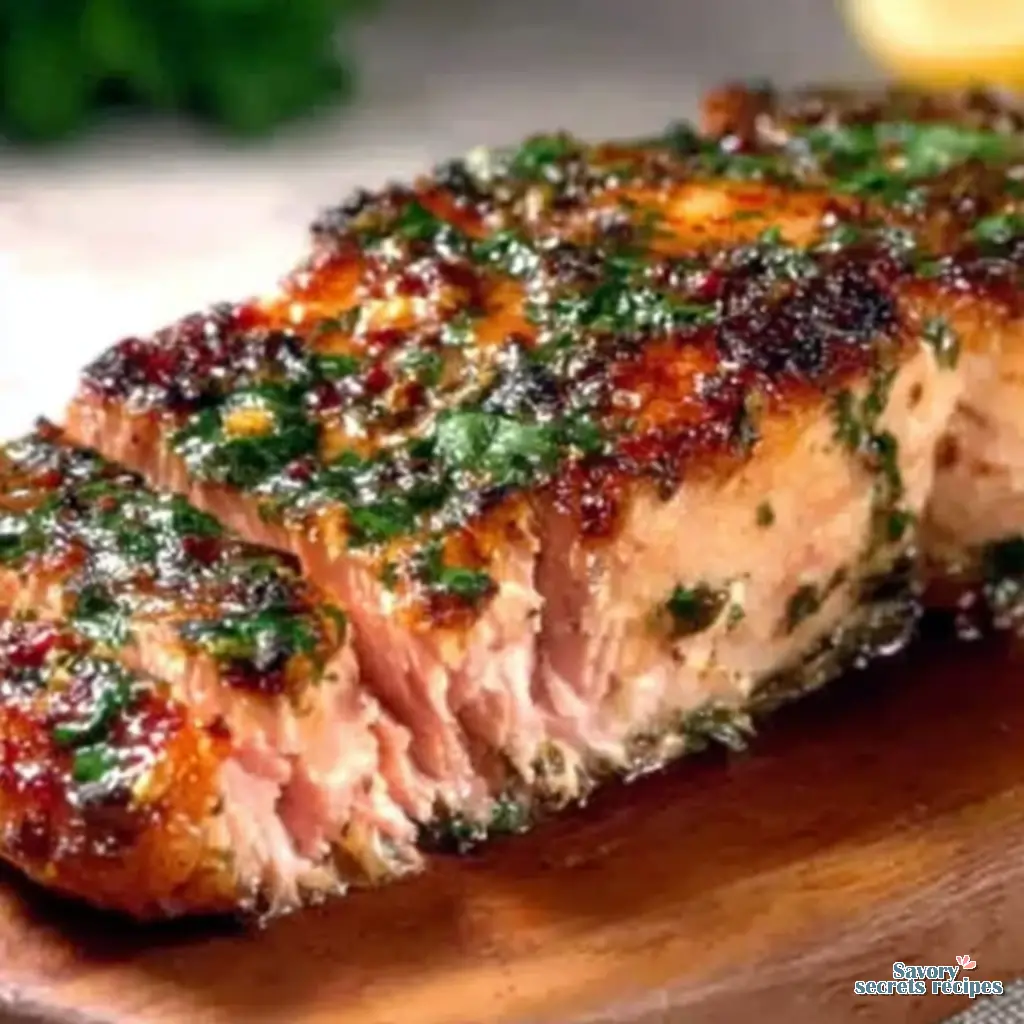
Here is a brilliant trick if you are terrified of sticking. Build a bed of thinly sliced lemons directly on the grates and place your fillets right on top of them. The lemons char and release their sweet, smoky oils directly into the meat, while acting as a protective barrier against the intense heat. You get all the flavor of charred lemons without the stress. As the fish cooks, watch the sides. You will see the color change from translucent pink to opaque working its way up. If you see white stuff oozing out, that is albumin. It just means your heat might be a little too high, but the fish is still perfectly safe and delicious to eat.
Glaze Layering and Flavor Building
This is where it gets good. A great piece of fish needs a finishing touch to really make it sing. While the salmon is doing its thing on the grates, I like to melt down some unsalted butter in a small pan. Toss in smashed garlic cloves, fresh dill, flat-leaf parsley, and some chives. Let those herbs steep in the warm butter. We are keeping this completely alcohol free, so instead of wine, we rely on a squeeze of fresh lemon juice right at the end to brighten up the rich, buttery sauce.
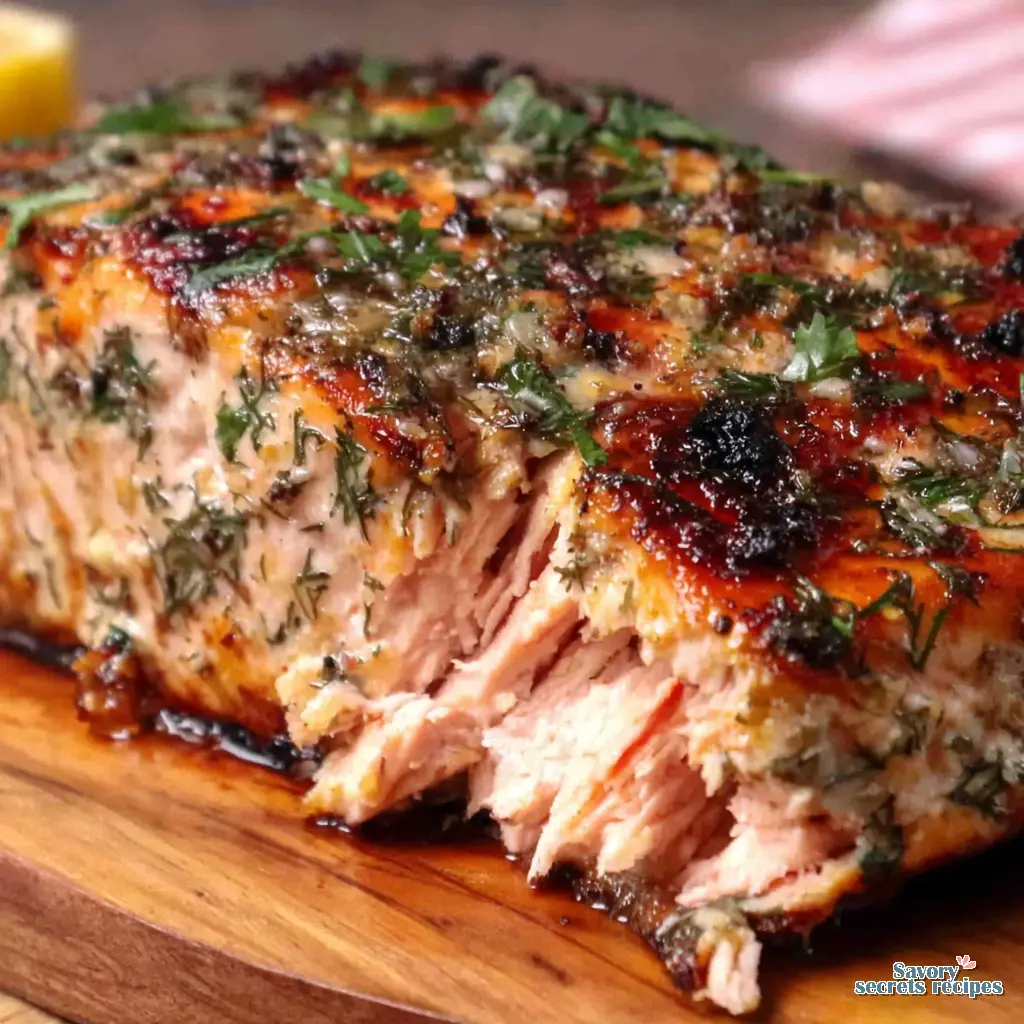
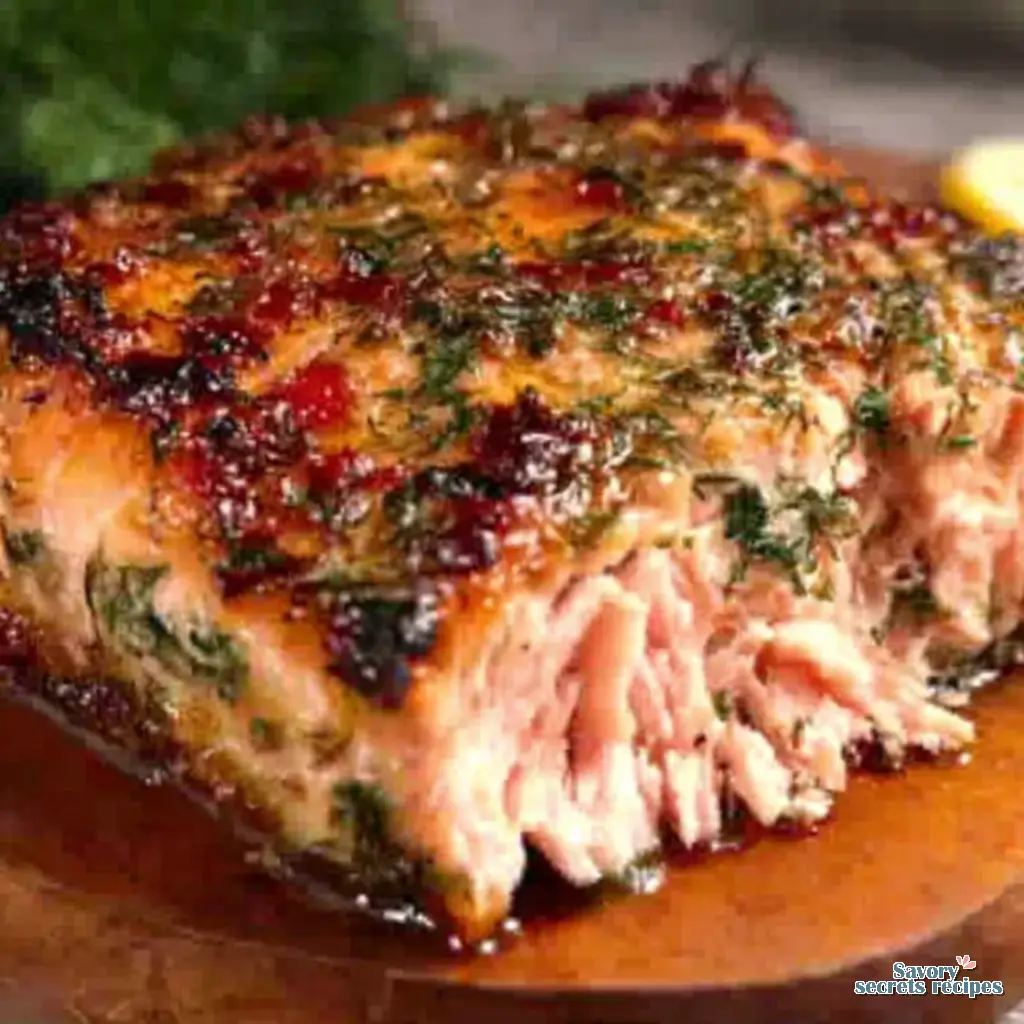
You want to layer this flavor. Brush a little bit of the herb butter on the fish right before you pull it off the heat. Pull it now and let carryover do the work. The residual heat will melt that butter straight into the flaky cracks of the meat. Then, once it is resting on your serving board, hit it with another spoonful. The smell of fresh dill and melted butter hitting warm fish is absolutely incredible. It is the perfect pairing for outdoor dining. This light and healthy approach is why healthy grilled salmon is such a hit during the summer months.
Common Mistakes & Fixes
Mistake: Marinating too long.
Solution: The acid cooks the fish and ruins the texture. Keep your marinade time strictly under 30 minutes.
Mistake: Starting with a cold grill.
Solution: This guarantees your food will stick. Always preheat your grill for 5 to 10 minutes to medium high heat before cooking.
Mistake: Flipping the fish too early.
Solution: If you feel resistance, stop. You will tear the meat. Wait for the natural release from the grates.
Mistake: Thawing in hot water.
Solution: Never do this. It breeds bacteria and ruins the texture. Thaw frozen salmon safely in the fridge for 24 hours.
Mistake: Not drying the fish.
Solution: Wet fish steams instead of searing. Always dry the surface thoroughly with paper towels before seasoning.
Frequently Asked Questions
Storage, Reheating, and Serving Your Lemon Grilled Salmon
If you end up with leftovers, which rarely happens in my house, you want to store them properly. Place the cooled fish in an airtight container in the refrigerator. It will stay fresh for up to three days. For longer storage, you can use a freezer bag, squeezing out as much air as possible, and freeze it for up to two months.
Reheating seafood is where a lot of people mess up. The microwave is convenient, but it will make your beautiful fish rubbery and chewy. In my experience, the best method is gentle residual heat. Place the fillets in a skillet over low heat with a tiny splash of water and cover it with a lid. Let it gently steam until just warmed through. You can also flake it cold straight out of the fridge over a fresh green salad or a bowl of Orzo pasta with parmesan. It is fantastic either way.
Wrapping Up Your Summer Table
There you have it. A foolproof method for making the most vibrant, flaky lemon grilled salmon you have ever tasted. Whether you are hosting a Mother’s Day brunch or just need a quick weeknight meal that feels a bit fancy, this technique will not let you down. Remember to preheat those grates, respect the 30 minute marinade rule, and do not force the flip. You’ve got this.
I would love to see how your summer table setup turns out. If you give this a try, snap a picture and share it. For more fire cooking inspiration and backyard BBQ ideas, check out my Pinterest boards. I am always pinning new flavor combinations and grilling techniques. Cheers to summer, good food, and spending time outside.
Reference: Original Source
Should I Use Skin On or Skinless Salmon Fillets?
I always prefer skin on for lemon grilled salmon. The skin acts as a natural heat shield, protecting the delicate meat from drying out over the hot coals. Plus, crispy skin is delicious. If you prefer skinless, just use the lemon bed technique to protect the bottom.
Is salmon good for health?
Absolutely. It is packed with Omega 3 fatty acids, B12, and potassium. It is a fantastic lean protein for a light dinner. I love serving it to my family because it is nutrient dense but still feels rich and satisfying, especially when paired with fresh vegetables.
Can you eat salmon raw?
You can, but only if it is specifically labeled as sushi grade or sashimi grade. Standard grocery store fillets intended for cooking should always be cooked to a safe internal temperature of 145F to ensure any potential parasites are destroyed. Play it safe with your backyard BBQ recipes.
How to Thaw Salmon?
The safest way is to leave it in an airtight container in the refrigerator for 24 hours. If you are in a rush, you can submerge the sealed package in cold tap water, changing the water every 30 minutes. Never use hot water or the microwave to thaw.
How long to marinate salmon?
Keep your lemon grilled salmon marinade under 30 minutes. Because we are using highly acidic lemon juice, anything longer will start to cure and break down the proteins, leaving you with a mushy texture. 20 minutes is usually the sweet spot for perfect flavor penetration.
How long to grill salmon?
It depends entirely on the thickness of your fillets. Generally, a 1 inch thick piece takes about 4 to 5 minutes per side over medium high heat. But honestly, trust your thermometer. You are looking for exactly 145F internal. Pull it a few degrees early to account for carryover cooking.