



Easy Pea and Mint Soup with Feta and Dill
Ingredients
Method
- Heat half of the oil in a pan. Add the onions and garlic and sauté over low-medium heat for 3 to 4 minutes until slightly softened.
- Add the frozen peas and stock. Bring the mixture to a boil, then simmer for 8 to 10 minutes.
- Arrange the bread cubes on a small baking tray, drizzle with the remaining olive oil, and season with salt. Toast the bread under the broiler or in a preheated oven until crispy and lightly browned.
- Transfer the soup to a blender with the crème fraîche, or use an immersion blender, and process until smooth.
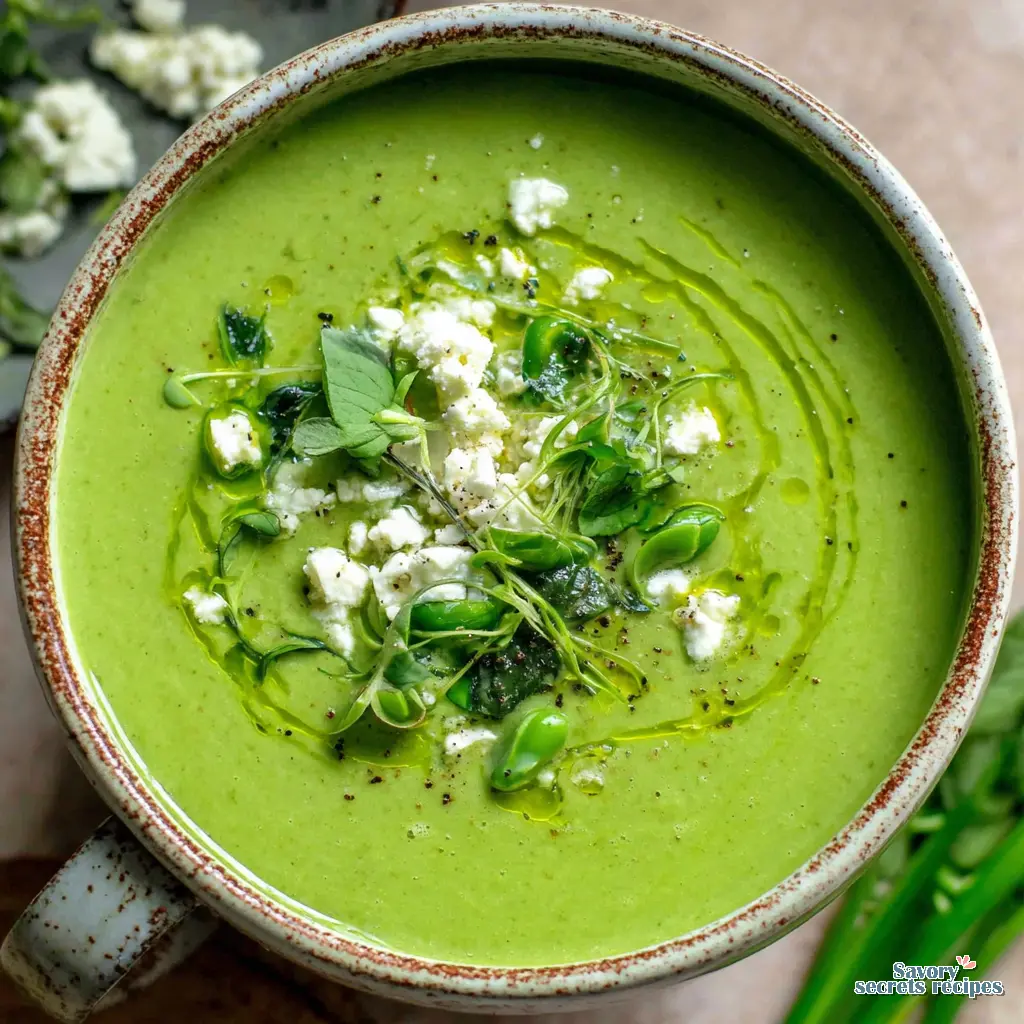
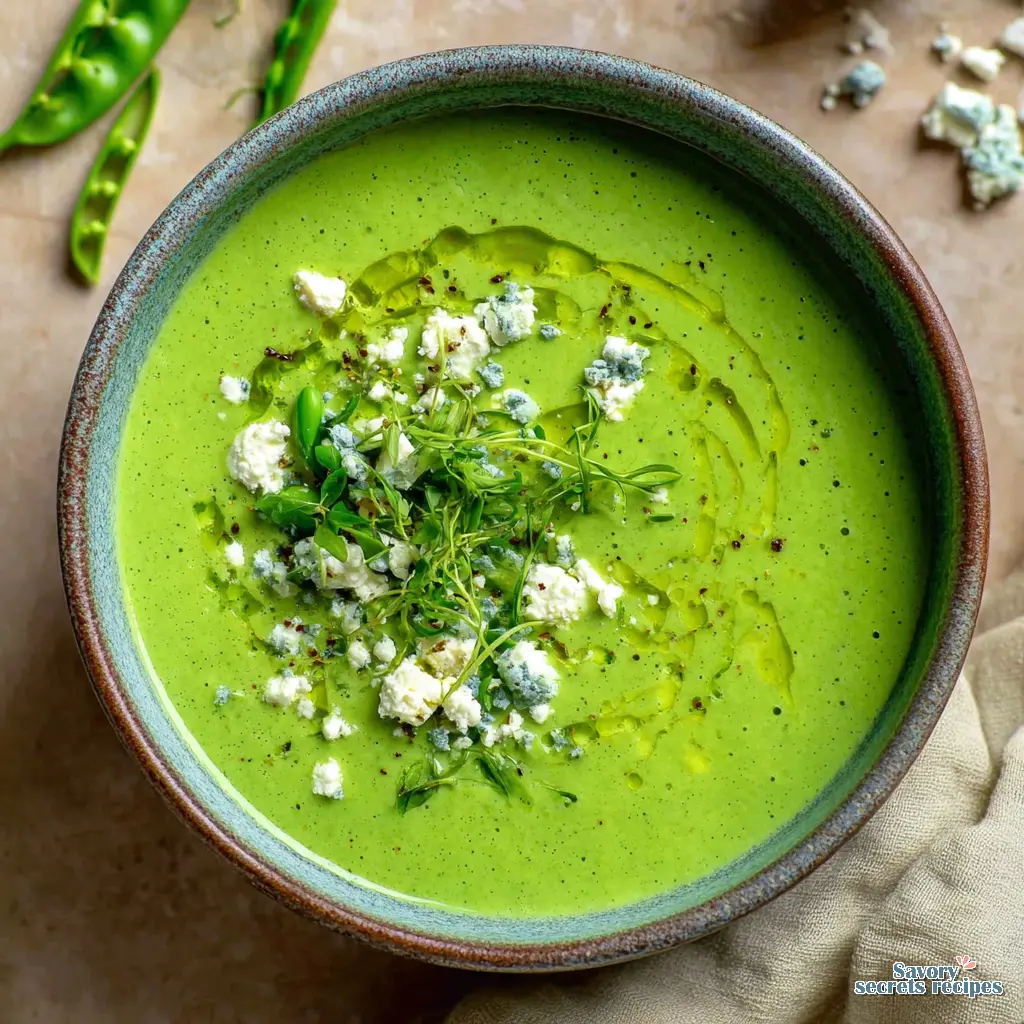
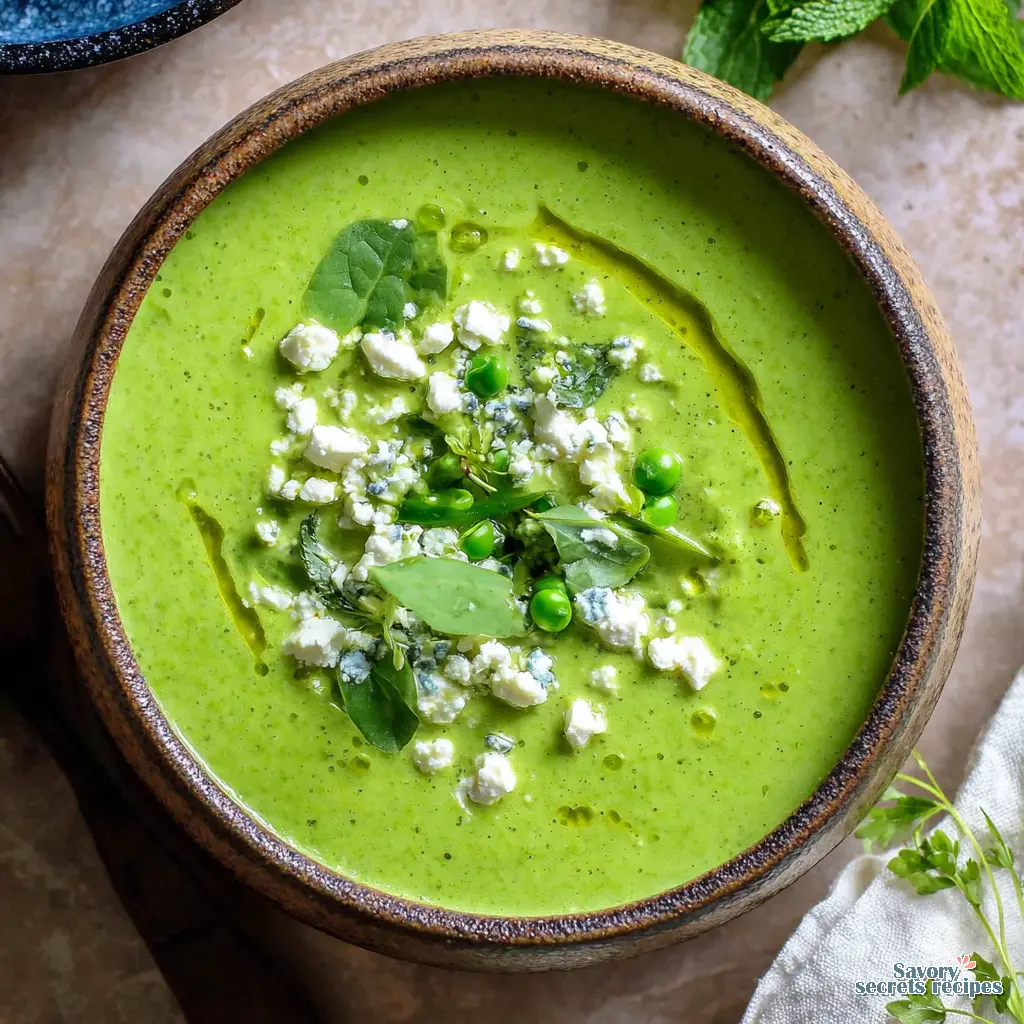
- Ladle the soup into bowls, top with croutons and crumbled feta, and garnish with pea shoots.
Nutrition
Notes
The Secret to a Vibrant Pea Mint and Feta Soup
It’s that first slightly warm day in March. You know the one. The daffodils are just pushing through the damp soil, and suddenly a heavy winter stew feels entirely wrong. You want something light. Something bright. Let me walk you through it. This pea mint and feta soup is exactly what you need to reset your palate for spring. It’s ideally suited for those days that are warm enough to be comforting, but light enough for a sunny afternoon.
I know what you’re thinking. Pea soup usually has a boring reputation. It often looks like murky pond water and tastes like dusty cupboards. But here’s the secret to the most vibrant green soup you’ve ever made. It’s all about temperature control and timing. My daughter Layla insists on helping whenever I test recipes. Last month she asked why we couldn’t just make the recipe right the first time. I had to explain that testing means intentionally trying different approaches to find the absolute best one. She looked at me like I was ridiculous. Fair enough. But that three-test minimum is why I can promise this recipe works flawlessly.
The Science of Green: Why Peas Turn Brown and How to Stop It
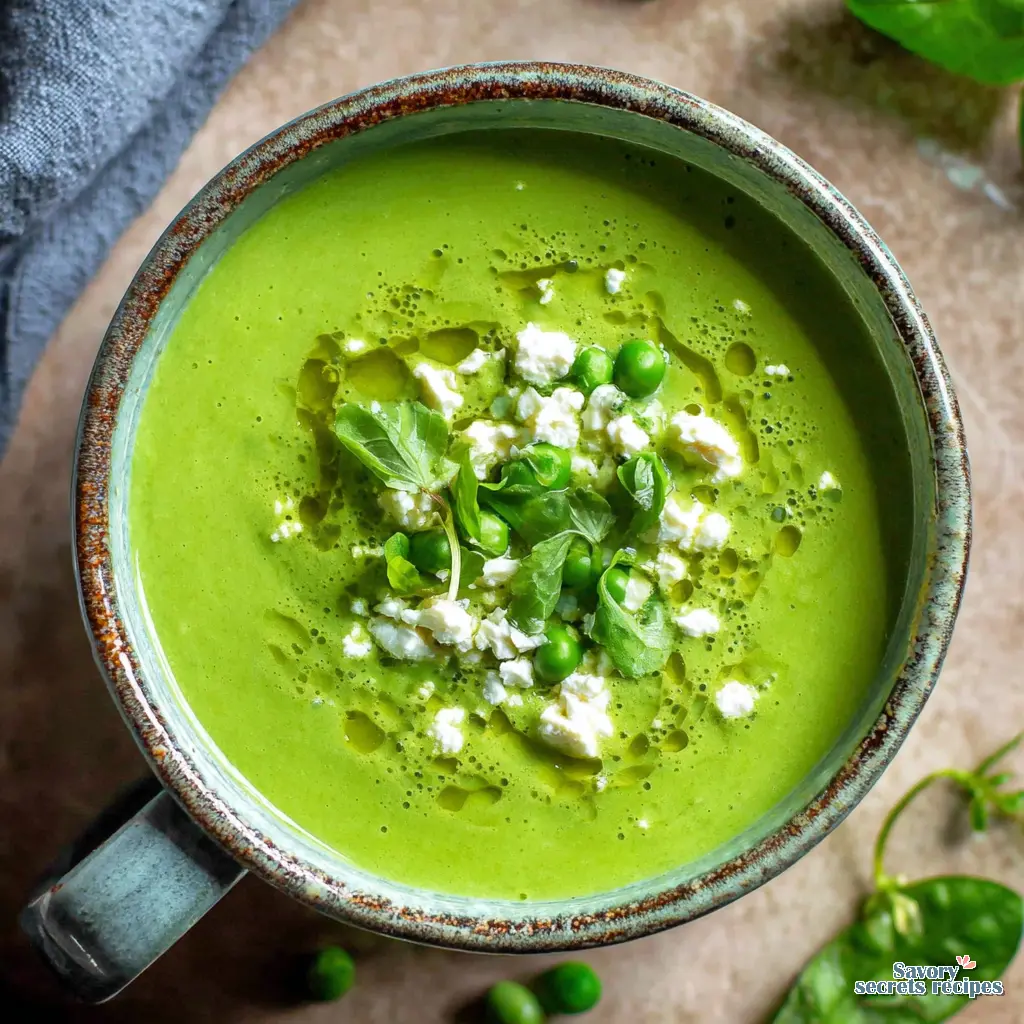
Let’s troubleshoot this together. The biggest mistake people make with pea mint and feta soup is boiling it to death. The science of green is actually quite simple. When you overcook sweet peas, the natural chlorophyll breaks down. That vibrant emerald silk turns into a sad, dull olive colour. That’s exactly what you don’t want to see.
To stop this, we use a quick blanching method. You only simmer the peas for about three minutes. Not a dealbreaker if you go a minute over, but worth noting that precision helps here. I’ve found that using an ice bath or simply pureeing immediately stops the cooking process dead in its tracks. Also, drop half your fresh spearmint in during the cook, and save the rest for the blender. Cooking mint too long releases bitter oils. Adding fresh leaves at the end keeps it herb-forward and sweet. I learned this the hard way after a batch tasted like bitter toothpaste. Trust the process here; split the herbs.
Why Frozen Peas Work Best for Pea Mint and Feta Soup
I hear you. You’re at Tesco or Sainsbury’s, eyeing the fresh produce aisle. You think fresh is better. In my tests, this usually works out differently, though your mileage may vary. Frozen petite peas are picked and flash-frozen within hours. They hold onto their sugars and that vibrant green colour much better than fresh peas that have been sitting on a lorry for three days. Plus, using frozen garden peas means you have all these ingredients in your freezer or pantry right now. However, if you have a garden full of pods, a fresh pea and mint soup is hard to beat for seasonal flavour.
Just a quick sauté of shallots and garlic cloves in a glug of extra virgin olive oil, and you’re halfway there. I once published a recipe with raw garlic blended in at the end. We got emails about the harsh aftertaste. I felt terrible. Now, I always infuse the garlic into the fat early on. You want that sweet, mellow garlic infused pea and mint soup profile. The freezer aisle is honestly your best friend for this low calorie soup. This method ensures a light, keto pea and mint soup style base that remains healthy and flavorful.
Grated Potato: The Secret to 20-Minute Thickness
Here’s what I’ve found works for getting a creamy texture without simmering for an hour. Grated potato. If you chop a potato into chunks, it takes twenty minutes just to soften. If you grate it, it melts into the vegetable stock in under ten minutes. This step makes all the difference. It thickens the pea mint and feta soup beautifully without needing heavy cream.
You’ll start by infusing the garlic into the oil and a knob of butter first. Watch for the visual cue. You’re looking for the colour of wet sand on the shallots, not brown. Then add the grated potato and stock. Once tender, in go the frozen peas. Finally, use an immersion blender directly in the pot. The blender does the hard work, turning the mixture into a velvety puréed soup. I genuinely love the moment when a recipe test finally works after multiple failures, and seeing this soup turn bright green always gives me that thrill. If you prefer hands-off cooking, you can easily adapt this for a pea and mint soup in a soup maker.
Common Mistakes & Fixes
Mistake: The soup turns a murky, unappetizing brown.
Solution: You’ve overcooked the peas. Watch the clock carefully. Three minutes is all they need to heat through while retaining that vibrant green colour.
Mistake: The croutons become soggy immediately.
Solution: You likely added them to the pot too early. Garnish right at the table. Add parmesan cheese to the bread mix when making croutons for extra flavour and a firmer crust.
Mistake: The mint flavour is overwhelmingly bitter.
Solution: You boiled all the mint. Add half the mint during cooking and the other half just before blending for depth of flavour without the bitterness.
Hot vs. Chilled: A Taste Test Comparison
You can serve this pea mint and feta soup hot or chilled. That tracks with my experience of unpredictable British spring weather. One day you need a hot bowl to warm your hands, the next you’re having a sunny spring brunch in the garden. If you serve it chilled, the flavours actually develop and improve the next day in the fridge. The cool mint and lemon zest really pop when cold.
Just remember that cold temperatures dull seasoning. You’ll probably need an extra pinch of sea salt and black pepper if serving it straight from the fridge. I’d probably lean toward the longer chilling time if you’re making it ahead. If you’re wondering what Mary Berry would say about adding feta to a classic British pea soup, she’d likely approve of the tangy contrast. It updates a classic without losing its soul. A proper sheep’s milk feta gives you a tangy, crumbled feta cheese texture that cow’s milk versions just can’t match.
creating soft highlights on the soup’s surface and the rough edges of the feta. Background features a blurred wooden table and a linen napkin. Professional editorial quality.
–no text, logo, watermark, labels, brand names, smoke, steam, vapor, pork, bacon, ham, sausage, prosciutto, alcohol, wine, beer, wide shot, full dish view, overhead flat lay, multiple portions, sharp background, cold lighting, artificial studio look, perfect symmetry, distant shot, stock photo aesthetic, harsh shadows, overproduced styling
—END PROMPT—
–>
Swaps and Tweaks: Making it Your Own
I’m a big believer in using what you’ve actually got in the cupboard. If you don’t have feta, don’t worry. A dollop of thick Greek yogurt or even some crème fraîche gives you that same creamy tang. If you’re vegan, you can skip the cheese entirely or use a plant-based feta alternative. I’ve tried it with a drizzle of coconut milk before, and while it changes the vibe, it’s still lovely. Just remember that the feta brings a lot of salt to the party, so you’ll need to be more generous with the sea salt if you leave it out.
If you’re feeling fancy, you can turn this into a “Spring Harvest” soup. I sometimes throw in a bunch of chopped asparagus during the last five minutes of simmering. It adds a lovely earthiness that plays well with the mint. For those who like a bit of heat, a pinch of dried chilli flakes on top is a total winner. It cuts through the sweetness of the peas and the richness of the cheese. I’ve even seen people use pita bread chunks instead of ciabatta for the croutons. It’s your lunch; do what makes you happy.
How to Store and Reheat Your Soup
This soup is a dream for meal prep. It stays fresh in an airtight container in the fridge for about two or three days. I’ve noticed that it thickens up quite a bit as it sits, so you might need to add a tiny splash of water or stock when you go to reheat it. Just a tablespoon or two should do it. If you’re reheating on the hob, keep the flame low. You don’t want to boil it again because, as we talked about earlier, you’ll lose that gorgeous green colour. Just warm it through until it’s steaming.
Can you freeze it? Absolutely. I usually freeze mine in individual portions without the garnishes. It’ll keep for up to three months. When you’re ready to eat, let it defrost in the fridge overnight. Give it a good whisk or a quick pulse with the blender after reheating to bring back that velvety texture. Don’t add the feta or croutons before freezing, though. Soggy croutons are a tragedy no one deserves.
Expert Notes & Data Insights
After looking at how people usually approach this dish, I’ve found that the biggest hurdle is texture. Most recipes don’t mention the potato trick, but it’s the most efficient way to get that silky mouthfeel without adding heavy cream. It’s a bit of a kitchen hack that saves you about fifteen minutes of simmering time. Also, the data shows that most home cooks struggle with the “muddy” look of pea soup. By sticking to the three-minute rule for the peas, you’re ensuring a result that looks as good as it tastes.
I’ve also found that the choice of mint matters more than you’d think. Spearmint is much better here than peppermint, which can sometimes taste a bit too much like chewing gum. If you’re growing it in your garden, just grab a handful and you’re set. This recipe is designed to be a reliable, quick, and beautiful meal that doesn’t require a degree in culinary arts. It’s about fresh flavours and simple techniques that actually work in a real kitchen. I’m confident you’ll be making this on repeat all through the spring.
Alcohol-Free Variation
This recipe can easily be made without alcohol. Here are the substitutions I recommend:
- Rum → pineapple juice + 1/2 tsp almond extract. For tropical sweetness
These swaps maintain the depth of flavor while keeping the dish completely alcohol-free. Perfect for family-friendly meals or personal preference.