



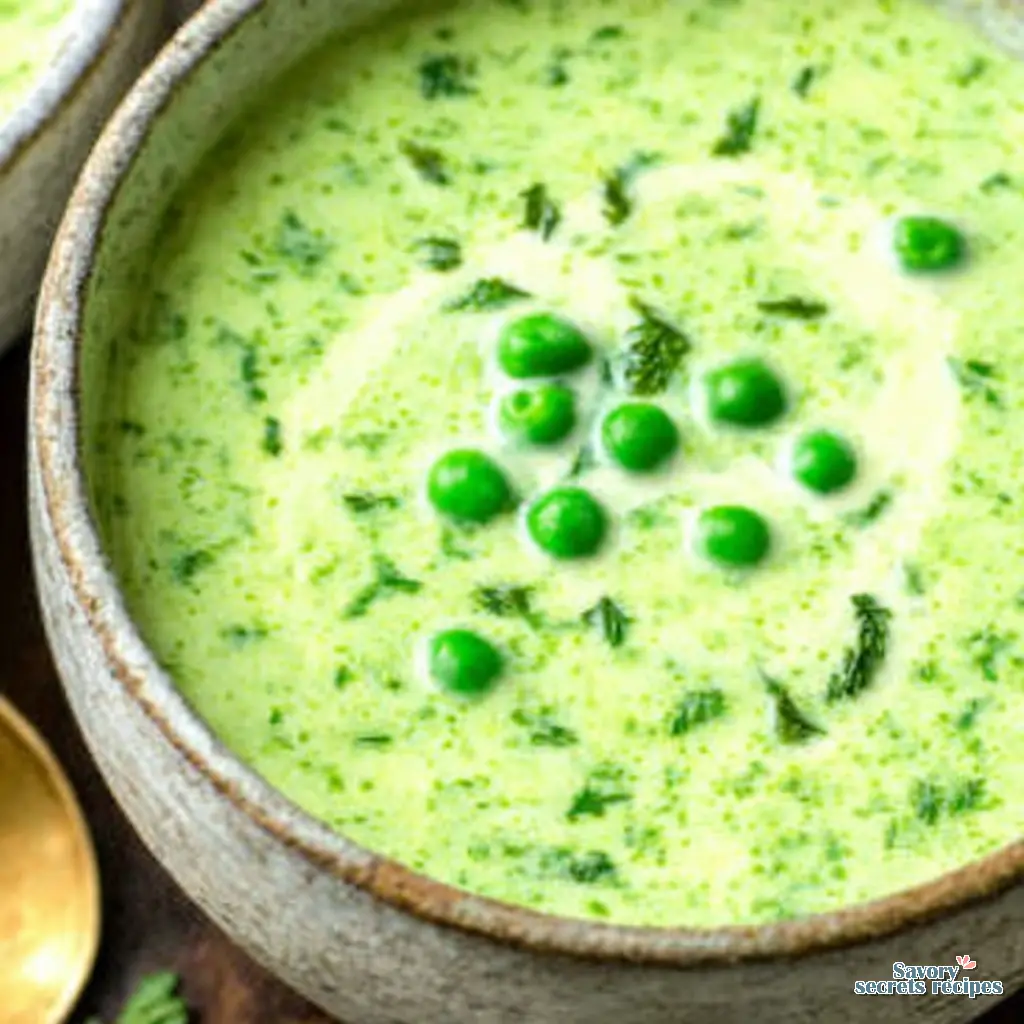
Creamy Vegan Pea and Mint Soup No Dairy
Ingredients
Method
- Heat olive oil and butter in a large saucepan over medium heat. Add the onion and cook, stirring, until soft, about 10 minutes. Stir in the garlic and cook for 30 seconds.
- Stir in 3 3/4 cups of peas, the mint, and 2 3/4 cups of stock. Cover and simmer for 10 minutes until the peas are soft.
- Carefully blend the soup until smooth and return it to the pan.
- Add the remaining 1 1/4 cups of peas and 3/4 cup of stock. Simmer for 5 minutes until the peas are cooked, then season with salt and pepper.
- Place Parmesan in serving bowls, pour the soup over it, and finish with a drizzle of olive oil.
Nutrition
Notes
Why Your Spring Menu Needs This Vegan Pea and Mint Soup
I remember the first mild spring day I spent in California. The craving for something fresh was immediate. That tracks with what I’ve seen in my own kitchen here in London, too. When the weather finally shifts and you can put the kettle on without wearing a jumper, we naturally want vibrant, green food. But there’s nothing quite as disappointing as a bland, brown, watery bowl of mush. We’ve all been there. You want a restaurant-quality starter, but you end up with grey sludge. For a more diverse seasonal menu, you might also consider a pea mint and asparagus soup.
My nani in Chandigarh taught me to temper spices by sound and smell, not timers. She’d hold my hand over the kadhai so I could feel the heat rising before adding jeera. I use that same sensory approach here. You need to smell the shallots sweetening. You need to watch the colour of the peas as they hit the hot water.
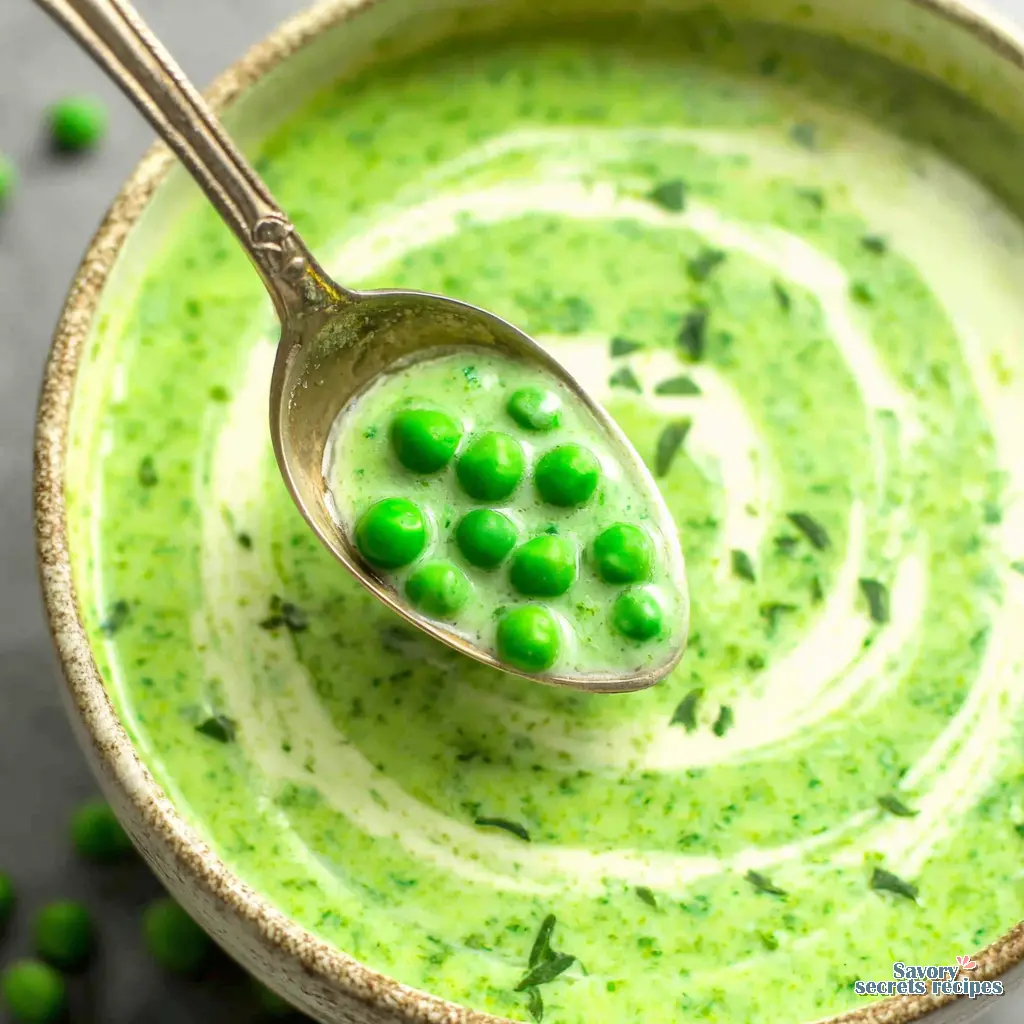
This vegan pea and mint soup solves the grey soup problem entirely. It takes about 20 minutes from start to finish. It’s a foolproof method for a silky, high-end texture that actually tastes like the season. And let’s be real, a quick 20-minute prep is exactly what you need on a busy weeknight.
The Science of Staying Green
Let me pull the actual study on chlorophyll preservation. When you boil green vegetables, the magnesium ion in the chlorophyll molecule gets replaced by hydrogen. That’s what causes that dull olive-green colour. It’s incredibly frustrating when you’ve spent money on good produce.
The trick is… and I learned this from testing multiple batches… you have to manage the heat carefully. You want to cook the sweet peas just until tender. Don’t overcook them. The data on this is actually quite clear. Less heat equals better colour. This is why blanching vegetables properly is a non-negotiable step in professional kitchens.
I also recommend adding your fresh spearmint and full fat coconut milk at the very end. The residual heat is enough to release the mint oils without turning the leaves bitter. I’m always excited when I find a technique that has both traditional wisdom and solid food science backing it up.
Fresh vs Frozen Peas: What The Data Says
I’m not entirely convinced that fresh peas are always worth the effort for soup. Fair enough, if you have an allotment full of sweet peas, use them. But in practical terms, frozen petit pois are flash-frozen at peak ripeness. They retain more vitamin C and natural sugars than fresh peas that have been sitting on a supermarket shelf for three days.
Plus, using frozen peas makes this a genuine one pot recipe. Just pop to your local Tesco or Waitrose, grab a 500g bag from the freezer section, and you’re ready to go. You don’t have to spend an hour shelling peas at the kitchen counter.
If you do use fresh peas, remember they require less simmering time than frozen ones. Keep an eye on the pot. Once they turn bright green and float, they’re done. Perfect.
Mastering the Velvety Texture
We need to talk about thickness. A common mistake is adding all the vegetable stock at once. That tracks with what I’ve seen in most failed soup attempts. You end up with a watery, thin broth that just doesn’t feel satisfying.
Common Mistakes & Fixes
Mistake: The soup is too thin and watery.
Solution: Don’t add all your liquid at the start. Pour in just enough vegetable stock to cover the peas. You can always loosen it up later, but you can’t take liquid out.
Mistake: The colour turned a muddy grey.
Solution: You likely overcooked the peas or boiled the mint. Turn off the heat before folding in the fresh herbs and coconut milk.
Mistake: The texture is gritty.
Solution: Use a high-speed blender instead of an immersion blender, and blend for a full 60 seconds longer than you think you need to.
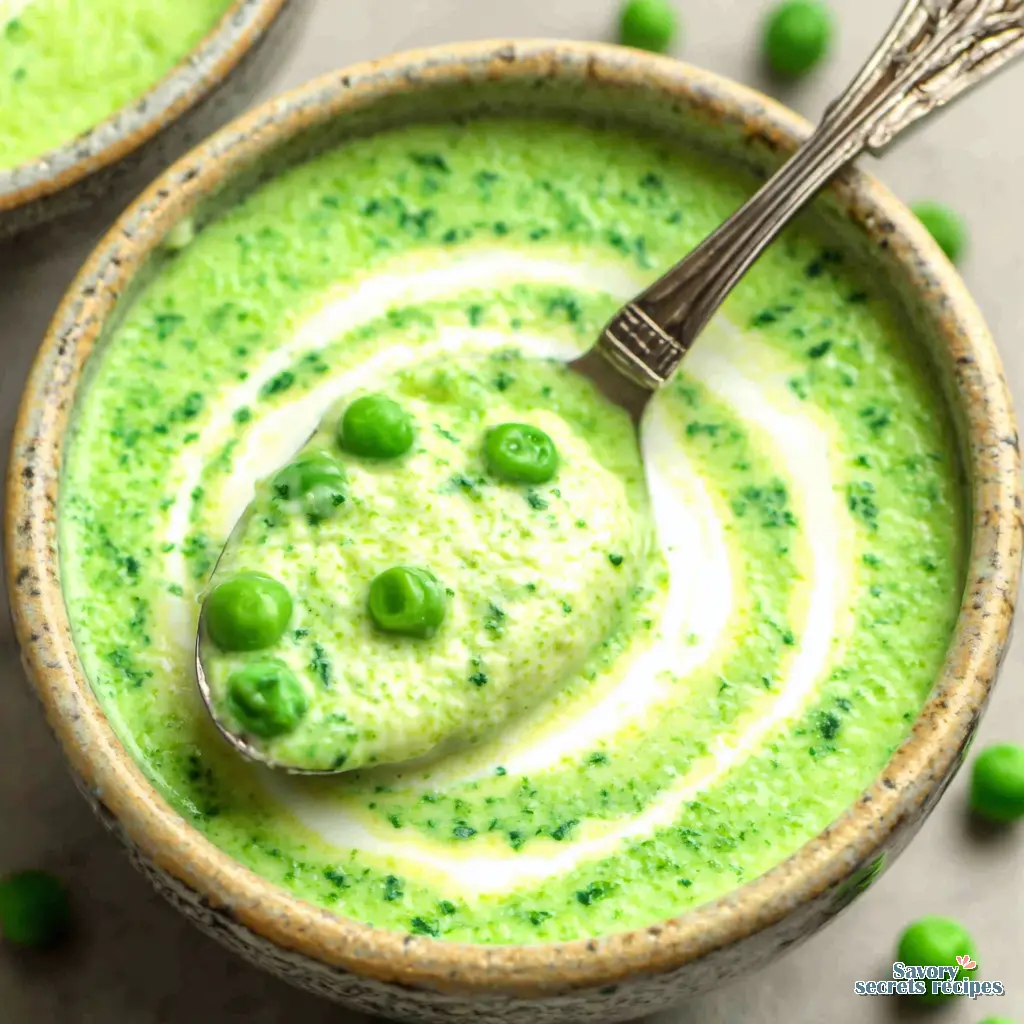
Start by adding just enough liquid to cover the vegetables. For extra body, I like to add small-cubed potatoes. Start the potatoes in salted water first since they take the longest to cook. The potato starch acts as a natural thickener. It gives you that creamy vegan pea and mint soup no dairy texture without relying heavily on a cashew cream alternative.
Also, an immersion blender is convenient. That said, if you want that truly emulsified, luxurious restaurant texture, use a large upright blender. Just remember blender safety. Remove the central cap and cover it with a towel when blending hot liquids so the steam can escape. I learned this the hard way after painting my kitchen ceiling green. Alternatively, you can skip the blender mess by making pea and mint soup in a soup maker for a perfectly smooth result.
Choosing the Right Mint
The evidence here is mixed on herb pairings, but I strongly prefer fresh spearmint over peppermint. Peppermint has too much menthol. It leaves you feeling like you just brushed your teeth, which isn’t exactly what we want for dinner. Spearmint is softer, sweeter, and pairs beautifully with the natural sugars in the peas.
When you’re at the greengrocer picking mint, rub a leaf between your fingers. It should smell bright and cooling. If it smells dusty or damp, leave it. You can also experiment with adding a few chives or a pinch of lemon zest to brighten the whole pot.
Nutritional Breakdown and Macros
As a dietitian, I look at the numbers. Is the best plant based pea and mint soup actually healthy? Yes, absolutely. Peas are an incredible source of plant-based protein and dietary fibre. They keep you full without feeling heavy. If you are following a specific low-carb lifestyle, a keto pea and mint soup offers similar nutritional benefits with fewer net carbs.
A standard bowl gives you a solid hit of protein. Using full fat coconut milk adds necessary healthy fats. Those fats actually help your body absorb the fat-soluble vitamins present in the peas. It’s not just a luxurious swap; it’s nutritionally functional. If you want a cheesy umami flavour profile, stir in a tablespoon of nutritional yeast. It adds B-vitamins and incredible depth.
Leftover Makeovers
My mom used to make fresh paneer every Sunday, and nothing was wasted. She saved the whey for kneading atta. I apply that same zero-waste philosophy to leftovers in my own kitchen.
If you have leftover vegan pea and mint soup, don’t just reheat it in the microwave. Use it as a base for a vibrant spring risotto. Just replace a portion of the stock in your risotto recipe with the soup right at the end of cooking. The starch from the arborio rice mixes with the soup to create something incredible. You can also toss it through hot pasta with some spring onions and a glug of extra virgin olive oil. It’s incredibly moreish.
Freezing and Storage: A Gift to Your Future Self
I’ve always been a fan of batch cooking. Life gets messy, and having a stash of this vibrant green goodness in the freezer is a lifesaver. This soup stays fresh in the fridge for about three to four days. Just keep it in an airtight container. If you notice the colour dulling slightly after a few days, don’t worry. It still tastes brilliant, even if the chlorophyll has decided to take a bit of a nap.
When you’re freezing it, leave about an inch of headspace at the top of your jar or container. Liquids expand when they freeze, and nobody wants a soup explosion in their freezer. It will keep perfectly for up to three months. I usually label mine with the date because, let’s be honest, everything looks like a mysterious green block once it’s frozen solid.
To reheat, I suggest using a small saucepan over a low heat. Add a tiny splash of water or extra stock to loosen it up. Avoid the microwave if you can. It tends to heat unevenly and can sometimes “break” the creamy emulsion of the coconut milk. A slow warm-up on the hob keeps that silky texture spot on.
Can You Serve This Cold?
Actually, yes. While I love it hot with a piece of sourdough, this recipe works surprisingly well as a chilled summer starter. It’s basically a vegan take on a classic vichyssoise but with peas instead of leeks. If you’re planning to serve it cold, I’d recommend blending it even longer to ensure it’s absolutely smooth. Cold temperatures can make any tiny bits of texture feel more pronounced on the tongue.
If you are going the chilled route, add a squeeze of fresh lemon juice just before serving. The acidity cuts through the cold fat of the coconut milk and wakes up the mint. It’s incredibly refreshing on one of those rare, scorching London afternoons when the thought of standing over a stove feels like a personal affront.
Swaps and Substitutions
I’m a big believer in using what you’ve got. If you don’t have shallots, use a regular yellow onion or a bunch of spring onions. Spring onions give a much milder, grassier flavour that actually complements the peas quite well. If you’re out of garlic cloves, a half teaspoon of garlic powder will do in a pinch, though fresh is always my first choice. For those looking to bulk out the recipe with more garden vegetables, a courgette pea and mint soup is another delicious variation.
For the creaminess, if coconut milk isn’t your thing, you can use a splash of oat cream or even a dollop of unsweetened soy yogurt. Just make sure whatever you use is unflavoured. I once accidentally used a vanilla-scented plant milk in a savoury soup and it was a total disaster. We don’t want that. If you need this to be strictly gluten-free, just double-check your vegetable stock cube. Some brands use flour as a thickener, so keep an eye on the label.
Your Questions Answered (FAQ)
Can I use canned peas?
I wouldn’t recommend it. Canned peas are already overcooked and have a very different flavour profile. They’re often quite salty and have a mushy, greyish texture that won’t give you that bright, fresh result we’re after. Stick to frozen or fresh.
Is dried mint okay if I can’t find fresh?
To be honest, no. Dried mint tastes more like hay in this context. It lacks the volatile oils that give the soup its cooling, aromatic lift. If you can’t find fresh mint, try fresh parsley or chives instead. It’ll be a different soup, but it will still be delicious.
My soup is too salty, how do I fix it?
It happens to the best of us. If you’ve over-salted, add another half a boiled potato and blend it in. The extra starch helps neutralise the salt. Alternatively, a little extra coconut milk or a tiny pinch of sugar can help balance the flavours.
Expert Notes & Data Insights
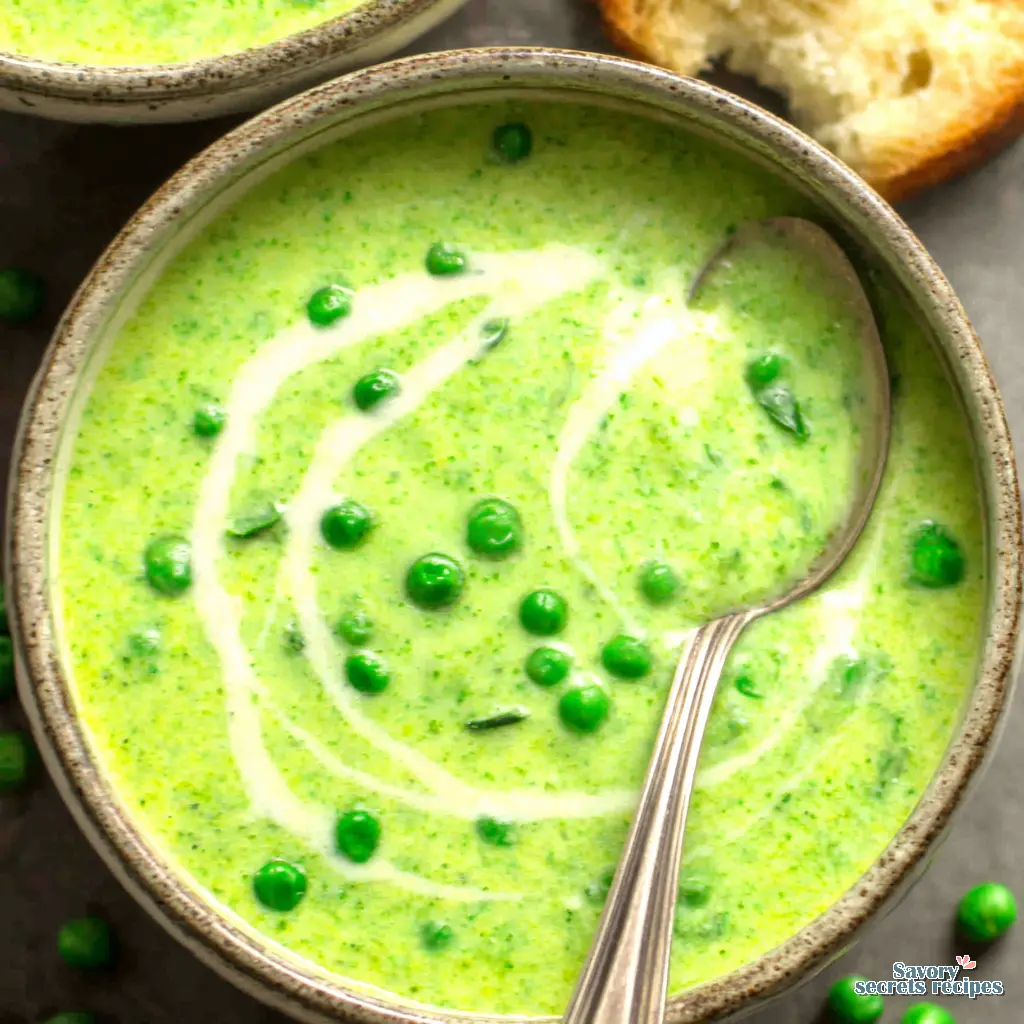
I’ve spent a lot of time looking at how we perceive freshness in food. The data suggests that our brains associate vibrant green colours with high nutrient density and “clean” flavours. This is why the “Stay Green” technique I mentioned earlier is so important. By adding the mint at the very end, you’re not just preserving the colour, you’re also keeping those delicate antioxidants intact. It’s a win for your eyes and your health.
From a nutritional standpoint, this soup is a powerhouse. You’re looking at a high-fibre, high-protein meal that’s naturally low in saturated fats, especially if you’re mindful of the coconut milk portion. I reckon it’s one of the most efficient ways to get a huge dose of greens into your diet without feeling like you’re eating a bowl of grass. Whether you’re making this for a quick Tuesday lunch or as an elegant starter for a dinner party, it’s a reliable, beautiful dish that never fails to impress. Give it a go and let me know how you get on.