



Low Calorie Egg Noodle Stir Fry Recipe
Ingredients
Method
- Boil water in a large pot and cook the rice noodles for 4-6 minutes until tender but firm, then drain and rinse under cold water.
- Chop the vegetables into bite-sized pieces while the noodles are cooking.
- Heat oil in a large skillet over medium heat and sauté the protein for 5-7 minutes until fully cooked.
- Add the chopped vegetables and grated ginger to the skillet and stir-fry for 3-5 minutes until the vegetables are tender-crisp.
- Combine the drained rice noodles and soy sauce in the skillet and mix until well combined, adding reserved pasta water if necessary.
- Serve the dish hot and garnish with sesame seeds or green onions if desired.
Nutrition
Notes
The Takeout Trap and a Better Way Forward
Wednesday evening, 35 minutes before dinner, and the takeout menus are staring at you. I get it. You’re tired from fighting LA traffic, and you just want comfort food. I genuinely love the moment when you add aromatics to hot oil and the kitchen fills with that fragrance. It reminds me of the smell of my grandmother’s kitchen in summer, that specific combination of soy sauce, ginger, and garlic that would drift up to the apartment from her simmering pot. But standard restaurant noodles? They’re usually swimming in oil and pack upwards of 800 calories a carton. They leave you feeling sluggish.
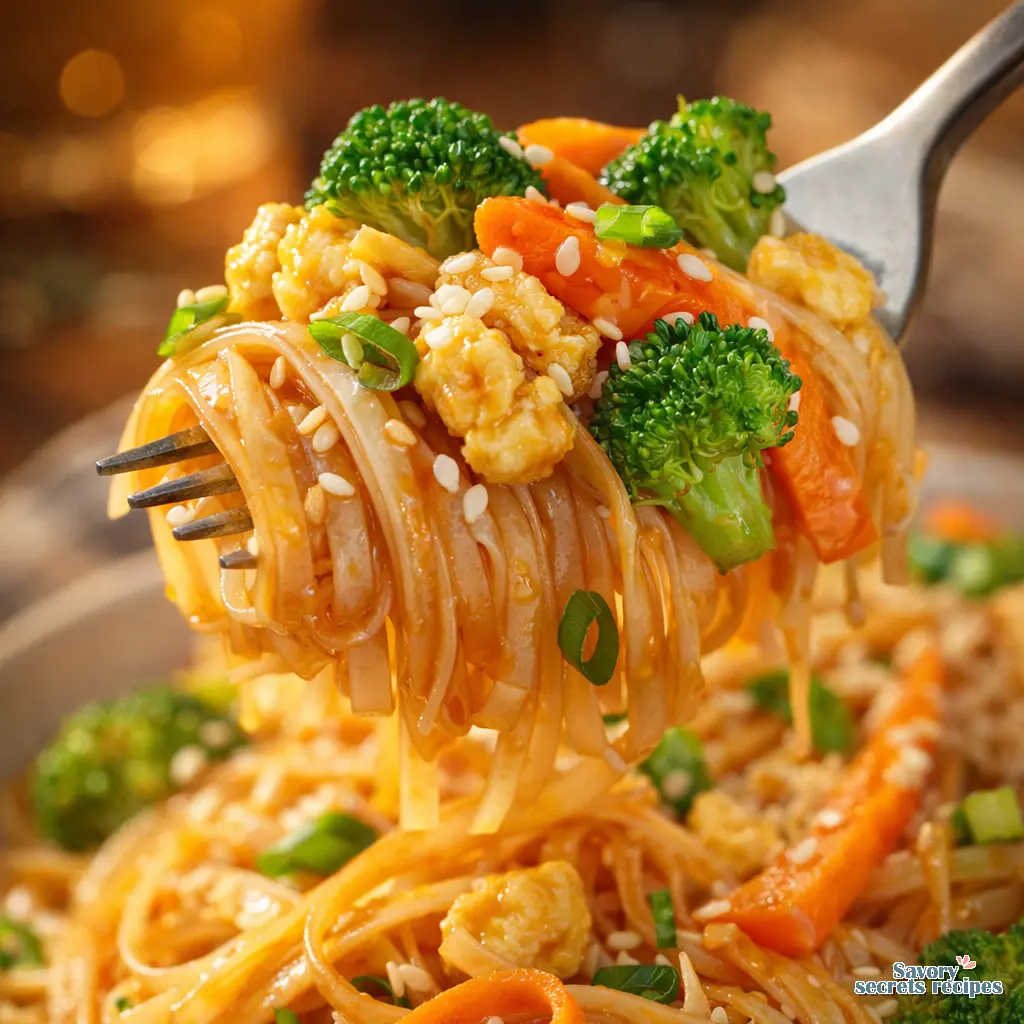
I wanted that comfort without the heavy, bloated aftermath. So I developed these healthy egg fried noodles (low calorie) to hit every single craving while keeping your macros in check. I know this sounds complicated, but it’s actually quite forgiving. We are talking about volume eating at its absolute finest. By tweaking the veggie-to-noodle ratio and making a few smart swaps, you’ll get a massive, satisfying portion that fuels you instead of weighing you down. The relief of seeing the calorie count on this dish is almost as good as the first bite.
Let me think through this. You might be wondering if healthy egg fried noodles (low calorie) actually taste authentic. That tracks. I’m highly skeptical of “diet” foods that strip away all the joy. But here, we use a secret low-calorie sauce blend featuring coconut aminos and a splash of broth to keep things saucy without the excess fat. It’s an easy, nutrient dense dinner you can throw together after your next Trader Joe’s run.
The ‘Mise en Place’ Prep Guide for healthy egg fried noodles (low calorie)
Here’s what I wish someone had told me early on. Stir-frying moves incredibly fast. If you’re chopping broccoli while your garlic is in the pan, you’re going to burn the garlic. I learned this the hard way. I once tried to prep as I cooked, and I ended up with scorched ginger and mushy noodles. Not my best moment.
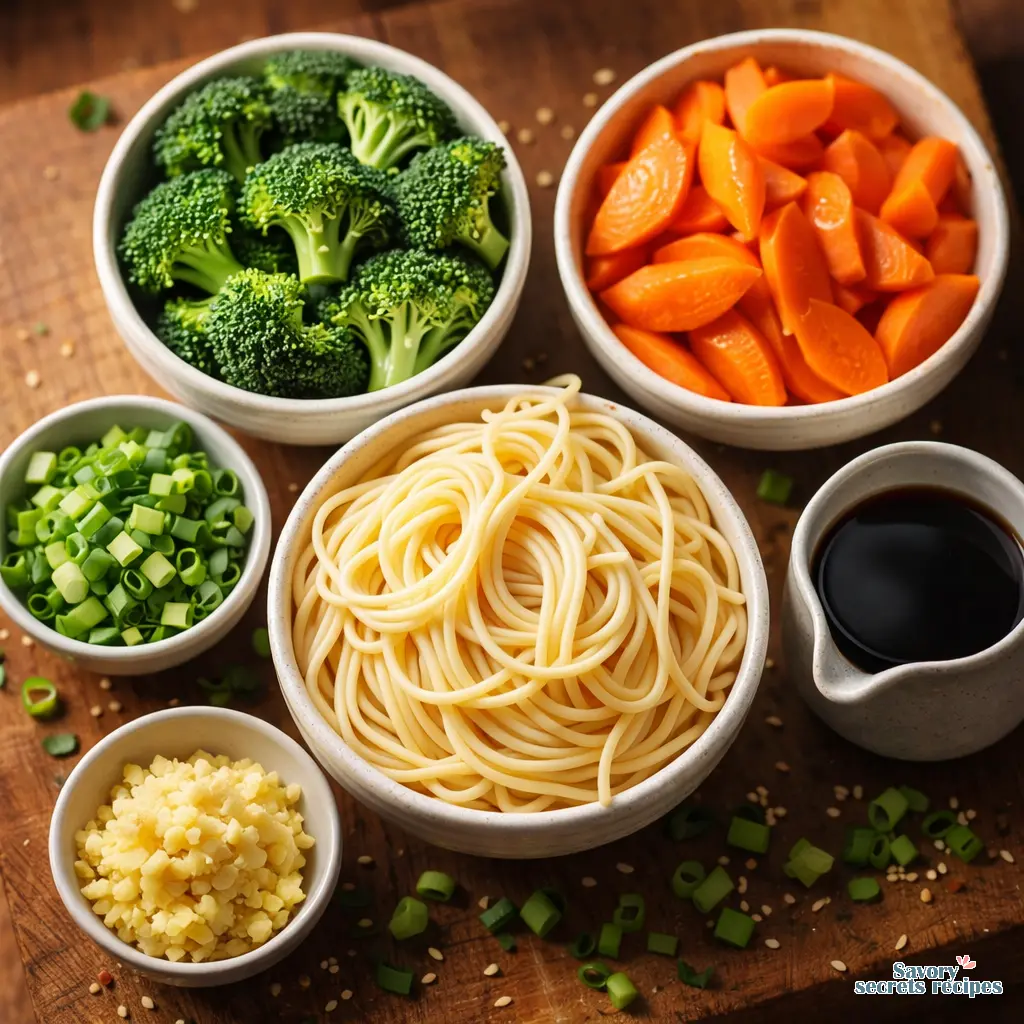
You need to prep all your ingredients beforehand. Cut your vegetables small and uniform so they cook quickly and evenly. I prefer vegetables that still have some resistance when you bite into them. I can’t stand the texture of overcooked green beans or broccoli that’s gone gray and mushy. Having everything measured and sitting in little bowls next to your stove is the single best thing you can do for this recipe.
Measure your low sodium soy sauce, coconut aminos, and spices in advance. This prevents burning during the fast cooking process. It’s not really a professional chef secret. Well, it is, but it’s totally accessible for home cooks. Once your non stick skillet is hot, you want to just toss, toss, toss. Let it do its thing.
The Science of High-Heat Stir Frying
I learned to properly brown meat and vegetables from a line cook I interviewed years ago. He told me the pan has to be hot enough that you’re a little nervous. You have to resist the urge to constantly move things around. Just let it sit. I’d been sabotaging my own stir-fries for years by fidgeting with the food, which lowers the heat and causes the vegetables to steam rather than fry.
For these healthy egg fried noodles (low calorie), you want to keep your pan or wok very hot to ensure crisp-tender vegetables and prevent sticking. If you crowd the pan, the temperature drops. The vegetables release their water, and suddenly you’re boiling your dinner. Trust the browning process. That slight char on the edges of the bell peppers is where all the complex flavor lives.
Using a good quality non stick skillet is crucial here for weight loss goals. It allows you to use a fraction of the oil you’d normally need. I think probably around two teaspoons of sesame oil is all you need for the entire batch if your pan is properly heated. That’s how you keep this a truly low calorie egg noodle stir fry recipe.
Noodle Substitution Chart & Brand Review
The research isn’t entirely clear on which noodle is the absolute “healthiest,” but we have amazing options for clean eating. I’m always looking for ways to maximize fiber and keep the calories reasonable.
If you’re strictly watching macros, konjac noodles or shirataki are fantastic. They are essentially calorie-free and pure fiber. That said, they require thorough rinsing and dry-pan roasting to remove their natural earthy smell. If you want something more traditional, 100% whole grain noodles or Soba (buckwheat) noodles offer an earthy flavor and a great fiber boost. They keep you full for hours.
I’d want to see more data before calling regular pasta a health food, but honestly? You can absolutely make this with regular spaghetti or linguine if that’s what you have in your pantry. Just weigh your portion. Don’t overcook the noodles. Boil them al dente as they finish cooking in the pan and absorb that delicious sauce. If they’re too soft before they hit the skillet, they’ll turn to mush.
3 Ways to Prepare the Egg
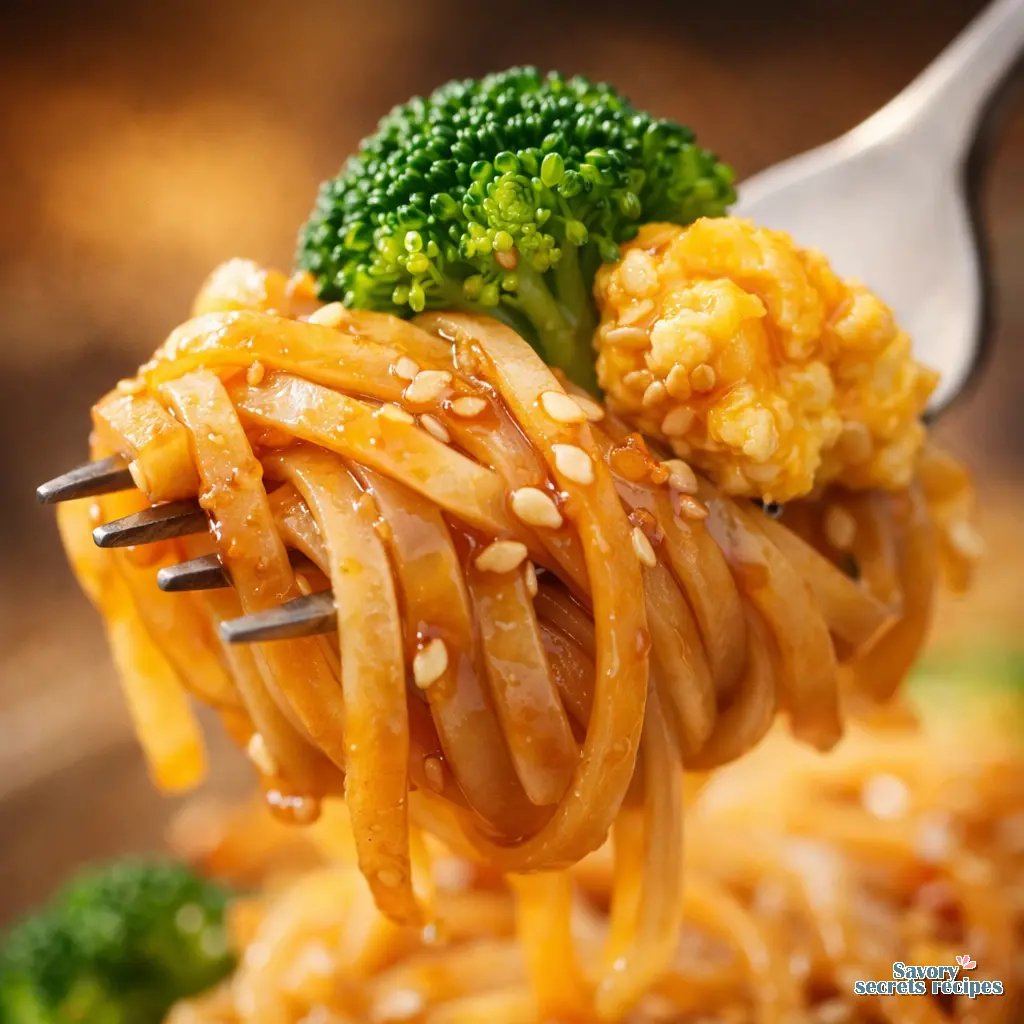
Eggs are the unsung heroes of this dish. They provide healthy fats and essential protein. Last month I let my daughter crack eggs for the first time. She was so nervous that she crushed the first one completely, shell shards everywhere. I saw her face start to crumple, so I just said, “Good, you got the hard part out of the way,” and handed her another one. We made scrambled eggs with approximately 15 percent eggshell. She was so proud.
For your healthy egg fried noodles (low calorie), you have three great options. First, the classic scramble. Push your veggies to the side of the pan, pour in the beaten eggs, and gently scramble them right in the center before mixing everything together. Second, you can use pure egg whites if you’re strictly monitoring your fat intake. They blend seamlessly into the dish.
Third, the “silky sauce” method. This is exactly what I mean when I talk about restaurant techniques at home. You turn off the heat completely, pour in a beaten egg, and toss the noodles vigorously. The residual heat cooks the egg into a rich, creamy coating rather than distinct curds. It’s brilliant.
Visual Doneness Guide for Vegetables
My maternal grandmother in Taipei taught me to judge bok choy by the snap of the stem. Too soft, and you’ve ruined the texture. Too hard, and it tastes raw. You’re looking for that perfect middle ground where the color suddenly deepens and the vegetable becomes slightly pliable but retains its crunch.
When cooking healthy egg fried noodles with lots of vegetables, visual cues are everything. Broccoli should turn a vibrant, almost neon green. If it starts looking olive or gray, get it out of the pan immediately. Bell peppers should have slight blistering on the skin but still hold their arched shape. Carrots should bend slightly when you pick them up with tongs but shouldn’t fall apart.
I sometimes wonder if I’m overthinking the nutrition science and missing the bigger point, which is that food should be enjoyable. If your veggies are vibrant and crisp, they’ve retained more of their vitamins. Plus, they just taste better. Taste as you go. If it smells ready, it probably is.
Common Mistakes & Fixes
Mistake: The noodles turn into a mushy, broken mess in the pan.
Solution: You overcooked them in the boiling water. Always boil noodles al dente (about 2 minutes less than the package says) because they will finish cooking in the sauce.
Mistake: The dish tastes overly salty and heavy.
Solution: You likely used regular soy sauce and too much of it. Always use low-sodium soy sauce or coconut aminos to control salt intake, and measure it out before pouring.
Mistake: The vegetables are steaming instead of frying, getting soggy.
Solution: You crowded the pan. If you’re doubling the recipe, cook in batches. The pan must remain screaming hot to get that crisp-tender texture.
Protein Variations for Your Macros
The beauty of this recipe is its flexibility. While the egg provides a great base, you can easily boost the protein to fit your specific diet. I’m not convinced yet that there’s one “perfect” protein, so mix it up based on what’s fresh at the farmers market or what’s sitting in your fridge.
Chicken breast or Quorn chicken style pieces are fantastic lean options. Just slice them very thin against the grain so they cook in under three minutes. For a beef noodle stir fry, use sirloin strips. If you’re leaning plant-based, cubed firm tofu or tempeh works beautifully. Just press the tofu first so it absorbs the coconut aminos.
Seafood is another incredible option. Prawns cook in virtually no time and keep the calorie count incredibly low. I figured out how to cook seafood properly by reading a science book, learning to pull it off the heat when it’s still slightly translucent in the center. It finishes cooking with carryover heat. Now we’re talking.
Storage & Skillet Reheating Instructions
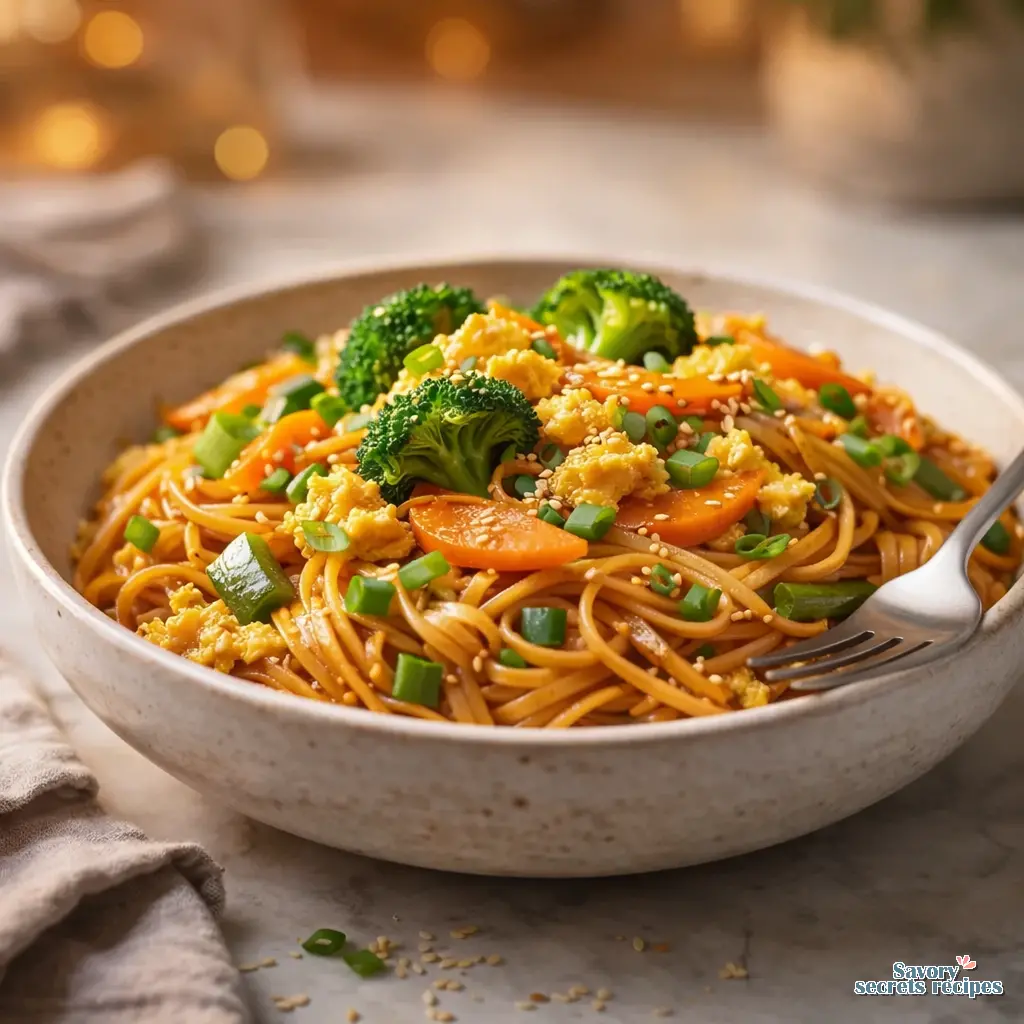
Meal prep is a lifesaver, and these healthy egg fried noodles (low calorie) store beautifully. You can refrigerate the leftovers in an airtight container for 2 to 4 days. The flavors actually meld and deepen overnight in the fridge. I could eat this every week for lunch.
You can freeze them for up to 3 months in freezer-safe containers. Just thaw the frozen noodles overnight in the fridge before reheating. Now, please don’t microwave them if you can avoid it. Microwaving makes the noodles soggy and the vegetables sad.
To rewarm, place a skillet over medium-low heat. Add a tiny splash of water or broth to help create steam, and toss the noodles gently until heated through. This restores that perfect, slightly chewy texture. Serve it with a side of steamed bok choy or even a few prawn crackers for a calorie-controlled takeout feel.
Frequently Asked Questions
Your New Weeknight Staple
I really hope you give these healthy egg fried noodles (low calorie) a spot in your weekly rotation. There’s something incredibly empowering about taking control of your cravings and making them work for your body. The next time you feel that Wednesday night takeout urge, pull out your skillet instead. You’ll have a vibrant, delicious dinner on the table faster than delivery could ever arrive. I’d love to hear how you feel after eating this, energetic, light, and totally satisfied. You’ve got this.
For more inspiration and fresh ideas, check out my Pinterest boards where I save all my favorite weeknight lifesavers.
Reference: Original Source
How can I make healthy egg fried noodles (low calorie) for weight loss that still taste authentic?
The secret is reducing oil by using a high-quality non-stick skillet and relying on a flavorful sauce made from low-sodium soy sauce, coconut aminos, and fresh ginger. You get all the umami of traditional takeout without the heavy calorie load. Season in layers.
Are egg fried noodles healthy when prepared with extra vegetables?
Absolutely. Adding extra vegetables like bok choy, broccoli, and bell peppers drastically increases the fiber and nutrient density of the meal. This volume eating approach keeps you full and satisfied while naturally lowering the overall calorie density of your plate.
How many calories are in a serving of this low calorie egg noodle stir fry recipe?
While exact numbers depend on your specific noodle choice, this recipe typically ranges from 300 to 380 calories per generous serving. Using konjac noodles or omitting oil entirely can drop it even lower. It’s a massive portion for very reasonable macros.
What are the best tips for making healthy egg fried noodles (low calorie) at home?
Always prep your ingredients before turning on the stove. Keep your pan incredibly hot, don’t overcook your noodles in the boiling water, and use egg whites if you want to boost protein while keeping fats low. Trust the browning process for the best flavor.
Can you include eggs and noodles in a healthy weight loss diet?
Yes, you definitely can. Eggs provide essential protein and healthy fats that stabilize your blood sugar. When paired with high-fiber whole grain or shirataki noodles and plenty of vegetables, it creates a perfectly balanced meal that supports sustainable weight loss without feeling restrictive.