





Lemon Poppy Seed Cake with Lemon Glaze
Ingredients
Method
- Preheat oven to 350°F (175°C) and grease a loaf or bundt pan.
- In a bowl, whisk together flour, poppy seeds, baking powder, baking soda, and salt.
- In another bowl, cream the butter and sugar until light and fluffy.
- Add eggs one at a time, beating well after each addition.
- Stir in sour cream, lemon juice, lemon zest, and vanilla extract.
- Gradually add the dry ingredients to the wet mixture, mixing until just combined.
- Pour the batter into the prepared pan and smooth the top.
- Bake for 45–50 minutes, or until a toothpick inserted into the center comes out clean.
- Allow the cake to cool in the pan for 10 minutes, then transfer it to a wire rack to cool completely.
- Whisk together powdered sugar, lemon juice, and milk to make the glaze, then drizzle it over the cooled cake.
Nutrition
Notes
Why This Lemon Poppy Seed Cake Recipe Actually Works
You know that feeling? You want a cake that feels special, something bright and cheerful for a spring afternoon, but you don’t want a project that takes over your entire kitchen. I get it. Honestly, I’ve been there more times than I can count. That’s exactly why I’m so particular about this lemon poppy seed cake.
Let me walk you through this. The thing is, a lot of recipes promise a moist crumb and bold lemon flavor, but they end up dry or, worse, bland. That tracks with what I’ve seen in my own testing. This version? It’s built on a few non-negotiable principles I learned from my grandmother, Lalla Fatima. She never baked a lemon poppy seed cake, but she taught me that temperature and timing are everything. The texture should read smooth when you drag a spoon through the batter. That’s the sweet spot.
We’re using both butter and oil here. Butter lends that irreplaceable, rich flavor, while the oil is doing the heavy lifting to keep the cake incredibly moist, even days later. And we’re not shy with the lemon. Fresh zest and juice are mandatory. I promise, the difference between fresh and bottled is like night and day. That bright, zesty aroma filling your kitchen? That’s what we’re after.
This is the part I love. It’s so satisfying when it comes together into a soft, tender crumb dotted with those tiny, crunchy poppy seeds. It’s a classic for a reason, but getting it right matters.
Gathering Your Ingredients: A Few Key Notes
Before we start, let’s talk ingredients. I know it seems basic, but this is where success is really decided. I’m keeping an eye on a couple of things here.
First, the lemons. I highly recommend using fresh ones. The flavor is just so much stronger and more vibrant than anything from a bottle. When you’re zesting, use a fine grater and only get the yellow part. The white pith underneath is bitter, and we don’t want that. For the juice, roll your lemons on the counter firmly before cutting. It helps you get every last drop.
Now, the poppy seeds. They’re not just for looks. They add this lovely, subtle crunch and a nutty flavor that pairs perfectly with lemon. They also contain fiber and minerals like calcium and magnesium, which is a nice little bonus. But if you’re looking for just a straight-up lemon cake, you can absolutely leave them out. Your mileage may vary, but the cake will still be wonderful.
Flour measurement is critical. If you have a kitchen scale, use it. Right in that window of 270 grams for this recipe. If you’re using cups, please don’t scoop directly from the bag. Gently spoon the flour into your measuring cup and level it off with a knife. Scooping packs the flour down and can lead to a dry, dense cake. This is what works in my kitchen to guarantee that light citrus cake layer we all want.
And temperature. Give it a minute to settle. Using room temperature ingredients eggs, sour cream, butter isn’t just a suggestion. It’s for even baking and proper emulsification. Cold ingredients can cause your batter to break or bake unevenly. In a pinch, place your eggs in a bowl of warm water for about 10 minutes. You can also microwave your combined milk and sour cream for just 30 seconds to take the chill off.
The Method: Where the Magic Happens
Okay, let’s troubleshoot together before we even begin. The most common mistake here is overmixing once the dry ingredients are added. You want to mix as much as needed for the wet ingredients to get them fluffy and combined. But once you add the flour mixture, mix gently just until you see no more streaks. A few small lumps are totally fine. Overmixing develops gluten and leads to a tough, deflated cake.
Start by beating your room-temperature butter, sugar, and vanilla together. You’re looking for that ribbon stage where the mixture lightens in color and gets noticeably fluffier. This should take about two minutes on medium speed. This step incorporates air, which is part of your leavening. Then add your eggs one at a time, letting each fully incorporate before adding the next.
Here’s where we alternate. You’ll add your dry ingredients (flour, poppy seeds, baking powder, baking soda, salt) in three parts, alternating with the wet mixture of sour cream, milk, and fresh lemon juice. Start and end with the dry ingredients. This method helps prevent overmixing and ensures everything blends smoothly without deflating all that air you just whipped in.
Why both baking powder and baking soda? We need them to properly balance the acid from all that glorious lemon juice. The soda reacts with the acid for an initial lift, and the powder gives it an extra boost in the oven’s heat. It’s a one-two punch for the perfect rise.

Baking & Visual Cues for Doneness
Pan choice matters. For best results, use a light-colored metal baking pan. Metal conducts heat much better and more evenly than glass. Grease and flour your pan well, or use a good baking spray with flour in it. Pour in your batter and smooth the top.
Your oven should be preheated to 350°F (175°C). If you’re using a convection oven with a fan, bake at 325°F (160°C). Place the pan in the center rack. Now, the hard part: don’t open the door for at least the first 30 minutes. You need that steady heat to build the cake’s structure.
Baking time is a guide, not a rule. Ovens vary. Start checking at about 45 minutes. The cake should be golden brown on top, and it should spring back lightly when you press the center. The real test? A toothpick or thin skewer inserted into the thickest part should come out with a few moist crumbs attached, not wet batter. If it’s clean, it might already be overbaked.
Let the cake cool in the pan for about 15-20 minutes. Then, run a knife around the edges and carefully turn it out onto a wire rack to cool completely before you even think about glazing. I know, the wait is tough. But if you pour that glaze on a warm cake, it’ll just melt and soak in. We want that beautiful, tangy glaze to sit prettily on top.
That Simple, Perfect Glaze
The glaze is effortless but transformative. Just whisk together powdered sugar, a little milk, and fresh lemon juice until smooth. The consistency is key. You want it thick enough to coat the back of a spoon, but thin enough to drizzle slowly. If it’s too thick, add a tiny bit more lemon juice. Too thin? Add a bit more powdered sugar.
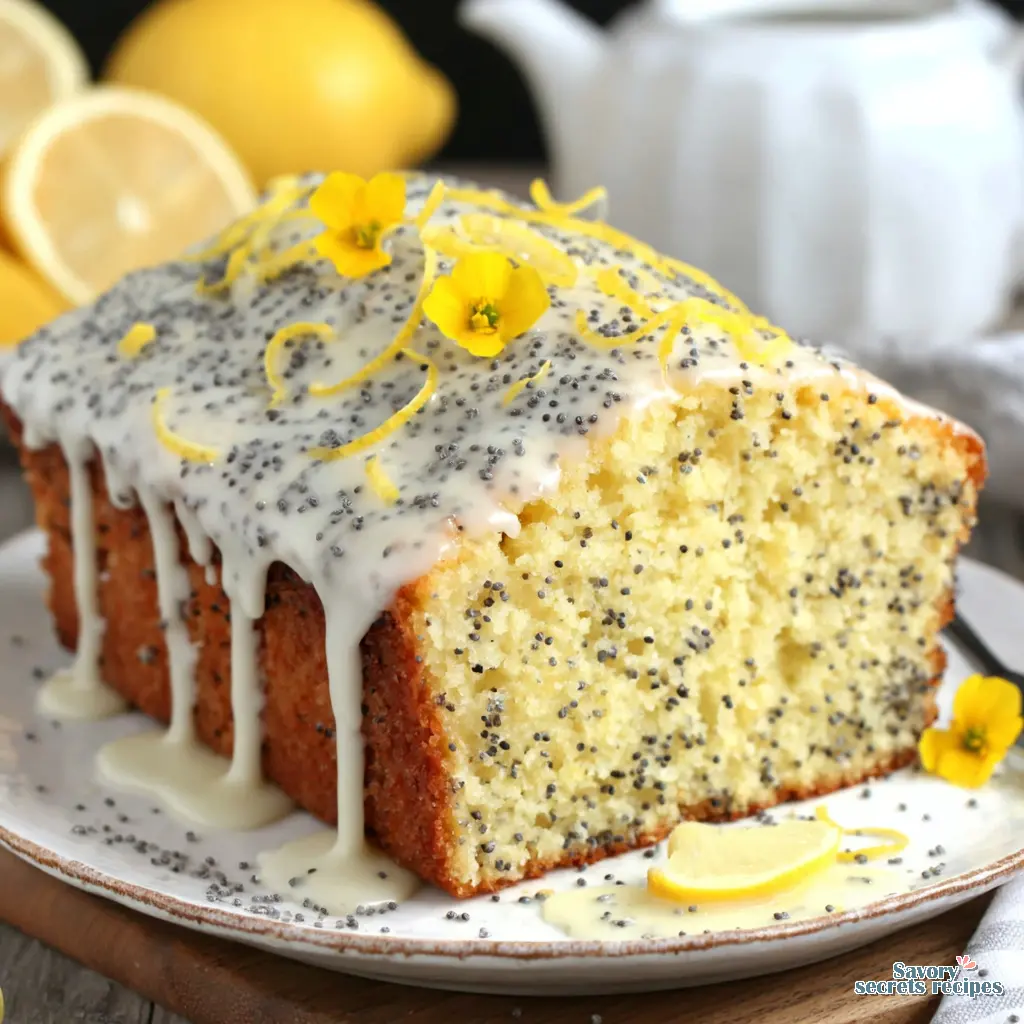
Drizzle it artfully over your completely cooled cake. Let it drip down the sides naturally. Those imperfect drips add character. Let the glaze set for a bit before slicing. This is when the anticipation really gets me. That texture is exactly what we’re after.
Farah’s Pro Tips for a Foolproof Cake
I tend to find that people run into the same few issues. Let’s head them off. First, if you don’t have sour cream, full-fat plain Greek yogurt is a great substitute. It provides the same tang and moisture.
You can use cake flour for an even more tender crumb. If you have it, use 270 grams of cake flour total. No cake flour? Make your own. For every cup of all-purpose flour, remove two tablespoons and replace them with two tablespoons of cornstarch. Whisk it together well.
What about the oil? The recipe calls for a neutral vegetable oil, but if you prefer, you can use any mild-flavored oil. I actually think a good extra-virgin olive oil could work beautifully here. Lemon and olive oil is a classic, sophisticated flavor combination.
Storage is straightforward. Once glazed, you can leave the cake out at room temperature for about half a day. After that, due to the dairy in the glaze, cover it well and refrigerate. An airtight container is best to prevent it from drying out. It’ll stay moist for about 4 days. Let it sit out for 20-30 minutes before serving to take the chill off. Cake is best served cool, not cold.
Common Mistakes & Fixes
Mistake: Grating the white bitter pith of the lemon.
Solution: Use a fine grater and only zest the bright yellow skin. The white part will make your cake taste bitter.
Mistake: Overmixing the batter after adding flour.
Solution: Mix wet ingredients thoroughly, but once flour is in, fold gently just until combined. A few streaks are okay.
Mistake: Measuring flour by scooping from the bag.
Solution: Always spoon flour into your measuring cup and level it off. Or, better yet, use a kitchen scale.
Mistake: Using cold ingredients straight from the fridge.
Solution: Let eggs, sour cream, and butter come to room temperature. It ensures a smooth, even batter and better rise.
Mistake: Testing for doneness too early.
Solution: Wait at least 45 minutes. The cake should be golden, spring back, and a tester should have moist crumbs, not wet batter.
Frequently Asked Questions
Serving & Final Thoughts
Imagine pulling out a golden, fragrant cake from the oven. Now we’re getting somewhere. That first slice reveals a tender, buttery crumb speckled with poppy seeds, all wrapped in a sweet-tart lemon glaze. It’s perfect for a spring brunch, a weekend treat with coffee, or just because.
This lemon poppy seed cake reminds me of those Friday afternoons in my grandmother’s kitchen, where patience and attention to detail always yielded something wonderful. It’s a simple joy, but a profound one. When you serve this cake, you’re sharing a bit of that homemade warmth.
I’d love to see your results. Did you add an extra tablespoon of poppy seeds for crunch? Try it with olive oil? Tag me in your photos or leave a comment below. Let’s troubleshoot together if you need to. And for more baking inspiration, especially other classic desserts with a twist, check out my Pinterest boards.
Go bake some joy.
Source: Health & Nutrition Research
What can I use instead of sour cream in this lemon poppy seed cake?
Full-fat plain Greek yogurt is your best bet. It has a similar tang and fat content, so it’ll keep your citrus poppy sponge cake just as moist. In my experience, though yours might differ, it works perfectly as a one-to-one substitute.
How do I get my lemon poppy seed cake to be really moist?
Two secrets: use the oil and butter combo (oil locks in moisture), and don’t overbake it. Pull it from the oven when a tester shows moist crumbs. Also, room temperature ingredients are non-negotiable for an even, tender crumb.
Can I make this lemon poppy seed cake ahead of time?
Absolutely. Bake and cool the cake completely, wrap it tightly in plastic wrap, and freeze it (without glaze) for up to 3 months. Thaw overnight in the fridge. Or, you can bake it a day ahead, store it covered at room temp, and glaze it the day you serve.
What’s the best way to store a classic poppy seed dessert with glaze?
Once glazed, it’s fine on the counter for a few hours. For longer storage, place it in an airtight container and refrigerate. This keeps the glaze from spoiling and the cake moist. It’ll be good for about 4 days. Let it come to a cool room temperature before serving.
Why do you use both baking powder and baking soda in this citrus poppy sponge cake?
We need both to handle the acid from the fresh lemon juice. Baking soda reacts with the acid for immediate lift, and baking powder gives it a second boost in the oven’s heat. It’s the insurance policy for a light, perfectly risen cake.
Can I substitute cake flour with all purpose flour?
Yes, you can. For a cake flour substitute, take 3/4 cup of all-purpose flour, remove 2 tablespoons, and replace them with 2 tablespoons of cornstarch. Whisk it together well. This mimics the lower protein content of cake flour for a softer crumb.
Can I leave out the poppy seeds?
Of course. If you’re looking for just a moist lemon seed cake, feel free to leave them out. The recipe works beautifully as a straight lemon cake. You won’t need to adjust any other ingredients.