



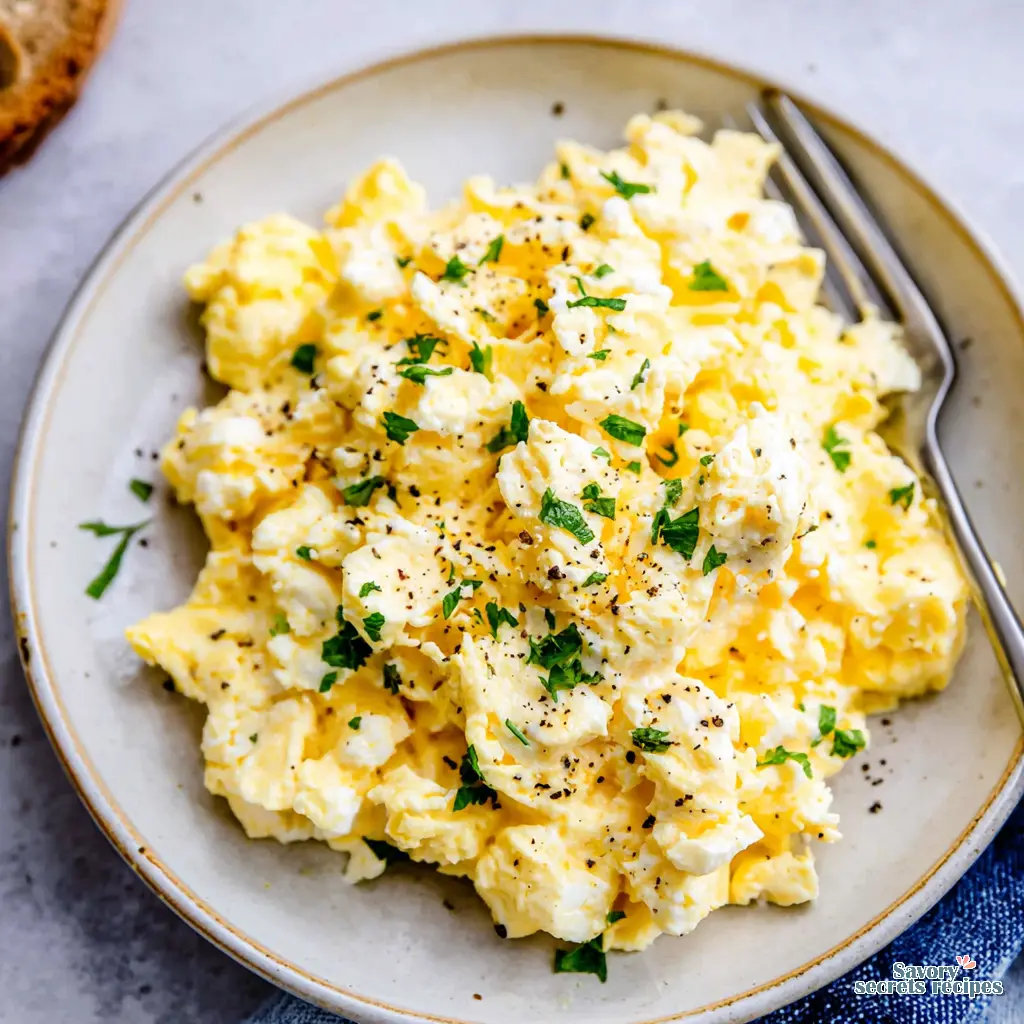
Creamy Protein Scrambled Eggs with Cottage Cheese
Ingredients
Method
- In a medium bowl, whisk the eggs, cottage cheese, kosher salt, and black pepper to taste with a fork.
- Heat a medium nonstick skillet over medium-low heat and spray with oil. Once warm, pour in the eggs.
- Using a rubber spatula, slowly scrape sections of eggs to the center of the pan as the bottom sets, creating soft folds for 1 1/2 to 2 minutes total until just set.
- Remove from the heat and serve.
Nutrition
Notes
Why You’ll Love These Cottage Cheese Scrambled Eggs
You know that feeling, right? It’s another morning, and you’re staring at the eggs, wondering how to make breakfast exciting again. Not gonna lie, I’ve been there. You want something satisfying, something that actually keeps you full, but you don’t have hours to spend.
Here’s the thing: I think we all get stuck in a breakfast rut sometimes. Especially when we’re trying to keep things healthy and high-protein. But what if I told you there’s a simple, almost secret ingredient that can transform your everyday scrambled eggs into something incredibly creamy, fluffy, and packed with even more protein?
That’s the move. We’re talking about cottage cheese scrambled eggs. It sounds a little unexpected, I know. But trust me on this one. It’s an effortless solution that’ll elevate your morning meal instantly, perfect for these mild spring mornings when you want something fresh but still comforting.
I mean, who doesn’t want perfectly creamy protein scrambled eggs without all the fuss? This isn’t some complicated chef trick. It’s a smart hack that delivers big on flavor and texture, making your healthy egg breakfast plate feel gourmet. That tracks, right?
The Simple Ingredients for Your Best Breakfast
You don’t need a pantry full of exotic ingredients to make something special. Straight up, the beauty of these cottage cheese scrambled eggs is in their simplicity. We’re talking just a few core items you probably already have, or can easily grab on your next Ralphs run.
We’ll start with large eggs, of course. For the cottage cheese, I prefer 2% because it strikes a good balance between creaminess and not being overly rich. It’s got that lovely tang and those little curds that just melt down into pure magic.
A little kosher salt and fresh ground black pepper are essential for seasoning. You’d be surprised what a difference good seasoning makes, especially with something so simple. I’d rather under-season and let people add more at the table, anyway.
And finally, a touch of olive oil spray for the pan. That’s it. No fancy creams, no obscure spices. Just these few items, and you’re set to create a truly nutritious egg dish that tastes amazing and gives you that breakfast protein boost you’re looking for.
Crafting Your Creamy Cottage Cheese Scrambled Eggs
Making these cottage cheese scrambled eggs is about technique, but it’s not intimidating. It’s more about attention and timing, kind of like how my teta taught me to make manaeesh. Precision isn’t always about tools, it’s about repetition and feel.
First, you’ll want to whisk your eggs. I like to get a good froth going, really incorporating some air. That’s just how I do it. This is your first step towards fluffy scrambled eggs, and it makes a difference. Don’t be afraid to really whip them.
Now, for the pan. Here’s the thing: a good nonstick pan is key. Seriously, it’s a game-changer for any creamy eggs recipe. If you’re using stainless steel, you’ll probably end up with more stuck-on bits than you’d like. Give it a light spray with olive oil. You don’t need much, just enough to prevent sticking.
Heat your pan over medium-low heat. This isn’t a race; we’re making soft scrambled eggs, not rubbery ones. When you pour in your whisked eggs, let them sit for a moment. You’ll see the edges just start to set. That’s your cue.
Then, gently push the eggs from the edges to the center with a rubber spatula. This isn’t vigorous stirring. We’re talking gentle folds, letting the uncooked egg flow underneath. You’ll do this for about 1.5 to 2 minutes until they’re just starting to set.
This is where the cottage cheese comes in. Add your 2% cottage cheese right in. Gently fold it into the eggs. The magic happens as those curds warm and melt, releasing their moisture and protein. It’s what gives you that smooth texture eggs are known for, but with an extra kick.
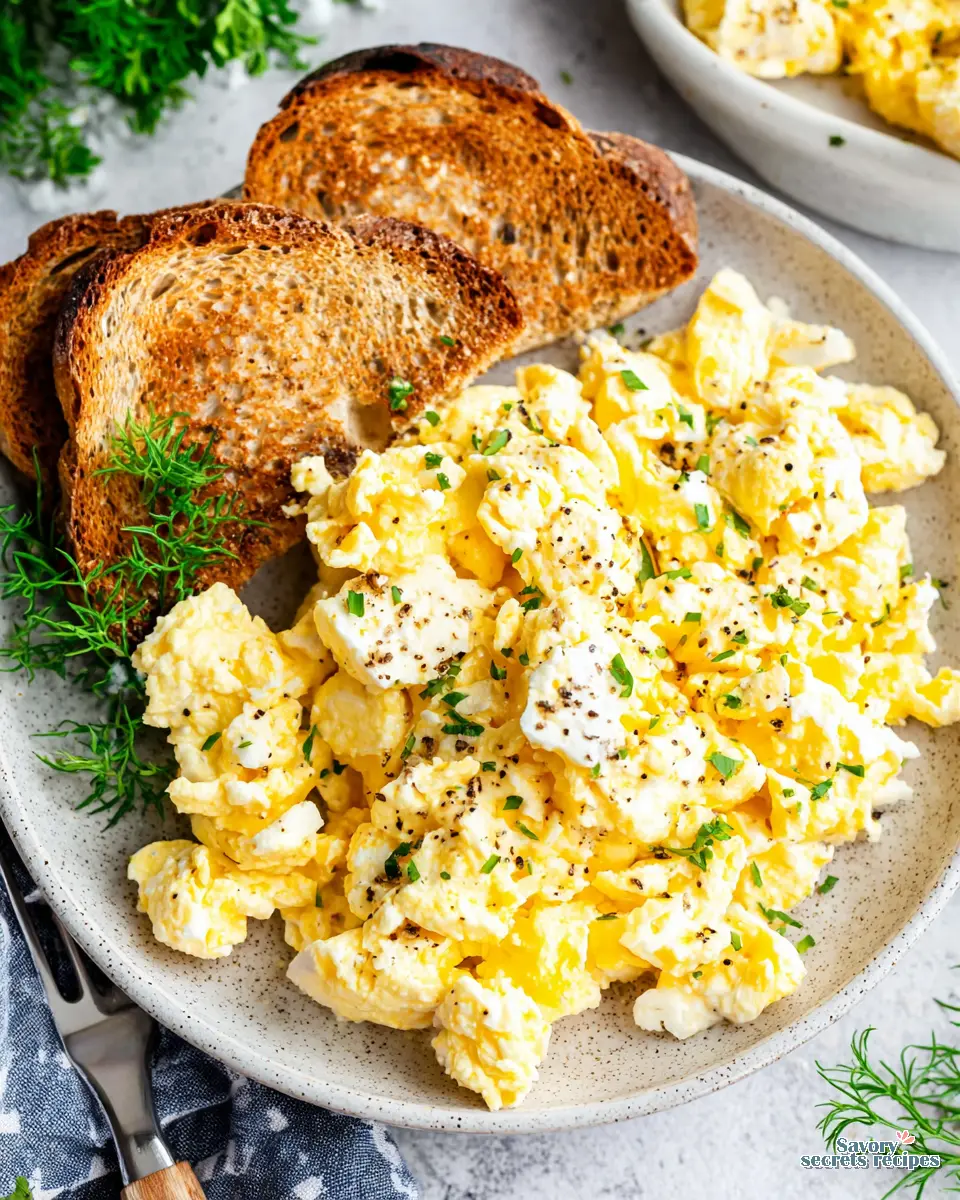
Keep folding gently. You want to pull the eggs off the heat when they’re still slightly wet and soft. They’ll continue to cook a bit on the plate. That’s the one. Have a plate ready, because removing them immediately is crucial to prevent overcooking.
Mastering the Fluffy Texture: Tariq’s Top Tips
Look, I’ve picked my share of eggshells out of bowls teaching my daughter to crack eggs, and I’ve overcooked enough scrambled eggs to know the pitfalls. The trick to really nailing these cottage cheese scrambled eggs is understanding a few key principles. It’s all about that creamy, fluffy finish.
Don’t Overcook Them: This is probably the most important tip for any scrambled eggs. Pull them off the heat when they’re still a little glossy and soft. They’ll firm up as they sit. If they look dry in the pan, they’ll be rubbery on your plate. Straight up.
The Cottage Cheese Ratio: A good starting point for two large eggs is about a quarter cup of 2% cottage cheese. You can adjust this based on your texture preference, of course. If you want more noticeable curds, add it later in the cooking process. If you want a super smooth, almost custard-like texture, you could even blend the cottage cheese and eggs together before cooking. That tracks.
Why Cottage Cheese Works Its Magic: Here’s the thing: cottage cheese adds moisture and fat. As it heats, it releases that moisture, creating steam within the eggs. This steam helps the eggs puff up, leading to a much fluffier result. Plus, the protein in the cottage cheese contributes to a more substantial, satisfying texture. It’s a fantastic dairy in eggs variation.
Gentle Stirring, Always: Remember those ‘spinny eggs’ my daughter loves? The constant, gentle folding with a rubber spatula is what creates those small, soft curds. Vigorous stirring breaks up the egg proteins too much, which can lead to a tougher, rubbery texture. Let it do its thing, slowly.
Visual Cues Over Time: While I’ve given you some timings, rely more on visual cues. The moisture content in cottage cheese can vary a bit, so your eggs might cook slightly differently each time. You’ll see them go from liquid to glossy and soft. That’s your signal to remove them from the heat.
Pan Choice Matters: I mentioned the nonstick pan, but it bears repeating. It’s not being fussy; it’s the difference between beautifully cooked eggs and a sticky mess. A good nonstick skillet allows the eggs to glide and fold easily, ensuring consistent cooking.
Don’t Rush the Process: Medium-low heat is your friend here. Cooking eggs too fast can lead to an uneven texture, with some parts overcooked and others still raw. Trust the process, let them cook slowly and gently. It’s worth it for that perfect creamy protein scrambled eggs result.
Elevate Your Plate: Easy Cottage Cheese Scrambled Egg Variations
Once you’ve got the basic cottage cheese scrambled eggs down, you can start playing around a bit. That’s the move. This recipe is a solid foundation for all sorts of healthy breakfast ideas. Think of it as your base for a truly satisfying savory breakfast.
Spice It Up: Not gonna lie, sometimes you just need a little extra kick. You can add a pinch of garlic powder or onion powder to your eggs before whisking for a savory depth. For a bit of heat, a tiny dash of crushed red pepper or smoked paprika can be really good. Just remember, we’re not adding these to the base recipe, but they’re great optional additions.
Veggie Boost: Spring is all about fresh produce, right? If you’re looking to add some greens, consider wilting a handful of fresh spinach or baby kale in the pan for a minute before adding your eggs. Chopped bell peppers or mushrooms, sautéed until tender, also work wonderfully. Just make sure to cook longer-cooking veggies first so they’re tender when the eggs are done.
Herbaceous Notes: Fresh herbs like minced chives or chopped parsley can really brighten up the dish. Add them right at the end, just before serving, for a pop of color and fresh flavor. It’s like a farm fresh eggs experience, even if your eggs aren’t straight from the farm.
Cheesy Additions: If you’re a fan of extra cheese, a sprinkle of shredded cheddar or mozzarella melted on top right before serving can be delicious. It’s a different kind of dairy in eggs, but it totally works. Fair enough.
Lighter Options: If you’re watching your intake, you can certainly use egg whites instead of whole eggs, though the texture will be a bit different. Low-fat cottage cheese also works, but I think the 2% gives the best flavor and creaminess. It’s about dialing it in until it’s right for you.
Planning Ahead: Storing and Reheating Your Eggs
I like breakfast foods that taste good cold because mornings are unpredictable, and I’m not reheating something three times before I actually eat it. But for these cottage cheese scrambled eggs, reheating gently is the move if you want to maintain that creamy texture.
If you’ve got leftovers, which, let’s be real, doesn’t happen often, store them in an airtight container in the fridge. They’ll keep well for up to three days. That tracks for most cooked eggs.
When you’re ready to reheat, the best way is gently on the stovetop. Pop them into a nonstick pan over low heat. Add a tiny splash of water or milk to help create some steam and keep them from drying out. Stir gently until they’re heated through. You don’t want to blast them in the microwave, or they’ll get rubbery. Trust the process; low and slow is key here.
This approach makes them a good option for meal prep Sundays, especially if you’re planning out your high protein breakfast eggs for the week. You can whip up a bigger batch and have a quick breakfast meal ready to go.
What to Serve with Your Cottage Cheese Scrambled Eggs
These cottage cheese scrambled eggs are so versatile. They’re a complete meal on their own, a truly protein-rich breakfast. But you can easily turn them into a full spread, perfect for an easy brunch ideas gathering or just a satisfying start to your day.
For a classic pairing, serve them alongside some toasted whole grain bread. Maybe a slice of San Francisco-style sourdough, if you’re feeling it. A simple side of fresh berries or sliced California-grown avocado makes for a vibrant and healthy breakfast plate.
Feeling a bit more adventurous? Wrap your creamy protein scrambled eggs in a warm tortilla for a quick breakfast taco. Add a dollop of pico de gallo, maybe some salsa. You could even make it a mini ‘Taco Tuesday’ for breakfast, you know?
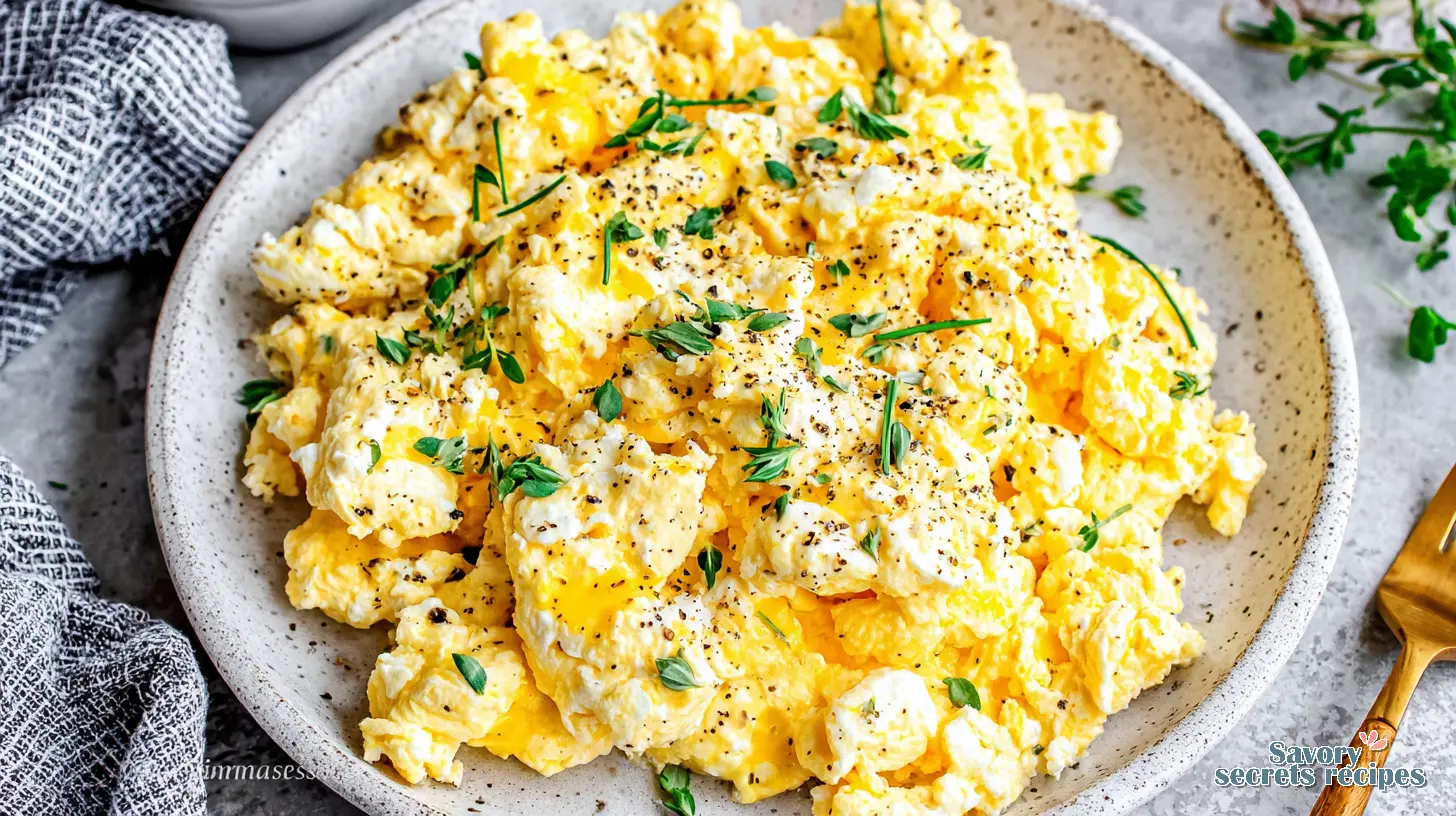
I also love them with some fresh chives sprinkled over the top, and a few halved grape tomatoes on the side. It adds that farm-to-fork freshness that we appreciate so much here in LA. It just makes the whole plate pop, looks great too, if you’re into Instagram-worthy plating.
Common Mistakes When Making Cottage Cheese Scrambled Eggs (and How to Fix Them)
Mistakes & Fixes for Perfect Eggs
Mistake: Your cottage cheese scrambled eggs are watery.
Solution: This usually happens if you add the cottage cheese too early or cook the eggs too slowly on too low heat before the curds have a chance to integrate. Make sure your pan is at medium-low, and the initial egg layer has just set before adding the cheese. Also, ensure you’re using 2% cottage cheese, as non-fat can sometimes release more liquid.
Mistake: The eggs are rubbery and dry.
Solution: You’ve overcooked them, plain and simple. Pull them off the heat when they’re still visibly soft and moist. They’ll continue cooking on the plate, I promise. It’s a common scrambled eggs mistake, and I’ve made it plenty of times myself.
Mistake: The curds in eggs are too chunky.
Solution: If you prefer a smoother texture, try gently whisking your cottage cheese into the raw eggs beforehand. Alternatively, you can use a small-curd cottage cheese, which tends to melt more seamlessly into the eggs for a smooth texture eggs crave.
Mistake: Eggs are sticking to the pan.
Solution: Your pan isn’t nonstick, or you didn’t use enough olive oil spray. A good nonstick pan is crucial for soft scrambled eggs cottage cheese style. Make sure it’s properly seasoned or well-oiled before you even think about adding the eggs.
Mistake: The flavor is bland.
Solution: You’re probably under-seasoning. Don’t be shy with the kosher salt and fresh ground black pepper. You can always add more at the end, but a good base seasoning makes all the difference for a nutritious egg dish.
Frequently Asked Questions
More Breakfast Ideas from My Kitchen
There’s nothing better than starting your day with a solid, satisfying meal, especially when it’s as easy as these cottage cheese scrambled eggs. If you’re always looking for new ways to make breakfast exciting and nutritious, you’re in the right place.
I’m always experimenting with simple egg recipe variations and healthy breakfast ideas that don’t take forever but still feel a little special. It’s about finding those little hacks that make a big difference in your daily routine. Keep an eye out for more ways to upgrade your morning plate.
So go ahead, grab some cottage cheese on your next Trader Joe’s run. Give these creamy protein scrambled eggs a try, and I think you’ll be genuinely surprised by how much you love them. You’ll love how easy this is, and how satisfying it feels to start your day with such a delicious, high protein breakfast eggs dish.
When you make this, I’d love to hear about it! Share your photos or tell me your favorite variations in the comments below. For more inspiration and easy brunch ideas, you can always browse my Pinterest boards. Happy cooking!
Source: Nutritional Information
Is cottage cheese good to put in scrambled eggs?
Absolutely! Cottage cheese is fantastic in scrambled eggs. It adds a wonderful creaminess and fluffiness that you won’t get with just eggs alone. Plus, it gives a significant protein boost, making your breakfast more satisfying and keeping you full longer. It’s a simple egg recipe upgrade.
How much cottage cheese to add to 2 eggs?
For two large eggs, I find that a quarter cup of 2% cottage cheese is the perfect amount. This ratio gives you that lovely creamy texture without making the cottage cheese scrambled eggs too wet. You can adjust slightly based on your preference, of course, but that’s a solid starting point.
What does Gordon Ramsay put in his scrambled eggs?
Gordon Ramsay is known for his incredibly creamy scrambled eggs, which often include butter and a touch of crème fraîche or heavy cream at the very end. The cottage cheese method achieves a similar luxurious creaminess and fluffy protein egg dish texture, but with added protein and a slightly different tangy flavor profile. It’s a great alternative to traditional Gordon Ramsay eggs.
Why do people put cottage cheese in their eggs?
People add cottage cheese to their eggs mainly for two reasons: texture and nutrition. It makes the eggs incredibly creamy and fluffy by adding moisture and fat, preventing them from drying out. And it significantly boosts the protein content, making for a very high protein breakfast eggs option. That’s the move for a healthy egg breakfast plate.
Why does cottage cheese make my eggs watery?
If your cottage cheese scrambled eggs turn out watery, it’s usually because the heat was too low, or the cottage cheese was added too early before the eggs had a chance to set properly. The moisture from the cottage cheese needs to cook off or be absorbed. Ensure your pan is at medium-low heat, and the eggs are partially set before folding in the cheese. Using 2% cottage cheese helps too.