



Roasted Green Tomato Sauce for Unripe Garden Tomatoes
Ingredients
Method
- Preheat the oven to 425°F.
- Arrange the tomatoes and garlic in a 9x13-inch pan, drizzle with olive oil, sprinkle with onion powder, and toss until the tomatoes are thoroughly coated.
- Bake for 35 minutes or until the tomatoes soften and begin to burst.
- Allow the tomatoes to cool briefly, then transfer the tomatoes, garlic, and pan oil to a food processor; add fresh basil and season with salt and pepper to taste.
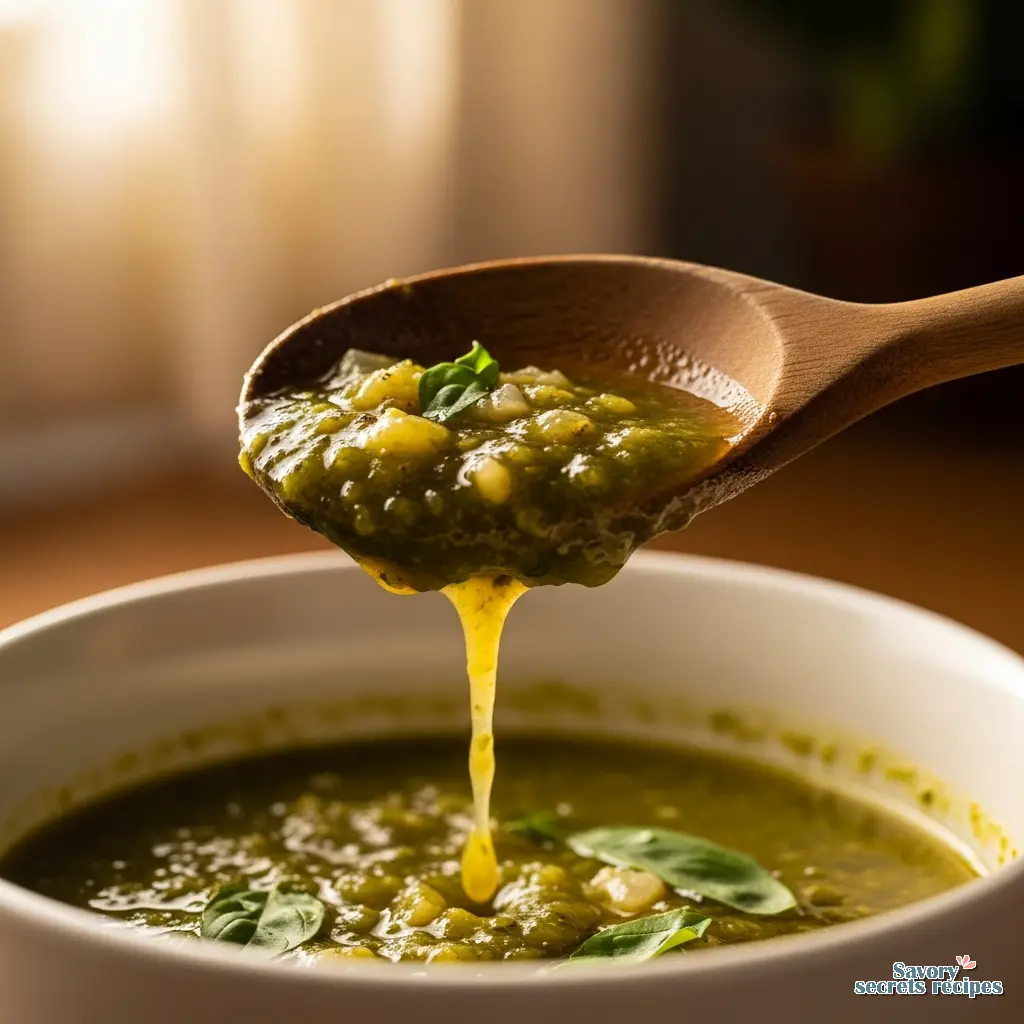
- Pulse the mixture until a smooth, creamy tomato sauce forms.
- Serve the sauce immediately, refrigerate for up to 4 days, or store in a freezer bag for up to 6 months.
Notes
The Garden Harvest Dilemma
It happens every year around late October or early November. You watch the weather app like a hawk, dreading that first frost warning. I’ve been there. You stand in the garden, looking at these heavy, beautiful vines loaded with fruit that just ran out of time. It’s frustrating, right? You feel like you failed the plant. But here is the thing. Those unripe tomatoes aren’t failures. They are an opportunity.
For years, I treated green tomatoes as a problem to be solved, usually by frying them until they were unrecognizable. That tracks with what most people do. But then I started treating them like an ingredient in their own right, specifically for green tomato sauce. It changes everything. Instead of trying to force them to be red tomatoes, you lean into what they actually are: tart, firm, and incredibly bright. If you want a more substantial meal, a layered green tomato casserole is another excellent way to utilize your surplus.
This isn’t just about saving the harvest or avoiding food waste, though that feels pretty good too. It’s about creating a sauce that has a completely different personality than your standard marinara. It’s zingy. It wakes up your palate. And honestly? It’s become my secret weapon for winter cooking when everything else feels heavy and rich.
Why You’ll Love This (Sustainability & Flavor)
Let me think about the best way to describe this flavor. If a red tomato sauce is a bass note, deep and sweet, green tomato sauce is a treble note. It’s high, bright, and acidic in the best possible way. It reminds me a bit of the tomatillo salsas I grab at the taco trucks here in Oakland, but with a more savory, pasta-ready profile. You can even use a similar base for a zesty green tomato salsa recipe during the peak of the harvest.
You’ll love this because it’s resourceful. There is something deeply satisfying about taking a bucket of “inedible” fruit and turning it into five jars of gold for your pantry. It makes you feel like a garden hero. Plus, the texture is fantastic. Because green tomatoes have less water and firmer flesh than ripe ones, the sauce gets naturally creamy when blended, without needing heavy cream or tons of oil. This sauce captures the essence of mexican green tomatoes, providing a bright acidity that balances rich ingredients.
And if you don’t have a garden? I’ve seen green tomatoes popping up at Berkeley Bowl and even occasionally at Ralphs during the end of the season. It’s worth grabbing a few pounds just to try this. It’s a tart flavor profile that cuts right through cheese and pasta.
The Science: Why Green Tomatoes Are Different
So, why can’t you just swap them 1:1 in any recipe? It comes down to chemistry. Green tomatoes are high in solanine (don’t worry, it’s safe in moderate amounts, despite the myths) and much higher in acid than sugar. A red tomato has spent weeks converting starches into sugars. A green one hasn’t.
This means we have to cook differently. We aren’t trying to preserve sweetness; we are trying to balance acidity. That is why you’ll see ingredients like onions, carrots, or a pinch of sugar in green tomato sauce recipes. We need to introduce the sweetness that nature didn’t get around to finishing.
Also, the pectin content is higher. This is great news for sauce makers because it thickens beautifully. You won’t need to simmer this for six hours like a Sunday gravy. Low and slow does the work for you, but it happens faster here. The texture breaks down into a velvet consistency that coats pasta perfectly.
Roasting vs. Simmering: My Method
I’ve tried making this sauce directly in the pot, and I’ve tried roasting first. Here’s what I’d do: roast them. Always.
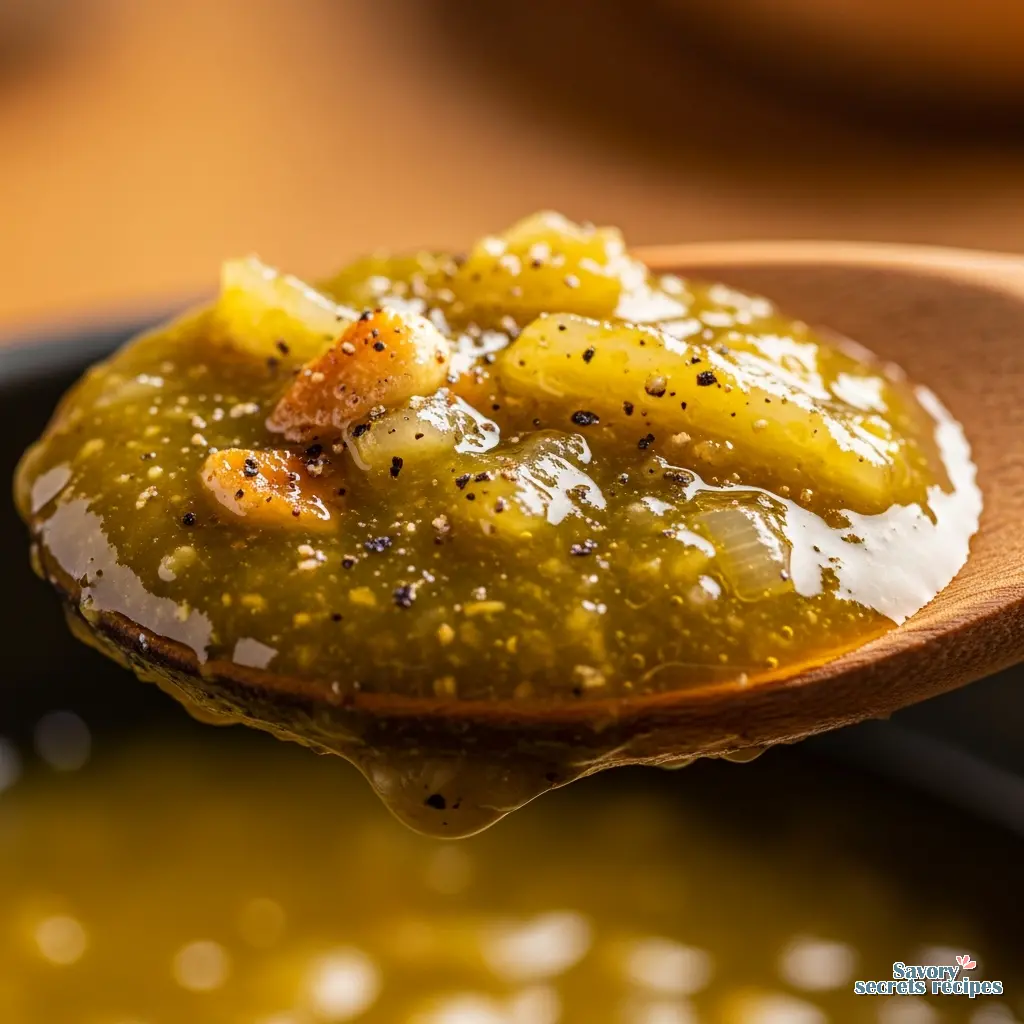
When you roast green tomatoes, you force some of that water out and concentrate the flavor. It also adds a little bit of char, which brings a smoky complexity that mimics the depth of a red sauce. I toss my quartered tomatoes with plenty of olive oil, garlic cloves (leave them whole, they get jammy), and onions right on the sheet pan.
You want to roast them at a high temp, maybe 400°F or even 425°F, until they look slumped and have brown edges. Visual troubleshooting here: if they just look pale and hot, they aren’t done. You want them to look tired. That sounds mean, but a tired, roasted tomato is a flavorful tomato.
Building the Flavor Profile
Once you get your roasted veg into the pot, it’s time to blend and balance. This is where I think about my grandmother Fatima. She never measured anything, which used to drive me crazy when I was a kid trying to write down her recipes. But she taught me to “taste as you go.” With green tomato sauce, this is critical because every batch of tomatoes has a different acidity level.
I use an immersion blender right in the pot. It’s just easier than transferring hot lava to a stand blender. If you like a rustic sauce, pulse it a few times and leave some chunks. If you want it silky, go to town on it.
Now, taste it. It’s going to be tart. That’s the point. But if it makes your jaw ache, we need to adjust. I usually add a teaspoon of honey or sugar. If it’s still too aggressive, a tiny pinch of baking soda (I’m talking 1/8th of a teaspoon) can neutralize some acid without adding flavor. Just be careful it will foam up for a second. That’s normal science stuff. For those who enjoy more heat, a spicy pickled green tomatoes recipe can be a great way to add complexity to your pantry.
Give it another minute to simmer after adjusting. flavors need a moment to get to know each other.
Storage: Freezing vs. Canning
I get asked about this constantly. “Can I can this?” The short answer is yes, but you need to be careful. Because green tomatoes have a different pH than red ones, you cannot just assume a standard canning recipe works. You must ensure there is enough acid to keep it safe from botulism.
If you are water bath canning, you absolutely need to add bottled lemon juice or citric acid to each jar. Do not rely on the natural acidity of the fruit. I usually add 1 tablespoon of lemon juice per pint jar just to be safe. And remember, do not stack canning jars while they are cooling; it compromises the seals. Mastering the basics of how to make pickled tomatoes is also helpful if you want to preserve the fruit’s crunch.
Honestly? I usually just freeze it. It freezes beautifully for up to 6 months. I pour the cooled sauce into quart-sized freezer bags and lay them flat. They stack like notebooks in the freezer. It’s efficient, safe, and the flavor stays perfect. When I’m ready to use it, I just run the bag under warm water and dump it into the pan.
Common Mistakes & Fixes
Mistake: The sauce is impossibly sour.
Solution: You didn’t balance the pH. Add a caramelized onion or a teaspoon of sugar. If that fails, stir in a pinch of baking soda to neutralize the acid.
Mistake: The sauce is watery and thin.
Solution: You likely didn’t roast them long enough to evaporate the moisture. Simmer it uncovered for another 20 minutes. It will tighten up.
Mistake: It tastes bitter, not just tart.
Solution: This happens with seeds sometimes. Add fat to coat the tongue a knob of butter or a splash of heavy cream (if you eat dairy) works wonders to mask bitterness.
How to Serve Green Tomato Sauce
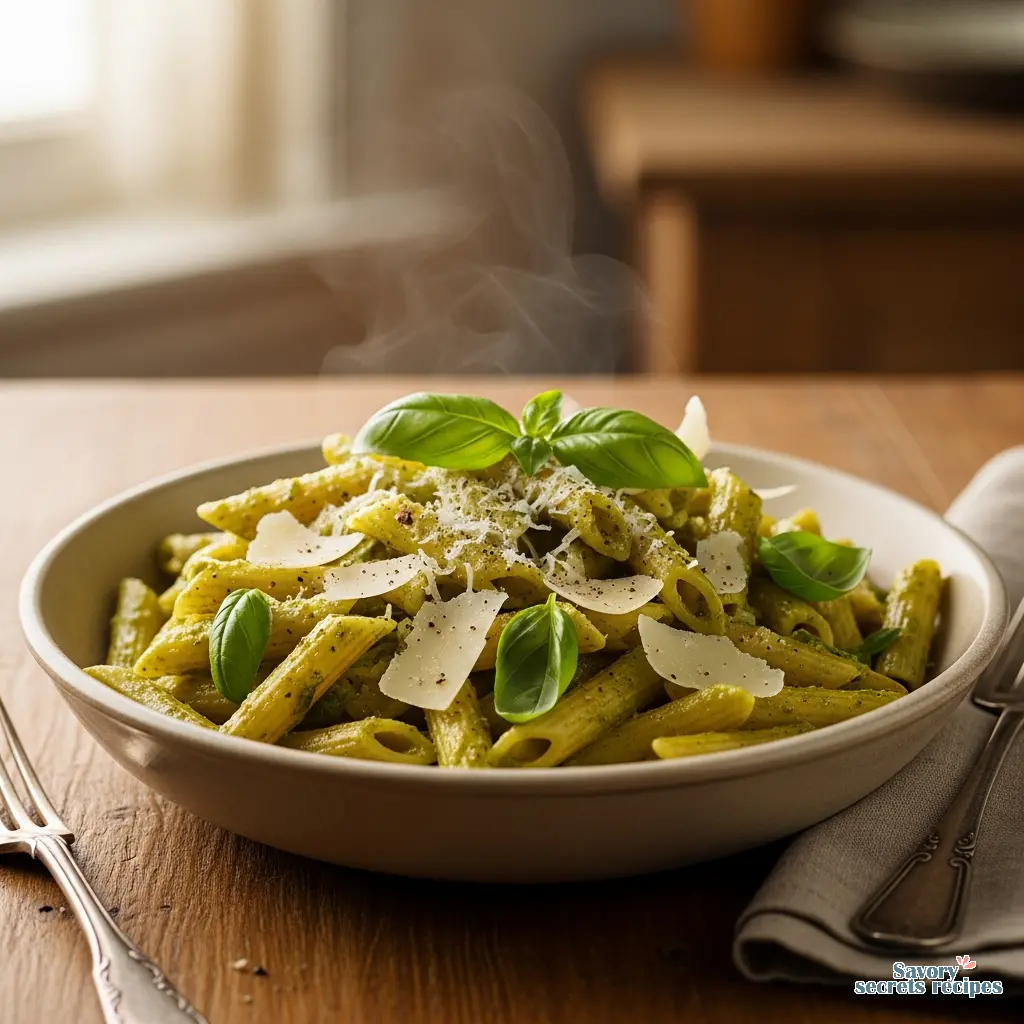
This isn’t just a pasta sauce, though it is excellent on penne. I treat it more like a universal savory condiment. It’s fantastic as an enchilada sauce alternative. The tartness mimics tomatillos perfectly, so it pairs well with chicken and cheese enchiladas. It shares many characteristics with a classic green tomato salsa verde, making it highly versatile for Mexican-inspired dishes.
I also love it as a base for shakshuka. Poaching eggs in this green sauce with some cumin and coriander? That’s the move right there. Serve it with crusty sourdough from the market, and you have a brunch that looks fancy but took twenty minutes.
Another favorite way to use it is over grilled fish. White fish like cod or halibut loves acid. A ladle of warm green tomato sauce over a simple grilled fillet is restaurant quality. It brightens up the whole plate.
Frequently Asked Questions
Final Thoughts
When you take that first tangy bite, you’ll wonder why you ever stressed about the frost. It’s satisfying to know that you didn’t let the garden go to waste. You took what the season gave you, imperfections and all, and made something delicious. That’s real cooking.
I hope you give this a shot. It’s easier than you think, and the payoff is huge. If you do make it, let me know how you served it. I’m always looking for new ideas. For more inspiration on how to use your harvest, check out my Pinterest boards where I save all my seasonal experiments.
Reference: Original Source