



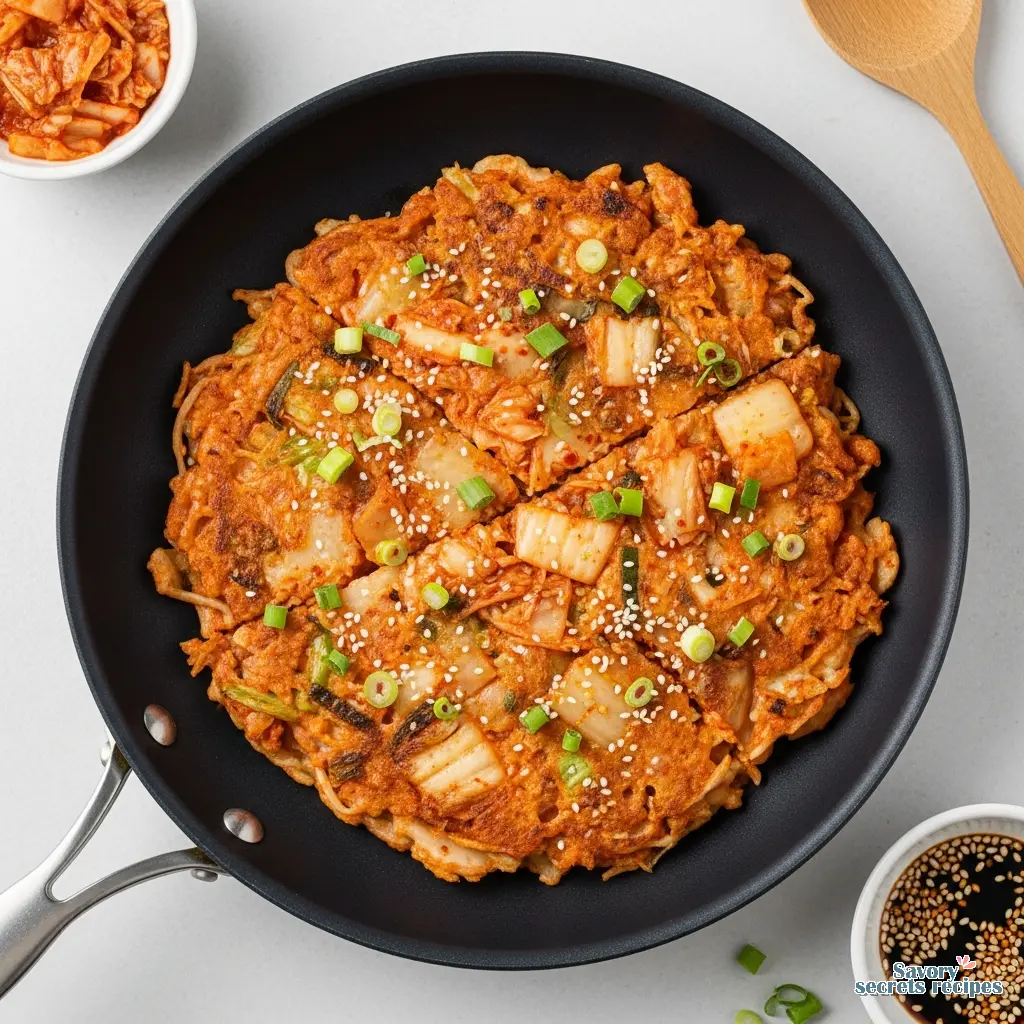
Easy Kimchi Pancake Recipe for Quick Meals
Ingredients
Method
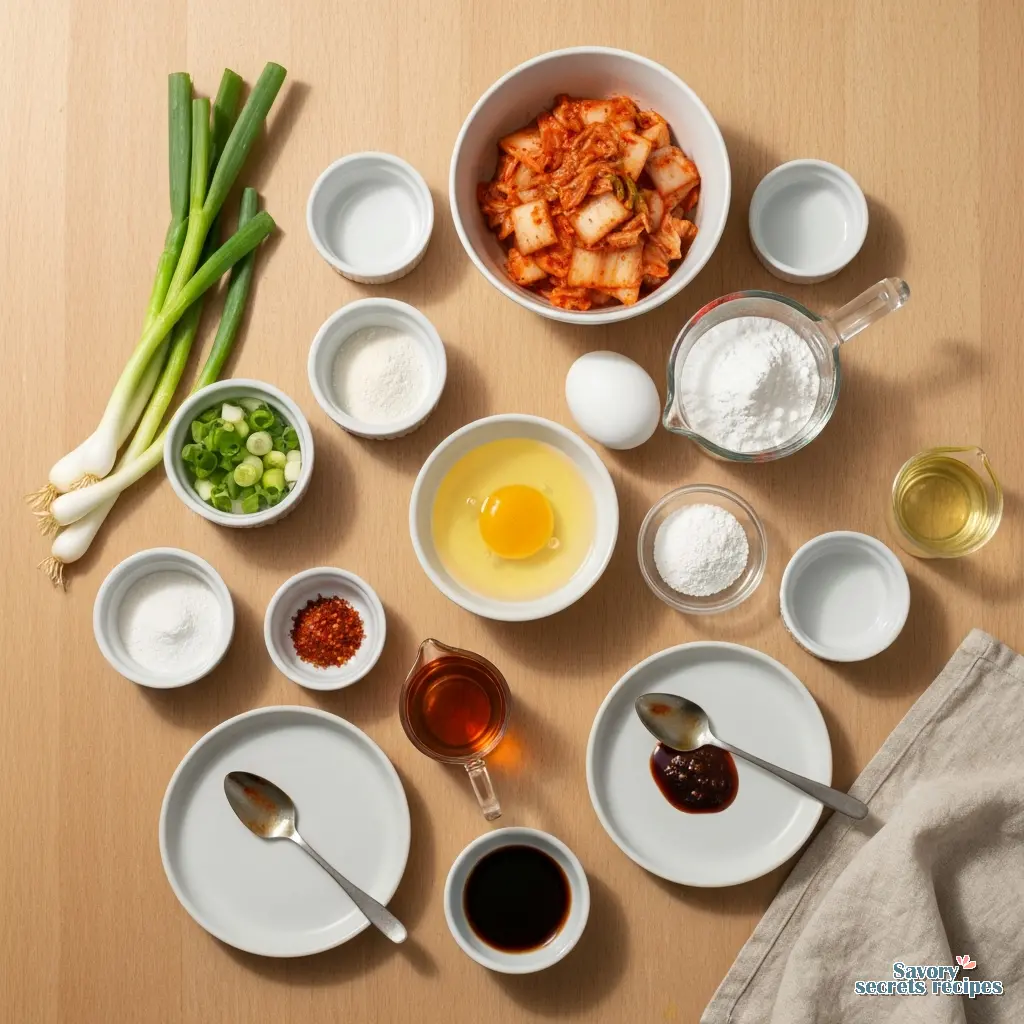
- Slice 2 medium scallions thinly. Chop 1 1/2 cups of drained napa cabbage kimchi into 1/2-inch pieces.
- Whisk together 1/2 cup all-purpose flour, 1/2 cup potato starch, and 1 tablespoon gochugaru in a large bowl. Add 1/2 cup cold water, 1 large egg, 2 tablespoons kimchi brine, and 1 teaspoon soy sauce, then whisk until smooth. Stir in the kimchi and scallions until just combined.
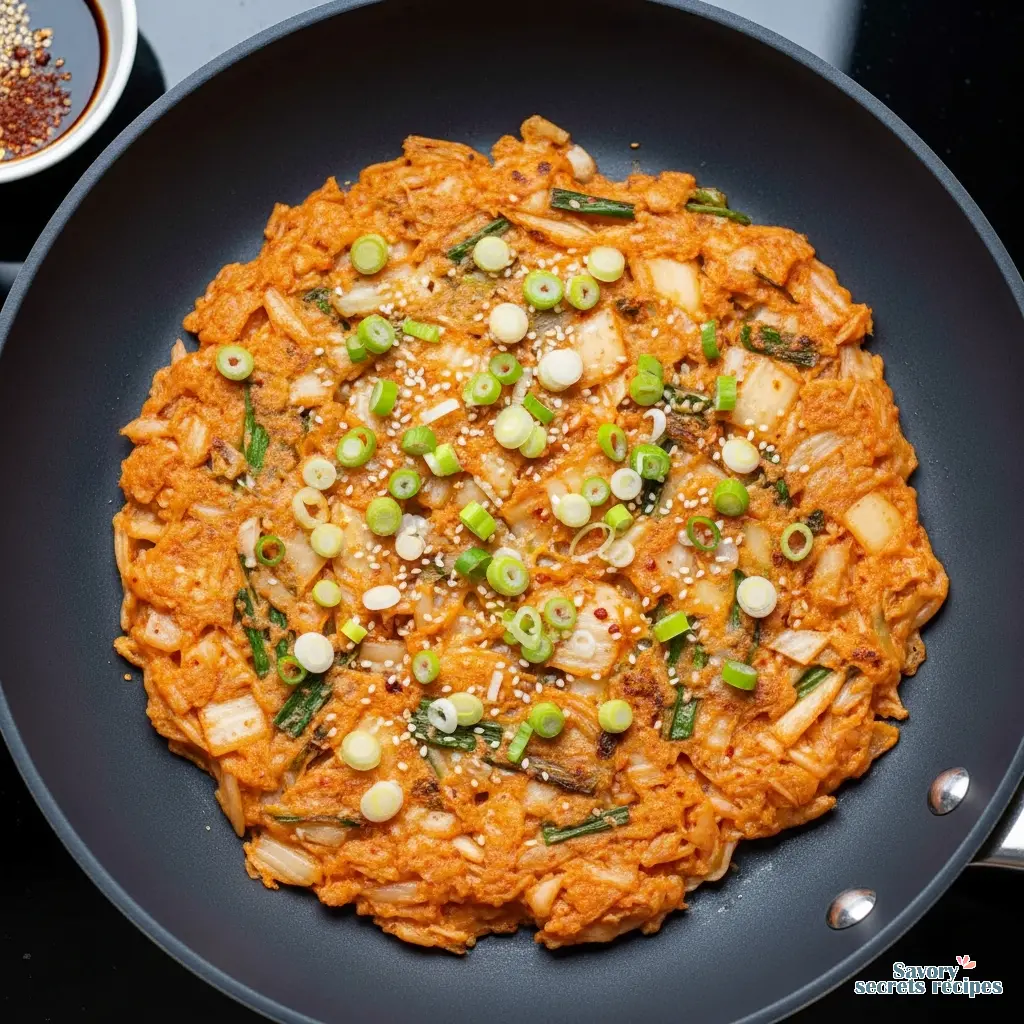
- Heat 1/4 cup neutral oil in a 12-inch nonstick skillet over medium-high heat until shimmering. Pour in 1/3 cup of batter and spread it into a 5- to 6-inch circle using the back of a spoon. Cook for about 2 minutes per side until golden brown and crispy. Transfer to a paper towel-lined plate and repeat the process for a second pancake.
- Add the remaining 1/4 cup neutral oil to the skillet before frying the final 2 pancakes. Serve warm or at room temperature with Korean seasoning sauce for dipping if desired.
- Refrigerate leftovers in an airtight container for up to 4 days.
Nutrition
Notes
The Rainy Day Ritual You Didn’t Know You Needed
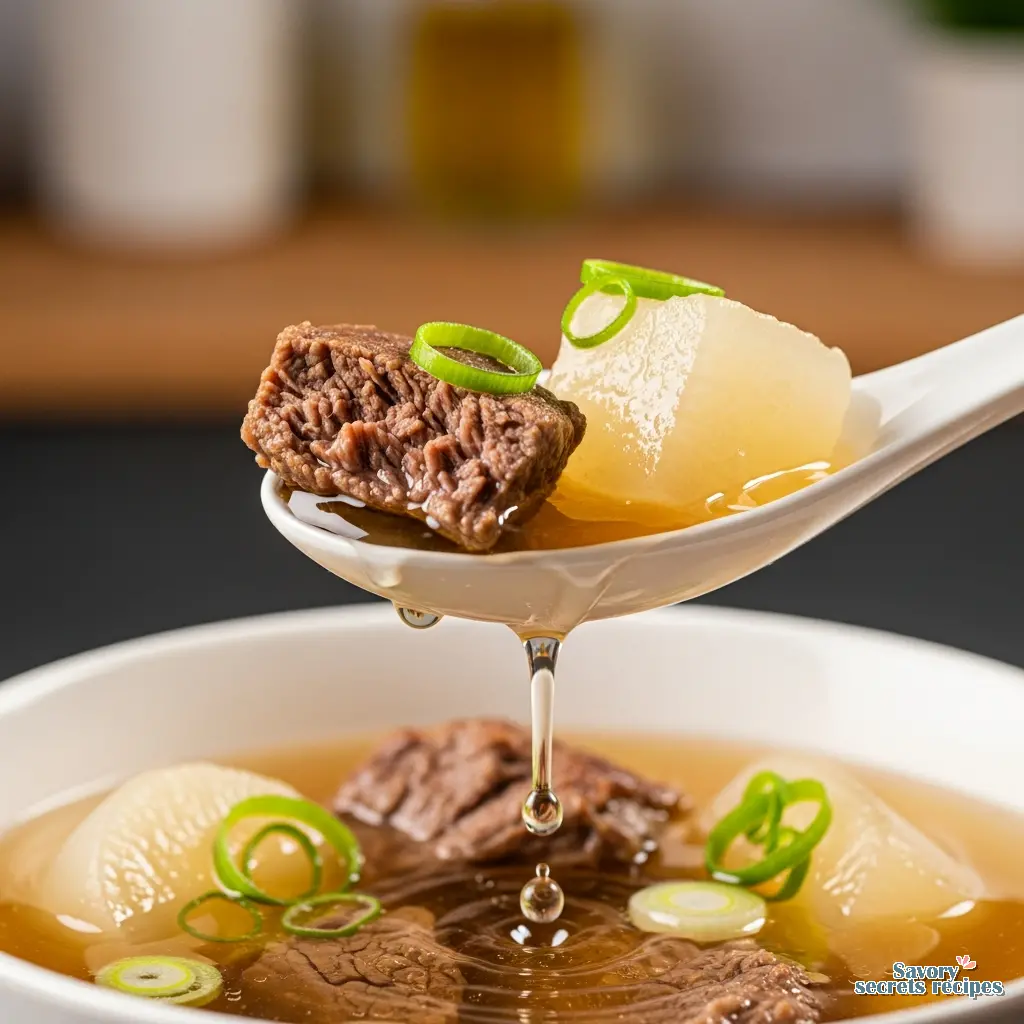
I remember my teta’s kitchen on Oakman Boulevard always had this specific rhythm to it. On rainy days, when the gray Michigan sky made everything feel a bit slower, she wouldn’t fight it. She’d just lean into the comfort food. While she was making manaeesh, I’ve since learned that halfway across the world, Koreans have a similar instinct. It’s called jeon. When it rains, you make pancakes. The sizzling sound of the batter hitting the hot oil is supposed to remind you of rain hitting the ground. I love that. It’s poetic, but it’s also just practical. You’re stuck inside, you’re hungry, and you want something hot and crispy. On those same chilly days, a warm bowl of moo guk provides a similar level of soothing warmth.
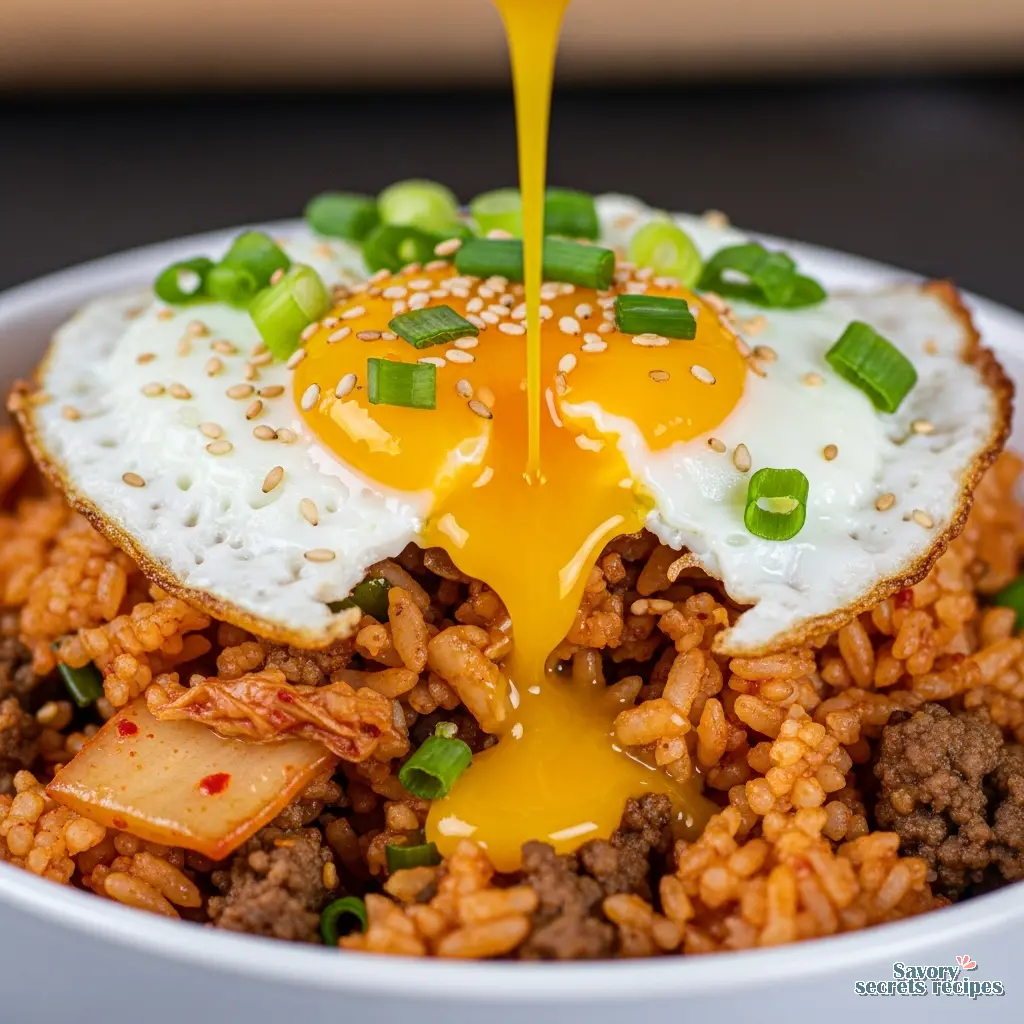
Here’s the thing. A lot of people get intimidated by Korean cooking because they think they need a pantry full of specialty ingredients. But this easy kimchi pancake recipe is basically the “clean out your fridge” meal of Korean cuisine. It’s humble. It’s forgiving. If you have a jar of old kimchi sitting in the back of your fridge that’s getting a little too sour for your taste, you’re actually sitting on gold. That funkier, older kimchi is exactly what makes this dish sing. If you find yourself with even more leftover fermented cabbage, learning how to make kimchi bokkeumbap is another fantastic way to use it up.
I used to mess this up constantly. My batter was too thick, or the center was gummy while the outside burned. It drove me crazy because I treat cooking like dialing in espresso if the variables are off, the result is flat. But after testing different flour ratios and temperature settings (and eating a lot of subpar pancakes), I’ve finally dialed it in. This recipe is easier than scrambled eggs, I promise. It’s crispy, savory, spicy, and it’s going to change your weeknight dinner game.
The Science of the Crunch: Why This Works
Let’s walk it back a second and talk about texture. The holy grail of a kimchi pancake, or kimchijeon, is that contrast between a super crispy edge and a slightly chewy, tender center. If you just use plain flour and water, you end up with something that feels more like a heavy bread. Not the move.
The secret lies in two things: temperature control and starch ratios.
When you mix wheat flour with water, gluten forms. Gluten is great for bread, but for pancakes, too much gluten makes them tough and rubbery. We want tender. By cutting the all-purpose flour with potato starch (or cornstarch if that’s what you have), we lower the protein content. This allows the edges to shatter when you bite into them rather than bend. It’s the same principle as using cake flour for a tender crumb, but here we are frying it.
Also, we use ice-cold water. This is a trick I use for tempura too. Cold water inhibits gluten development even further. When that freezing cold batter hits the hot oil, the reaction is violent in a good way. The moisture evaporates rapidly, creating those tiny bubbles that solidify into a lacy, crispy crust. It’s physics, but it tastes like magic.
Ingredient Spotlight: Why “Bad” Kimchi is Good
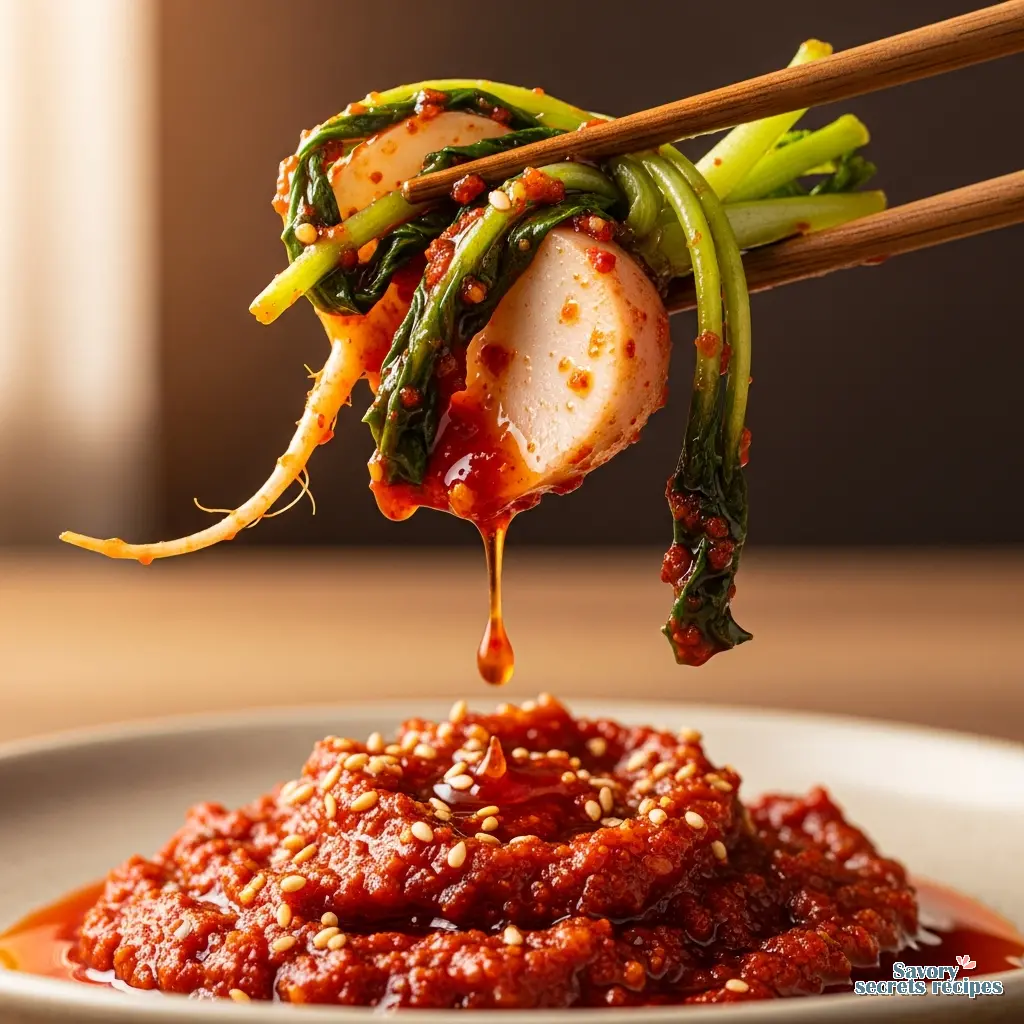
I need to be straight up with you: do not use fresh kimchi for this. You know the kind I mean that bright, crunchy stuff you just bought from the store that tastes like fresh salad with chili paste. It’s delicious as a side dish, but it lacks the depth we need here. You might be more familiar with white radish kimchi, which offers a different kind of crunch and tang compared to the napa cabbage variety.
You want the stuff that makes you wrinkle your nose a little when you open the jar. The kimchi that’s been sitting in your fridge for a month or two. When kimchi ferments, it produces lactic acid. That sourness is crucial because it cuts through the oil and the starch. It provides a flavor punch that fresh cabbage just can’t match. This same fermentation process is what gives young radish kimchi its signature sharp and peppery flavor profile.
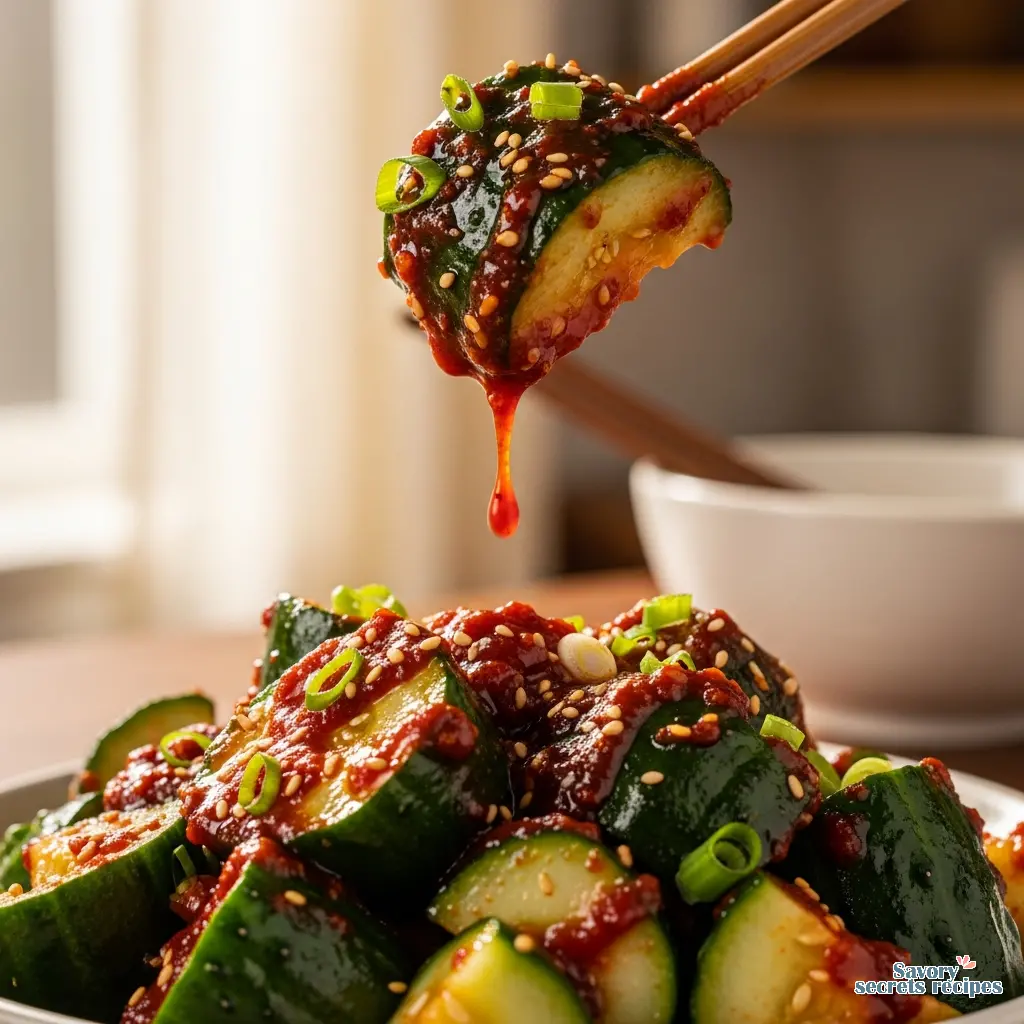
If you only have fresh kimchi, don’t sweat it. You can fake the funk. Just add a teaspoon of rice vinegar or a squeeze of lemon juice to your chopped kimchi before mixing it in. It’s not 100% the same, but it gets you close enough to the finish line. While cabbage is the classic choice here, making cucumber kimchi is a great skill to have for a refreshing side dish during the summer months.
The “Crispy Secret” (Oil and Heat)
Here is where most people fail. I’ve done it too. You try to be healthy, so you use a tiny spray of oil and keep the heat on low so it doesn’t burn.
Stop. Trust the process.
Kimchi pancakes are fried food. To get that restaurant-quality crust, you need oil. Not deep-fry levels, but enough to coat the bottom of the pan generously. You want the batter to essentially shallow-fry as it hits the pan. If the pan is too dry, you get dark, soft spots instead of an even, golden crunch.
And the heat? Medium-high. You need that thermal shock. If the pan is too cool, the batter will just soak up the oil like a sponge and become greasy. You want it hot enough that it sizzles aggressively the second the batter lands. I usually let my pan preheat for a good 3-4 minutes. Hover your hand over it (carefully). If you can feel the heat radiating, you’re good to go.
Variations & Substitutions
The beautiful thing about this easy kimchi pancake recipe is that it’s just a template. Once you have the batter ratio down, you can riff on it. Here are a few ways I like to switch it up: I often serve these pancakes alongside a spicy gochujang cucumber recipe to add a fresh, vinegary bite to the meal.
- Seafood (Haemul Pajeon style): Toss in a handful of frozen seafood mix (shrimp, squid, clams). Just make sure to thaw and pat them dry first, or the extra water will mess up your batter consistency.
- Canned Tuna: This is a total pantry hero move. Drain a can of tuna and flake it into the batter. It adds protein and a savory depth that pairs perfectly with the sour kimchi.
- Vegan Friendly: The recipe is naturally dairy-free. To make it vegan, just skip the egg and add a tablespoon of ground flaxseed mixed with water, or just increase the water slightly. Ensure your kimchi is vegan (no shrimp paste or fish sauce in the ingredients).
- Gluten-Free: Swap the all-purpose flour for a 1:1 gluten-free baking blend. Since we are using potato starch anyway, the texture holds up surprisingly well.
Troubleshooting: When Things Go Sideways
Even with a simple recipe, things can go wrong. I’ve been there. Let’s fix it.
Common Mistakes & Fixes
Mistake: The pancake tears when I flip it.
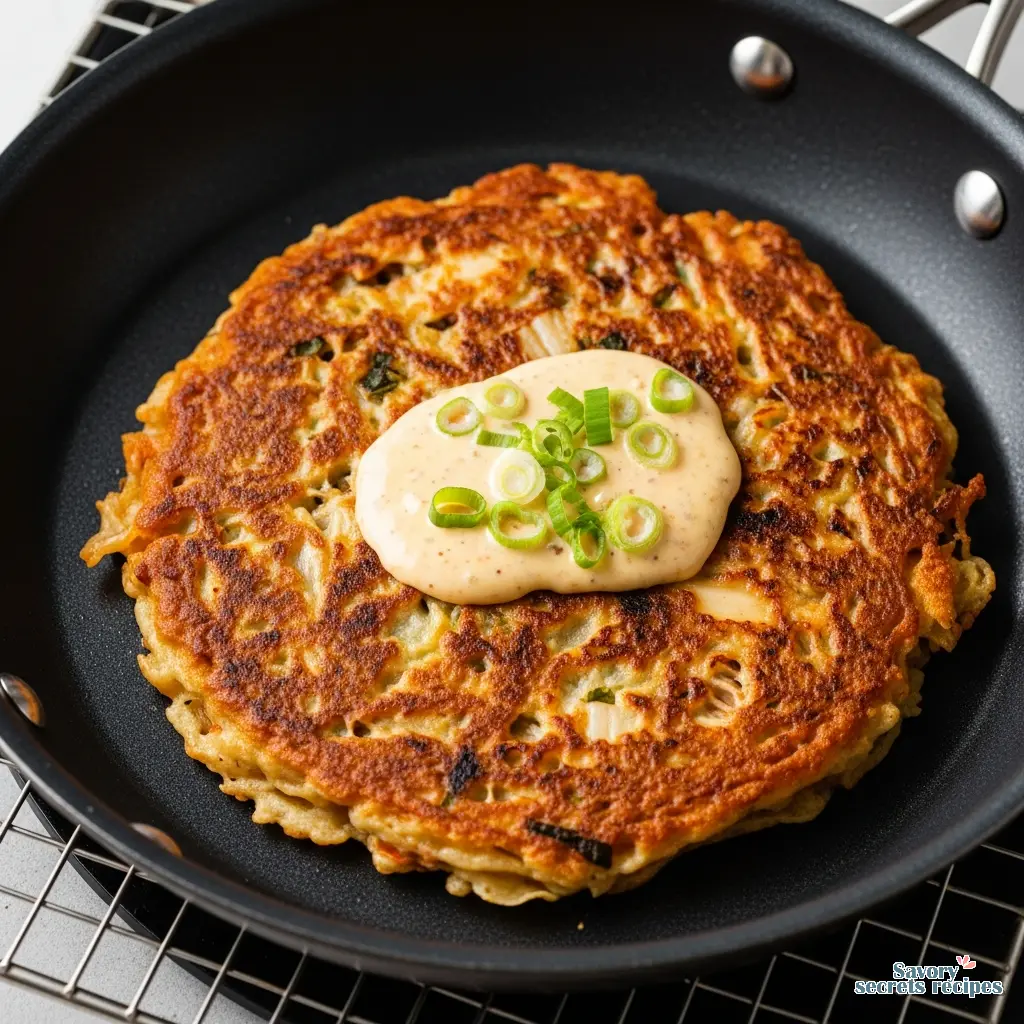
Solution: You likely flipped too early or made the pancake too big. I prefer making two smaller pancakes (about 6-8 inches) rather than one giant one. It’s way easier to handle. Wait until the edges look dry and the bottom is solid gold before committing to the flip.
Mistake: The center is mushy/soggy.
Solution: Your heat was probably too high, cooking the outside before the inside set. Or, you overcrowded the batter with too much kimchi juice. Next time, lower the heat slightly after the initial sear and let it cook a minute longer. Also, spread the batter thinner in the pan.
Mistake: It tastes bland.
Solution: Your kimchi wasn’t sour enough, or you forgot the salt. Kimchi varies wildly in sodium. Always taste a tiny bit of the raw batter (I know, raw egg, but just a dab on your tongue) or fry a tiny test piece first. Add more kimchi brine or a splash of soy sauce if needed.
Storage and Reheating (The Air Fryer Hack)
I’m not gonna lie, these are best eaten immediately. Standing over the stove, burning your tongue that’s the optimal serving method. But if you have leftovers, don’t microwave them. The microwave will turn your crispy pancake into a sad, rubbery wet towel.
Fridge: Store slices in an airtight container with parchment paper between them so they don’t stick. They last about 3 to 4 days.
Reheating: This is where the air fryer shines. Pop the slices in at 350°F for about 3-4 minutes. It revives the crunch almost perfectly. If you don’t have an air fryer, throw them back in a dry pan over medium heat for a couple of minutes on each side. The residual oil in the pancake is usually enough to crisp it back up.
Freezer: You can actually freeze these! Flash freeze them in a single layer on a baking sheet, then transfer to a bag. Reheat straight from frozen in the oven or air fryer. It’s a solid meal prep move for busy weeks.
Frequently Asked Questions
Time to Get Cooking
When you pull this off the stove, don’t wait for a special occasion. Eat it standing up in the kitchen if you have to. The smell of the toasted sesame oil and the frying kimchi is going to fill your house, and honestly, it beats any scented candle I’ve ever bought.
If you give this easy kimchi pancake recipe a shot, I want to see how crispy you got those edges. Tag me if you make it I love seeing your creations! You’ve got this now go impress yourself.
For more inspiration, check out my Pinterest boards where I collect all my favorite comfort food ideas.
Reference: Original Source
What is the secret to a crispy kimchi pancake?
The trick is using ice-cold water and a mix of flour and starch (potato or cornstarch). Also, don’t skimp on the oil. You need enough oil to shallow-fry the batter, and the pan must be hot before you pour. That thermal shock creates the bubbles that turn into crunch.
Can I use fresh kimchi for this recipe?
You can, but it won’t have that deep, savory funk. Aged, sour kimchi is best. If you only have fresh, add a teaspoon of rice vinegar or lemon juice to mimic the fermentation acid. It helps balance the richness of the oil.
Why is my pancake falling apart when I flip it?
Usually, this means you flipped too soon or the pancake is too large. Wait until the top looks matte and dry, and the edges are golden brown. I recommend making smaller 6-inch pancakes instead of one giant one they are much easier to manage.
Do I need a dipping sauce for kimchi pancake?
Not strictly necessary if your batter is well-seasoned, but highly recommended. The acidity of a soy-vinegar sauce cuts through the grease. I mix soy sauce, rice vinegar, and a little sesame oil. It balances the whole bite perfectly.
Can I make the batter in advance?
I wouldn’t recommend it. The vegetables will release water as they sit in the salty batter, which dilutes the mixture and makes it soggy. It’s best to mix and fry immediately. However, you can chop your ingredients ahead of time to speed things up.