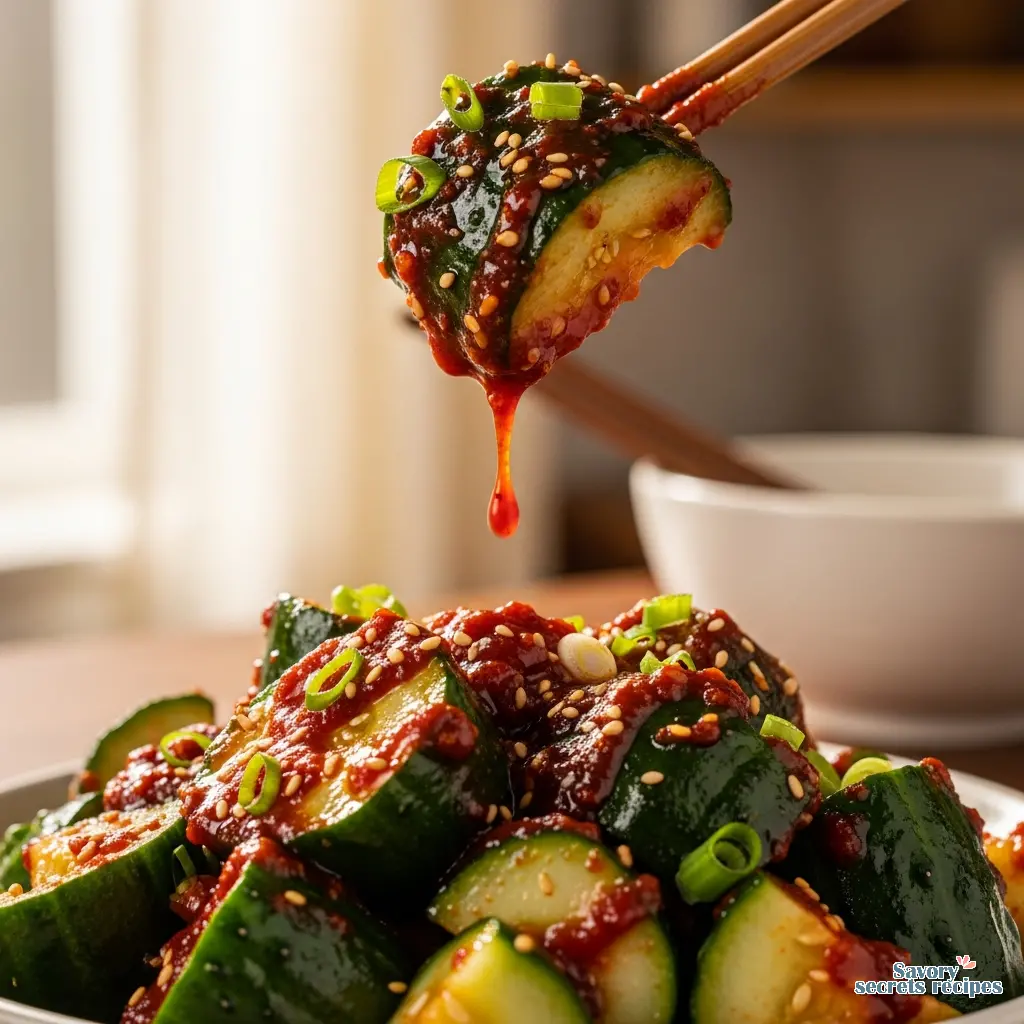




Spicy Korean Pickled Cucumber Recipe Oi Muchim
Ingredients
Method
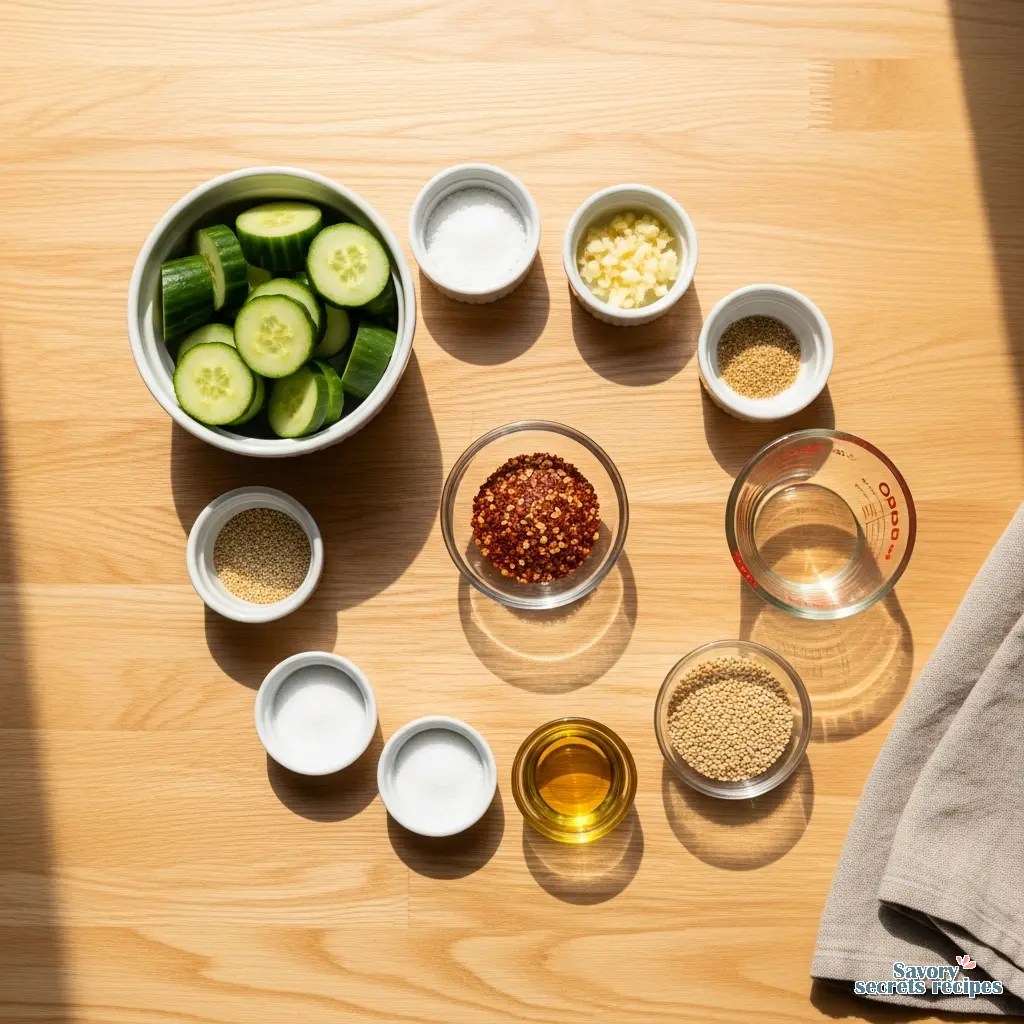
- Assemble all necessary ingredients.
- Chop Kirby cucumbers into 1/2-inch pieces; if using hothouse or English varieties, halve lengthwise, remove seeds, and cut into 1/2-inch pieces.
- Place chopped cucumbers in a colander over a large bowl, sprinkle with salt, toss gently, and let sit for 30 to 60 minutes to drain.
- Firmly squeeze cucumber pieces in small handfuls to release excess water.
- Spread cucumbers on a clean towel, roll tightly, and squeeze to extract remaining moisture.
- Transfer cucumbers to a medium bowl, add garlic if using, and toss; stir in pepper flakes, rice vinegar, sesame oil, sugar, and sesame seeds if desired until thoroughly combined.
- Cover and refrigerate the pickles for at least 30 to 60 minutes before serving.
- Serve and enjoy.
Nutrition
Notes
Why You Need This Crunch in Your Life
I remember my nani making achaar every summer on the terrace in Chandigarh. She’d lay out the mango pieces on a steel thali, and I’d watch the oil glisten as the sun hit it. She never measured anything. She just tasted and added more rai or methi based on some internal calibration I’m still trying to understand. The smell of that achaar jar opening is probably my earliest food memory. It was aggressive, pungent, and absolutely necessary to cut through the richness of our meals. While these pickles provide a sharp contrast, a bowl of moo guk offers a milder, comforting radish flavor that balances the meal.
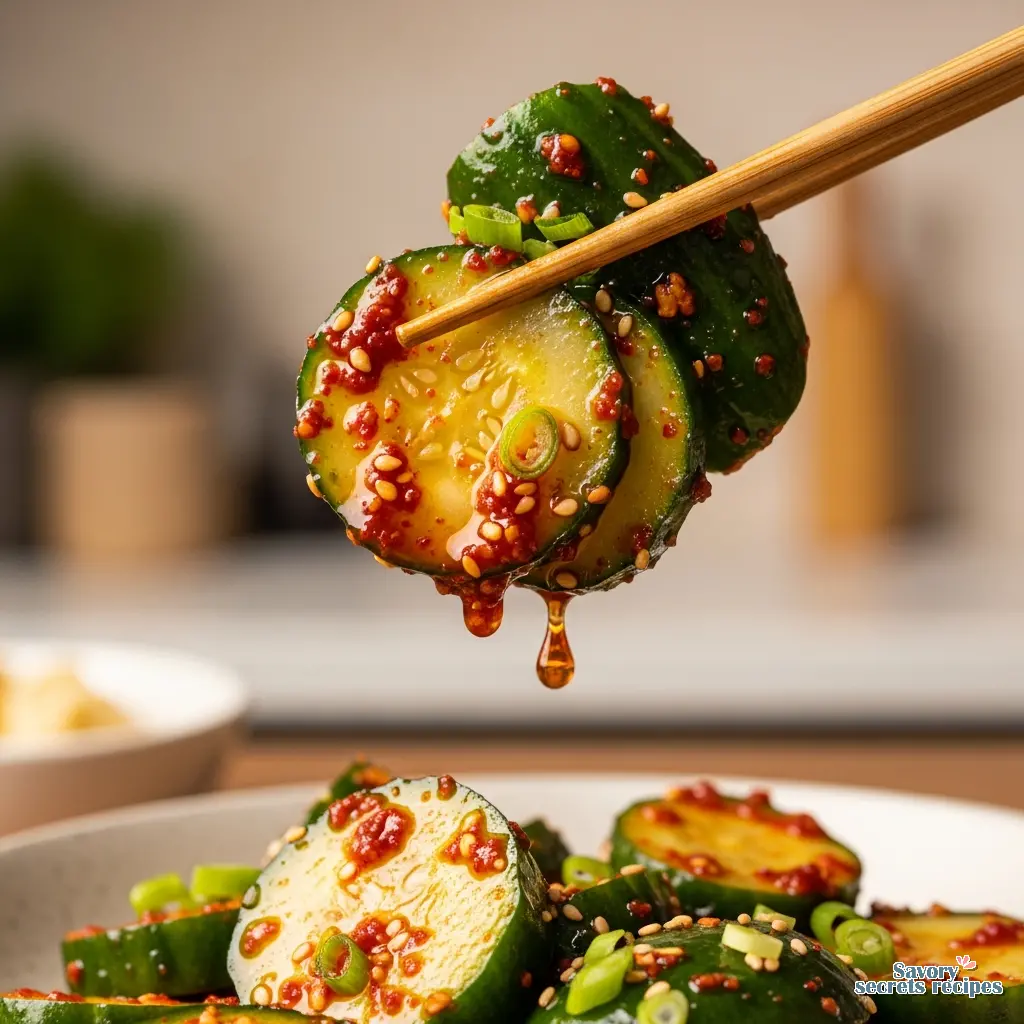
That memory hit me hard the first time I sat down at a Korean BBQ spot here in LA. Among all the little metal bowls of banchan, there was this simple plate of bright red cucumbers. I took a bite, expecting just heat, but I got this incredible snap crisp, tangy, with a hint of sweetness that balanced the spice perfectly. It wasn’t fermented for weeks like kimchi; it was fresh. Immediate.
I realized right then that how to make korean cucumber (or Oi Muchim) isn’t just about following a recipe. It’s about understanding water activity and texture. As a dietitian and a food scientist, I’m obsessed with why things taste the way they do. And honestly, this side dish is basically a quick chemistry experiment you can eat. It’s perfect for when you need a quick side in a pinch, especially on those busy Wednesday nights when you want flavor but have zero energy.
The best part? You don’t need a fermentation crock or weeks of patience. You just need about 30 minutes and a willingness to trust the salt.
The Science of the Crunch (It’s Just Osmosis)
Let’s get technical for a second, but I promise to keep it practical. The biggest mistake people make when learning how to make korean cucumber is skipping the salting step. They think, “I’m watching my sodium,” so they toss raw cucumbers directly into the sauce. Please, don’t do this. You’ll end up with a watery, sad salad within ten minutes.
Here is what’s actually happening: cucumbers are over 95% water. When you sprinkle them with salt, you create a hypertonic environment on the surface. Through osmosis, water moves from inside the cucumber cells (low salt concentration) to the outside (high salt concentration) to try and equalize the pressure. This draws out excess moisture.
In practical terms, this does two things. First, it concentrates the cucumber flavor so it tastes less like water and more like a vegetable. Second, and this is crucial, it changes the texture of the cell walls. They lose turgor pressure but gain a specific kind of elasticity. That’s what gives you that satisfying “snap” rather than a mushy bite. I’d want to see more research on the exact sodium retention, but generally, if you rinse them well, you aren’t actually consuming all that salt. You’re just using it as a tool. This salt-drawing technique is also the secret to making cucumber kimchi with a long-lasting crunch.
Choosing Your Cucumber Fighter
Not all cucumbers are built for this. I’ve tried this with standard American slicing cucumbers (the waxy ones), and the results were… mixed. The skins are thick and bitter, and the seeds are watery. If that’s all you have, you absolutely must peel them and scoop out the seeds. But it’s not ideal.
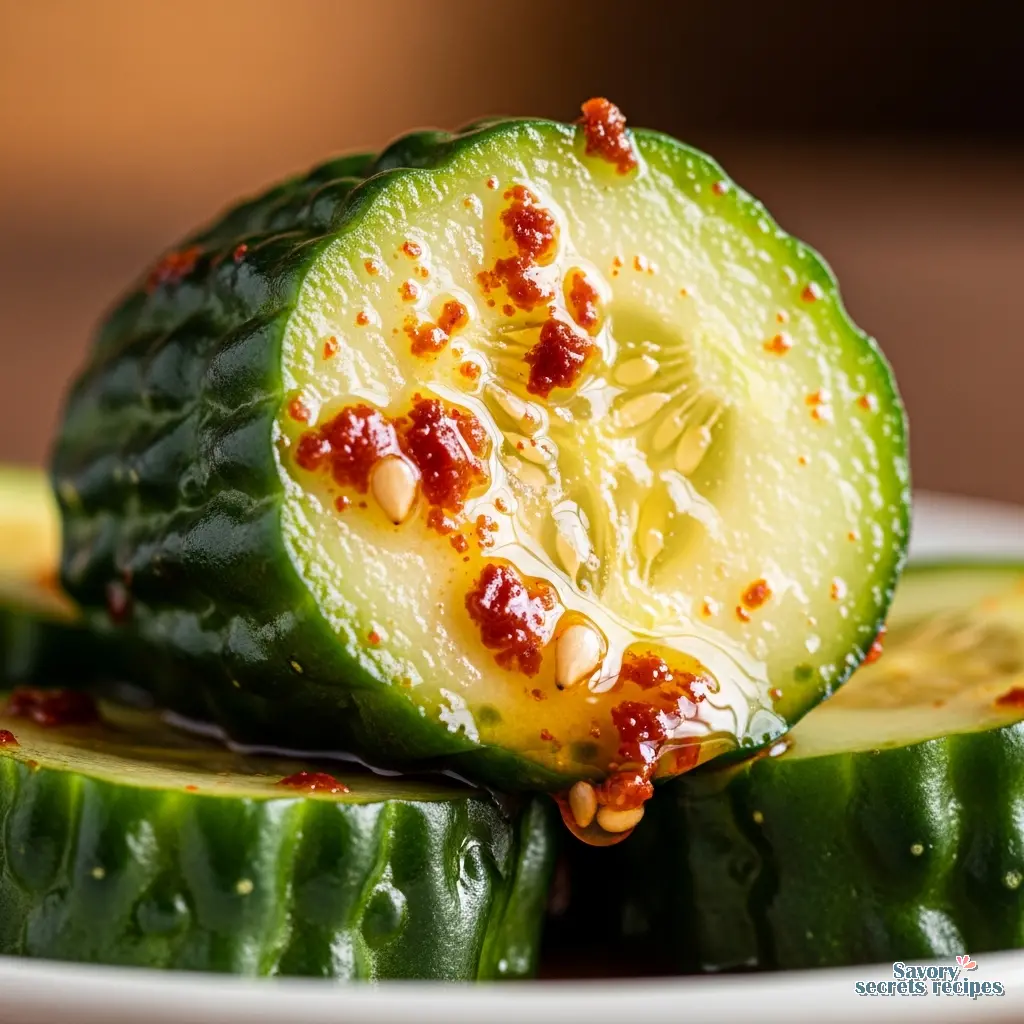
For the best results when figuring out how to make korean cucumber, you want Kirby cucumbers (pickling cucumbers) or Persian cucumbers. They have thin skins and lower water content. I prefer Kirby cucumbers because their bumpy texture holds the sauce better. It’s strictly a surface area thing. The ridges trap the gochugaru and garlic, ensuring every bite is flavorful.
The Flavor Equation: Gochugaru Explained
If there is one non-negotiable ingredient here, it’s gochugaru. I know, I know. You’re wondering if you can just use the crushed red pepper flakes you put on pizza. Fair enough question. But the answer is no. Not if you want it to taste right.
Standard red pepper flakes are usually made from cayenne-type peppers and include a lot of seeds. They are sharp, hot, and dry. Gochugaru (Korean chili powder) is sun-dried and has a complex flavor profile. It’s smoky, slightly sweet, and the heat is more of a warm hum than a sharp stab. It also gives the dish that vibrant, glowing red color without making it inedibly spicy.
I prefer the coarse grind (flake) over the fine powder for this recipe. The coarse flakes provide texture and look beautiful. If you absolutely cannot find gochugaru at your local Asian market or Whole Foods, you could try a mix of paprika and cayenne, but honestly? It’s worth ordering the real thing online. It keeps forever in the freezer.
Texture Timeline: Fresh vs. Funky
One thing I find genuinely interesting about this dish is how it evolves. It’s not static. When you first mix it right after squeezing out the water and tossing in the sauce it’s a salad. It’s crisp, refreshing, and the flavors are distinct. The cucumber tastes like cucumber; the garlic tastes like garlic. This fresh profile is a stark contrast to the complex, fermented notes found in young radish kimchi.
Give it an hour in the fridge, and the flavors meld. The garlic mellows out as it reacts with the vinegar. The salt continues to draw out a tiny bit of moisture, creating more of a sauce. This is my personal sweet spot.
By day two or three, the texture changes again. It loses some of that initial snap and becomes slightly chewier, almost like a proper pickle. The spice level also seems to deepen. I’ve noticed that the capsaicin (the spicy compound) seems to distribute more evenly into the cucumber flesh over time. It’s not technically fermenting in the way kimchi does because of the vinegar, but there is definitely some enzymatic activity happening that changes the flavor profile.
Troubleshooting Your Cucumber Crisis
Even with a simple recipe, things can go sideways. I’ve messed this up plenty of times by rushing. Here is how to fix the most common issues when learning how to make korean cucumber.
Common Mistakes & Fixes
Mistake: It’s way too salty.
Solution: You probably didn’t rinse the cucumbers after the salting step. It’s okay! Just give the finished dish a quick rinse in cold water. You’ll lose some seasoning, so just add a splash of vinegar and sesame oil back in.
Mistake: It’s a watery mess.
Solution: This happens if you skip the salting or don’t squeeze them dry enough. I like to use a clean kitchen towel to really wring them out. If it’s already mixed and watery, just drain the excess liquid before serving. If you prefer a thicker, more robust sauce, you might enjoy a gochujang cucumber recipe instead.
Mistake: It’s too spicy to eat.
Solution: Add a little more sugar or a splash of rice vinegar. Sweetness and acidity help cut through the heat. You can also mix in some plain sliced radishes to dilute the spice.
Zero-Waste & Variations
I hate wasting food. My mom used to make fresh paneer every Sunday, and my job was to squeeze the cheesecloth. She’d save the whey for kneading atta nothing wasted. I try to apply that same logic here.
If you end up with leftover liquid at the bottom of the bowl after eating the cucumbers, don’t toss it. That liquid is seasoned vinegar, garlic, and sesame oil. It is gold. I use it to drizzle over steamed broccoli or mix it into hot white rice. It adds a kick of flavor that would otherwise go down the drain.
You can also play with the vegetables. Sometimes I’ll add thinly sliced onions or scallions for an extra aromatic hit. If you want more crunch, toss in some carrot matchsticks during the salting phase. The osmosis works on them too, softening them just enough to be pleasant but still crunchy. This method of softening vegetables with salt is a technique you will also use when preparing white radish kimchi.
Frequently Asked Questions
Storage & Serving
Because this is a fresh side dish, storage is pretty straightforward. Keep it in an airtight container in the fridge. It will stay good for about 2 to 3 days. After that, the cucumbers get a bit too soft for my liking, though they are still safe to eat.
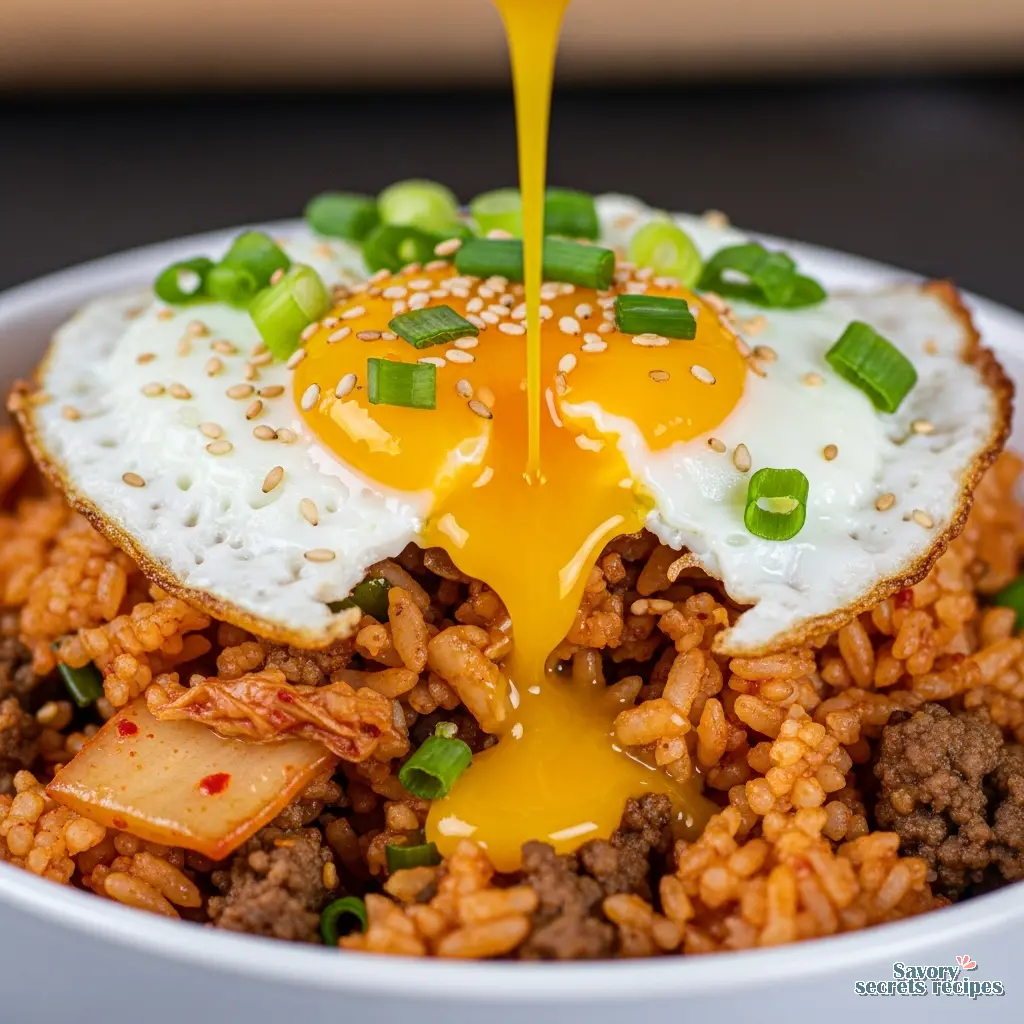
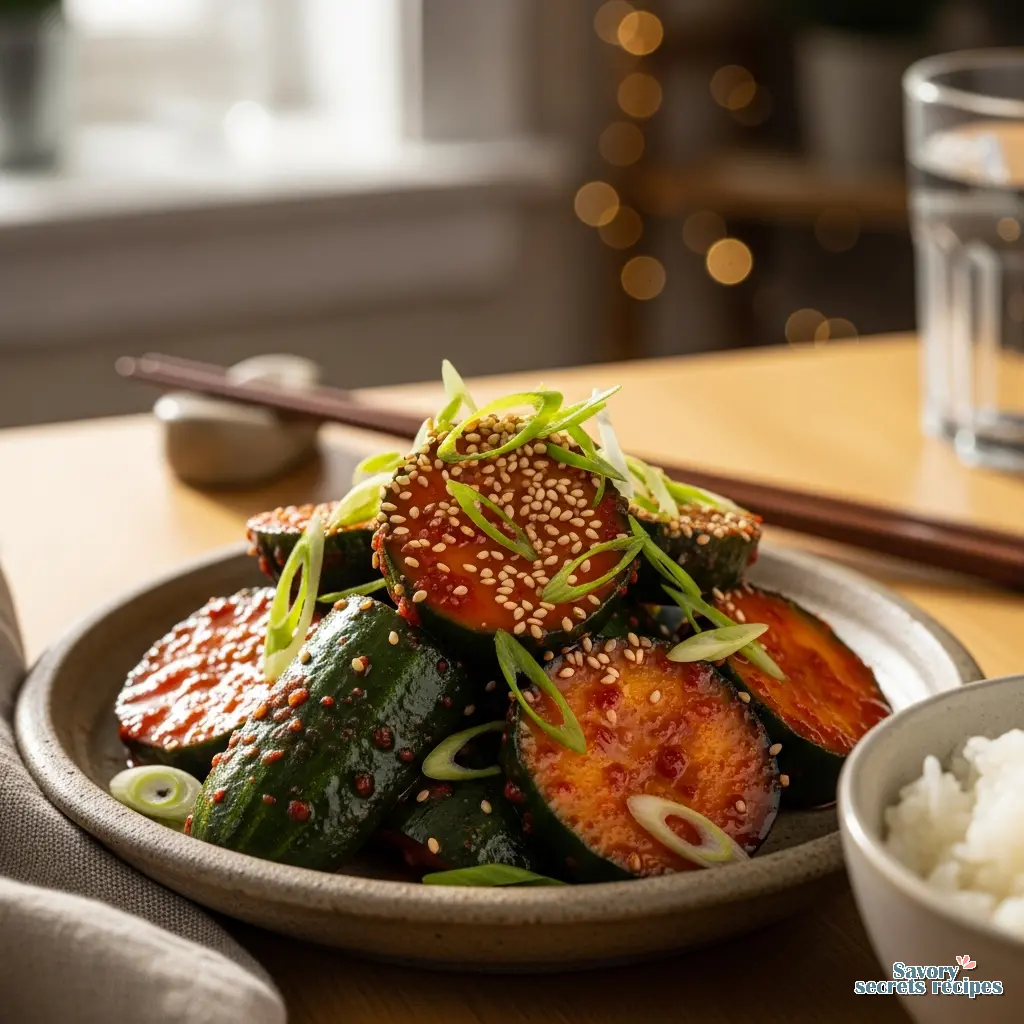
Serve this cold, straight from the fridge. It pairs beautifully with fatty or grilled meats because the acidity cuts right through the grease. I love having it with a simple bowl of rice and a fried egg on top. It’s a complete meal that hits every texture note creamy yolk, fluffy rice, and crunchy cucumber. These pickles are also the perfect accompaniment when you learn how to make kimchi bokkeumbap for a quick and satisfying meal. They are also traditionally served alongside a savory jeon recipe to balance the oiliness of the pancakes.
When you serve this, your family will love the fresh burst of flavor. It’s vibrant, it’s healthy, and it looks like you spent way more time on it than you actually did. Go ahead, spice up your meal routine with this easy win! And hey, for more inspiration, check out my Pinterest boards where I save all my favorite quick vegetable sides.
I’d love to hear how yours turns out. Did you adjust the spice level? Did you try adding onions? Tag me on social media with your creation I’m always curious to see how different kitchens handle the same recipe!
Reference: Original Source
Can I make how to make korean cucumber ahead of time?
Yes, but the texture changes. I actually prefer it after about 30 minutes when the flavors meld. However, if you make it more than 24 hours in advance, it loses that signature crunch and becomes more like a soft pickle. Both are good, just different.
What if I can’t find Gochugaru?
This is where it gets complicated. Regular red pepper flakes are too spicy and lack the smoky sweetness. In a pinch, I’ve used a mix of paprika (for color) and a pinch of cayenne (for heat), but honestly, it’s worth buying the real thing online.
Do I have to peel the cucumbers?
If you are using Kirby or Persian cucumbers, no! The skin adds great snap and nutrients. If you only have thick-skinned American slicing cucumbers, then yes, I would peel them; otherwise, the texture is tough and the skin can be bitter.
Is Oi Muchim the same as cucumber kimchi?
To be clear, they are different. Oi Muchim is a fresh salad meant to be eaten immediately or within a day. Cucumber Kimchi (Oi Sobagi) is usually stuffed and left to ferment, developing that sour, probiotic tang. This recipe is for the fresh version.
How spicy is this korean cucumber recipe?
It’s customizable! Gochugaru looks scary red, but it’s milder than it appears. The standard recipe is a medium heat a warm hum rather than a burn. If you are sensitive, start with half the amount of flakes and taste as you go.