



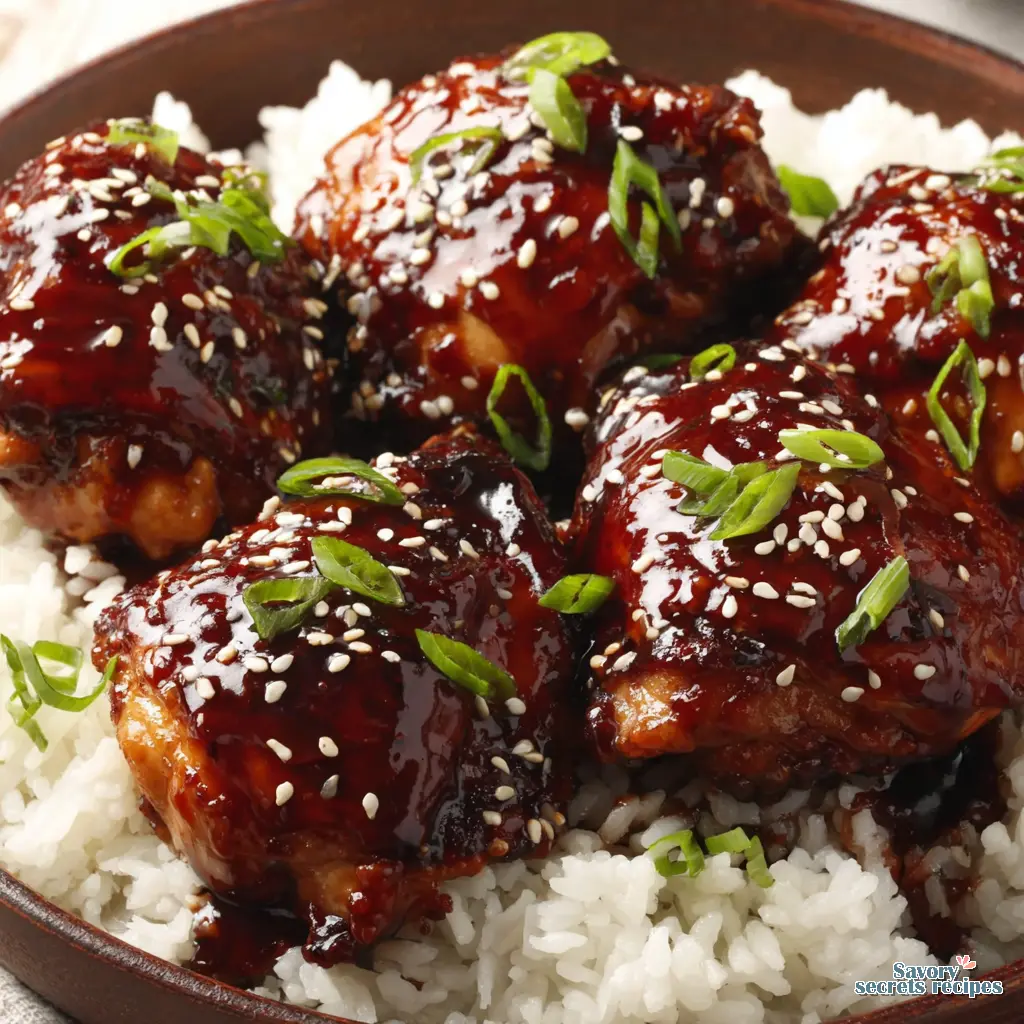
Honey Garlic Chicken with Rice Vinegar Sauce
Ingredients
Method
- together honey, garlic, soy sauce, rice vinegar, sesame oil, salt, and pepper in a bowl.
- the chicken to the marinade, ensuring it’s well coated. Let it marinate for at least 15 minutes (or up to 2 hours in the fridge for deeper flavor).
- a skillet over medium-high heat and add a little oil. Once hot, add the chicken, discarding any excess marinade.
- the chicken for about 5-7 minutes on each side until golden brown and cooked through.
- any remaining marinade into the skillet and let it simmer for about 5 minutes until thickened.
- with chopped green onions and sesame seeds before serving.
Notes
Why This Honey Garlic Chicken Recipe Actually Works
You know that feeling. It’s a Tuesday, you’re tired, and the thought of that glossy, sticky honey garlic chicken from the takeout place is the only thing on your mind. I’ve been there, trust me. But then you order it, and it’s either too sweet, too salty, or the sauce is a sad, thin puddle. That tracks with what I’ve seen in a lot of home recipes, too. They miss the balance.
This version is different. The data on this is actually quite clear. The magic isn’t just in the honey or the garlic. It’s in that splash of rice vinegar. It cuts through the sweetness, adds a bright note, and helps the sauce cling to the chicken in a way that’s just… better. In practical terms, it transforms a simple weeknight dish into something you’d be proud to serve to anyone.
I remember trying to make a version for my daughter once, back when she decided she didn’t like “mixed-up food.” I deconstructed it plain chicken here, sauce on the side. She dipped, she approved. It was a very small, very successful clinical trial. This recipe is that good, that reliable. And honestly? It’s easier than calling for delivery.
The Science Behind Your Sauce
Let’s talk about that honey garlic chicken rice vinegar sauce for a second. It’s a simple emulsion, but getting it right involves some basic food chemistry. The honey provides sugars that caramelize, the soy sauce offers salt and umami, and the garlic gives you that foundational aroma. Fair enough.
But the rice vinegar? That’s your acid. To be clear, acid does a few things. It balances the palate so the dish isn’t cloying. It also slightly denatures the proteins in the soy sauce and helps everything emulsify into a cohesive, glossy sauce that coats rather than pools. If you’ve ever had a sauce that separates or tastes one-note sweet, you were probably missing this component.
Worth noting here, you don’t need fancy rice vinegar. The bottle from your local Ralphs or Trader Joe’s works perfectly. The goal is that gentle tang. When you add it to the pan and it hits the hot honey, that sizzle and immediate aroma bloom is the sound of flavor building. It smells like promise, honestly.
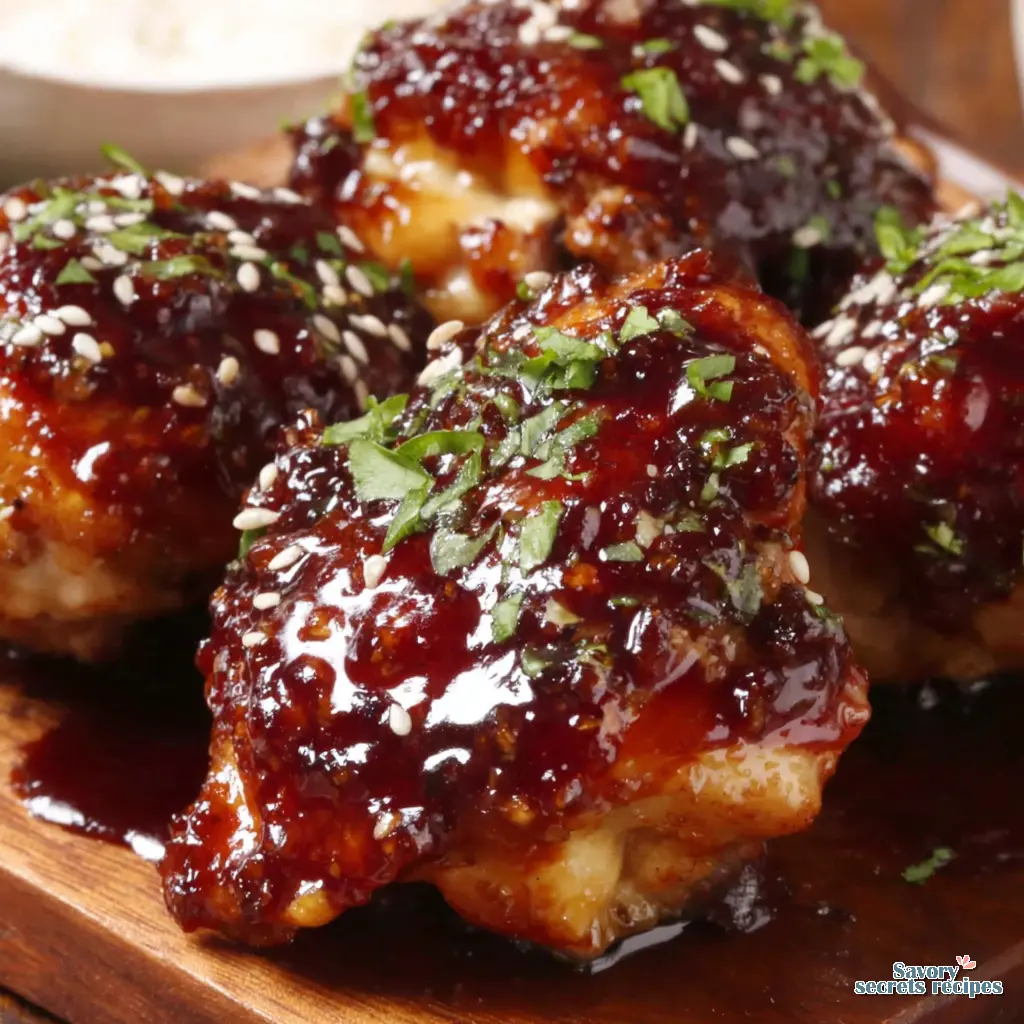
Your Game Plan for Perfect Honey Garlic Chicken
Okay, let’s get into the quick wins. These are the things I do every single time, based on more testing in my kitchen than I’d care to admit.
First, pat your chicken dry. This isn’t being fussy, it’s the difference between steamed chicken and chicken that gets a beautiful sear. Dry surface equals better browning. Second, cook your garlic until it’s soft and fragrant, but not brown. Once it starts to tan, it turns bitter. You want it golden and sweet, like the color of light honey itself.
Third, let the sauce bubble. Don’t just warm it through. You need a gentle boil for a minute or two to activate the cornstarch and let the sugars thicken into a syrupy glaze. This is where the magic happens. The sauce will go from looking a bit watery to coating the back of your spoon perfectly. That’s your visual cue.
Finally, taste and adjust as you go. Too sweet? A tiny splash more vinegar. Too sharp? A drizzle more honey. You’re in charge. This framework is more reliable than any rigid recipe.
Navigating Different Cooking Methods
Maybe you don’t want to use a skillet. Or maybe it’s a warm LA spring evening and you’d rather not heat up the whole kitchen. You’ve got options. The evidence here is mixed on which is “best,” because it truly depends on your goal.
For a classic stovetop method, you get maximum control over the sauce reduction and that direct fond-building in the pan. It’s my go-to for a quick dinner. But if you’re feeding a crowd, baking is brilliant. Toss everything in a dish and let the oven do the work. The sauce thickens as the chicken roasts, and you get minimal hands-on time. Just baste halfway through.
The air fryer method is genuinely interesting for getting crispy edges without much oil. Cook your chicken first, then toss it in the warmed sauce at the end. And the Instant Pot? It’s great for ultra-tender, fall-apart thighs, though the sauce will need a few minutes of reduction afterwards using the sauté function. Each method has pros and cons, but they all lead to delicious honey garlic chicken rice vinegar.
Common Mistakes & Fixes
Mistake: The garlic burns and turns bitter.
Solution: Keep the heat medium, not high. Cook it just until fragrant, about 30 seconds. If it starts to color quickly, pull the pan off the heat for a moment.
Mistake: The sauce is too thin and watery.
Solution: You likely didn’t let it boil long enough. Let it bubble gently for a full 1-2 minutes to activate the cornstarch. If it’s still thin, mix a teaspoon more cornstarch with a tablespoon of cold water and stir it in.
Mistake: Using chicken breast and it turns out dry.
Solution: Breast cooks faster than thighs. Either pound it to an even thickness or slice it into strips. And don’t overcook it pull it off the heat at 165°F (74°C). Letting it rest in the sauce helps, too.
Mistake: Reheating leftovers results in dry chicken.
Solution: Always reheat gently. The oven at 350°F (175°C), covered with foil, is your best friend. A microwave will work in a pinch, but use a damp paper towel over the top.
Making It Your Own: Variations & Substitutions
No rice vinegar? No worries. The role is acid, so you can substitute with what you have. Apple cider vinegar works, white wine vinegar is fine, even a squeeze of lemon or lime juice. The flavor profile shifts slightly, but the balance remains. That said, rice vinegar is my first choice for its mild, rounded tang.
For a gluten-free honey garlic chicken, use tamari instead of soy sauce. Double-check your chicken broth, too. It’s an easy swap that makes the dish accessible. Want some heat? Add a teaspoon of crushed red pepper flakes to the sauce, or toss in a sliced Fresno chili when you cook the garlic. The warmth plays beautifully against the sweet and salty notes.
And the chicken itself is flexible. Thighs are more forgiving and stay juicier, which I prefer. But breasts, wings, even drumsticks work. You just adjust the cooking time. I’m not entirely convinced that one cut is objectively superior it’s about what you like and what’s in your fridge.
What to Serve Alongside Your Creation
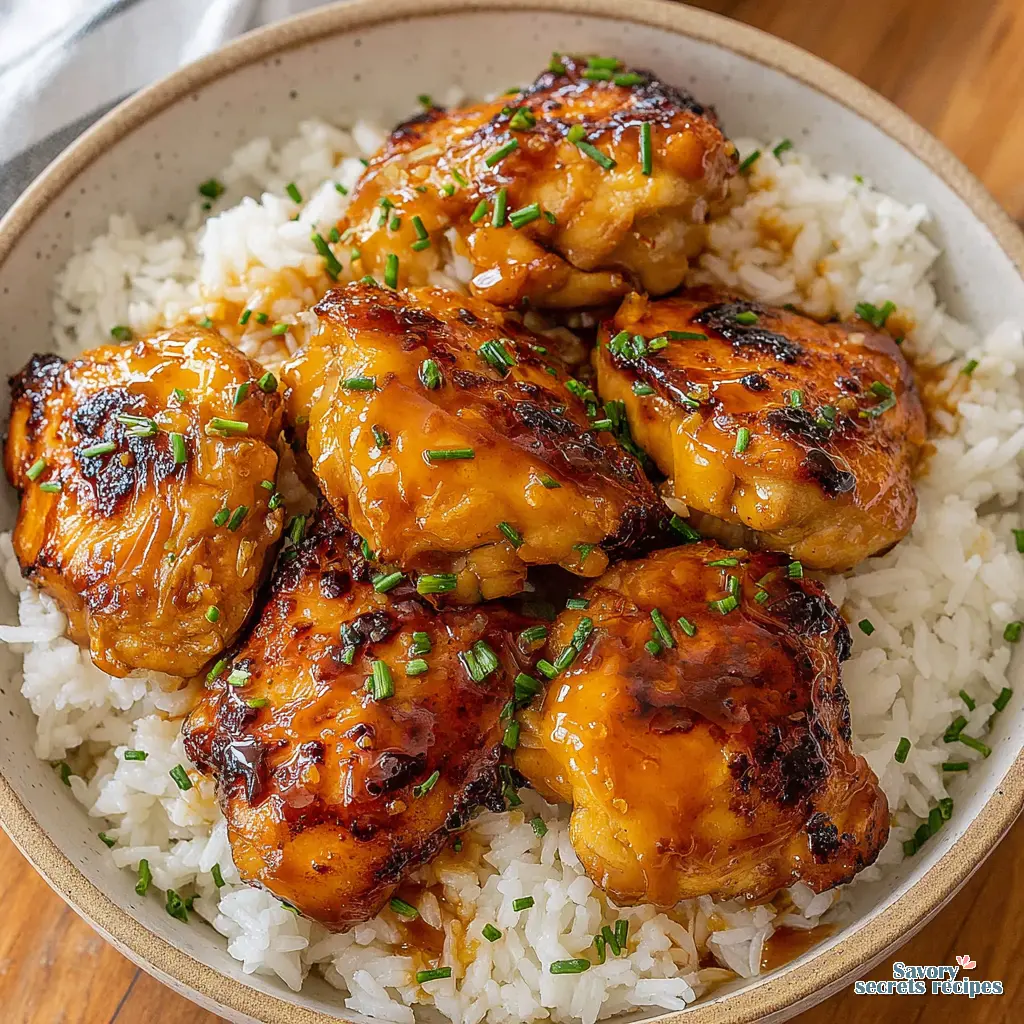
So you’ve made this gorgeous honey garlic chicken rice vinegar. Now what? Plain white rice is the classic, and for good reason. It soaks up the extra sauce beautifully. But let’s think beyond that. For a complete one-pan meal, consider our easy sticky honey garlic chicken and rice bake.
For a spring meal in California, I love it with roasted asparagus drizzled with a little olive oil, or a quick sauté of snap peas and mushrooms. The green, fresh vegetables cut through the richness. A simple cucumber salad with a rice vinegar dressing (see, it ties together!) is another fantastic side.
If you’re skipping rice, try it over a bed of cauliflower rice for a lower-carb option, or even with angel hair pasta. The sauce clings to pasta in a wonderfully sticky, savory way. And don’t forget a garnish. A sprinkle of sesame seeds and some thinly sliced green onions add texture, color, and a final flavor pop that makes the whole plate look considered.
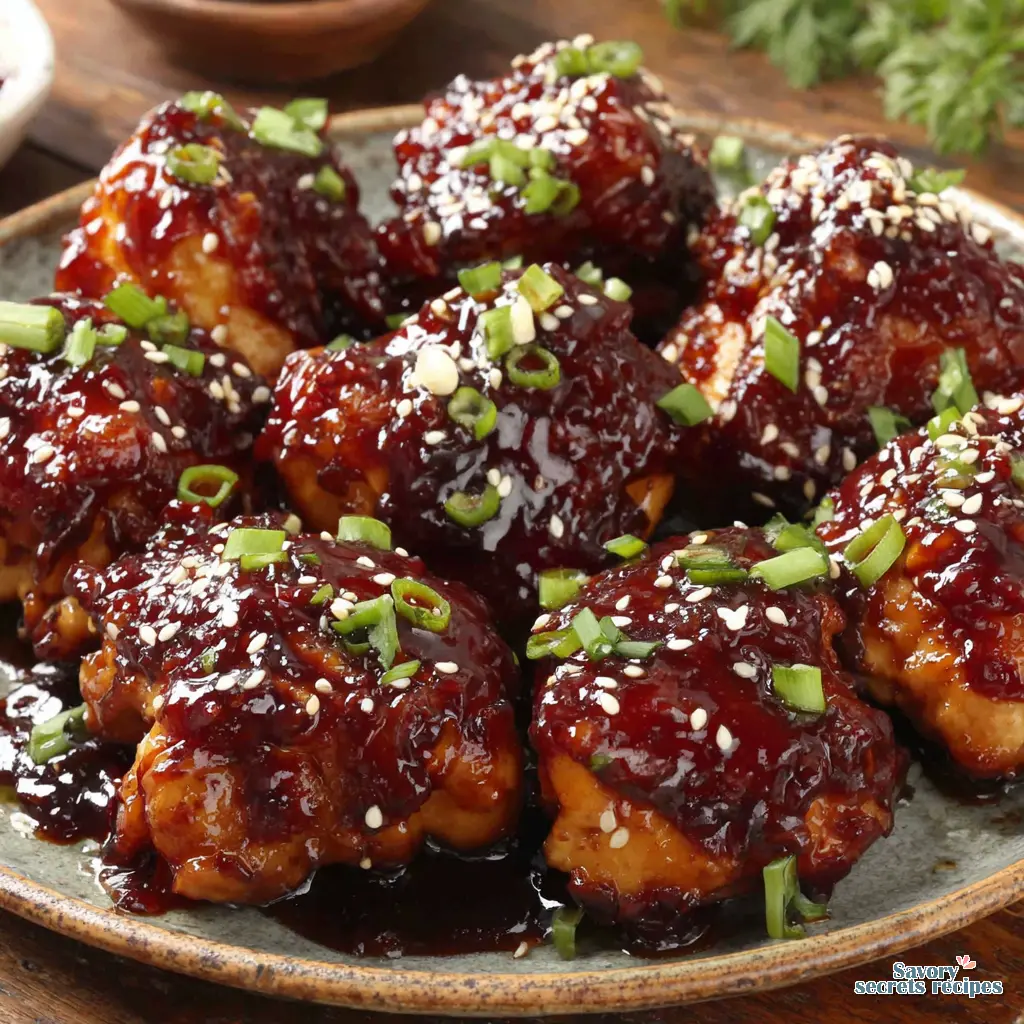
Storing, Reheating, and Your Meal Prep Strategy
This honey garlic chicken is a meal prep superstar. Let it cool completely, then store it in an airtight container in the fridge. It’ll keep for 3-4 days. The flavors actually meld and deepen, which is a nice bonus. For detailed planning, see our guide to honey garlic chicken and rice meal prep.
For freezing, I’d recommend freezing the cooked chicken and sauce separately if you can. Thaw in the fridge overnight. When reheating, the oven method is king for preserving texture. Pop it in an oven-safe dish, add a tablespoon of water or broth to keep things saucy, cover tightly with foil, and warm at 350°F (175°C) for 12-15 minutes. It’ll taste just-made.
You can also prep the sauce alone up to 5 days in advance. Keep it in a jar in the fridge. Then, on a busy night, cook your chicken and simply heat and pour. It turns a 30-minute meal into a 15-minute one. That’s a win in my book.
Frequently Asked Questions
When you make this honey garlic chicken rice vinegar, you’ll see how a few simple ingredients, guided by a little understanding, create something truly special. It’s the kind of dish that builds cooking confidence. You’ve got the framework, the science, and the fixes. Now you just have to try it.
I’d love to hear how it goes. Tag me in your photos or leave a comment with your own variations. Cooking is, after all, just delicious experimentation. Happy cooking!
For more recipe ideas and kitchen science tidbits, check out my Pinterest boards where I save all sorts of inspiration.
Source: Nutritional Information
Can I replace the chicken thighs with chicken breast in this honey garlic chicken rice vinegar recipe?
Absolutely. Chicken breast works fine. To prevent dryness, slice it into even strips or pound it to an even thickness so it cooks quickly. Adjust your cooking time down, as breast cooks faster than thighs. Pull it at 165°F (74°C) and let it rest in the sauce.
How do I make this honey garlic chicken gluten free?
It’s an easy fix. Substitute the soy sauce with tamari (check the label to ensure it’s gluten-free). Also, verify that your chicken broth and rice vinegar are certified gluten-free. That’s really all there is to it for a safe and delicious gluten-free version.
Can I freeze honey garlic chicken rice vinegar?
You can, but with a caveat. The texture of the chicken can become a bit softer upon thawing. For best results, freeze the cooked chicken and sauce in a single, airtight container for up to 2 months. Thaw in the fridge overnight and reheat gently in the oven.
What is honey garlic sauce made of?
The core quartet is honey, garlic, soy sauce, and rice vinegar. That gives you sweet, savory, salty, and sour. Cornstarch thickens it, and chicken broth adds depth. It’s a perfect example of balance, where each ingredient plays a specific, necessary role.
What else can I use honey garlic sauce for?
Oh, it’s so versatile. Brush it on salmon fillets before baking. Use it as a glaze for meatballs or roasted carrots. Toss it with crispy tofu or cauliflower wings. It’s a fantastic all-purpose sweet-savory glaze. Just adjust cooking times based on what you’re using it on.
What goes well with honey garlic chicken besides rice?
Lots of things! Try quinoa, farro, or mashed potatoes. For low-carb options, cauliflower rice or zucchini noodles are great. Roasted vegetables like broccoli, bell peppers, or bok choy are my go-to veggie sides. It’s all about what you’re in the mood for.
My sauce turned out too sweet. How can I fix it?
Balance it back with acid and salt. Stir in an extra splash of rice vinegar or a squeeze of lemon juice. A tiny bit more soy sauce can help, too. Taste as you go. This is where understanding the sauce as a balance of elements really pays off.
Can I make the honey garlic sauce without rice vinegar?
Yes, but you need an acid. Apple cider vinegar, white wine vinegar, or fresh lemon juice are the best substitutes. The flavor will be slightly different a bit sharper with lemon, fruitier with apple cider but it will still provide that crucial balancing tang your sauce needs.